Category: Uncategorized

  • Mindfulness Based Stress Reduction What It Is and How It Works

    Mindfulness Based Stress Reduction What It Is and How It Works

    A Science-Backed Path to Calm: Understanding Mindfulness-Based Stress Reduction

    Mindfulness-based stress reduction is one of the most rigorously studied mind-body programs available today, offering a structured, evidence-backed approach to managing stress, anxiety, chronic pain, and emotional exhaustion. Developed in 1979 by Dr. Jon Kabat-Zinn at the University of Massachusetts Medical School, this eight-week program has quietly transformed the lives of hundreds of thousands of people across the globe — and the science supporting it has only grown stronger with time.

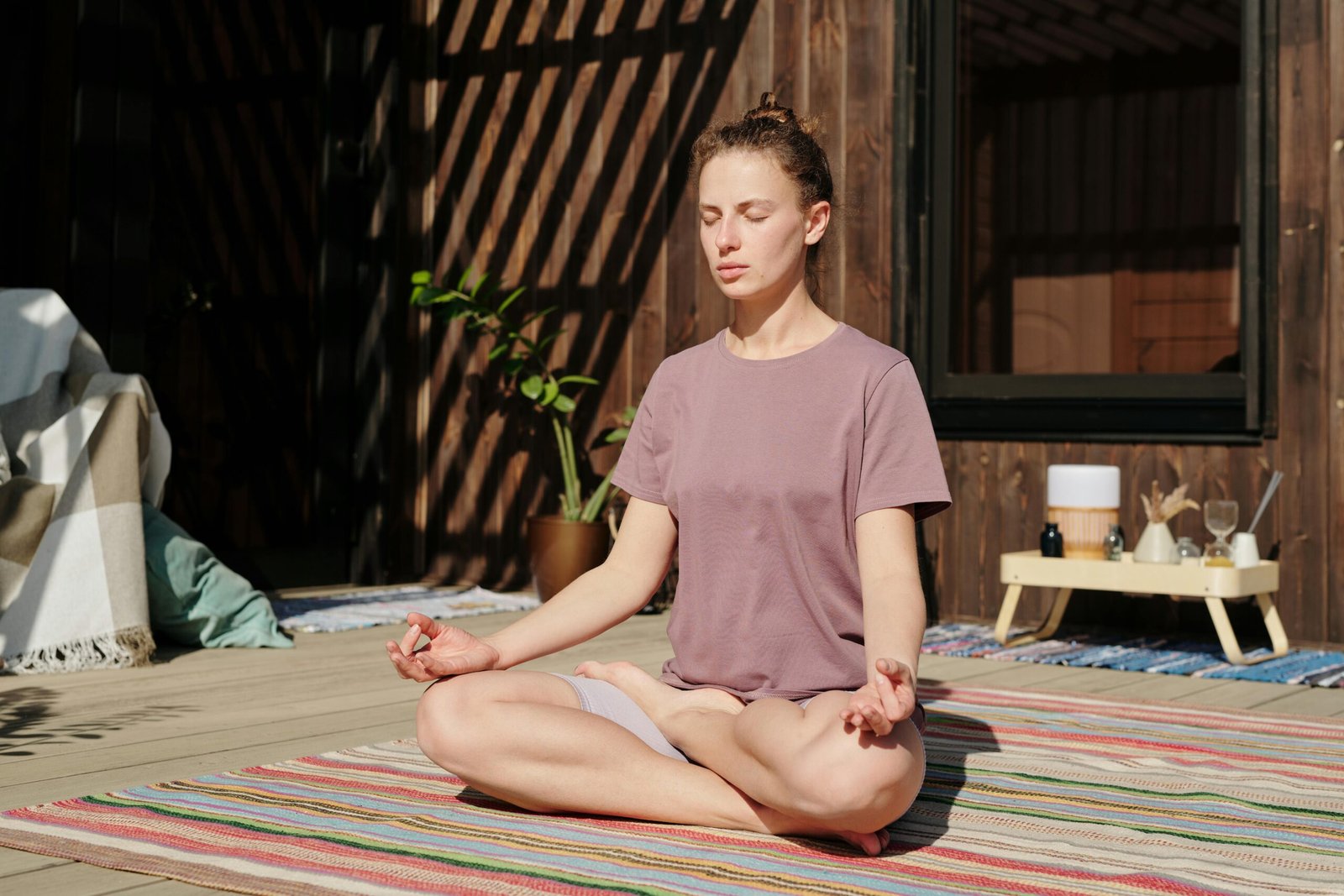
    If you’ve been curious about whether mindfulness is more than just a wellness buzzword, you’re in the right place. This isn’t about sitting cross-legged on a mountaintop or achieving some state of blissful emptiness. Mindfulness-based stress reduction is a practical, learnable skill set that trains your nervous system to respond to life’s pressures with greater awareness and less reactivity. And in 2026, with chronic stress at record levels across Western nations, that kind of training matters more than ever.

    This article is for informational purposes only and is not a substitute for professional medical advice.

    The Foundations: Where This Practice Comes From

    Jon Kabat-Zinn didn’t invent mindfulness — contemplative traditions in Buddhism and other ancient practices had been cultivating present-moment awareness for over 2,500 years. What he did was translate those principles into a secular, clinically testable format that could be delivered in hospitals, community centres, and workplaces. His original program was designed for patients with chronic pain who hadn’t responded well to conventional treatments, but the results surprised everyone.

    The program he created — formally known as MBSR — combined three core meditation practices with gentle movement (typically mindful yoga or body scan exercises), group discussion, and daily home practice. Participants met for around two and a half hours per week for eight weeks, plus one extended retreat day. The structure was intentional: repetition and consistency are what allow the brain to form new neural pathways.

    The Core Practices Within the Program

    • Body Scan Meditation: A slow, deliberate sweep of attention through different regions of the body, building awareness of physical sensations without judgment.
    • Sitting Meditation: Focused attention on the breath, sounds, or open awareness — learning to notice when the mind wanders and gently returning without self-criticism.
    • Mindful Movement: Gentle yoga or walking practices that bring mindfulness into physical experience, linking breath with motion.
    • Informal Mindfulness: Bringing present-moment awareness to everyday activities — eating, washing dishes, having a conversation — so the practice doesn’t stay confined to the meditation cushion.

    These aren’t isolated techniques. Together, they train a consistent set of mental skills: sustained attention, non-judgmental awareness, and the ability to pause between stimulus and response. That pause is where everything changes.

    What the Research Actually Shows

    This is where mindfulness-based stress reduction separates itself from the crowded wellness marketplace. The evidence base is substantial and continues to grow. As of 2026, there are over 1,000 peer-reviewed studies examining MBSR outcomes across a wide range of populations and conditions.

    A landmark meta-analysis published in JAMA Internal Medicine found that mindfulness meditation programs produced moderate evidence of improvement in anxiety, depression, and pain — and these effects were comparable in some cases to antidepressant medications, without the side effects. A 2023 study published in JAMA Psychiatry found MBSR to be as effective as escitalopram (a commonly prescribed antidepressant) for treating anxiety disorders in adults, a finding that generated significant discussion across clinical communities.

    Research from Harvard Medical School has demonstrated that MBSR participants show measurable changes in brain structure — specifically increased cortical thickness in the prefrontal cortex (associated with decision-making and emotional regulation) and reduced grey matter density in the amygdala (the brain’s primary stress-response centre). These neurological changes have been observed after just eight weeks of practice.

    Conditions Where MBSR Has Shown Meaningful Benefits

    • Generalised anxiety disorder and social anxiety
    • Major depressive disorder and recurrent depression
    • Chronic pain conditions including fibromyalgia and lower back pain
    • Post-traumatic stress disorder (PTSD)
    • Sleep disturbance and insomnia
    • Burnout and workplace stress
    • Hypertension and cardiovascular risk factors
    • Cancer-related psychological distress

    A 2025 systematic review in Psychological Medicine confirmed that MBSR significantly reduces cortisol levels — a key biological marker of chronic stress — with effects maintained at six-month follow-up. That durability is particularly important. Many interventions produce short-term relief; MBSR appears to create lasting change in how people relate to stress itself.

    How the Eight-Week Program Actually Works Week by Week

    One of the most common questions people ask is: what exactly happens during the program? Understanding the arc of the eight weeks helps set realistic expectations and explains why the structured format produces better results than simply meditating occasionally on your own.

    Weeks One and Two: Paying Attention on Purpose

    The program begins by introducing the concept of autopilot — the way we move through most of our day without really noticing what’s happening. Early sessions use exercises like mindful eating (the famous raisin exercise) to illustrate just how much we normally miss. Participants begin practising the body scan daily, which builds the habit of turning inward with curiosity rather than judgment.

    Weeks Three and Four: Working with the Body and Breath

    As participants develop a more stable attention, the program introduces mindful movement and longer sitting meditations. A key theme in this phase is recognising the mind-body connection — noticing how emotions manifest as physical sensations, and how shifting physical awareness can influence mental state. Stress physiology is often discussed here, helping participants understand why their nervous system responds the way it does.

    Weeks Five and Six: Relating Differently to Difficulty

    This is often the most transformative phase of the program. Participants learn to move toward difficulty rather than away from it — to sit with discomfort, investigate it with curiosity, and notice that it is rarely as fixed or as overwhelming as it first appeared. This is where the distinction between pain and suffering becomes tangible. Pain (physical or emotional) is often unavoidable; the additional layer of resistance, rumination, and catastrophising is what MBSR trains you to soften.

    Weeks Seven and Eight: Building a Sustainable Practice

    The final weeks focus on integrating mindfulness into daily life beyond the formal program. Participants reflect on what they’ve learned, identify the practices that resonate most, and develop a realistic plan for maintaining their practice. The silent retreat day — typically held around week six or seven — offers a deeper immersion that many participants describe as quietly profound.

    Practical Ways to Bring Mindfulness Into Your Daily Life

    Whether you’re enrolled in a formal MBSR course or simply wanting to begin cultivating present-moment awareness on your own, there are genuinely useful practices you can start today. Research suggests that even brief, consistent practice produces measurable benefits — you don’t need to meditate for an hour a day to see results.

    Start Small and Build Consistency

    The research on habit formation consistently shows that frequency matters more than duration, especially in the early stages. Five to ten minutes of focused attention practice each day will build more sustainable neural change than an occasional 45-minute session. Set a specific time — first thing in the morning or just before bed works well for most people — and attach your practice to an existing habit so it becomes automatic.

    Use Informal Practice Throughout Your Day

    • Mindful transitions: Before starting the car, opening your laptop, or walking into a meeting, take three conscious breaths. This interrupts autopilot and resets your nervous system.
    • The STOP technique: Stop, Take a breath, Observe (what are you thinking, feeling, sensing?), Proceed. This four-step check-in takes under thirty seconds and can be done anywhere.
    • Mindful listening: In your next conversation, commit to listening without planning your response. Notice the other person fully — their tone, their pauses, their expression.
    • Single-tasking: Choose one daily activity — eating lunch, washing up, folding laundry — and do it with full attention. No phone, no podcast. Just the experience itself.

    Work With Your Thoughts, Not Against Them

    One of the most misunderstood aspects of mindfulness practice is what to do with thoughts. The goal is never to stop thinking — that’s neither possible nor desirable. Instead, MBSR teaches you to notice thoughts as mental events rather than facts, to observe them with a degree of detachment, and to choose whether or not to engage with them. A helpful image from the tradition: thoughts are like clouds passing through the sky. You are the sky — vast, unchanging — not the clouds.

    When you find yourself getting caught in a spiral of worry or rumination, try naming what’s happening: “There’s anxious thinking arising.” This small act of labelling activates the prefrontal cortex and creates just enough distance from the thought to prevent total immersion in it.

    Finding the Right MBSR Program for You

    In 2026, access to quality mindfulness-based stress reduction programs has expanded considerably. You no longer need to live near a major city or university medical centre to participate. Here’s what to look for depending on your situation and location.

    In-Person Programs

    For many people, the group experience of in-person MBSR is irreplaceable. Sharing the journey with others, receiving real-time guidance from an instructor, and having the accountability of showing up each week all contribute to outcomes. In the UK, Australia, New Zealand, Canada, and the US, MBSR courses are now offered through NHS-affiliated services, university wellness centres, private mindfulness centres, and corporate health programs. The Mindfulness-Based Professional Training Institute and the Centre for Mindfulness at UMass Medical School both maintain directories of certified teachers.

    Online and App-Based Programs

    A growing body of research — including a substantial 2024 randomised controlled trial from Oxford University — confirms that online MBSR programs produce outcomes comparable to in-person delivery, provided they maintain the full eight-week structure and include live instructor interaction. Look for programs that are grounded in the original Kabat-Zinn curriculum rather than loosely branded mindfulness courses that don’t follow the validated format. Palouse Mindfulness offers a free, comprehensive online MBSR course that is widely regarded as the most authentic digital adaptation of the original program.

    What to Expect Cost-Wise

    In-person MBSR programs typically range from $300–$600 USD (or equivalent) for the full eight weeks, though sliding scale pricing is common. Many workplace Employee Assistance Programs now cover MBSR costs, and in some healthcare systems — particularly in the UK — GP referral to mindfulness-based programs is available at no cost through NHS talking therapies services.

    Frequently Asked Questions

    How is mindfulness-based stress reduction different from general meditation?

    General meditation is a broad term covering dozens of different techniques, from transcendental meditation to loving-kindness practice to visualisation. Mindfulness-based stress reduction is a specific, structured eight-week program with a defined curriculum, trained instructors, and a substantial evidence base from clinical research. While it incorporates meditation practices, it also includes mindful movement, psychoeducation about stress, and group-based learning — making it considerably more comprehensive than simply learning to meditate.

    Do I need any prior experience with meditation to start MBSR?

    Absolutely not. The program is specifically designed for beginners and builds skills progressively over eight weeks. In fact, many instructors note that beginners often progress more easily because they haven’t developed unhelpful habits from other practices. All you need is a willingness to show up, a genuine curiosity about your own experience, and a commitment to the daily home practice — which is where much of the real learning happens.

    How much time do I need to commit each day?

    The traditional MBSR program recommends approximately 45 minutes of formal home practice per day, six days a week. This can feel daunting at first, but participants who maintain this commitment consistently report the most significant outcomes. That said, research supports benefits from shorter daily practice, and many adapted programs offer a more accessible 20–30 minute daily commitment, particularly in digital formats. Consistency matters far more than duration.

    Is MBSR suitable if I have trauma in my history?

    This is an important question that deserves a thoughtful answer. For most people with trauma histories, MBSR can be enormously helpful — particularly in reducing hypervigilance, emotional reactivity, and dissociation. However, body-based practices like the body scan can occasionally activate distressing memories or sensations in people with significant unprocessed trauma. If you have a history of complex trauma or PTSD, it’s strongly advisable to speak with a mental health professional before beginning the program, and to choose an instructor experienced in trauma-sensitive mindfulness. Trauma-adapted versions of MBSR exist specifically for these populations.

    How quickly will I notice results?

    This varies considerably between individuals, but many participants report noticing shifts in their reactivity and stress levels within the first three to four weeks of consistent practice. The neurological changes documented in research studies are typically measured at the eight-week mark. It’s worth noting that progress in mindfulness is rarely linear — some weeks will feel more difficult than others, and that difficulty is often part of the process rather than a sign that the practice isn’t working.

    Can MBSR replace therapy or medication?

    No — and it’s important to be clear about this. Mindfulness-based stress reduction is a complementary practice, not a replacement for evidence-based clinical treatments for mental health conditions. Research does show it can be comparably effective to medication for certain anxiety disorders, but any changes to medication or treatment plans should always be made in consultation with a qualified healthcare provider. MBSR works best as part of a holistic approach to wellbeing, and many people find it most powerful when used alongside therapy, particularly approaches like cognitive behavioural therapy (CBT), which shares several conceptual foundations.

    What if I can’t quiet my mind during meditation?

    This is the most universal concern among new practitioners — and it’s based on a misconception about what meditation is supposed to do. A busy, wandering mind is not a sign that you’re doing it wrong. It’s the nature of the mind. The practice isn’t about achieving silence; it’s about noticing when your mind has wandered and gently returning your attention, again and again. In fact, that moment of noticing — and the compassionate return — is the practice. Over time, you’ll likely notice that your mind’s wandering becomes less distressing, not because it stops, but because you stop fighting it.

    Your Next Step Toward Greater Calm

    You don’t have to be overwhelmed, burned out, or at breaking point to benefit from mindfulness-based stress reduction. This program is for anyone who wants to live with greater presence, respond to difficulty with more grace, and build a genuine, lasting relationship with their own inner life. The science is compelling, the tools are accessible, and the investment — eight weeks of your time — is remarkably modest compared to the potential return.

    Whether you begin with a five-minute breathing practice tonight, explore a local course in your area, or sign up for an online program, the most important step is simply the first one. The calm you’re looking for isn’t somewhere else. With the right tools and a little patience, it’s entirely within reach — and mindfulness-based stress reduction might just be the map that helps you find it.

    Explore more evidence-based mental wellness resources at thecalmharbour.com — your trusted companion on the journey to lasting wellbeing.
  • How to Stay Consistent With Your Meditation Practice

    How to Stay Consistent With Your Meditation Practice

    Why Most Meditation Habits Fall Apart (And How to Fix Yours)

    Building a consistent meditation practice is one of the most transformative things you can do for your mental health — yet most people quit within the first two weeks. If you’ve ever started meditating with great intentions only to find your cushion gathering dust a month later, you’re not alone, and you’re not weak-willed. You’re human. The good news is that staying consistent with meditation isn’t about discipline or willpower — it’s about understanding how habits actually form, removing the friction that trips you up, and making the practice feel like something you want to return to rather than something you feel guilty about skipping.

    In 2026, meditation is no longer considered a niche wellness trend. A landmark study published in JAMA Internal Medicine confirmed that mindfulness meditation programmes significantly reduce symptoms of anxiety, depression, and pain. According to the Global Wellness Institute’s 2026 report, over 500 million people worldwide now engage in some form of mindfulness or meditation practice — up from 350 million in 2022. And yet, despite growing awareness and an explosion of apps, podcasts, and guided resources, consistency remains the single biggest challenge practitioners face at every level. This article is here to change that for you.

    Understanding the Science of Habit Formation in Meditation

    Before we talk strategy, it helps to understand what’s actually happening in your brain when you try to build a new habit. Research from University College London found that it takes an average of 66 days — not the often-cited 21 — for a new behaviour to become automatic. Meditation is no exception. In fact, because it asks you to sit still with your thoughts (which can feel genuinely uncomfortable at first), it may take a little longer to feel effortless.

    The Habit Loop and How Meditation Fits In

    Neuroscientist Charles Duhigg’s habit loop model — cue, routine, reward — is enormously useful here. For meditation to stick, you need a reliable cue (a trigger that signals it’s time to meditate), a consistent routine (the practice itself), and a perceived reward (the feeling you get after). The problem many people encounter is that the reward from meditation is subtle, especially in the early days. You’re not going to feel blissful after your first five sessions. But you might notice you’re slightly less reactive in traffic, or that you slept a little better. Tuning into these small shifts is how you reinforce the habit loop before the practice becomes second nature.

    What Neuroplasticity Has to Do With It

    A 2026 study from Harvard’s Department of Psychiatry found that just eight weeks of consistent mindfulness meditation measurably increased grey matter density in the hippocampus — the brain region associated with learning, memory, and emotional regulation. This tells us something powerful: the brain physically changes in response to meditation. But it only changes with consistency. Think of each session as a deposit into a neurological savings account. The compound interest builds slowly, then all at once.

    Practical Strategies to Stay Consistent With Your Meditation Practice

    Now for the part you came for. These aren’t generic productivity tips dressed up in wellness clothing — they’re evidence-based, field-tested approaches used by meditation teachers, psychologists, and long-term practitioners across the USA, UK, Canada, Australia, and New Zealand.

    Start Embarrassingly Small

    The number one reason people abandon their meditation practice isn’t laziness — it’s ambition. They commit to 20 minutes a day on week one and burn out by week two. Behaviour change researcher BJ Fogg calls this the “Tiny Habits” principle: make the behaviour so small that it requires no motivation to begin. Start with two minutes. Seriously. Two minutes of focused breathing every morning will do more for your long-term consistency than a 30-minute session you dread and skip. Once the habit anchors itself — usually after four to six weeks — you can expand naturally.

    Anchor Your Practice to an Existing Habit

    Habit stacking, a term popularised by James Clear in Atomic Habits, involves attaching a new behaviour to one you already do automatically. For meditation, this looks like: after I pour my morning coffee, I sit and meditate for five minutes. After I brush my teeth at night, I do a two-minute body scan. This approach leverages your existing neural pathways rather than fighting to create entirely new ones. The existing habit becomes your cue, and the meditation becomes the routine that follows it without conscious effort.

    Create a Dedicated Space (However Small)

    Your environment shapes your behaviour more than you realise. You don’t need a meditation room or an elaborate altar. What you need is a consistent, designated spot — a particular chair, a corner of your bedroom, even a specific spot on your sofa — where you only meditate. Over time, simply sitting in that spot begins to trigger a calmer mental state. This is environmental design at its simplest, and it works. Add a small sensory anchor if it helps: a candle, a particular cushion, or even a specific playlist that signals to your nervous system that it’s time to settle.

    Use a Timer, Not a To-Do List

    One of the most effective ways to stay consistent with your meditation practice is to remove the mental negotiation around duration. Set a timer before you begin — even if it’s just for three minutes — and commit to not checking the clock. This simple act transfers the cognitive load to the device and frees your mind to actually meditate. Apps like Insight Timer, Calm, and Headspace remain popular in 2026, but a basic phone timer works just as well. The goal is to eliminate friction, not to accumulate features.

    Track Without Obsessing

    There’s a meaningful difference between tracking a habit to celebrate progress and tracking it to punish yourself when you miss. A simple paper journal or a habit-tracking app where you tick off a completed session provides a visual chain of consistency that becomes its own motivator. The key insight here comes from Jerry Seinfeld’s “don’t break the chain” method: each consecutive day you meditate adds a link. You become motivated not by the meditation itself but by the visual satisfaction of the streak. Just be careful: when you do miss a day — and you will — the rule is never miss twice in a row. One miss is an accident. Two misses is the beginning of a new habit.

    Overcoming the Obstacles That Derail Your Practice

    Even with the best systems in place, life gets in the way. Understanding the most common obstacles in advance means you can plan around them rather than being ambushed by them.

    “I Don’t Have Time”

    This is the most common objection and almost always a prioritisation issue rather than a time issue. A 2025 survey by the Mindfulness Research Institute found that 73% of people who described themselves as “too busy to meditate” spent an average of 2.4 hours daily on social media. Five minutes of meditation requires only a decision. It fits into the time you spend waiting for the kettle to boil, the commute to work, or the gap between waking up and reaching for your phone. The time exists. The practice simply needs to become a higher priority.

    “My Mind Won’t Stop Racing”

    Here’s one of the most important things you can understand about meditation: a busy mind during practice is not a failure. It is the practice. Every time you notice your mind has wandered and you gently return your attention to your breath or your body, you are performing a mental rep — like a bicep curl for your prefrontal cortex. The goal of meditation is not to achieve a blank mind. It never has been. The goal is to build the skill of noticing and returning. Even an “awful” session with a hundred mental wanderings counts as a full session. Show up. That’s the job.

    Dealing With Travel, Illness, and Life Disruptions

    Disruptions to routine are the greatest threat to any habit, and meditation is no different. The solution is to have a minimum viable practice ready for chaotic days. This might be three conscious breaths before a meeting, a two-minute body scan on a plane, or a mindful minute of eating lunch without your phone. These micro-practices won’t replace a full session, but they maintain the neural thread of the habit through the chaos, making it far easier to return to a fuller practice when life settles.

    Building a Practice That Actually Fits Your Life

    One reason so many people struggle to stay consistent with their meditation practice is that they’re trying to maintain someone else’s practice. Social media is full of impressive morning routines featuring hour-long silent sits, perfectly lit candles, and serene expressions. Real life rarely looks like that, and that’s completely fine.

    Choosing the Right Style for You

    Meditation is not one-size-fits-all. Breath awareness, body scans, loving-kindness (metta), open monitoring, transcendental meditation, walking meditation, and guided visualisation are just a handful of well-researched approaches. If one style isn’t resonating after a few weeks, try another. A 2024 meta-analysis in Psychological Bulletin found that practitioners who experimented with multiple styles in their first three months were significantly more likely to maintain a practice at the one-year mark than those who rigidly stuck to a single technique. Give yourself permission to explore.

    Morning vs Evening: When Should You Meditate?

    The honest answer is: whenever you’ll actually do it. Morning meditation has the research advantage of being less likely to be displaced by the demands of the day, and many practitioners report it sets a calmer tone for hours afterwards. But if you’re genuinely not a morning person, forcing a 6am sit will create resistance that undermines the whole enterprise. Evening meditation, particularly body scans or yoga nidra practices, has strong evidence for improving sleep quality. Mid-day meditation has been shown to restore cognitive performance comparably to a short nap. Your best meditation time is your most consistent one.

    The Role of Community and Accountability

    Humans are social animals, and belonging to a community — even a loosely connected one — dramatically increases the likelihood of sticking with any health behaviour. Online meditation communities on platforms like Reddit’s r/Meditation, local sanghas, or even a single accountability partner can provide the gentle social pressure and shared encouragement that keeps you returning to your cushion. In 2026, virtual meditation groups connecting practitioners across time zones are more accessible than ever, offering live guided sessions, group check-ins, and peer support that many solo practitioners find invaluable.

    Deepening Your Practice Once Consistency Is Established

    Once you’ve built a reliable daily habit — even just five to ten minutes — you’ll likely find that the practice begins to evolve on its own. You may naturally want to sit longer, explore different techniques, or integrate mindfulness into more areas of your daily life. This is the tipping point where meditation shifts from something you do to something you are, and it’s worth knowing what to expect.

    Consider gradually increasing your session length by two to three minutes every two weeks rather than making large jumps that might feel unsustainable. Explore retreat options — even a one-day local retreat or a weekend mindfulness workshop can powerfully accelerate your development and renew your motivation. Reading or listening to teachers whose philosophy resonates with you builds the intellectual and emotional scaffolding that supports a long-term practice. And above all, approach your practice with curiosity rather than ambition. The moments you feel least like meditating are often the sessions that offer the most.

    Frequently Asked Questions

    How long should I meditate each day to see real benefits?

    Research suggests that even five to ten minutes of daily meditation produces measurable benefits, including reduced stress hormones, improved focus, and better emotional regulation. A 2023 study in Science Advances found that ten minutes of daily mindfulness meditation over four weeks significantly improved working memory and attention. Longer sessions offer additional benefits, but consistency trumps duration every time. A reliable five-minute daily practice will outperform an occasional 45-minute session in the long run.

    Is it normal to feel worse when I start meditating?

    Yes, and it’s more common than most people realise. When you begin sitting with your thoughts rather than distracting yourself from them, emotions and mental content that you’ve been unconsciously avoiding can surface. This is sometimes called “decompression” or, in clinical circles, meditation-related adverse experiences. For most people, this passes within a few weeks as the nervous system adjusts. However, if you experience significant distress, dissociation, or worsening mental health symptoms, please pause your practice and speak with a qualified mental health professional.

    What should I do when I miss several days in a row?

    Start again without self-criticism. This is perhaps the single most important skill in maintaining a long-term meditation practice. Guilt and shame about missed sessions are far more damaging to consistency than the missed sessions themselves. Research on self-compassion by Dr Kristin Neff at the University of Texas consistently shows that people who treat themselves kindly after setbacks are significantly more likely to persist with healthy behaviours than those who engage in self-criticism. Miss a week? Sit down today. Even for two minutes. The chain begins again right now.

    Can I meditate lying down?

    Absolutely, though with one caveat: lying down increases the likelihood of falling asleep, particularly for people who are sleep-deprived or practising in the evening. If sleep is your goal, a body scan in bed is a genuinely therapeutic practice with strong evidence for improving sleep onset and quality. For a wakefulness-oriented practice, a seated position — even in a comfortable chair — tends to support greater alertness. That said, if lying down is the only position that allows you to practise consistently due to chronic pain or physical limitations, it is far better to meditate lying down than not to meditate at all.

    Do I need a teacher or can I learn from an app?

    Apps and online resources are excellent starting points and have made meditation genuinely accessible to hundreds of millions of people worldwide. For foundational practices — breath awareness, body scans, basic loving-kindness — a well-designed app or a quality online course provides more than enough guidance. However, if you want to go deeper, work through significant psychological material that arises, or pursue more advanced practices, working with an experienced human teacher offers something apps cannot: responsiveness, relationship, and the transmission of lived wisdom. Think of apps as the on-ramp and teachers as the open road.

    How do I meditate if I have ADHD?

    Meditation can be profoundly beneficial for ADHD — and also genuinely challenging given the attentional difficulties involved. The good news is that shorter, more dynamic practices tend to work better than long, static sits. Walking meditation, mindful movement, and breath-counting techniques (where you count each breath from one to ten and start again) give the mind something active to engage with. A 2025 study in the Journal of Attention Disorders found that eight weeks of adapted mindfulness training in adults with ADHD significantly improved sustained attention and impulse control. If you have ADHD, start with two to three minutes, use a guided practice to anchor your attention, and be especially compassionate with yourself when your mind wanders — which it will, frequently, and that’s absolutely fine.

    What’s the difference between meditation and mindfulness?

    Mindfulness is the quality of present-moment, non-judgmental awareness. Meditation is a formal practice — usually involving sitting quietly for a set time — that trains that quality. Think of it this way: meditation is the gym, mindfulness is the fitness you carry with you all day. You can be mindful while washing dishes, walking to work, or having a conversation, bringing full attention to the sensory experience of the moment. Formal meditation practice is what builds the capacity to access that mindful state more readily in daily life. Both are valuable; both reinforce each other.

    Building and sustaining a meditation practice is one of the most generous things you can do for yourself — and for everyone around you. It won’t always feel effortless, it won’t always feel profound, and some days it will feel like a quiet, unremarkable two minutes of breathing in a chair. But those two minutes are doing something real. They’re rewiring your brain, softening your nervous system, and gradually shifting the ground beneath your daily life. At The Calm Harbour, we believe that every person deserves access to the peace that a consistent practice offers. Start where you are. Use what you have. Do what you can. The most important meditation session you’ll ever have is your next one — and that can begin today.

    Ready to build a practice that truly lasts? Explore our guided meditations, weekly mindfulness resources, and supportive community at thecalmharbour.com — your harbour of calm is always here, waiting for you.

    This article is for informational purposes only and is not a substitute for professional medical advice. If you are experiencing significant mental health challenges, please consult a qualified healthcare professional.

  • Sleep Meditation Techniques to Help You Fall Asleep Faster

    Sleep Meditation Techniques to Help You Fall Asleep Faster

    Why Your Brain Won’t Switch Off at Night (And What to Do About It)

    Struggling to fall asleep is one of the most frustrating experiences modern life has to offer — and you’re far from alone. Sleep meditation techniques have helped millions of people quiet racing thoughts and drift off faster, and the science behind them is more compelling than ever. Whether you lie awake replaying the day’s events, feel anxious about tomorrow, or simply can’t seem to power down, this guide will walk you through the most effective evidence-based approaches available in 2026.

    According to the American Sleep Association, approximately 70 million Americans experience chronic sleep problems, with similar rates reported across the UK, Canada, Australia, and New Zealand. A 2025 meta-analysis published in Sleep Medicine Reviews found that mindfulness-based relaxation practices reduced sleep onset time by an average of 20 minutes in adults with insomnia — a significant finding that has reshaped how sleep clinicians approach treatment. And perhaps most encouragingly, these techniques cost nothing, carry no side effects, and can be practised anywhere.

    The key is understanding why your brain resists sleep in the first place. Your nervous system has two modes: the sympathetic (fight-or-flight) and the parasympathetic (rest-and-digest). Most of us spend our evenings inadvertently keeping our sympathetic nervous system activated — through screens, stress, and stimulating content — and then wonder why sleep won’t come. Sleep meditation works by deliberately engaging the parasympathetic response, slowing your heart rate, relaxing your muscles, and signalling to your brain that the day is truly done.

    The Science-Backed Foundation of Sleep Meditation

    Before diving into specific techniques, it helps to understand what’s actually happening in your brain and body when meditation supports sleep. Neuroimaging research from the University of California has shown that regular meditation practitioners exhibit reduced activity in the default mode network — the brain region responsible for rumination, self-referential thinking, and the kind of mental chatter that keeps you awake at 2am.

    Sleep meditation also works by lowering cortisol, your primary stress hormone. A 2024 study in the Journal of Psychosomatic Research found that participants who practised guided relaxation for just 15 minutes before bed showed a measurable reduction in salivary cortisol compared to those who read or watched television. Lower cortisol creates a hormonal environment where melatonin — your body’s natural sleep signal — can rise more freely.

    It’s also worth noting that you don’t need to be an experienced meditator to benefit. Research consistently shows that even beginners experience physiological calming effects within their first few sessions. The techniques below are designed to be accessible, adaptable, and genuinely effective — whether this is your first attempt or you’re refining a practice you’ve had for years.

    What Counts as Sleep Meditation?

    Sleep meditation is an umbrella term covering several distinct but related practices. These include breath-focused awareness, body scan meditation, visualisation, progressive muscle relaxation, yoga nidra, and loving-kindness meditation. What they share is an intentional shift of attention away from anxious thought and toward present-moment sensory experience — which is precisely the mental environment sleep requires.

    Breath-Based Techniques: Your Fastest Route to Calm

    Your breath is the most immediate tool you have for influencing your nervous system. Unlike your heart rate or digestion, breathing sits at the intersection of the conscious and unconscious — you can take voluntary control of it, and in doing so, send direct signals to your brain that it’s safe to relax.

    The 4-7-8 Breathing Method

    Developed and popularised by Dr. Andrew Weil, the 4-7-8 technique has become one of the most widely recommended breathing exercises for sleep. Here’s how to practise it lying in bed:

    1. Place the tip of your tongue gently behind your upper front teeth and keep it there throughout.
    2. Exhale completely through your mouth with a soft whooshing sound.
    3. Close your mouth and inhale quietly through your nose for a count of four.
    4. Hold your breath for a count of seven.
    5. Exhale completely through your mouth with a whoosh for a count of eight.
    6. Repeat this cycle three to four times to begin, working up to eight cycles as the practice becomes comfortable.

    The extended exhale is the key mechanism here. When your exhale is longer than your inhale, you stimulate the vagus nerve — the primary pathway of the parasympathetic nervous system — creating a rapid calming effect that can be felt within minutes.

    Box Breathing for Racing Thoughts

    If you find the 4-7-8 pattern difficult to sustain, box breathing offers a simpler equal-count alternative. Inhale for four counts, hold for four, exhale for four, hold for four. The symmetry of the pattern gives your analytical mind something concrete to focus on, which effectively interrupts the loop of anxious thinking. This technique is used by Navy SEALs to manage high-stress situations — it’s highly effective for quieting a mind that simply won’t stop problem-solving.

    Body Scan and Progressive Muscle Relaxation

    Physical tension and mental tension are deeply interconnected. Many people carry stress in their bodies without realising it — tight jaw, clenched shoulders, a rigid lower back — and this physical holding pattern sends continuous stress signals back to the brain. Body-based sleep meditation techniques break this cycle by bringing deliberate awareness and release to each part of the body.

    How to Practise a Sleep Body Scan

    A body scan meditation guides attention slowly and systematically through the body, inviting relaxation without forcing it. To practise:

    • Lie on your back in a comfortable position with your arms slightly away from your sides.
    • Close your eyes and take three deep, slow breaths to settle.
    • Begin at the top of your head. Notice any sensations — warmth, tingling, tightness — without judging them.
    • Slowly move your attention downward: forehead, eyes, jaw, neck, shoulders, arms, hands, chest, belly, lower back, hips, thighs, knees, calves, feet, and toes.
    • At each area, breathe in and imagine sending warmth to that region; breathe out and let it soften and release.
    • If your mind wanders, gently return your attention to wherever you left off. There is no wrong way to do this.

    A full body scan typically takes 15 to 20 minutes, though even a 10-minute version before bed produces meaningful relaxation. Many people find they fall asleep partway through — which is absolutely the goal.

    Progressive Muscle Relaxation (PMR)

    PMR takes the body scan a step further by actively tensing and then releasing muscle groups. This deliberate contrast — tension followed by release — produces a deeper physical relaxation than passive awareness alone. Starting at your feet, curl your toes tightly for five seconds, then release completely and notice the sensation of letting go. Work upward through each muscle group: calves, thighs, buttocks, abdomen, chest, hands, arms, shoulders, and face. Clinical guidelines from the American Academy of Sleep Medicine include PMR as a first-line behavioural treatment for insomnia, underscoring its evidence base.

    Visualisation and Guided Imagery for Deep Sleep

    If you’re someone who thinks in pictures, visualisation-based sleep meditation may be your most powerful tool. Guided imagery works by occupying the imagination with peaceful, sensory-rich content — effectively crowding out the worries and to-do lists that compete for your attention at night.

    Creating Your Mental Safe Haven

    The most effective visualisations for sleep are personal, detailed, and multisensory. Here’s a simple framework to build your own:

    1. Choose a setting that feels instinctively peaceful to you — a quiet beach, a mountain cabin, a sunlit garden, a favourite childhood spot.
    2. Add sensory detail layer by layer. What do you see? What sounds are present — birdsong, waves, wind in the trees? Is there a scent in the air? What temperature does it feel like against your skin?
    3. Move through the space slowly, as if you are genuinely there. Notice textures, light, and movement around you.
    4. Allow yourself to feel safe. There is nothing to do here, nowhere to be, and nothing that needs your attention.

    Research from the University of Oxford found that insomnia patients who used imagery distraction — filling the mind with engaging visual scenes — fell asleep an average of 20 minutes faster than those who used general distraction or no technique at all. The richer and more personalised the image, the more effective it tends to be.

    Yoga Nidra: Meditation for the Threshold of Sleep

    Yoga nidra, sometimes called “yogic sleep,” is a guided practice that systematically moves awareness through the body and mind toward a state of conscious deep relaxation. Unlike conventional meditation, yoga nidra is specifically designed to be practised lying down and to bring you to the hypnagogic state — the borderland between waking and sleeping. A 2023 clinical study found that 30 minutes of yoga nidra produced brainwave patterns similar to deep sleep while participants remained technically conscious, suggesting the practice offers genuine restorative benefits even before sleep begins. Many yoga nidra recordings are freely available through apps and streaming platforms, making this an easily accessible addition to your evening routine.

    Building a Consistent Sleep Meditation Practice

    The most effective sleep meditation technique is the one you actually use consistently. Research on habit formation suggests that pairing a new behaviour with an existing routine — a concept called habit stacking — dramatically improves follow-through. Consider attaching your sleep meditation to something you already do every night: after brushing your teeth, after dimming the lights, or after your last check of your phone (ideally 30 minutes before bed).

    Setting Up Your Environment for Success

    Your physical environment either supports or undermines your meditation practice. A few evidence-backed adjustments make a meaningful difference:

    • Temperature: The ideal sleep environment sits between 15–19°C (60–67°F). A cooler room signals to your body that it’s time to sleep.
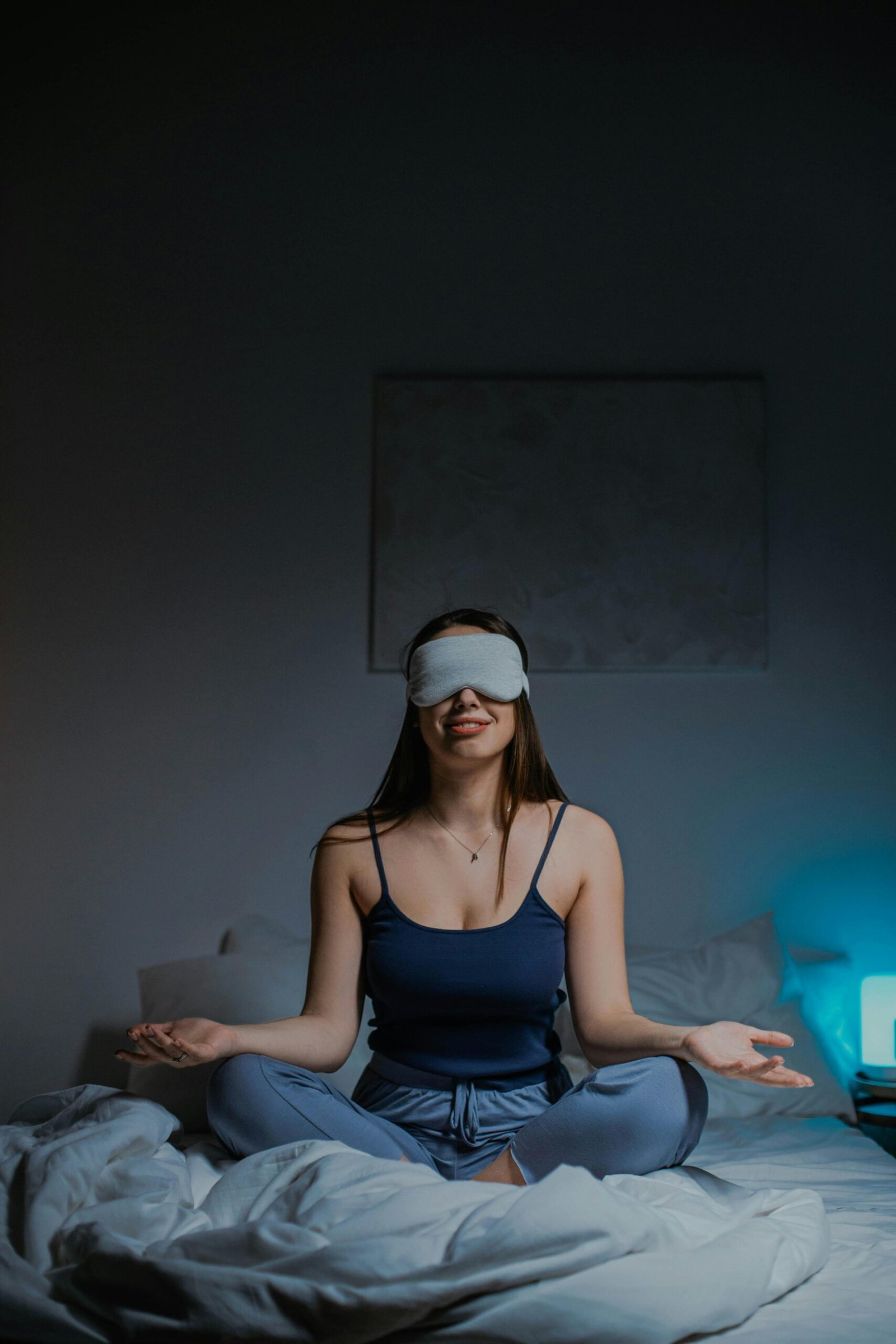
    • Light: Blackout curtains or a sleep mask block light that suppresses melatonin. Even small LED lights from devices can interrupt this process.
    • Sound: If external noise is a problem, white noise, pink noise, or gentle nature sounds can mask disruptions and support relaxation during meditation.
    • Scent: Lavender aromatherapy has modest but consistent evidence supporting its use for sleep — a diffuser or pillow spray can reinforce the ritual quality of your pre-sleep practice.

    How Long Before You See Results?

    Many people notice improvements in sleep quality within the first week of consistent practice. However, the full benefits of sleep meditation tend to emerge over four to eight weeks of regular use. A 2026 study published in Behavioral Sleep Medicine found that participants who practised mindfulness-based relaxation for eight weeks reduced subjective sleep onset latency by 35% and reported significantly improved sleep quality scores compared to a waitlist control group. Consistency, rather than perfection, is what drives results — even five minutes of intentional relaxation before bed is better than none.

    Using Apps and Audio Guides Wisely

    Guided sleep meditations through apps like Calm, Headspace, Insight Timer, and Smiling Mind can be enormously helpful — particularly for beginners who find it difficult to self-direct their attention. Use headphones or a small Bluetooth speaker rather than holding your phone, to minimise blue light exposure. Over time, you may find you need less external guidance as the techniques become internalised. The goal is to build an internal resource, not a permanent dependency on any particular recording.

    Frequently Asked Questions About Sleep Meditation

    How long should I meditate before bed to fall asleep faster?

    Even 10 to 15 minutes of sleep meditation before bed can produce measurable reductions in the time it takes to fall asleep. If you’re new to the practice, start with 10 minutes and increase gradually. Some people benefit from longer sessions of 20 to 30 minutes, particularly yoga nidra. What matters most is consistency — nightly practice, even brief, outperforms occasional longer sessions.

    Can sleep meditation help with chronic insomnia?

    Yes, and significantly so. Mindfulness-based stress reduction (MBSR) and relaxation techniques are now recommended as first-line treatments within Cognitive Behavioural Therapy for Insomnia (CBT-I), which is considered the gold standard approach for chronic insomnia by sleep medicine bodies in the US, UK, Canada, and Australia. Sleep meditation alone may not resolve complex insomnia, but it is a powerful component of any comprehensive approach. If you’ve been experiencing chronic sleep difficulties for more than three months, speaking with a GP or sleep specialist is also advisable.

    What if I fall asleep during meditation — does it still count?

    Absolutely — falling asleep during sleep meditation is the intended outcome. Unlike daytime mindfulness practice, where the goal is sustained awareness, sleep meditation succeeds the moment you drift off. If you’re practising yoga nidra or a body scan and you don’t remember finishing, that’s a sign it’s working beautifully.

    I have anxiety — will meditation make it worse before bed?

    For some people with anxiety, particularly those with a tendency toward hyperawareness of bodily sensations, breath-focused meditation can occasionally increase anxious feelings initially. If this resonates with you, visualisation-based techniques or progressive muscle relaxation may be gentler starting points, as they give the mind external content to focus on rather than turning inward. If anxiety is significantly impacting your sleep and daily life, please speak with a mental health professional — meditation works best as part of a broader support approach.

    Is there a difference between sleep meditation and mindfulness meditation?

    Yes, though they share common roots. Mindfulness meditation is typically practised in an alert, upright position with the goal of cultivating moment-to-moment awareness — you’re not supposed to fall asleep. Sleep meditation borrows many of the same techniques but applies them in a supine position with the explicit intention of transitioning into sleep. The relaxation emphasis is stronger, the pace is slower, and the goal is surrender rather than sustained attention.

    Can children and teenagers use sleep meditation techniques?

    Absolutely. Sleep meditation is safe and often highly effective for children and adolescents. Simple breath awareness, body scans adapted with age-appropriate language, and visualisation exercises work well for younger users. Several apps specifically designed for children, such as Moshi and Calm Kids, offer guided sleep content appropriate for different age groups. In 2025, the UK’s National Health Service expanded its mental health guidance to formally recommend sleep relaxation techniques for children aged 6 and above experiencing sleep difficulties.

    Do I need any special equipment or training to get started?

    Not at all. Your breath and your body are all you need. A comfortable bed, a quiet environment, and a willingness to try are genuinely sufficient. Free guided meditations are widely available on YouTube, Spotify, and apps like Insight Timer. If you want structured learning, many community health centres and online platforms offer introductory mindfulness courses — but there is no requirement to complete any training before benefiting from these techniques tonight.

    Your Journey to Better Sleep Starts Tonight

    You don’t need to overhaul your life to sleep better — you simply need one quiet moment, one conscious breath, and the gentle intention to let the day go. Sleep meditation techniques meet you exactly where you are: anxious, exhausted, or simply in need of a reliable way to transition from the noise of the day into genuine rest. Start with a single technique that resonates with you — whether that’s the 4-7-8 breath, a slow body scan, or a vivid journey to a peaceful imaginary place — and give it a week of consistent practice before deciding whether it’s working. The evidence is clear, the methods are accessible, and the only thing standing between you and better sleep tonight is the decision to begin.

    Be patient and kind with yourself through this process. Some nights will feel easier than others, and that’s completely normal. What you’re building is not just a sleep habit — it’s a deeper relationship with your own capacity for calm, one that will serve you well beyond the bedroom.

    This article is for informational purposes only and is not a substitute for professional medical advice. If you are experiencing persistent sleep difficulties, anxiety, or other health concerns, please consult a qualified healthcare professional.

  • The Science Behind Why Meditation Reduces Stress

    The Science Behind Why Meditation Reduces Stress

    What Actually Happens in Your Brain and Body When You Meditate

    Meditation reduces stress by triggering measurable biological changes in your brain, nervous system, and hormonal pathways — and in 2026, the science behind this is clearer and more compelling than ever before.

    If you’ve ever wondered whether meditation is truly backed by science or simply a wellness trend, you’re asking exactly the right question. The good news is that decades of neuroscience, psychology, and clinical research have converged on a remarkable answer: meditation genuinely rewires your stress response — not metaphorically, but physically. Understanding how this happens doesn’t just satisfy curiosity. It gives you the motivation to actually practice, because you know what you’re working toward at the cellular level.

    Whether you’re dealing with the relentless pressure of a demanding job, the emotional weight of parenting, chronic anxiety, or simply the background hum of modern life, this guide will walk you through the real mechanisms that make meditation one of the most evidence-supported stress-reduction tools available today.

    Your Stress Response: The System Meditation Is Designed to Calm

    To appreciate why meditation reduces stress so effectively, you first need to understand what stress actually does to your body. Stress isn’t just a feeling — it’s a full-body physiological event orchestrated by two key systems: the hypothalamic-pituitary-adrenal (HPA) axis and the sympathetic nervous system.

    The Fight-or-Flight Cascade

    When your brain perceives a threat — whether it’s a charging lion or an overwhelming inbox — your hypothalamus fires a distress signal. Your adrenal glands flood your bloodstream with cortisol and adrenaline. Your heart rate climbs, your muscles tense, your digestion pauses, and your immune function temporarily suppresses. This is the fight-or-flight response, and it’s brilliantly designed for short-term survival.

    The problem? Modern life keeps this system switched on far too often. Chronic activation of the HPA axis is now linked to everything from cardiovascular disease and type 2 diabetes to depression, immune dysfunction, and accelerated cellular aging. A landmark 2025 meta-analysis published in Psychoneuroendocrinology confirmed that chronically elevated cortisol levels are associated with a 32% increased risk of burnout-related mental health conditions across working-age adults in Western countries.

    The Parasympathetic Counterbalance

    Your nervous system has a natural counterweight to fight-or-flight: the parasympathetic nervous system, often called the “rest and digest” system. When activated, it slows the heart, deepens breathing, lowers blood pressure, and signals safety to every organ in your body. Meditation is, at its core, one of the most reliable and accessible ways to deliberately activate this system — on demand, without medication, and with compounding benefits over time.

    The Neuroscience of Meditation and Stress Relief

    The science behind why meditation reduces stress is written in the architecture of the brain itself. Thanks to advances in functional MRI (fMRI) and neuroimaging technology, researchers can now watch — in real time — what meditation does to neural activity and even brain structure.

    The Amygdala: Shrinking Your Alarm System

    The amygdala is your brain’s threat-detection center. It’s the region that fires when you feel fear, anxiety, or emotional overwhelm. In chronically stressed individuals, the amygdala tends to be hyperactive and even enlarged. One of the most significant findings in meditation neuroscience is that regular practice measurably reduces amygdala gray matter density.

    A widely cited Harvard study led by Sara Lazar found that just eight weeks of Mindfulness-Based Stress Reduction (MBSR) produced noticeable reductions in amygdala density, correlating directly with participants’ self-reported decreases in stress. More recent 2024 research from the Max Planck Institute for Human Cognitive and Brain Sciences replicated and extended these findings, showing that even brief daily meditation practices of 13 minutes produced amygdala volume reductions after eight weeks of consistent practice.

    The Prefrontal Cortex: Building Your Rational Anchor

    While meditation reduces amygdala reactivity, it simultaneously strengthens the prefrontal cortex (PFC) — the region responsible for rational thought, emotional regulation, decision-making, and perspective-taking. Neuroimaging consistently shows thicker gray matter in the PFC of long-term meditators compared to non-meditators of the same age.

    This matters enormously for stress. A stronger PFC means you’re better equipped to pause between a stressor and your reaction — the neurological equivalent of taking a breath before you respond. The amygdala screams; the prefrontal cortex asks, “But is this actually dangerous?” Over time, meditation shifts the balance of power between these two regions in your favour.

    Default Mode Network: Quieting the Overthinking Mind

    The default mode network (DMN) is the neural circuitry that activates when your mind wanders — replaying past conversations, rehearsing future worries, engaging in self-referential thought. An overactive DMN is closely associated with rumination, anxiety, and depression. Meditation, particularly mindfulness and focused-attention practices, is one of the most effective known methods for reducing DMN activity. Research from Yale University showed that experienced meditators have significantly lower DMN activation during rest — meaning their minds are naturally quieter even when they’re not actively meditating.

    Hormones, Inflammation, and the Cellular Effects of Meditation

    The stress-reducing power of meditation doesn’t stop at the brain. It travels through your bloodstream, influencing hormones, immune function, and even the genetic expression of stress-related pathways.

    Cortisol Reduction: The Most Measured Effect

    Cortisol is the primary biomarker researchers use to measure stress, and the evidence that meditation reduces it is robust. A comprehensive 2023 review in Health Psychology Review, analyzing 45 randomized controlled trials, found that mindfulness-based interventions produced statistically significant reductions in salivary cortisol across diverse populations, with the strongest effects seen after eight or more weeks of regular practice. Participants who meditated daily for 20 minutes or more showed cortisol reductions averaging 14–18% compared to control groups.

    Inflammation Markers and the Mind-Body Link

    Chronic stress drives systemic inflammation by keeping the immune system in a state of low-grade alert. Inflammatory markers like interleukin-6 (IL-6) and C-reactive protein (CRP) rise with chronic stress and are implicated in heart disease, autoimmune conditions, and depression. Multiple studies now show that meditation practices reduce these inflammatory biomarkers. A 2024 clinical trial at UCLA found that an eight-week mindfulness program reduced IL-6 levels in caregivers — one of the highest-stress populations studied — by 22% compared to a waitlist control group.

    Telomeres and the Aging Connection

    Perhaps one of the most striking biological findings in meditation research relates to telomeres — the protective caps on your chromosomes that shorten with age and accelerate with chronic stress. Nobel Prize-winning research established that telomere shortening is a reliable marker of biological aging. Encouragingly, studies led by researchers including Elissa Epel and Clifford Saron have found that meditation retreat participants showed significantly greater telomerase activity (the enzyme that repairs telomeres) compared to controls. This suggests that consistent meditation practice may literally slow stress-related biological aging at the cellular level.

    Types of Meditation and How Each Targets Stress Differently

    Not all meditation works through exactly the same mechanisms. Understanding the different pathways helps you choose the right practice for your specific stress profile.

    Mindfulness-Based Stress Reduction (MBSR)

    Developed by Dr. Jon Kabat-Zinn at the University of Massachusetts in the 1970s and now the most studied meditation intervention in clinical literature, MBSR combines body scans, mindful movement, and sitting meditation. It primarily works by increasing metacognitive awareness — your ability to observe your thoughts without being hijacked by them. This directly reduces the rumination and catastrophizing that amplify stress. The eight-week MBSR program has been shown in hundreds of trials to reduce anxiety, depression, and perceived stress, with effects comparable to antidepressant medication for stress-related mood disorders in some populations.

    Focused Attention Meditation

    Practices like breath awareness or mantra repetition train your attention to return again and again to a single point of focus. This builds what researchers call attentional control — the ability to disengage from stressful thought spirals and redirect your mental energy deliberately. Over time, this practice rewires neural pathways associated with rumination and strengthens the connection between the PFC and the amygdala, giving your rational brain more influence over your emotional reactions.

    Loving-Kindness Meditation (Metta)

    Loving-kindness meditation involves directing feelings of warmth and compassion toward yourself and others. Research shows it activates brain regions associated with positive emotion and social connection, while reducing cortisol and activity in threat-related neural circuits. A 2024 study from the University of North Carolina found that six weeks of loving-kindness meditation significantly reduced self-reported stress and increased vagal tone — a physiological marker of parasympathetic nervous system activation — in adults with high-stress occupations.

    Body Scan and Progressive Relaxation

    Body scan meditation directs conscious awareness through different parts of the body, releasing muscular tension and activating the parasympathetic nervous system. It’s particularly effective for stress that manifests physically — chronic tension headaches, tight shoulders, shallow breathing, and gut discomfort. By slowing the breath and drawing attention inward, body scan practices directly counteract the physical symptoms of the fight-or-flight response.

    Building a Sustainable Meditation Practice for Stress Relief

    Knowing the science is powerful, but the real transformation happens when you sit down and practice. Here’s how to build a meditation habit that actually sticks — and delivers the stress-reducing benefits the research promises.

    Start Small and Build Gradually

    The research is clear: consistency matters far more than duration. Beginning with just five to ten minutes daily produces measurable neurological changes within weeks. A 2024 study from Carnegie Mellon University found that 25 minutes of mindfulness meditation for three consecutive days significantly reduced psychological stress — demonstrating that you don’t need months before you feel results. Start with a manageable commitment you can keep rather than an ambitious one you’ll abandon.

    • Week 1–2: Five minutes of focused breath awareness each morning
    • Week 3–4: Extend to ten minutes, adding a brief body scan at bedtime
    • Month 2 onward: Build toward 15–20 minutes daily, experimenting with loving-kindness or MBSR-style practices

    Use Technology Wisely

    Apps like Calm, Headspace, Insight Timer, and the newer AI-guided meditation platforms that have emerged in 2025 and 2026 can provide excellent structure for beginners. Research published in 2025 in JMIR Mental Health found that app-guided meditation produced cortisol reductions statistically comparable to in-person instruction after eight weeks — good news for anyone whose schedule or geography makes classes inaccessible.

    Anchor Your Practice to an Existing Habit

    Behavioral science research on habit formation consistently shows that “habit stacking” — attaching a new behavior to an established one — dramatically improves adherence. Meditate immediately after your morning coffee, before your lunchtime meal, or right after you climb into bed. The anchoring cue removes the activation energy required to start, making consistency far more achievable.

    Be Kind to Yourself When Your Mind Wanders

    One of the most important — and most misunderstood — aspects of meditation is that a wandering mind is not a failed meditation. The moment you notice your mind has wandered and gently bring it back is the actual exercise. That noticing is the neural equivalent of a bicep curl for your prefrontal cortex. Every return builds the attentional and emotional regulation muscles that reduce stress over time. Approach your practice with the same warmth and patience you’d offer a good friend.

    Frequently Asked Questions

    How long does it take for meditation to reduce stress?

    Research suggests you can experience measurable stress relief within just a few sessions. A 2024 Carnegie Mellon study found significant cortisol reductions after just three days of 25-minute sessions. For more lasting structural brain changes — such as reduced amygdala density and increased prefrontal cortex thickness — most studies point to eight weeks of consistent daily practice as the key threshold. Many people report noticeable improvements in mood, sleep, and reactivity within the first two to four weeks.

    Do I have to empty my mind to meditate effectively?

    No — and this misconception stops a lot of people before they even begin. The goal of meditation is not to stop thinking. Thoughts are a natural product of a living brain. The practice is about changing your relationship to those thoughts — observing them without getting swept away, rather than suppressing them. Every time you notice you’ve gotten caught in a thought and return your attention to your breath or body, you’re doing exactly what meditation is supposed to do.

    Is meditation as effective as medication for stress and anxiety?

    Meditation is not a replacement for medication or professional mental health care, and it’s important to be honest about that. However, the evidence is genuinely impressive. A 2023 JAMA Internal Medicine review found that mindfulness meditation programs showed moderate evidence of improving anxiety, depression, and pain — effects comparable to low-dose antidepressants for mild-to-moderate stress-related conditions. For many people, meditation works best as part of a broader wellness approach that may include therapy, lifestyle changes, and where appropriate, medication prescribed by a qualified professional.

    What type of meditation is best for stress relief?

    The honest answer is: the one you’ll actually do consistently. That said, Mindfulness-Based Stress Reduction (MBSR) has the largest evidence base for stress reduction specifically. Loving-kindness meditation has shown strong results for people whose stress involves interpersonal conflict or self-criticism. Body scan practices are particularly effective if your stress manifests physically. If you’re completely new, starting with simple breath-focused mindfulness is a reliable, well-researched entry point that underlies many other approaches.

    Can meditation help with stress caused by physical illness or chronic pain?

    Yes — and this is one of the most exciting areas of current research. Mindfulness-based interventions have been shown to reduce perceived pain intensity and the emotional suffering associated with chronic pain conditions, even when the underlying physical cause remains unchanged. This is because meditation alters the brain’s processing of pain signals, particularly in the anterior cingulate cortex and thalamus. MBSR programs are now offered in many hospitals and pain clinics across the USA, UK, Canada, Australia, and New Zealand as adjunct treatments for conditions including fibromyalgia, cancer-related distress, and chronic back pain.

    How is meditation different from simply relaxing or resting?

    This is a great question. Passive relaxation — watching television, scrolling your phone, or resting — can reduce subjective feelings of tiredness, but it doesn’t produce the same neurological changes as meditation. Relaxation generally keeps the default mode network active (your mind continues to wander and ruminate). Meditation, by contrast, trains metacognitive awareness and deliberately modulates neural activity in ways passive rest does not. EEG studies show that meditation produces distinct brainwave patterns — particularly increased alpha and theta waves — that differ significantly from ordinary rest and are associated with calm, focused awareness.

    Do I need to meditate every day for it to work?

    Daily practice produces the most consistent and cumulative results, but even three to four sessions per week has been shown to deliver meaningful stress-reduction benefits. The key variable is consistency over weeks and months, not perfection. Missing a day or a week doesn’t erase your progress — the neural changes from previous practice don’t simply disappear. Think of it like physical fitness: skipping a week at the gym doesn’t undo months of training. Return when you can, without judgment, and the benefits continue to accumulate.

    Your Calmer Life Starts With One Breath

    The science behind why meditation reduces stress is no longer a matter of debate — it’s a growing body of evidence spanning neuroscience, endocrinology, immunology, and clinical psychology. From shrinking an overactive amygdala to lowering cortisol, quieting inflammatory pathways, and building a stronger, more resilient prefrontal cortex, meditation works through real, measurable, biological mechanisms. It is not a luxury, a spiritual indulgence, or a wellness trend. It is one of the most powerful evidence-based tools available for changing how your brain and body respond to the inevitable pressures of life.

    You don’t need a special cushion, a silent retreat, or years of experience. You need five minutes, a willingness to begin, and the self-compassion to keep showing up — even imperfectly. The research is behind you. Your nervous system is waiting to be given permission to rest. Start today, with a single breath, and trust the process that millions of people across the world — and thousands of peer-reviewed studies — have already confirmed: this works, and it can work for you.

    This article is for informational purposes only and is not a substitute for professional medical advice. If you are experiencing significant stress, anxiety, or mental health challenges, please consult a qualified healthcare professional or mental health practitioner in your country.

  • How to Create a Calming Meditation Space at Home

    How to Create a Calming Meditation Space at Home

    Why Your Environment Shapes Your Mindfulness Practice More Than You Think

    Your surroundings have a profound effect on your mental state — and creating a dedicated meditation space at home could be the single most powerful step you take toward a consistent, transformative mindfulness practice in 2026.

    If you’ve ever tried meditating on your couch, only to find yourself distracted by the laundry pile or the buzz of your phone, you already know that environment matters. Research published in the Journal of Environmental Psychology confirms that physical surroundings directly influence our ability to regulate emotion and sustain attention. When your brain associates a particular space with stillness and intention, it begins to shift into a calmer state almost automatically — a phenomenon known as environmental cueing. That’s the quiet power behind a well-designed meditation corner.

    Whether you live in a spacious home in suburban Canada, a flat in London, a studio apartment in New York City, or a compact terrace house in Melbourne, this guide will show you how to create a calming meditation space at home that genuinely works for your life, your budget, and your goals. No aesthetic perfection required — just purposeful design and a little intention.

    This article is for informational purposes only and is not a substitute for professional medical advice.

    Choosing the Right Spot: Small Spaces Can Hold Big Peace

    The first question most people ask is: “Where do I even put a meditation space?” The answer is simpler than you’d expect. You don’t need a spare room or a dedicated studio. What you need is a consistent corner of your home that you can return to again and again.

    Finding Your Dedicated Spot

    Start by looking for a space that meets a few basic criteria. Ideally, it should have natural light, relatively low foot traffic, and some distance from your main work or entertainment areas. A bedroom corner, a quiet hallway nook, a section of a spare room, or even a garden shed that’s been thoughtfully arranged can all serve beautifully.

    According to a 2024 survey by the Global Wellness Institute, over 62% of people who meditate regularly cite having a dedicated physical space as a key factor in maintaining consistency. This isn’t coincidental. The brain thrives on ritual and association, and a fixed location becomes a powerful trigger for the relaxation response.

    • Bedroom corners: Ideal for morning and evening practice; keeps your routine close to sleep hygiene habits
    • Balconies or outdoor areas: Connection to nature enhances mindfulness — even in urban settings
    • Converted closets: A surprisingly popular option for small apartments — remove the hanging rail and add a cushion
    • Spare room sections: Use a room divider or bookshelf to carve out a distinct zone without full renovation

    What to Avoid

    Try not to meditate in the same spot where you work, watch TV, or scroll your phone. Your nervous system has already wired those locations to stimulation and stress. Even sitting in a different chair in the same room can make a meaningful difference. If space is truly limited, use a specific cushion or mat that you only bring out during practice — this portable cue becomes your “space” itself.

    Sensory Design: Building Calm Through Your Five Senses

    A truly effective meditation environment speaks to all your senses — not just what you see. Thoughtful sensory design is what separates a space that looks calming on Instagram from one that actually helps you drop into stillness within minutes.

    Sight: Light, Color, and Visual Simplicity

    Natural light is your greatest ally. If possible, position your space near a window with soft, diffused light rather than harsh direct sunlight. For evening sessions, warm-toned lighting — ideally dimmable — signals the brain to begin winding down. Research from Harvard Medical School highlights that blue-spectrum light suppresses melatonin and increases alertness, making warm amber lighting ideal for pre-sleep or evening meditation.

    In terms of color, earth tones, soft greens, dusty blues, and neutral whites consistently score highest in psychological studies measuring perceived calmness. Avoid overly bright or saturated colors in your immediate visual field during practice. Keep the space visually uncluttered — a few meaningful objects are more powerful than many decorative ones.

    Consider adding:

    • A small candle or Himalayan salt lamp for ambient warmth
    • One or two plants — studies show that biophilic elements like greenery reduce cortisol by up to 37%
    • A simple altar or focal point: a crystal, a meaningful photograph, a small statue — whatever resonates personally

    Sound: Controlling Your Acoustic Environment

    Sound is one of the most overlooked elements of meditation space design. External noise — traffic, neighbours, family members — can be a significant barrier to deep practice. A few practical strategies can help significantly.

    Soft furnishings absorb sound naturally, so adding a thick rug, cushions, curtains, and even a tapestry to your walls will reduce echo and external noise. A white noise machine or a small Bluetooth speaker playing binaural beats, Tibetan singing bowls, or nature soundscapes can mask intrusive noise effectively. Apps like Calm, Insight Timer, and Brain.fm remain among the most trusted in 2026 for ambient meditation audio.

    Scent: The Fastest Path to the Parasympathetic State

    Your olfactory system connects directly to the limbic system — the emotional brain — which is why scent can shift your mental state faster than almost any other sensory cue. Certain aromas have a well-documented association with relaxation and meditative states.

    Lavender remains the most researched, with multiple clinical trials demonstrating its ability to reduce anxiety and lower heart rate. Frankincense has been used in spiritual practice across cultures for millennia and is now supported by neuroscience as a mild psychoactive that promotes a sense of transcendence. Sandalwood and cedarwood are grounding, earthy scents particularly suited to body-scan and mindfulness practices.

    Use a diffuser with pure essential oils rather than synthetic air fresheners, which can contain volatile organic compounds. Incense is another traditional option — just ensure the space is adequately ventilated. Once you consistently use the same scent in your meditation space, your brain will begin to associate that aroma with stillness, deepening the environmental cue response over time.

    Touch: The Ground Beneath You

    Physical comfort is non-negotiable. Discomfort during meditation doesn’t build character — it builds distraction. Invest in a quality meditation cushion (a zafu or zabuton), a folded blanket, or a supportive yoga mat depending on your preferred posture. Many practitioners also keep a light throw blanket nearby, as body temperature can drop during prolonged stillness.

    The texture of your space matters too. Soft, natural materials — cotton, linen, wool, bamboo — contribute to a sensory environment that signals safety and ease. Avoid synthetic, scratchy, or cold surfaces in your immediate contact zone.

    Decluttering and Intention: The Non-Negotiable Foundation

    A cluttered space creates a cluttered mind. This isn’t just spiritual wisdom — it’s supported by neuroscience. A landmark study from Princeton University found that visual clutter competes for neural resources in the brain, reducing the ability to focus and increasing background stress hormones. When you create a calming meditation space at home, clearing that space is an act of mental hygiene.

    Purposeful Minimalism

    You don’t have to live as a minimalist to maintain a minimal meditation space. Simply designate this area as a clutter-free zone. Nothing enters your meditation corner that doesn’t serve calm or practice. That means no work files, no charging cables left out, no random objects placed there because they had nowhere else to go.

    Perform a quick tidy before each session if needed — many practitioners find that the act of arranging the space is itself a mindfulness ritual that eases the transition from busy mind to present awareness. Light your candle, set out your cushion, take three breaths. The body begins responding before you’ve even closed your eyes.

    Setting Intention in Your Space

    Consider adding one or two objects that carry personal meaning — not for spiritual performance, but for psychological anchoring. This might be a photograph of someone you love, a small piece of nature (a stone, a shell, a dried flower), or a written intention card. These items serve as visual affirmations of why you’ve created this space and what you’re cultivating within it.

    Technology, Boundaries, and the Art of Unplugging

    In 2026, the average adult in English-speaking countries spends over 7 hours per day on screens, according to data from DataReportal’s Global Digital Report. Your meditation space must act as a sanctuary from this constant digital stimulation — and that requires both physical and psychological boundaries.

    Making Your Space a Phone-Free Zone

    This is the most impactful single rule you can implement. Leave your phone outside the space — or at minimum, switch it to aeroplane mode and place it face-down and out of reach. The mere visibility of a smartphone, even switched off, has been shown in research from the University of Texas at Austin to reduce available cognitive capacity. Your meditation space deserves to be genuinely phone-free.

    If you use a meditation app for guided sessions, consider a dedicated tablet or old smartphone that stays in the space solely for that purpose, with no other apps installed. This keeps the technology purposeful rather than distracting.

    Communicating Boundaries With Household Members

    One of the most common challenges for parents, partners, and housemates is interruption. Have a direct, kind conversation about your practice and what you need. A simple visual cue — a specific cushion placed outside the door, a small sign, a closed door — can communicate “please don’t disturb” without requiring anyone to tiptoe around indefinitely. Most people in your household will respect a clearly communicated, time-limited boundary.

    Sustaining the Practice: Rituals That Make Your Space Come Alive

    Creating a beautiful space is only half the work. The other half is showing up to it — especially on the days when motivation is low, life feels chaotic, and the cushion seems impossibly far from the couch.

    Building a Pre-Meditation Ritual

    Rituals serve as transition signals between your ordinary mind and your meditative one. They don’t need to be elaborate. A simple sequence — brewing a cup of herbal tea, lighting a candle, spending 60 seconds stretching — can be enough to shift your nervous system into receptive mode. The key is consistency: do the same sequence each time, and over weeks, the ritual itself becomes a meditation bell.

    Starting Small and Building Gradually

    Research consistently shows that the most sustainable meditation habits begin with sessions of just 5 to 10 minutes. A 2023 meta-analysis in Psychological Bulletin found that even brief daily mindfulness practice — as little as 8 minutes — produced measurable reductions in anxiety and improvements in attention regulation over an 8-week period. Use your beautiful new space for just 10 minutes a day to start. Consistency beats duration every time.

    Seasonal and Intentional Updates

    Refresh your space with the seasons — not because it’s necessary, but because it keeps the environment feeling alive and intentional. Swap out a candle scent in winter for something warming like cinnamon or clove. Add a seasonal flower in spring. Move your cushion closer to an open window in summer. These small changes prevent the space from becoming invisible to your brain — which tends to stop noticing things that never change.

    Frequently Asked Questions

    Do I need a large space to create a meditation area at home?

    Absolutely not. Some of the most effective meditation spaces are the smallest. A corner measuring just one metre by one metre is enough for a cushion, a candle, and a sense of intention. What matters is consistency — your brain responds to returning to the same spot repeatedly, regardless of its size. Converted closets, bedroom corners, and balcony spaces all work beautifully. If you truly have no permanent spot, a dedicated cushion or mat that you place in the same location each day serves the same neurological purpose.

    What’s the most important element of a calming meditation space?

    While every element contributes, most mindfulness teachers and environmental psychologists agree that consistency of location is the single most powerful factor. Your brain builds an association between that specific spot and a calm, focused mental state — which means the space itself begins to do some of the work for you over time. Beyond location, removing visual clutter and eliminating digital distractions are the two highest-impact physical changes you can make.

    Can I meditate in a space shared with others, like a living room?

    Yes, with some adjustments. Use a specific cushion or mat that signals to both you and others that practice is happening. Communicate boundaries kindly and clearly. Use headphones with ambient sound to create an acoustic boundary within a shared space. Many people successfully meditate in shared environments by treating their mat or cushion as their portable sanctuary. Over time, your household may even find your practice inspires their own.

    How do I stay motivated to use my meditation space regularly?

    Start with a commitment so small it feels almost silly — five minutes, three times per week. Place your cushion somewhere visible so it serves as a gentle visual reminder. Tie your practice to an existing habit: after your morning coffee, before your evening shower, after putting the children to bed. Research on habit formation consistently shows that linking a new behaviour to an established one — known as habit stacking — dramatically increases follow-through. And remember: even sitting in your space without meditating formally is still a moment of intentional pause.

    What are the best scents for a meditation space?

    Lavender is the most clinically supported for anxiety reduction and relaxation. Frankincense is widely used across spiritual traditions and is now known to produce mild calming neurological effects. Sandalwood and cedarwood are grounding and earthy, ideal for present-moment awareness practices. Peppermint can support alertness if you meditate in the morning and struggle with drowsiness. Use pure essential oils in a diffuser where possible, and choose a scent you genuinely love — personal association matters as much as clinical research when it comes to the relaxation response.

    Is it necessary to spend a lot of money to create a meditation space?

    Not at all. Some of the most peaceful meditation spaces cost almost nothing. A folded blanket serves as a cushion. Sunlight through a curtain provides beautiful ambient light. A pinecone or river stone from outside becomes a meaningful focal object. A free app provides guided meditation audio. The investment that matters most is your time and attention — the physical elements simply support the intention you bring to the space. That said, if a quality cushion or a beautiful diffuser makes you more likely to show up consistently, it is absolutely a worthwhile investment in your wellbeing.

    How long does it take before a meditation space starts to feel effective?

    Most people notice a difference within one to two weeks of consistent daily use — even if sessions are brief. The brain’s associative learning is remarkably efficient: return to the same space, in roughly the same way, at roughly the same time, and the environmental cues begin to trigger a relaxation response within the first few minutes of sitting down. After four to six weeks, many practitioners report that simply entering the space begins to ease tension before they’ve even closed their eyes. The space, in essence, learns your intention alongside you.

    Your Calm Harbour Awaits

    Creating a calming meditation space at home is one of the most loving things you can do for your mental wellbeing — and it doesn’t require perfection, a large budget, or a dedicated room. It requires only a corner, a little intention, and the willingness to return to that corner again and again, even when life feels full and the minutes feel scarce.

    You deserve a place in your own home where the world quiets down and you can simply breathe. Start today with whatever you have — a cushion on the floor, a candle, five uninterrupted minutes. That is enough. That is always enough. And with each visit to your space, you are building not just a meditation corner, but a lasting relationship with your own calm — one breath at a time.

    Begin with just five minutes today. Your nervous system — and your future self — will thank you.

  • Mindful Walking How to Turn a Walk Into a Meditation

    Mindful Walking How to Turn a Walk Into a Meditation

    Why Your Daily Walk Could Be the Most Powerful Mental Reset You’re Not Using

    Mindful walking transforms an ordinary stroll into a profound mental wellness practice — and in 2026, it’s one of the most accessible forms of meditation available to anyone, anywhere. You don’t need a cushion, a studio, or even a quiet room. You just need your body, your breath, and a willingness to pay attention. Whether you’re walking through a city park in Toronto, along a coastal path in New Zealand, or between meetings in London, this practice meets you exactly where you are.

    Most of us walk every day without really being present for a single step. We’re mentally rehearsing difficult conversations, scrolling through our phones, or replaying moments from yesterday. Our bodies are moving, but our minds are somewhere else entirely. Mindful walking invites you to close that gap — to bring your awareness back into your body and into the present moment, one step at a time.

    What makes this practice so remarkable is its simplicity. Research published in the Journal of Health Psychology found that mindful walking significantly reduced cortisol levels and improved mood more effectively than regular walking alone. A 2024 meta-analysis of 27 studies confirmed that combining movement with mindfulness produces measurably greater reductions in anxiety and depression symptoms compared to either practice on its own. And a landmark University of Michigan study found that just 10 minutes of mindful outdoor walking reduced rumination — that exhausting mental loop of negative thinking — by up to 45%.

    So let’s explore exactly how to turn your next walk into a meditation, with practical techniques you can use today.

    The Science Behind Mindful Walking and Mental Wellness

    Before diving into technique, it helps to understand why this practice works so powerfully on the mind and body. When you walk mindfully, you’re activating several interconnected systems that collectively support mental health in ways that sitting meditation sometimes can’t.

    Movement as a Mood Regulator

    Walking naturally elevates serotonin and dopamine — the neurotransmitters most closely linked to mood regulation and motivation. When you layer mindfulness on top of physical movement, you amplify these effects. Your nervous system receives a dual signal: the body is safe and active, and the mind is present rather than catastrophising. This combination is particularly powerful for people who struggle with traditional seated meditation, where a quiet room can sometimes make anxiety feel louder rather than quieter.

    In 2026, therapists across the UK and Australia are increasingly recommending mindful walking as a first-line complement to therapy, particularly for clients managing generalised anxiety disorder and mild to moderate depression. It’s not a replacement for professional care — but it’s a remarkably effective daily tool.

    The Bilateral Stimulation Benefit

    There’s another layer to why walking meditation works so well. The left-right, alternating movement of walking is a form of bilateral stimulation — the same principle used in EMDR (Eye Movement Desensitisation and Reprocessing) therapy for trauma. This rhythmic cross-body movement helps the brain process emotional material more effectively, reducing the emotional charge attached to stressful thoughts. Many people find that difficult feelings feel more manageable after a mindful walk, even if nothing externally has changed.

    Grounding Through the Senses

    Mindfulness fundamentally works by anchoring attention in present-moment sensory experience. Walking is uniquely suited to this because it engages all five senses simultaneously. The feel of the ground beneath your feet, the temperature of the air on your skin, the sounds around you, the colours and shapes entering your field of vision — these become your anchors. Each sensory touchpoint is an opportunity to return from mental wandering back into the living, breathing moment.

    Preparing Your Mind and Body Before You Begin

    One of the most common mistakes people make when starting mindful walking is treating it like a regular walk with eyes open slightly wider. The preparation matters. A short intentional transition into the practice makes an enormous difference in how quickly you settle into a meditative state.

    Set a Clear Intention

    Before you take your first step, pause for thirty seconds and set an intention. This doesn’t need to be complicated or spiritual. It might simply be: “For the next twenty minutes, I’m going to stay as present as I can.” Or perhaps: “I’m walking to calm my nervous system.” Or even: “I’m walking to give my mind a rest.” The act of consciously setting an intention signals to your brain that this time is different — it’s purposeful, not habitual.

    Choose Your Duration and Route Mindfully

    You don’t need a long walk for this practice to be effective. Research suggests that even 10 to 15 minutes of mindful walking produces measurable benefits. If you’re new to the practice, start with a familiar route so you’re not using cognitive energy for navigation. Over time, you can vary your environment — research consistently shows that natural settings like parks, forests, and coastal paths amplify the mental health benefits of mindful walking, a phenomenon researchers call the restorative environment effect.

    Leave the Earbuds Behind

    This one might feel uncomfortable at first, especially if you’re used to walking with podcasts or music. But the sounds around you — even traffic, wind, birdsong, or rain — are not distractions. They’re part of your sensory field and can become powerful anchors for your attention. Give yourself permission to simply listen to your environment as though you’ve never heard it before.

    Core Techniques for Mindful Walking Meditation

    There are several approaches you can take, and the best one is always the one that resonates with you. Feel free to try each technique and mix elements from different approaches as you develop your own personal practice.

    The Step-by-Step Body Awareness Method

    This is the most traditional form of walking meditation, rooted in Buddhist Vipassana practice. Begin by walking at a slightly slower pace than usual — not unnaturally slow, just thoughtful. Direct your attention entirely to the physical sensations of walking. Notice:

    • The lifting of your foot from the ground
    • The movement of your leg swinging forward
    • The moment your heel makes contact with the ground
    • The rolling sensation as your weight shifts across your foot
    • The push-off from your toes as you step again

    Each step becomes a complete meditation object. When your mind wanders — and it will, repeatedly, because that’s what minds do — you simply notice that it has wandered and gently return your attention to the sensation of walking. There’s no frustration needed. Every return is a small act of mental training, not a failure.

    The Breath-Synchronised Walking Method

    This approach links your breath to your steps, creating a natural rhythm that quickly settles the nervous system. Begin by breathing naturally, then start to count your steps in sync with your breath. Inhale for three steps, exhale for four steps — or find whatever ratio feels comfortable and sustainable for your body. The slightly longer exhale activates the parasympathetic nervous system (your rest-and-digest mode), helping to counteract the stress response.

    This method is particularly effective for people walking in busier urban environments where sensory attention to steps alone can feel difficult. The breath gives you a consistent internal anchor regardless of external noise or stimulation.

    The Sensory Expansion Method

    Rather than narrowing attention to one thing, this technique involves progressively widening your sensory awareness like expanding rings on water. Start with physical sensation — the ground beneath your feet. After a minute or two, expand to include sound — what can you hear nearby, and what can you hear in the distance? Then expand to include vision — not focusing on any one thing, but holding a soft, open gaze. Finally, bring in smell and even taste if relevant.

    This method is especially well-suited to nature walks and has been shown to activate what neuroscientists call the default mode network in a healthy, restful way — distinct from the anxious, ruminating activation that happens when the mind is left to wander without direction.

    The Gratitude and Curiosity Walk

    This is a wonderful variation for days when formal technique feels too rigid. As you walk, consciously look for things that spark a small moment of appreciation or curiosity. It might be the texture of bark on a tree, the way light is hitting a puddle, or the sound of children playing in the distance. You’re not forcing positivity — you’re simply training your attention to register beauty and interest that’s already present but usually filtered out by our preoccupied minds.

    This variation draws on positive psychology research showing that deliberately directing attention toward positive stimuli — even briefly — can interrupt negative cognitive patterns and shift emotional baseline over time.

    Overcoming Common Challenges in Mindful Walking Practice

    Even with the best intentions, most people encounter a few predictable obstacles when starting out. Knowing these in advance makes them far less discouraging.

    When Your Mind Simply Won’t Settle

    Some days your thoughts will feel like a runaway train and no amount of sensory anchoring seems to help. On those days, try naming your thoughts as they arise: “planning,” “worrying,” “remembering.” This labelling technique, backed by neuroscientific research from UCLA, has been shown to reduce the emotional intensity of thoughts by activating the prefrontal cortex — the rational, observing part of your brain — rather than the amygdala, where emotional reactivity lives. You don’t need to stop the thoughts. You just need to observe them from a slight distance.

    Feeling Self-Conscious in Public

    Walking slowly or appearing to be unusually focused can feel strange in public spaces. The honest truth is that nobody is paying as much attention to you as you think they are — a well-documented cognitive bias called the spotlight effect. But if slowing down feels uncomfortable, simply practise mindful walking at your normal pace. You can be completely present, breathing consciously, and noticing your sensory environment while walking at an entirely ordinary speed. Nobody will notice a thing.

    Consistency and Building a Habit

    Like any mindfulness practice, mindful walking deepens with regularity. The most effective approach in 2026 is habit stacking — attaching your mindful walk to an existing routine. Walk mindfully on your commute, during your lunch break, or as part of your morning routine after making coffee. Even three or four mindful walks per week, sustained over six to eight weeks, produces measurable changes in stress reactivity and attentional control according to current mindfulness-based stress reduction (MBSR) research.

    Bringing Mindful Walking Into Everyday Life

    The most transformative aspect of this practice isn’t the dedicated 20-minute walk — it’s the way mindfulness begins to bleed into every walk you take. Over time, you may find yourself automatically dropping into sensory awareness while walking to your car, across a parking lot, or down a hospital corridor. These micro-moments of mindfulness throughout the day compound into a genuinely different relationship with your own mind.

    In workplace wellness programmes across the US, Canada, and the UK, mindful walking sessions are increasingly being built into the workday as structured mental health breaks. Companies reporting on their 2025–2026 employee wellbeing data are finding that staff who participate in regular mindful movement practices show lower burnout rates and better emotional regulation under pressure. This isn’t a trend — it’s a recognition of something ancient that modern neuroscience has finally confirmed.

    You can also bring elements of mindful walking into challenging moments. If you’re heading into a difficult meeting or a stressful appointment, the two-minute walk from your car to the building becomes an opportunity to breathe, ground, and arrive with more presence. If you’ve just received difficult news, a mindful walk can help your nervous system begin to metabolise the emotional impact rather than simply suppressing it.

    The practice doesn’t ask you to be calm before you begin. It asks you to show up exactly as you are — anxious, distracted, tired, or sad — and walk with that. The healing isn’t in achieving a particular state. It’s in the act of returning, again and again, to the simple, profound fact of being alive and moving through the world.

    Frequently Asked Questions About Mindful Walking

    How is mindful walking different from regular walking?

    Regular walking is typically done on autopilot — your body moves while your mind is elsewhere. Mindful walking involves deliberately directing your attention to the present-moment experience of walking: the physical sensations, your breath, and your sensory environment. This intentional focus is what activates the meditation-like benefits and distinguishes it from ordinary exercise.

    Do I need to walk slowly to practise mindful walking?

    No. While slowing down can help when you’re first learning, mindful walking can be practised at any pace, including a brisk walk or even a jog. What matters is the quality of your attention, not your speed. Many people find that their normal walking pace works perfectly well once they’ve developed some familiarity with the practice.

    How long should a mindful walking session be?

    Research supports benefits starting from as little as 10 minutes. For beginners, 10 to 20 minutes is a comfortable and effective range. More experienced practitioners often extend sessions to 30 to 45 minutes. The most important factor isn’t duration — it’s consistency over time. A 10-minute mindful walk every day will outperform a 45-minute session once a month.

    Can mindful walking help with anxiety?

    Yes, significantly. Mindful walking addresses anxiety through multiple pathways simultaneously: it activates the parasympathetic nervous system through rhythmic movement and slow exhalation, it interrupts rumination cycles by redirecting attention to sensory experience, and it gently builds the attentional control needed to step back from anxious thoughts. That said, if your anxiety is severe or significantly impacting your daily life, please speak with a qualified mental health professional. This practice works best as part of a broader support strategy.

    What if I live in a city with no access to nature?

    Urban mindful walking is entirely valid and effective. City environments offer rich sensory experiences — architecture, light patterns, ambient sound, temperature changes, the movement of people. Research from 2024 and 2025 confirms that mindful urban walking still produces meaningful reductions in stress and improved mood. If occasional access to natural settings is possible — a city park, a riverside path, a tree-lined street — prioritise those when you can, but don’t let their absence stop you from practising daily.

    Can children practise mindful walking?

    Absolutely. Mindful walking is one of the most child-friendly mindfulness practices available because it incorporates natural curiosity and movement. For children, you can frame it as a “noticing walk” — how many different sounds can you hear? What’s the most interesting texture you can find? What colours can you spot? Schools in the UK, Canada, and Australia are increasingly incorporating structured mindful walks into their wellbeing curricula with excellent results for focus and emotional regulation.

    Is mindful walking a substitute for therapy or medication?

    No. Mindful walking is a supportive wellness practice with genuine, research-backed mental health benefits — but it is not a substitute for professional mental health treatment. If you are managing a diagnosed mental health condition, please work with a qualified healthcare professional. Mindful walking can be a powerful complement to therapy or medical treatment, but should never replace it.

    This article is for informational purposes only and is not a substitute for professional medical advice, diagnosis, or treatment. Always seek the guidance of a qualified healthcare provider with any questions you may have regarding a mental health condition.

    Your next walk — whether it starts in ten minutes or tomorrow morning — is an open door. You don’t need to be a meditator, an athlete, or a spiritual seeker to step through it. You just need to be willing to be where your feet are. So take a breath, step outside, and let the ground beneath you be exactly enough. You already have everything this practice requires — and every mindful step you take is a quiet, powerful act of care for your own wellbeing. The Calm Harbour is always closer than you think.

  • Yoga and Mindfulness How They Work Together

    Yoga and Mindfulness How They Work Together

    Yoga and mindfulness together create one of the most powerful combinations for mental and physical wellness — and science in 2026 continues to back this up with compelling research.

    The Ancient Roots of a Modern Wellness Partnership

    Long before wellness apps and guided meditation podcasts, ancient Indian philosophers understood something profound: the body and mind are not separate systems. Yoga, dating back over 5,000 years, was never just about physical postures. The word itself comes from the Sanskrit root yuj, meaning “to yoke” or “to unite.” Mindfulness, rooted in Buddhist traditions over 2,500 years old, teaches us to observe our thoughts and sensations without judgment. When these two practices meet, something remarkable happens — they amplify each other in ways that neither achieves alone.

    In recent years, both practices have moved firmly into mainstream wellness culture across the USA, UK, Canada, Australia, and New Zealand. According to a 2026 Global Wellness Institute report, over 380 million people now practice some form of yoga worldwide, with mindfulness-based practices close behind at an estimated 350 million practitioners. What’s particularly exciting is how many of those practitioners report discovering that combining the two deepens their results significantly.

    If you’ve ever wondered why your yoga class leaves you feeling mentally clearer — or why sitting quietly in meditation feels easier after a yoga session — you’re already experiencing this synergy. This article explores exactly how yoga and mindfulness work together, why the combination is so effective, and how you can weave both into your daily life, even if you’re a complete beginner.

    What Happens in Your Brain and Body When You Combine Both Practices

    To understand why yoga and mindfulness complement each other so powerfully, it helps to look at what each practice does on a physiological and neurological level — and where they overlap.

    The Neuroscience Behind the Combination

    Mindfulness meditation has been shown to increase grey matter density in the prefrontal cortex — the part of the brain responsible for decision-making, emotional regulation, and self-awareness. A landmark study from Harvard Medical School found that just eight weeks of mindfulness practice produced measurable structural changes in the brain. Similarly, yoga activates the parasympathetic nervous system, reducing cortisol levels and calming the body’s stress response.

    When practiced together, the effect is synergistic. Yoga creates the physiological conditions — slower breathing, reduced muscular tension, lowered heart rate — that make mindful awareness easier to access. Meanwhile, bringing mindfulness into yoga transforms the physical practice from mere exercise into a moving meditation. A 2025 study published in the Journal of Psychiatric Research found that participants who practiced mindful yoga showed a 42% greater reduction in anxiety symptoms compared to those who practiced yoga or mindfulness independently. That number is striking, and it speaks to how powerfully these practices reinforce each other.

    The Role of the Breath

    Perhaps the most elegant bridge between yoga and mindfulness is the breath. In yoga, pranayama (breathwork) is considered one of the eight limbs of the practice — a tool for controlling life energy. In mindfulness, the breath is often the primary anchor for attention, the one constant sensation we can always return to when the mind wanders. Both traditions use the breath not just as a physical function but as a gateway to present-moment awareness.

    When you sync conscious breathing with physical movement in yoga, you’re essentially practicing mindfulness in motion. Each inhale lifts you into a pose; each exhale deepens or releases it. Your attention is fully absorbed in the present moment — not tomorrow’s meeting or yesterday’s conversation. This is mindfulness in its most embodied, accessible form.

    How Yoga Deepens Your Mindfulness Practice

    Many people find seated meditation difficult — especially in the beginning. Restless legs, an overactive mind, physical discomfort, or simply not knowing what to “do” can make sitting still feel more stressful than calming. This is where yoga serves as an extraordinarily helpful on-ramp.

    Yoga Prepares the Body to Be Still

    One of the most practical gifts yoga gives to mindfulness practice is a body that’s ready to be quiet. When you move through a series of postures, you discharge physical restlessness and tension. Muscles that were tight loosen. The nervous system begins to shift from sympathetic (fight-or-flight) to parasympathetic (rest-and-digest) mode. By the time you arrive at Savasana — the final resting pose — or transition into seated meditation, your body is genuinely prepared to be still.

    Think of it this way: trying to meditate without first moving the body is like trying to fall asleep after three cups of coffee. Yoga helps you metabolise the nervous energy that makes stillness so hard for so many modern people.

    Yoga Teaches Body Awareness — The Foundation of Mindfulness

    A core skill of mindfulness is interoception — the ability to notice and interpret internal bodily sensations. Yoga is essentially a masterclass in interoception. When you hold Warrior II and notice the burning sensation in your thighs, the stability in your core, the tendency to hold your breath — you’re training exactly the same attentional muscles used in mindfulness meditation.

    This body-based awareness is particularly valuable for people who experience mindfulness primarily as a mental exercise and struggle to stay grounded. Yoga offers a somatic (body-centred) pathway into the same present-moment awareness, which many practitioners find significantly more accessible.

    How Mindfulness Transforms Your Yoga Practice

    The relationship works just as powerfully in reverse. Bringing mindfulness principles into your yoga practice changes it from a fitness routine into genuine inner work — and the benefits extend far beyond the mat.

    Non-Judgment and Self-Compassion on the Mat

    One of the foundational principles of mindfulness is non-judgmental awareness — observing your experience without labelling it as good or bad. When applied to yoga, this transforms how you relate to your body and its limitations. Instead of criticising yourself for not reaching your toes or comparing your flexibility to the person on the next mat, mindfulness encourages you to simply notice where you are, with curiosity and kindness.

    This isn’t just pleasant philosophy. Research published in Mindfulness journal in 2024 found that practitioners who brought non-judgmental awareness to their yoga practice reported significantly higher levels of body satisfaction and lower rates of exercise-related anxiety — a finding with real implications for mental health, particularly for those recovering from body image issues or disordered eating patterns.

    Staying Present Through Discomfort

    Yoga, like life, regularly presents us with discomfort — a challenging pose, a shaky balance, a moment of genuine physical difficulty. Mindfulness teaches us to distinguish between sensations that signal genuine harm and those that are simply uncomfortable but safe to stay with. This skill — equanimity in the face of difficulty — is one of the most transferable lessons from the mat to everyday life.

    When you learn to breathe through the discomfort of a long-held Yin yoga pose with calm awareness, you’re practising the same skill you’ll need to breathe through a difficult conversation, a moment of anxiety, or a stressful work situation. The mat becomes a training ground for life.

    Practical Ways to Weave Yoga and Mindfulness Together

    Understanding the theory is valuable, but the real magic happens in practice. Here are concrete, evidence-informed ways to bring yoga and mindfulness together in your daily life — regardless of your experience level.

    For Beginners: Start With Mindful Movement

    • Begin with three conscious breaths before any yoga practice. Simply sit or stand, close your eyes, and take three slow, deliberate breaths. This simple act signals to the nervous system that practice is beginning and orients your attention inward.
    • Move slowly and intentionally. Rather than rushing through poses, try holding each one for five to eight breaths, noticing the physical sensations, the quality of your breath, and any thoughts that arise — without engaging them.
    • Use body scans in Savasana. Rather than passively resting at the end of your practice, bring a systematic mindful body scan to Savasana. Move your attention slowly from the crown of your head to the tips of your toes, observing sensation without judgment.
    • Try a 10-minute morning routine. Five minutes of gentle sun salutations followed by five minutes of seated breath awareness is a powerful, time-efficient combination that sets a mindful tone for the entire day.

    For Intermediate Practitioners: Deepening the Integration

    • Explore Yin yoga with mindfulness principles. Yin yoga, with its long-held passive poses targeting connective tissue, is a natural partner for mindfulness meditation. The extended holds — typically three to five minutes — create natural opportunities for deep present-moment observation.
    • Practise yoga nidra (yogic sleep) as a bridge between active yoga and formal meditation. This guided body-awareness practice induces a deeply relaxed but alert state that neuroscientific research associates with theta brainwave activity — the same state reached in deep meditation.
    • Journal after practice. Spend five minutes writing freely about what arose during your session — emotions, physical sensations, mental patterns. This reflective practice deepens self-awareness and reinforces the insights that emerge during mindful movement.
    • Incorporate loving-kindness (metta) meditation at the close of your yoga practice, dedicating the goodwill generated through movement outward to others. This connects the personal wellness of yoga to a broader sense of compassion and interconnection.

    Building a Sustainable Daily Practice

    Consistency matters far more than duration. A 2025 survey of wellness practitioners across five English-speaking countries found that people who practised yoga and mindfulness together for as little as 15 to 20 minutes daily reported greater improvements in stress, sleep quality, and emotional regulation than those who attended longer weekly classes without daily practice. Short and regular beats long and occasional every time.

    Consider anchoring your practice to an existing habit — immediately after waking, before your morning coffee, or in the transition from work to home life. These “habit stacks” dramatically improve consistency without requiring willpower or complex scheduling.

    The Emotional and Mental Health Benefits of the Combined Practice

    The wellness benefits of combining yoga and mindfulness extend well beyond stress relief. Emerging research in 2025 and 2026 continues to illuminate a wide range of mental health applications for this integrated approach.

    Anxiety and Depression

    Multiple meta-analyses now confirm that mindful yoga — yoga practiced with conscious, non-judgmental awareness — produces meaningful reductions in both anxiety and depressive symptoms. A 2026 Cochrane review examining 28 randomised controlled trials found that mindful yoga was as effective as cognitive behavioural therapy (CBT) for mild-to-moderate anxiety in adults, with the added benefits of improved physical fitness and body awareness. For individuals seeking non-pharmacological support, this is genuinely significant.

    Trauma and the Nervous System

    Trauma-sensitive yoga, which integrates mindfulness principles into physical practice, has become an increasingly respected modality for supporting trauma recovery. Pioneered by researchers at the Trauma Centre in Boston and now practiced in clinical settings across the UK, USA, Canada, and Australia, this approach helps individuals reconnect with bodily sensations in a safe, gradual way — rebuilding the mind-body connection that trauma so often severs.

    Sleep and Stress Resilience

    Chronic stress disrupts sleep; poor sleep amplifies stress. This vicious cycle is one of the most common complaints among adults across all five countries this site serves. Combined yoga and mindfulness practice interrupts this cycle at both ends: yoga reduces the physiological markers of stress (cortisol, muscle tension, shallow breathing), while mindfulness reduces the cognitive arousal — racing thoughts, worry — that keeps so many people awake at night. Regular practitioners consistently report improvements in sleep onset, sleep quality, and daytime resilience.

    This article is for informational purposes only and is not a substitute for professional medical advice. If you are experiencing significant mental health challenges, please consult a qualified healthcare professional.

    Frequently Asked Questions

    Do I need to be flexible to practise yoga and mindfulness together?

    Absolutely not — and this is one of the most persistent myths worth dismantling. Flexibility is a potential outcome of yoga practice, not a prerequisite for it. Mindfulness has nothing to do with physical flexibility at all. Both practices are fully accessible to complete beginners, older adults, people with physical limitations, and anyone who has never set foot on a yoga mat. Styles like chair yoga, restorative yoga, and gentle Hatha yoga are specifically designed to be inclusive of all body types and ability levels.

    How is mindful yoga different from regular yoga?

    The physical postures may look identical from the outside, but the internal experience is quite different. Regular yoga, particularly in fast-paced fitness-oriented classes, may focus primarily on physical performance — achieving a pose, building strength, or burning calories. Mindful yoga shifts the intention toward present-moment awareness, breath connection, and non-judgmental observation of both body and mind. The goal isn’t to do yoga perfectly; it’s to be fully present while doing it. Many teachers now integrate mindfulness principles into all styles of yoga, so look for instructors who emphasise breath awareness and internal attention.

    How long does it take to notice benefits?

    Many people report feeling calmer and more centred after a single combined session. More lasting neurological and psychological changes typically emerge over four to eight weeks of consistent practice — which aligns with what the research shows. The Harvard mindfulness study that detected structural brain changes used an eight-week programme. That said, even brief daily practice of 10 to 15 minutes creates meaningful cumulative benefits. The key is showing up regularly rather than waiting until you have a full hour to spare.

    Can yoga and mindfulness help with anxiety specifically?

    Yes — and the evidence base here is particularly strong. As noted in this article, the 2026 Cochrane review found mindful yoga as effective as CBT for mild-to-moderate anxiety. The combination works on anxiety through multiple pathways: activating the parasympathetic nervous system, reducing cortisol, training the attention to return to the present moment rather than catastrophising about the future, and building a sense of self-efficacy and embodiment. For those with more severe anxiety disorders, mindful yoga works best as a complement to — not a replacement for — professional treatment.

    What’s the best time of day to practise?

    The best time is genuinely the time you will consistently show up for. Morning practice has the advantage of setting a calm, intentional tone before the day’s demands begin, and there’s evidence that morning cortisol regulation from yoga can influence stress responsiveness throughout the day. Evening practice, on the other hand, supports the transition from an activated to a restful state and can significantly improve sleep quality. If you’re a beginner, experiment with both and notice which feels more sustainable — then protect that time in your schedule as you would any important commitment.

    Do I need a teacher, or can I practise at home?

    Both approaches have genuine value. Working with an experienced teacher — particularly one trained in both yoga and mindfulness — offers real-time guidance, alignment corrections, and a sense of community that many people find deeply supportive. Home practice offers flexibility, privacy, and the ability to tailor each session to exactly what you need. A hybrid approach works well for many people: attend a class once or twice a week to learn and refine your practice, and maintain shorter daily sessions at home. In 2026, high-quality online resources, apps, and streaming classes make home practice more accessible than ever.

    Is there a particular style of yoga that best supports mindfulness?

    Several yoga styles lend themselves particularly well to mindfulness integration. Yin yoga is exceptional for cultivating deep meditative awareness through long-held, passive postures. Hatha yoga, with its slower pace and emphasis on breath and alignment, creates natural space for mindful observation. Restorative yoga uses props to support the body in complete relaxation, making it ideal for those managing stress, anxiety, or burnout. Yoga Nidra, while technically a meditation practice, uses the language and structure of yoga to guide practitioners into profound states of conscious rest. That said, any style of yoga can become mindful practice when you bring conscious, non-judgmental awareness to the experience.

    Whatever your starting point — whether you’re an experienced yogi exploring meditation, a mindfulness practitioner curious about movement, or someone entirely new to both — the combination of yoga and mindfulness offers a genuinely transformative path toward greater calm, self-awareness, and resilience. You don’t need perfect poses or a perfectly quiet mind. You just need a willingness to show up, breathe, and pay gentle attention to what’s happening right now. That willingness is the entire foundation of this practice — and it’s something you already have. Your mat is waiting, your breath is always with you, and every single moment is an opportunity to begin.

  • How to Meditate When You Have Anxiety or Racing Thoughts

    How to Meditate When You Have Anxiety or Racing Thoughts

    Why Anxiety Makes Meditation Feel Impossible — And How to Do It Anyway

    Meditation can feel like cruel advice when your mind won’t stop racing — but with the right approach, it becomes one of the most powerful tools for anxiety relief you’ll ever find.

    If you’ve ever sat down to meditate, closed your eyes, and immediately felt your thoughts accelerate into overdrive, you’re not broken — you’re having a completely normal experience. In fact, a 2024 study published in JAMA Psychiatry found that nearly 38% of people who attempt traditional meditation for the first time report increased anxiety in their initial sessions. That number is sobering, but it also explains why so many people give up before they discover what meditation can genuinely do for them.

    The truth is, most anxiety sufferers are trying to meditate the wrong way — using techniques designed for already-calm minds. Learning how to meditate when you have anxiety or racing thoughts requires a different starting point, different techniques, and a fundamentally different mindset. This guide gives you exactly that: a compassionate, science-backed roadmap for making meditation work with your anxious brain, not against it.

    This article is for informational purposes only and is not a substitute for professional medical advice. If you are struggling with severe anxiety, please consult a qualified mental health professional.

    Understanding the Anxious Brain Before You Begin

    Before diving into technique, it helps to understand what’s actually happening inside your head. Anxiety is not a character flaw or a lack of willpower — it’s a physiological state. When you’re anxious, your amygdala (the brain’s threat-detection centre) is firing frequently, flooding your body with cortisol and adrenaline. Your nervous system is in a state of heightened arousal, sometimes called sympathetic dominance or the “fight-or-flight” response.

    This is why sitting quietly and trying to “clear your mind” often backfires. A hyperactivated nervous system interprets stillness as suspicious. The silence gives your anxious thoughts more airtime, not less. Understanding this removes the shame from the experience — your mind isn’t failing at meditation; it’s doing exactly what an anxious nervous system does.

    The Default Mode Network and Racing Thoughts

    Neuroscience has identified a brain network called the Default Mode Network (DMN), which activates when we’re not focused on external tasks. It’s responsible for mind-wandering, self-referential thinking, and rumination — all of which are amplified in anxiety. A landmark 2023 study from Stanford’s Department of Psychiatry confirmed that people with generalised anxiety disorder show significantly higher DMN activity at rest, which is precisely why “just sitting quietly” can feel like jumping into a mental tornado.

    The goal of meditation for anxious people, then, isn’t to silence the DMN — it’s to gently redirect attention away from it, over and over, without judgment. That repetitive redirection is the practice. Each time you notice you’ve drifted into worry and return your focus, you’re strengthening neural pathways associated with emotional regulation. Over time, this literally rewires how your brain responds to stress.

    Choosing the Right Type of Meditation for Anxiety

    Not all meditation is created equal, and choosing the wrong style is one of the biggest reasons people with anxiety give up. Here’s a breakdown of the approaches that work best for racing minds.

    Breath-Focused Meditation with a Twist

    Standard breath awareness asks you to observe your breathing without changing it. For anxious individuals, this can quickly become a source of hyper-focus and worry (“Am I breathing wrong? Is my heart racing?”). A more effective variation is paced breathing meditation, where you actively regulate the breath using a specific rhythm. The 4-7-8 technique — inhale for 4 counts, hold for 7, exhale for 8 — has been shown in multiple clinical trials to activate the parasympathetic nervous system within minutes. The extended exhale is key: it stimulates the vagus nerve, which acts as a natural brake on your body’s stress response.

    Body Scan Meditation

    Body scan is often more accessible than pure thought-observation for anxious meditators because it gives your attention somewhere concrete to go. You move your awareness slowly from the top of your head down to your feet, simply noticing physical sensations without trying to change them. This pulls your focus out of the future (where anxiety lives) and into the present moment of your body. Research published in Psychological Science in 2025 found that body scan meditation reduced self-reported anxiety scores by an average of 27% after just eight weeks of regular practice.

    Loving-Kindness Meditation (Metta)

    Loving-kindness meditation involves silently repeating warm phrases — like “May I be well. May I be peaceful. May I be free from suffering” — directed first toward yourself and then outward toward others. This technique is particularly effective for social anxiety and the harsh self-criticism that often accompanies anxious thinking. When your mind is spinning critical or catastrophic thoughts, giving it compassionate language to repeat serves as a healthy anchor.

    Movement-Based and Walking Meditation

    For those who find stillness intolerable, movement-based practices like walking meditation or mindful yoga are not a lesser alternative — they’re often a superior starting point. Walking meditation involves synchronising slow, deliberate steps with breath and awareness of bodily sensations. It honours the anxious body’s need for some outlet of physical energy while still cultivating mindfulness. Many practitioners find that after several weeks of walking meditation, seated practice becomes much more accessible.

    A Step-by-Step Beginner Framework for Anxious Meditators

    Theory is useful, but what you need is a practical path forward. The following framework is specifically designed for people learning how to meditate when you have anxiety or racing thoughts, starting from where you actually are — not where you think you should be.

    Step 1 — Shrink the Time Commitment Radically

    Forget the idea that you need to meditate for 20 or 30 minutes. For anxious beginners, two to three minutes is a legitimate and effective starting point. Research from the University of Cambridge published in 2025 confirmed that even micro-meditation sessions of three to five minutes, practised consistently over four weeks, produced measurable reductions in cortisol levels. Start with two minutes. Succeed at two minutes. Then build from there. Giving yourself a tiny, achievable goal removes the performance pressure that makes anxiety worse.

    Step 2 — Create a Sensory Anchor Before You Begin

    Before closing your eyes, ground yourself using the 5-4-3-2-1 technique: identify five things you can see, four you can touch, three you can hear, two you can smell, and one you can taste. This activates your sensory cortex and helps interrupt the runaway thought-loop before your session even begins. Think of it as a pre-flight checklist for your nervous system.

    Step 3 — Use Guided Audio Instead of Sitting in Silence

    Silence can be overwhelming for anxious minds. A human voice guiding you through the practice gives your attention something benign to follow, reducing the likelihood of your mind hijacking the session with worry. Apps like Insight Timer, Calm, and Headspace all offer anxiety-specific guided meditations. Many are free to access in 2026. Look for sessions labelled specifically for anxiety, restlessness, or overthinking rather than generic “relaxation” tracks.

    Step 4 — Name Your Thoughts Without Engaging Them

    When racing thoughts arrive during your session — and they will — try the technique of labelling. Silently note the thought category: “planning,” “worrying,” “remembering,” “judging.” This single act of labelling creates a tiny but crucial distance between you and the thought. You shift from being swept away by the thought to observing it. Neuroscientist Dr. Dan Siegel calls this “name it to tame it” — and brain imaging studies support the idea that labelling emotional experiences reduces amygdala activation almost immediately.

    Step 5 — Embrace Imperfection as the Practice

    The most important mindset shift for anxious meditators is this: a “bad” meditation session — one full of distraction, fidgeting, and racing thoughts — is not a failed session. It is the session. Every moment you noticed you’d wandered and returned your attention is a moment of successful meditation. There is no arrival point, no perfect stillness to achieve. The anxiety about meditating correctly is itself something to notice with curiosity, not to fix.

    Common Mistakes That Make Anxiety Worse During Meditation

    Even well-intentioned practice can backfire if you fall into these common traps.

    • Trying to stop thoughts: Actively fighting your thoughts amplifies them. The goal is to observe thoughts without feeding them, not to achieve an empty mind.
    • Meditating during peak anxiety moments only: Like any skill, meditation works best when practised regularly during calm moments, so the neural pathways are already established when you need them most.
    • Choosing the wrong environment: Meditating in a cluttered, noisy, or uncomfortable space increases mental agitation. A consistent, slightly dim, quiet space signals safety to your nervous system over time.
    • Skipping the transition period: Going straight from scrolling your phone into meditation is like sprinting from a full stop. Give yourself two to three minutes of low-stimulation activity — stretching, slow breathing, or simply sitting still — before beginning.
    • Measuring success by how calm you felt: Calmness is a side effect, not the goal. The goal is awareness. Some sessions will feel chaotic. Track consistency, not comfort.

    Building a Sustainable Practice Around Your Anxiety

    Learning how to meditate when you have anxiety or racing thoughts is only half the journey — keeping the practice alive is the other half. Here’s how to make it stick.

    Anchor It to an Existing Habit

    Habit stacking — attaching a new behaviour to an existing one — dramatically increases follow-through. Pair your meditation with something you already do daily: right after brushing your teeth in the morning, before your first cup of coffee, or directly after arriving home from work. The trigger creates an automatic cue that removes the need for daily willpower decisions.

    Track Progress Compassionately

    Keep a brief journal — even just two or three sentences after each session. Note how you felt before, any observations during, and how you felt after. Over weeks, you’ll begin to see patterns that motivate continued practice. Many anxious meditators are surprised to discover that even sessions that felt terrible were followed by a noticeable calm in the hours afterward.

    Know When to Seek Professional Support

    Meditation is a powerful complementary practice, but it’s not a replacement for professional mental health care. If your anxiety is significantly impacting your daily life, relationships, or ability to work, please reach out to a licensed therapist or psychiatrist. Cognitive Behavioural Therapy (CBT) and Acceptance and Commitment Therapy (ACT) pair particularly well with meditation practice and have strong evidence bases for anxiety treatment. In the USA, UK, Canada, Australia, and New Zealand, telehealth options have expanded significantly by 2026, making access to qualified professionals easier than ever.

    Frequently Asked Questions

    Is it normal for meditation to make my anxiety worse at first?

    Yes, completely normal. Research shows that a significant minority of new meditators experience increased anxiety early on — sometimes called “meditation-induced anxiety” or relaxation-induced anxiety. This typically happens because slowing down removes distractions that were masking underlying tension. Starting with very short sessions (two to three minutes), using guided audio, and choosing movement-based or breath-regulated techniques rather than silent open awareness can help ease this transition significantly.

    How long before I notice results from meditating with anxiety?

    Most people notice subtle shifts — slightly better sleep, a moment of pause before reacting to stress, feeling marginally less overwhelmed — within two to three weeks of consistent daily practice. More significant changes in anxiety levels are typically reported at the six to eight week mark, which aligns with the timeframe most clinical studies use to measure outcomes. Consistency matters far more than session length.

    What should I do if I have a panic attack during meditation?

    First, open your eyes. Closed eyes can intensify internal focus and heighten panic sensations. Ground yourself immediately using physical anchors — press your feet firmly into the floor, hold a cool object, splash cold water on your wrists. Focus exclusively on slow, extended exhales rather than breath observation. If panic attacks occur regularly during meditation, speak with a mental health professional before continuing unsupported practice. Therapist-guided exposure to meditation in a clinical context can be highly effective.

    Can I meditate lying down if sitting makes me anxious?

    Absolutely. While sitting upright is traditionally recommended because it reduces the likelihood of falling asleep, there is no rule that makes lying down less valid — especially for anxious individuals who experience physical discomfort when sitting still. Body scan meditations, in particular, are often taught lying down. If sleep is a concern, try lying on your back with your knees bent and feet flat on the floor, which keeps the body slightly more alert than the fully supine position.

    Are meditation apps actually effective for anxiety?

    Evidence is growing. A 2024 meta-analysis in npj Digital Medicine reviewed 23 randomised controlled trials and found that app-based mindfulness interventions produced statistically significant reductions in anxiety symptoms compared to control groups, with effect sizes comparable to low-intensity face-to-face interventions. Apps work best as a gateway or supplement rather than a standalone treatment for clinical anxiety. Look for apps developed with clinical input and peer-reviewed research backing their programmes.

    How is meditation different from just zoning out or daydreaming?

    This is a great question and a common source of confusion. Daydreaming is passive and unconscious — your mind wanders and you follow it without awareness. Meditation is the deliberate, active practice of noticing where your attention is and intentionally redirecting it. The moment you realise you’ve drifted and gently bring yourself back — that is meditation. Zoning out lacks that metacognitive awareness. It’s the awareness itself, not the stillness, that creates the neurological and psychological benefits.

    Do I need to meditate every day or can I skip days?

    Daily practice produces faster and more lasting results, but skipping occasional days won’t undo your progress. Think of it like physical exercise — consistency over weeks and months matters more than perfection on any given day. If you miss a day, simply begin again the next without self-criticism. The harsh inner commentary about “failing” at meditation is itself a perfect opportunity to practise the non-judgmental awareness that meditation cultivates. One missed day is never a reason to abandon the practice entirely.

    Your Next Step Starts With One Breath

    If you take nothing else from this guide, take this: you don’t need a quiet mind to begin meditating — you just need the willingness to begin. The racing thoughts, the restlessness, the frustration — none of it disqualifies you. In fact, every one of those experiences is material to work with, not obstacles to overcome before you start. Learning how to meditate when you have anxiety or racing thoughts is not about becoming a different person; it’s about developing a kinder, more spacious relationship with the person you already are.

    Start with two minutes today. Breathe slowly. Notice where your mind goes. Gently return. That’s it. That’s the whole practice. And in that simple, imperfect, beautifully human act, something quietly powerful begins to grow. The Calm Harbour is here with you every step of the way — you are not alone in this, and you are more capable of finding stillness than you currently believe.

  • The Difference Between Mindfulness and Meditation

    The Difference Between Mindfulness and Meditation

    Two Paths, One Destination: Understanding Mindfulness and Meditation

    Mindfulness and meditation are among the most searched wellness terms of 2026 — yet most people use them interchangeably, missing out on the unique power each one holds. If you’ve ever wondered whether you’re “doing it right” or felt confused about where one ends and the other begins, you’re in excellent company. These two practices are deeply connected but meaningfully different, and understanding that difference could transform the way you approach your mental wellbeing.

    Think of it this way: meditation is something you do, while mindfulness is something you cultivate. One is a formal practice you carve time out for; the other is a quality of awareness you carry throughout your day. Both are evidence-backed tools for reducing stress, improving emotional regulation, and supporting long-term mental health — but they work in distinct ways and suit different moments in life.

    Whether you’re a curious beginner, a seasoned practitioner, or someone who’s tried apps and guided sessions without quite knowing what you were practicing, this guide will give you the clarity you’ve been looking for.

    What Mindfulness Actually Means (Beyond the Buzzword)

    Mindfulness has become something of a cultural shorthand — slapped on everything from cereal packaging to corporate wellness programs. But at its core, mindfulness is a specific mental capacity: the ability to pay deliberate, non-judgmental attention to the present moment. It’s about noticing what’s happening right now — in your body, your thoughts, your surroundings — without immediately reacting to it.

    The concept has ancient roots in Buddhist philosophy, but the modern, secular understanding of mindfulness owes much to Dr. Jon Kabat-Zinn, who developed Mindfulness-Based Stress Reduction (MBSR) at the University of Massachusetts in 1979. His definition remains the gold standard: “Mindfulness is awareness that arises through paying attention, on purpose, in the present moment, non-judgmentally.”

    Mindfulness as a Way of Living

    What makes mindfulness distinct is that it doesn’t require a cushion, a quiet room, or a dedicated time slot. You can practice mindfulness while washing dishes, commuting to work, having a conversation, or eating lunch. The practice is in the quality of attention you bring — noticing the sensation of warm water on your hands, the rhythm of your breathing, or the texture of your food rather than running on autopilot.

    A 2024 meta-analysis published in JAMA Internal Medicine found that mindfulness-based interventions significantly reduced symptoms of anxiety, depression, and pain, with effects comparable to antidepressant medications in moderate cases. This isn’t a trivial finding — it underscores that cultivating present-moment awareness, even informally, carries real clinical weight.

    Informal vs. Formal Mindfulness

    Mindfulness can be practiced in two ways:

    • Informal mindfulness: Bringing conscious awareness to everyday activities — eating, walking, listening, breathing — without changing what you’re doing, only how you’re doing it.
    • Formal mindfulness: Deliberately setting aside time to practice mindfulness exercises, which often overlaps with meditation (more on that shortly).

    This dual nature is one of mindfulness’s greatest strengths. It’s accessible to virtually everyone, regardless of schedule, ability, or experience level.

    What Meditation Actually Is — And the Many Forms It Takes

    If mindfulness is a quality of awareness, meditation is the gym where you train it. Meditation refers to a structured set of mental exercises — typically practiced for a defined period, often in a dedicated posture — designed to train attention, cultivate calm, or develop specific mental qualities like compassion or focus.

    Meditation is thousands of years old, appearing across Hindu, Buddhist, Taoist, Jewish, Christian, and Islamic traditions in various forms. Today, scientific research has validated many of its benefits, and global participation has surged. According to a 2025 report by the Global Wellness Institute, over 500 million people worldwide engage in some form of regular meditation practice, a figure that has more than doubled since 2018.

    The Main Types of Meditation

    Understanding the different meditation styles helps clarify what you’re choosing when you sit down to practice:

    • Focused Attention Meditation (Samatha): Concentrating on a single object — typically the breath, a mantra, or a candle flame. When the mind wanders, you gently return your attention. This is the most common beginner practice.
    • Open Monitoring Meditation: Rather than focusing on one thing, you observe all thoughts, feelings, and sensations as they arise without attachment. This style is closely aligned with mindfulness meditation.
    • Loving-Kindness Meditation (Metta): A practice of cultivating compassion and goodwill — first for yourself, then expanding outward to others. Research from the University of North Carolina found that just seven weeks of loving-kindness meditation significantly increased positive emotions and feelings of social connectedness.
    • Body Scan Meditation: Systematically directing attention through different parts of the body to release tension and cultivate body awareness. Commonly used in MBSR programs and for sleep support.
    • Transcendental Meditation (TM): A technique involving the silent repetition of a personally assigned mantra, practiced twice daily for 20 minutes. TM is one of the most researched meditation styles, with studies showing cardiovascular benefits including reduced blood pressure.
    • Visualization Meditation: Using mental imagery — peaceful landscapes, light, or positive scenarios — to guide the mind toward calm or specific emotional states.

    Does Meditation Always Involve Mindfulness?

    Not always — and this is a key nuance. Mindfulness meditation (open monitoring) is one type of meditation, but not all meditation is mindfulness-based. TM, for instance, uses focused mantra repetition and doesn’t emphasize non-judgmental present-moment awareness in the same way. Visualization practices actively engage the imagination rather than simply observing what’s present. So while mindfulness and meditation frequently intersect, they aren’t the same thing.

    The Difference Between Mindfulness and Meditation: Laid Out Clearly

    Let’s put it plainly. The difference between mindfulness and meditation isn’t about which one is better — it’s about what each one is.

    • Mindfulness is a mental quality — an attitude of open, present, non-judgmental awareness. It can exist with or without formal practice.
    • Meditation is a practice — a deliberate mental exercise with a beginning and an end, typically done in a specific setting or posture.

    Here’s a helpful analogy: fitness is a quality (being physically capable and healthy), while going to the gym is a practice. You can develop fitness through structured gym sessions, but you can also build it through walking everywhere, taking the stairs, and staying active throughout your day. Meditation is the gym; mindfulness is the fitness you’re building — and expressing — every waking hour.

    How They Complement Each Other

    This is where the magic happens. Regular meditation practice deepens your capacity for mindfulness — it literally rewires your brain. A landmark study from Harvard found that eight weeks of mindfulness-based meditation increased gray matter density in the hippocampus (associated with learning and memory) and reduced gray matter in the amygdala (the brain’s stress-response center). The formal practice creates neurological changes that make informal, everyday mindfulness more natural and accessible.

    Conversely, bringing mindfulness into daily life keeps your practice alive between meditation sessions. You’re not just meditating for 20 minutes and then living the other 23 hours and 40 minutes on autopilot. The two reinforce each other in a beautiful cycle.

    Which One Should You Start With?

    If you’re brand new to both, mindfulness is often the gentler entry point. You don’t need any equipment, and you can begin immediately — right now, by taking three slow, conscious breaths and noticing how they feel. No app required. Once you’ve experienced moments of present-moment awareness, formal meditation gives you a structured container in which to deepen and expand that capacity.

    That said, many people find that starting with a guided meditation app (Headspace, Calm, Insight Timer, and Smiling Mind are all popular in 2026) provides enough structure to make the abstract concept feel concrete and doable. Both pathways are valid.

    Practical Ways to Weave Both Into Your Life

    Knowing the difference between mindfulness and meditation is useful — but putting them both into practice is where real change happens. Here’s how to do both, realistically, in a modern life that’s already full.

    Building a Meditation Habit

    1. Start small and be consistent. Even five minutes of daily meditation builds more benefit over time than a 45-minute session once a week. Research consistently shows that frequency matters more than duration, especially for beginners.
    2. Choose a regular time. Morning meditation (before the day’s demands flood in) and evening meditation (as a wind-down ritual) are both popular and effective. Attach it to an existing habit — right after your morning coffee, or just before brushing your teeth at night.
    3. Set your environment. Comfort matters. A quiet corner, a chair or cushion you associate with your practice, and minimal distractions help your brain transition into a meditative state more easily over time.
    4. Use guidance when you need it. There is absolutely no shame in using a guided meditation — even experienced meditators use them. They’re particularly helpful for trying new styles or maintaining focus on difficult days.
    5. Treat wandering thoughts as part of the practice, not failure. The moment you notice your mind has wandered and bring it back — that’s the rep. That’s where the neurological strengthening happens.

    Practicing Mindfulness Throughout the Day

    • The STOP technique: Stop what you’re doing. Take a breath. Observe your thoughts, feelings, and sensations. Proceed with awareness. This 30-second reset can be used anywhere, anytime.
    • Mindful eating: Put your phone down at mealtimes. Eat slowly, notice flavours, textures, and hunger cues. This simple habit has been linked to improved digestion and reduced emotional eating.
    • Single-tasking: Choose one task and give it your full attention. Our brains aren’t designed to multitask effectively — single-tasking is a direct act of mindfulness.
    • Mindful listening: In your next conversation, resist the urge to plan your response while the other person is speaking. Just listen. Fully. This strengthens relationships and deepens presence simultaneously.
    • Nature as practice: A short walk outside — without headphones, with attention directed toward what you can see, hear, and feel — is a powerful mindfulness exercise that also boosts mood via natural light and light movement.

    Mental Health Benefits: What the Research Says in 2026

    Both mindfulness and meditation have now accumulated decades of rigorous research behind them, and the findings continue to grow more compelling. Here’s a snapshot of where the evidence stands:

    Stress reduction: MBSR programs consistently produce 30–40% reductions in perceived stress scores in clinical trials. A 2025 review in Psychological Medicine confirmed these effects hold across diverse populations including healthcare workers, students, and people managing chronic illness.

    Anxiety and depression: Mindfulness-Based Cognitive Therapy (MBCT) is now recommended by the UK’s National Institute for Health and Care Excellence (NICE) as a first-line treatment for recurrent depression — a significant shift in mainstream clinical guidelines. In Australia and New Zealand, MBCT is increasingly integrated into publicly funded mental health services.

    Sleep: A 2025 study in Sleep Medicine Reviews found that mindfulness-based interventions significantly improved sleep quality, reduced insomnia severity, and decreased nighttime rumination — one of the most common barriers to restorative sleep.

    Physical health: Beyond mental wellbeing, regular meditation has been associated with reduced blood pressure, improved immune function, and lower levels of the stress hormone cortisol. The mind-body connection isn’t metaphorical — it’s measurable.

    It’s worth noting that while these practices are powerful tools, they work best as part of a holistic approach to mental wellness. If you’re navigating significant mental health challenges, please speak with a qualified healthcare professional who can guide your care appropriately.

    Frequently Asked Questions

    Can you be mindful without meditating?

    Absolutely, yes. Mindfulness is a quality of attention that you can bring to any moment — washing dishes, listening to a friend, or walking to the bus stop. Meditation is one of the most effective ways to train and deepen that quality, but it isn’t a prerequisite. Many people develop genuine present-moment awareness through practices like yoga, journaling, breathwork, or even time in nature, without ever sitting in formal meditation.

    Is meditation religious?

    Meditation has roots in many religious and spiritual traditions, including Buddhism, Hinduism, Christianity, and Islam. However, the evidence-based forms practiced widely today — particularly MBSR, MBCT, and mindfulness meditation — are entirely secular. They focus on mental training and wellbeing without any religious content. You can meditate meaningfully regardless of your faith, spiritual background, or lack thereof.

    How long does it take to see benefits from meditation?

    Some benefits, like reduced acute stress and improved mood, can be felt after a single session. More lasting structural changes — like the brain changes documented in Harvard’s research — typically emerge after six to eight weeks of consistent daily practice. The key word is consistent: short, regular sessions outperform long, sporadic ones when it comes to building durable benefits.

    What’s the difference between mindfulness meditation and other types of meditation?

    Mindfulness meditation specifically involves cultivating non-judgmental awareness of the present moment — observing thoughts, feelings, and sensations as they arise without trying to change them. Other forms of meditation, like Transcendental Meditation (which uses mantras) or visualization practices (which use mental imagery), have different mechanisms and goals. Mindfulness meditation is one of the most extensively researched styles and is the foundation of most clinical programs like MBSR and MBCT.

    Can children practice mindfulness or meditation?

    Yes, and the evidence supports it enthusiastically. A growing body of research shows that age-appropriate mindfulness practices improve attention, emotional regulation, and resilience in children from as young as four or five years old. Schools across the USA, UK, Australia, Canada, and New Zealand are increasingly incorporating mindfulness programs into curricula. For children, practices are typically shorter (even just two to three minutes), more playful, and often involve movement or sensory exploration.

    Is it normal to feel more anxious when I start meditating?

    For some people, yes — and it’s worth acknowledging. When you slow down and turn attention inward, you may become more aware of thoughts and feelings that were previously drowned out by busyness. This can feel uncomfortable, especially if you’re dealing with unprocessed stress or anxiety. This is usually temporary and tends to ease as practice becomes more familiar. However, if meditation consistently triggers distressing experiences, it’s worth speaking with a mental health professional who can help you find an approach that feels safe and supportive for your specific needs.

    Do I need an app or special equipment to meditate?

    No equipment is necessary. A comfortable seated position and a few minutes of quiet are genuinely sufficient to begin. That said, apps like Insight Timer (which has an extensive free library), Headspace, Calm, and Smiling Mind can be tremendously helpful for beginners who want structure and guidance. In 2026, AI-guided meditation tools have also become more sophisticated, offering personalized session recommendations based on mood and stress levels — but the simple, unaided breath remains just as powerful as it’s always been.

    Understanding the difference between mindfulness and meditation isn’t just an intellectual exercise — it’s an invitation. An invitation to recognize that you already have the capacity for both within you, right now, in this moment. Meditation gives you a dedicated space to strengthen your mind, while mindfulness invites you to show up more fully to every moment of your life. Together, they form one of the most accessible, evidence-backed foundations for lasting mental wellbeing available to us. Start wherever you are. Even one mindful breath is a beginning — and beginnings, however small, have a remarkable way of changing everything.

    Ready to explore your own practice? Whether you’re drawn to a five-minute guided meditation before bed or simply committing to three conscious breaths before each meal, The Calm Harbour is here to support your journey every step of the way. Browse our guided resources, explore our evidence-based wellness guides, and remember: there’s no perfect way to begin — only the brave, beautiful decision to start.

    This article is for informational purposes only and is not a substitute for professional medical advice. If you are experiencing significant mental health challenges, please consult a qualified healthcare professional.

  • Mindfulness for Children and Teens A Practical Guide

    Mindfulness for Children and Teens A Practical Guide

    Why Mindfulness Matters More Than Ever for Young People

    Teaching mindfulness for children and teens has become one of the most powerful tools parents, educators, and clinicians have to support young mental health in an increasingly overwhelming world. From classroom anxiety to social media pressure, today’s young people face stressors that previous generations simply didn’t encounter at the same scale — and the research backs up just how much mindfulness can help.

    A 2025 report from the American Psychological Association found that 45% of teenagers in the United States described their stress levels as “extreme,” with similar figures reported across the UK, Canada, Australia, and New Zealand. Yet despite these numbers, most young people have never been taught even the most basic tools for managing their inner world. That’s where mindfulness comes in — not as a trendy buzzword, but as a genuinely evidence-based practice that meets kids where they are.

    Whether you’re a parent trying to help a worried child fall asleep, a teacher looking for calming classroom strategies, or a teenager searching for something that actually works, this guide is for you. We’ll break down the science, the practical techniques, and the age-specific approaches that make mindfulness accessible — and effective — for young minds.

    This article is for informational purposes only and is not a substitute for professional medical advice. If you are concerned about your child’s mental health, please consult a qualified healthcare professional.

    The Science Behind Mindfulness and Young Brains

    Understanding why mindfulness works for children and teenagers starts with the developing brain. The prefrontal cortex — responsible for emotional regulation, decision-making, and impulse control — isn’t fully developed until the mid-twenties. This means young people are biologically wired to feel emotions more intensely and struggle more with managing reactions. Mindfulness practice actively supports the development of this critical brain region.

    What the Research Tells Us

    A landmark 2024 meta-analysis published in the journal Child Development reviewed 87 school-based mindfulness programs across six countries and found that students who participated in structured mindfulness training showed a 23% reduction in anxiety symptoms and a 19% improvement in attention and focus compared to control groups. These results held across age groups from 7 to 18.

    Neuroimaging studies from the University of California have also shown that even 8 weeks of mindfulness practice in adolescents produces measurable changes in the amygdala — the brain’s stress-response center — reducing reactivity and improving emotional resilience. In simple terms: mindfulness doesn’t just feel helpful, it physically changes the brain in beneficial ways.

    Additionally, a 2026 study from the Mindfulness in Schools Project in the UK found that teens who practiced mindfulness for just 10 minutes a day over 6 weeks reported significantly improved sleep quality, reduced feelings of loneliness, and greater self-compassion scores compared to peers who did not participate. These outcomes are particularly meaningful given the youth mental health challenges currently facing communities across the English-speaking world.

    Key Mental Health Benefits Backed by Evidence

    • Reduced anxiety and worry: Mindfulness teaches children to observe anxious thoughts without being consumed by them
    • Better emotional regulation: Kids learn to pause before reacting, a skill that benefits relationships and academic performance
    • Improved attention span: Regular practice strengthens the brain’s ability to sustain focus — critical for learning
    • Greater resilience: Mindful children bounce back from setbacks more effectively
    • Enhanced self-awareness: Teens develop a healthier relationship with their own thoughts and feelings
    • Reduced symptoms of depression: Mindfulness-based interventions show promise in reducing depressive episodes in adolescents

    Age-Appropriate Mindfulness Techniques That Actually Work

    One of the most common mistakes adults make when introducing mindfulness for children and teens is using the same approach for every age group. A five-year-old and a fifteen-year-old have completely different cognitive and emotional needs — and what engages one will bore or frustrate the other. Here’s how to tailor your approach.

    Mindfulness for Young Children (Ages 4–8)

    Young children are naturally present-focused, which is actually a wonderful starting point. The key is making mindfulness feel like play rather than practice. Abstract concepts like “observing your thoughts” won’t land here — but sensory-based activities absolutely will.

    • Belly breathing with a stuffed animal: Have your child lie down and place a favourite toy on their stomach. Ask them to breathe slowly and watch the toy rise and fall. This simple exercise activates the parasympathetic nervous system and is remarkably effective for calming pre-sleep anxiety.
    • The five senses scavenger hunt: Ask children to name 5 things they can see, 4 they can touch, 3 they can hear, 2 they can smell, and 1 they can taste. This grounding technique is a child-friendly version of a widely used clinical anxiety intervention.
    • Mindful listening: Ring a bell or play a singing bowl and ask children to raise their hand when they can no longer hear the sound. This builds focused attention in a fun, non-pressured way.
    • Weather inside: Ask, “What’s the weather like inside you right now — sunny, stormy, cloudy?” This gentle metaphor helps young children identify and name emotions without feeling judged.

    Mindfulness for Tweens (Ages 9–12)

    This age group is developing self-consciousness and starting to think more abstractly. They respond well to understanding the why behind things — so briefly explaining what mindfulness does to the brain can increase buy-in. Keep sessions short (5–10 minutes), and wherever possible, connect mindfulness to things they already care about like sport, creativity, or friendship.

    • Body scan meditation: Guide children through noticing sensations in each part of their body from feet to head, without judgment. Apps like Headspace for Kids and Calm’s children’s content offer excellent guided versions of this.
    • Mindful movement: Yoga, stretching, or even mindful walking — asking kids to notice each footstep — bridges the gap between mindfulness and physical activity that this age group craves.
    • Thought labelling: Teach kids to mentally label thoughts as “worrying,” “planning,” or “remembering.” This simple cognitive defusion technique creates helpful distance from overwhelming thoughts.
    • Gratitude journaling: Three things they’re grateful for each night — specific and personal, not generic. Research consistently links gratitude practice to improved mood and reduced anxiety in this age group.

    Mindfulness for Teenagers (Ages 13–18)

    Teenagers are perhaps the group that needs mindfulness most — and the group most likely to resist it if it’s introduced poorly. Autonomy is everything at this age. Present mindfulness as a personal tool, not a requirement, and let teens explore it on their own terms. Peer-led programs and digital platforms often work better than adult-directed sessions.

    • Mindful social media use: Encourage teens to check in with how they feel before, during, and after using social media. This isn’t about restricting use — it’s about building awareness of emotional impact, which naturally motivates healthier habits.
    • Box breathing (4-4-4-4): Inhale for 4 counts, hold for 4, exhale for 4, hold for 4. Used by military special forces and elite athletes, this technique appeals to teens who respond to performance-based framing.
    • Mindful music listening: Choose one song and listen with complete attention — no multitasking. Notice the instruments, lyrics, emotions. This entry-level mindfulness practice feels natural and non-threatening.
    • Values-based reflection: Journaling prompts like “What kind of person do I want to be?” connect mindfulness to identity formation, which is the central developmental task of adolescence.

    Bringing Mindfulness Into Daily Life at Home and School

    Formal meditation sessions are valuable, but the real power of mindfulness for children and teens comes from weaving it into everyday moments. Consistency and context matter far more than duration — a daily 5-minute practice beats an occasional 30-minute session every time.

    For Parents and Caregivers

    The single most impactful thing you can do as a parent is practice mindfulness yourself. Children are exquisitely sensitive to their caregivers’ emotional states, and a parent who models calm, present-moment awareness teaches far more than any structured exercise. Start with your own practice — even five minutes of morning breathing — before introducing it to your children.

    Create natural mindfulness moments throughout the day: mindful mealtimes where screens are off and everyone notices flavours and textures; mindful bedtime routines that include a brief body scan or gratitude share; mindful car journeys where you play “listening games” and notice sounds outside the window. These micro-practices accumulate into a genuinely mindful household culture over time.

    Avoid using mindfulness as a punishment or correction tool — “Go calm down and meditate” teaches children to associate mindfulness with shame. Instead, practice together during calm moments so it becomes a positive shared experience.

    For Teachers and School Counsellors

    Schools across Australia, New Zealand, Canada, the UK, and the US have been integrating mindfulness-based programs into curricula with measurable results. The .b (dot-be) curriculum developed by the Mindfulness in Schools Project and the MindUP program used widely in North America and Australasia both have strong evidence bases and are designed specifically for classroom implementation.

    Practical classroom strategies include: opening lessons with a 2-minute breathing exercise; using a “mindful minute” before tests to reduce performance anxiety; incorporating mindful movement breaks between subjects; and creating a designated calm corner for primary-aged students. These approaches require minimal time but create a classroom climate that supports learning, emotional safety, and belonging.

    Common Challenges and How to Overcome Them

    Even the most well-intentioned mindfulness practice can hit obstacles — especially with young people. Here’s how to navigate the most common ones.

    “I Can’t Stop Thinking” — The Biggest Misconception

    Many children and teenagers try mindfulness once, find that their mind wanders, and conclude that they’re “doing it wrong” or that it “doesn’t work for them.” This is the number one barrier to sustained practice. The most important thing you can communicate is this: mindfulness is not about emptying your mind. It’s about noticing when your mind has wandered and gently bringing it back — and every time you do that, you’re building a mental muscle. The wandering is the practice.

    Resistance and Eye-Rolls

    Teenagers especially may resist mindfulness if it feels imposed, “cringey,” or associated with weakness. Strategies that help include: using secular, straightforward language rather than spiritual framing; referencing high-performing athletes and musicians who use mindfulness (LeBron James, Billie Eilish, and Novak Djokovic are all known practitioners); offering digital options through apps rather than in-person group sessions; and most importantly, never forcing participation.

    Neurodivergent Children and Mindfulness

    Children with ADHD, autism spectrum disorder, anxiety disorders, or sensory processing differences may find traditional seated meditation challenging or even distressing. For these children, movement-based mindfulness, shorter practice durations, and sensory-friendly activities tend to work far better. Always consult with the child’s healthcare team before introducing new practices, and prioritise the child’s comfort and consent at every stage.

    Recommended Resources for Getting Started in 2026

    The landscape of mindfulness resources for young people has expanded significantly in recent years. Here are some of the most reputable options currently available across English-speaking countries.

    Apps and Digital Tools

    • Headspace for Kids: Age-appropriate guided meditations with engaging visuals, available in the US, UK, Canada, Australia, and New Zealand
    • Calm: Includes a robust children’s section with sleep stories, breathing exercises, and daily mindfulness programs
    • Smiling Mind: A free, non-profit app developed in Australia with programs specifically designed for school and home use, evidence-informed and highly regarded across Australasia
    • Stop, Breathe & Think Kids: Emotionally intelligent app that helps children check in with feelings before choosing a mindfulness activity

    Books Worth Reading

    • “Sitting Still Like a Frog” by Eline Snel: A beautifully written guide for parents with a companion audio CD — suitable for children aged 5–12
    • “The Mindful Teen” by Dzung Vo: Written specifically for teenagers, combining mindfulness with acceptance and commitment therapy (ACT) principles
    • “Mindfulness for Teen Anxiety” by Christopher Willard: A workbook-style resource for teens experiencing anxiety, with practical exercises throughout

    Frequently Asked Questions

    At what age can children start practising mindfulness?

    Children as young as three or four can benefit from simple, play-based mindfulness activities such as belly breathing, sensory awareness games, and emotion identification exercises. Formal seated meditation is generally more suitable from around age seven or eight, once children have the cognitive capacity to follow instructions and sustain brief periods of focused attention. The key at all ages is to keep it short, positive, and pressure-free.

    How long should mindfulness sessions be for children and teenagers?

    A general guideline is one minute of practice per year of age — so a 6-year-old might manage a 5–6 minute session comfortably, while a teenager might sustain 10–15 minutes. That said, quality matters far more than quantity. A consistent 5-minute daily practice will produce more benefit than an occasional 30-minute session. Start shorter than you think necessary and build gradually based on the child’s engagement and interest.

    Does mindfulness help children with ADHD?

    There is growing evidence that mindfulness-based interventions can support children with ADHD by improving sustained attention, reducing impulsivity, and supporting emotional regulation. A 2024 review in the Journal of Child Psychology and Psychiatry found moderate positive effects for attention and behaviour in children with ADHD who participated in adapted mindfulness programs. However, traditional seated meditation may not suit all children with ADHD — movement-based practices and shorter durations often work better. Always discuss with your child’s healthcare provider before starting any new intervention.

    Can mindfulness replace therapy or medication for young people?

    No — mindfulness is a valuable complementary practice, not a replacement for professional mental health care. For children and teenagers experiencing significant anxiety, depression, trauma, or other mental health conditions, professional assessment and treatment should always be the first step. Mindfulness can work beautifully alongside therapy and, in some cases, medication — supporting skills learned in treatment and promoting overall wellbeing — but it is not a clinical intervention in itself.

    What if my teenager completely refuses to try mindfulness?

    Respect their autonomy and don’t force it — this almost always backfires and creates negative associations. Instead, try modelling your own practice visibly, sharing interesting facts about how mindfulness affects the brain or athletic performance, leaving a good book or app available without pressure, or finding a naturally mindful activity they already enjoy such as art, music, sport, or being in nature. Often teenagers come to mindfulness in their own time, especially when they see a trusted adult genuinely benefiting from it.

    Are there any risks to mindfulness practice for young people?

    For most children and teenagers, mindfulness is safe and beneficial. However, some young people — particularly those who have experienced trauma — may find focused attention on body sensations or emotions distressing. If a child becomes visibly upset, disengaged, or distressed during mindfulness practice, stop gently and without judgment. Trauma-informed adaptations of mindfulness (such as allowing eyes open, focusing on external rather than internal sensations, and emphasising choice and control) are recommended for children with trauma histories. Consult a mental health professional if you have concerns.

    How can I tell if mindfulness is working for my child?

    Look for gradual, subtle shifts rather than dramatic overnight changes. Signs that mindfulness for children and teens is making a difference include: improved ability to articulate emotions, reduced frequency or intensity of emotional outbursts, better sleep quality, a greater capacity to pause before reacting in frustrating situations, and the child voluntarily using mindfulness tools they’ve learned during stressful moments. These changes typically emerge over weeks to months of consistent practice, not days.

    Every child deserves the gift of knowing how to find calm within themselves — and the wonderful truth is that it’s never too early, or too late, to start. Whether you take the first step with a simple breathing exercise tonight at bedtime, download a free app tomorrow morning, or share one technique from this guide with a young person in your life, you are already doing something profoundly meaningful. Mindfulness for children and teens isn’t about perfection — it’s about planting seeds of self-awareness that can grow into a lifetime of resilience, compassion, and inner peace. You’ve got this, and so do they.