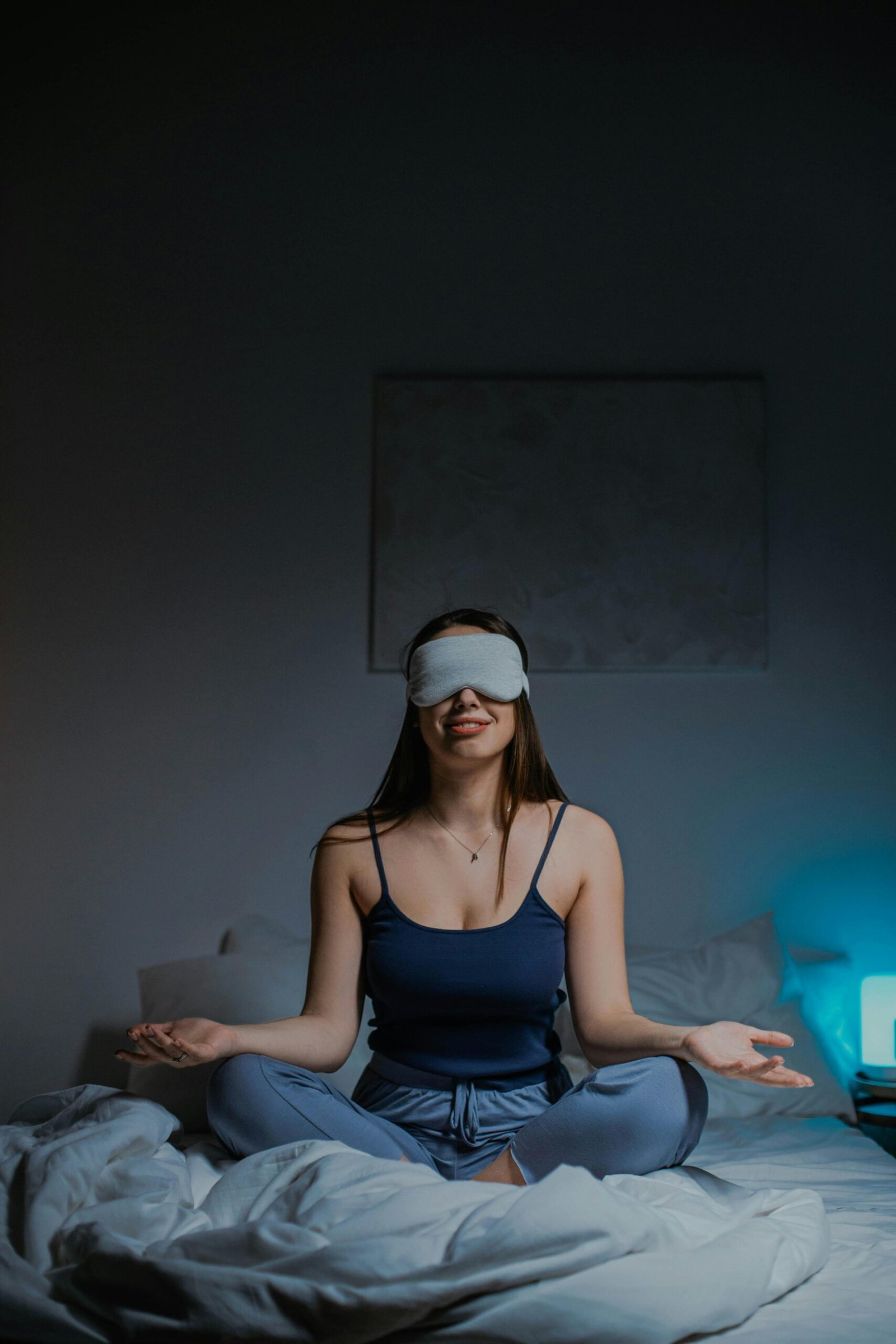
Why Your Brain Won’t Switch Off at Night (And What to Do About It)
Struggling to fall asleep is one of the most frustrating experiences modern life has to offer — and you’re far from alone. Sleep meditation techniques have helped millions of people quiet racing thoughts and drift off faster, and the science behind them is more compelling than ever. Whether you lie awake replaying the day’s events, feel anxious about tomorrow, or simply can’t seem to power down, this guide will walk you through the most effective evidence-based approaches available in 2026.
According to the American Sleep Association, approximately 70 million Americans experience chronic sleep problems, with similar rates reported across the UK, Canada, Australia, and New Zealand. A 2025 meta-analysis published in Sleep Medicine Reviews found that mindfulness-based relaxation practices reduced sleep onset time by an average of 20 minutes in adults with insomnia — a significant finding that has reshaped how sleep clinicians approach treatment. And perhaps most encouragingly, these techniques cost nothing, carry no side effects, and can be practised anywhere.
The key is understanding why your brain resists sleep in the first place. Your nervous system has two modes: the sympathetic (fight-or-flight) and the parasympathetic (rest-and-digest). Most of us spend our evenings inadvertently keeping our sympathetic nervous system activated — through screens, stress, and stimulating content — and then wonder why sleep won’t come. Sleep meditation works by deliberately engaging the parasympathetic response, slowing your heart rate, relaxing your muscles, and signalling to your brain that the day is truly done.
The Science-Backed Foundation of Sleep Meditation
Before diving into specific techniques, it helps to understand what’s actually happening in your brain and body when meditation supports sleep. Neuroimaging research from the University of California has shown that regular meditation practitioners exhibit reduced activity in the default mode network — the brain region responsible for rumination, self-referential thinking, and the kind of mental chatter that keeps you awake at 2am.
Sleep meditation also works by lowering cortisol, your primary stress hormone. A 2024 study in the Journal of Psychosomatic Research found that participants who practised guided relaxation for just 15 minutes before bed showed a measurable reduction in salivary cortisol compared to those who read or watched television. Lower cortisol creates a hormonal environment where melatonin — your body’s natural sleep signal — can rise more freely.
It’s also worth noting that you don’t need to be an experienced meditator to benefit. Research consistently shows that even beginners experience physiological calming effects within their first few sessions. The techniques below are designed to be accessible, adaptable, and genuinely effective — whether this is your first attempt or you’re refining a practice you’ve had for years.
What Counts as Sleep Meditation?
Sleep meditation is an umbrella term covering several distinct but related practices. These include breath-focused awareness, body scan meditation, visualisation, progressive muscle relaxation, yoga nidra, and loving-kindness meditation. What they share is an intentional shift of attention away from anxious thought and toward present-moment sensory experience — which is precisely the mental environment sleep requires.
Breath-Based Techniques: Your Fastest Route to Calm
Your breath is the most immediate tool you have for influencing your nervous system. Unlike your heart rate or digestion, breathing sits at the intersection of the conscious and unconscious — you can take voluntary control of it, and in doing so, send direct signals to your brain that it’s safe to relax.
The 4-7-8 Breathing Method
Developed and popularised by Dr. Andrew Weil, the 4-7-8 technique has become one of the most widely recommended breathing exercises for sleep. Here’s how to practise it lying in bed:
- Place the tip of your tongue gently behind your upper front teeth and keep it there throughout.
- Exhale completely through your mouth with a soft whooshing sound.
- Close your mouth and inhale quietly through your nose for a count of four.
- Hold your breath for a count of seven.
- Exhale completely through your mouth with a whoosh for a count of eight.
- Repeat this cycle three to four times to begin, working up to eight cycles as the practice becomes comfortable.
The extended exhale is the key mechanism here. When your exhale is longer than your inhale, you stimulate the vagus nerve — the primary pathway of the parasympathetic nervous system — creating a rapid calming effect that can be felt within minutes.
Box Breathing for Racing Thoughts
If you find the 4-7-8 pattern difficult to sustain, box breathing offers a simpler equal-count alternative. Inhale for four counts, hold for four, exhale for four, hold for four. The symmetry of the pattern gives your analytical mind something concrete to focus on, which effectively interrupts the loop of anxious thinking. This technique is used by Navy SEALs to manage high-stress situations — it’s highly effective for quieting a mind that simply won’t stop problem-solving.
Body Scan and Progressive Muscle Relaxation
Physical tension and mental tension are deeply interconnected. Many people carry stress in their bodies without realising it — tight jaw, clenched shoulders, a rigid lower back — and this physical holding pattern sends continuous stress signals back to the brain. Body-based sleep meditation techniques break this cycle by bringing deliberate awareness and release to each part of the body.
How to Practise a Sleep Body Scan
A body scan meditation guides attention slowly and systematically through the body, inviting relaxation without forcing it. To practise:
- Lie on your back in a comfortable position with your arms slightly away from your sides.
- Close your eyes and take three deep, slow breaths to settle.
- Begin at the top of your head. Notice any sensations — warmth, tingling, tightness — without judging them.
- Slowly move your attention downward: forehead, eyes, jaw, neck, shoulders, arms, hands, chest, belly, lower back, hips, thighs, knees, calves, feet, and toes.
- At each area, breathe in and imagine sending warmth to that region; breathe out and let it soften and release.
- If your mind wanders, gently return your attention to wherever you left off. There is no wrong way to do this.
A full body scan typically takes 15 to 20 minutes, though even a 10-minute version before bed produces meaningful relaxation. Many people find they fall asleep partway through — which is absolutely the goal.
Progressive Muscle Relaxation (PMR)
PMR takes the body scan a step further by actively tensing and then releasing muscle groups. This deliberate contrast — tension followed by release — produces a deeper physical relaxation than passive awareness alone. Starting at your feet, curl your toes tightly for five seconds, then release completely and notice the sensation of letting go. Work upward through each muscle group: calves, thighs, buttocks, abdomen, chest, hands, arms, shoulders, and face. Clinical guidelines from the American Academy of Sleep Medicine include PMR as a first-line behavioural treatment for insomnia, underscoring its evidence base.
Visualisation and Guided Imagery for Deep Sleep
If you’re someone who thinks in pictures, visualisation-based sleep meditation may be your most powerful tool. Guided imagery works by occupying the imagination with peaceful, sensory-rich content — effectively crowding out the worries and to-do lists that compete for your attention at night.
Creating Your Mental Safe Haven
The most effective visualisations for sleep are personal, detailed, and multisensory. Here’s a simple framework to build your own:
- Choose a setting that feels instinctively peaceful to you — a quiet beach, a mountain cabin, a sunlit garden, a favourite childhood spot.
- Add sensory detail layer by layer. What do you see? What sounds are present — birdsong, waves, wind in the trees? Is there a scent in the air? What temperature does it feel like against your skin?
- Move through the space slowly, as if you are genuinely there. Notice textures, light, and movement around you.
- Allow yourself to feel safe. There is nothing to do here, nowhere to be, and nothing that needs your attention.
Research from the University of Oxford found that insomnia patients who used imagery distraction — filling the mind with engaging visual scenes — fell asleep an average of 20 minutes faster than those who used general distraction or no technique at all. The richer and more personalised the image, the more effective it tends to be.
Yoga Nidra: Meditation for the Threshold of Sleep
Yoga nidra, sometimes called “yogic sleep,” is a guided practice that systematically moves awareness through the body and mind toward a state of conscious deep relaxation. Unlike conventional meditation, yoga nidra is specifically designed to be practised lying down and to bring you to the hypnagogic state — the borderland between waking and sleeping. A 2023 clinical study found that 30 minutes of yoga nidra produced brainwave patterns similar to deep sleep while participants remained technically conscious, suggesting the practice offers genuine restorative benefits even before sleep begins. Many yoga nidra recordings are freely available through apps and streaming platforms, making this an easily accessible addition to your evening routine.
Building a Consistent Sleep Meditation Practice
The most effective sleep meditation technique is the one you actually use consistently. Research on habit formation suggests that pairing a new behaviour with an existing routine — a concept called habit stacking — dramatically improves follow-through. Consider attaching your sleep meditation to something you already do every night: after brushing your teeth, after dimming the lights, or after your last check of your phone (ideally 30 minutes before bed).
Setting Up Your Environment for Success
Your physical environment either supports or undermines your meditation practice. A few evidence-backed adjustments make a meaningful difference:
- Temperature: The ideal sleep environment sits between 15–19°C (60–67°F). A cooler room signals to your body that it’s time to sleep.
- Light: Blackout curtains or a sleep mask block light that suppresses melatonin. Even small LED lights from devices can interrupt this process.
- Sound: If external noise is a problem, white noise, pink noise, or gentle nature sounds can mask disruptions and support relaxation during meditation.
- Scent: Lavender aromatherapy has modest but consistent evidence supporting its use for sleep — a diffuser or pillow spray can reinforce the ritual quality of your pre-sleep practice.
How Long Before You See Results?
Many people notice improvements in sleep quality within the first week of consistent practice. However, the full benefits of sleep meditation tend to emerge over four to eight weeks of regular use. A 2026 study published in Behavioral Sleep Medicine found that participants who practised mindfulness-based relaxation for eight weeks reduced subjective sleep onset latency by 35% and reported significantly improved sleep quality scores compared to a waitlist control group. Consistency, rather than perfection, is what drives results — even five minutes of intentional relaxation before bed is better than none.
Using Apps and Audio Guides Wisely
Guided sleep meditations through apps like Calm, Headspace, Insight Timer, and Smiling Mind can be enormously helpful — particularly for beginners who find it difficult to self-direct their attention. Use headphones or a small Bluetooth speaker rather than holding your phone, to minimise blue light exposure. Over time, you may find you need less external guidance as the techniques become internalised. The goal is to build an internal resource, not a permanent dependency on any particular recording.
Frequently Asked Questions About Sleep Meditation
How long should I meditate before bed to fall asleep faster?
Even 10 to 15 minutes of sleep meditation before bed can produce measurable reductions in the time it takes to fall asleep. If you’re new to the practice, start with 10 minutes and increase gradually. Some people benefit from longer sessions of 20 to 30 minutes, particularly yoga nidra. What matters most is consistency — nightly practice, even brief, outperforms occasional longer sessions.
Can sleep meditation help with chronic insomnia?
Yes, and significantly so. Mindfulness-based stress reduction (MBSR) and relaxation techniques are now recommended as first-line treatments within Cognitive Behavioural Therapy for Insomnia (CBT-I), which is considered the gold standard approach for chronic insomnia by sleep medicine bodies in the US, UK, Canada, and Australia. Sleep meditation alone may not resolve complex insomnia, but it is a powerful component of any comprehensive approach. If you’ve been experiencing chronic sleep difficulties for more than three months, speaking with a GP or sleep specialist is also advisable.
What if I fall asleep during meditation — does it still count?
Absolutely — falling asleep during sleep meditation is the intended outcome. Unlike daytime mindfulness practice, where the goal is sustained awareness, sleep meditation succeeds the moment you drift off. If you’re practising yoga nidra or a body scan and you don’t remember finishing, that’s a sign it’s working beautifully.
I have anxiety — will meditation make it worse before bed?
For some people with anxiety, particularly those with a tendency toward hyperawareness of bodily sensations, breath-focused meditation can occasionally increase anxious feelings initially. If this resonates with you, visualisation-based techniques or progressive muscle relaxation may be gentler starting points, as they give the mind external content to focus on rather than turning inward. If anxiety is significantly impacting your sleep and daily life, please speak with a mental health professional — meditation works best as part of a broader support approach.
Is there a difference between sleep meditation and mindfulness meditation?
Yes, though they share common roots. Mindfulness meditation is typically practised in an alert, upright position with the goal of cultivating moment-to-moment awareness — you’re not supposed to fall asleep. Sleep meditation borrows many of the same techniques but applies them in a supine position with the explicit intention of transitioning into sleep. The relaxation emphasis is stronger, the pace is slower, and the goal is surrender rather than sustained attention.
Can children and teenagers use sleep meditation techniques?
Absolutely. Sleep meditation is safe and often highly effective for children and adolescents. Simple breath awareness, body scans adapted with age-appropriate language, and visualisation exercises work well for younger users. Several apps specifically designed for children, such as Moshi and Calm Kids, offer guided sleep content appropriate for different age groups. In 2025, the UK’s National Health Service expanded its mental health guidance to formally recommend sleep relaxation techniques for children aged 6 and above experiencing sleep difficulties.
Do I need any special equipment or training to get started?
Not at all. Your breath and your body are all you need. A comfortable bed, a quiet environment, and a willingness to try are genuinely sufficient. Free guided meditations are widely available on YouTube, Spotify, and apps like Insight Timer. If you want structured learning, many community health centres and online platforms offer introductory mindfulness courses — but there is no requirement to complete any training before benefiting from these techniques tonight.
Your Journey to Better Sleep Starts Tonight
You don’t need to overhaul your life to sleep better — you simply need one quiet moment, one conscious breath, and the gentle intention to let the day go. Sleep meditation techniques meet you exactly where you are: anxious, exhausted, or simply in need of a reliable way to transition from the noise of the day into genuine rest. Start with a single technique that resonates with you — whether that’s the 4-7-8 breath, a slow body scan, or a vivid journey to a peaceful imaginary place — and give it a week of consistent practice before deciding whether it’s working. The evidence is clear, the methods are accessible, and the only thing standing between you and better sleep tonight is the decision to begin.
Be patient and kind with yourself through this process. Some nights will feel easier than others, and that’s completely normal. What you’re building is not just a sleep habit — it’s a deeper relationship with your own capacity for calm, one that will serve you well beyond the bedroom.
This article is for informational purposes only and is not a substitute for professional medical advice. If you are experiencing persistent sleep difficulties, anxiety, or other health concerns, please consult a qualified healthcare professional.
Leave a Reply