Blog

  • Napping Benefits and How to Nap Without Ruining Night Sleep

    Napping Benefits and How to Nap Without Ruining Night Sleep

    The Science of Rest: Why Your Body Was Made to Nap

    A well-timed nap can sharpen your focus, lift your mood, and restore your energy — but napping benefits are only yours to keep when you nap the right way, at the right time.

    For decades, napping was dismissed as laziness or a sign of poor nighttime sleep. Today, sleep science tells a very different story. Researchers at NASA, Harvard, and institutions across the UK and Australia have spent years documenting how strategic daytime rest enhances cognitive performance, emotional resilience, and even cardiovascular health. In 2024, a large-scale study published in the journal Sleep Health found that adults who napped regularly — between 10 and 30 minutes — showed a 12% improvement in alertness and sustained attention compared to non-nappers. By 2026, the conversation has shifted from “should I nap?” to “how do I nap smarter?”

    If you’ve ever woken from a nap feeling groggy, disoriented, or wired at midnight, you know that napping without a plan can backfire. This guide walks you through everything you need: the genuine science-backed benefits, the common mistakes that sabotage your night sleep, and a practical, personalised approach to napping that works with your body — not against it.

    What Napping Actually Does to Your Brain and Body

    To understand why napping benefits are so powerful, it helps to understand what’s happening beneath the surface. Sleep — day or night — isn’t passive downtime. It’s an active biological process where your brain consolidates memories, clears metabolic waste, and regulates neurotransmitters that govern mood, focus, and stress response.

    Cognitive Performance and Memory

    Even a brief nap triggers sleep spindles — bursts of neural activity associated with memory consolidation. A landmark study from the University of California found that a 90-minute afternoon nap reversed cognitive overload and restored learning capacity to morning-fresh levels. Shorter naps of 10–20 minutes, rich in lighter sleep stages, deliver a measurable boost in reaction time, working memory, and decision-making without the grogginess of deeper sleep. For students, professionals, parents, and anyone navigating a cognitively demanding day, this is a meaningful edge.

    Emotional Regulation and Stress

    Sleep deprivation amplifies emotional reactivity. When you’re tired, the amygdala — your brain’s alarm system — becomes hyperactive, while the prefrontal cortex, which helps you respond calmly and rationally, loses its regulatory grip. A short nap essentially “resets” this balance. Research published in Nature Neuroscience demonstrated that participants who napped showed significantly reduced emotional reactivity to negative stimuli compared to those who remained awake. If you’ve ever felt disproportionately irritable or anxious in the afternoon, insufficient rest — not personality flaws — is often the culprit.

    Physical Health Markers

    The body benefits too. A 2023 study tracking over 3,000 adults across the UK found that regular short nappers had measurably lower blood pressure in the hours following their rest period, comparable to the effect of reducing salt intake or alcohol consumption. Napping has also been linked to reduced levels of cortisol — the body’s primary stress hormone — and improved immune function. Athletes across professional sports in North America, the UK, and Australia have adopted structured nap protocols as part of their recovery strategy, citing faster muscle repair and improved training outputs.

    The Different Types of Naps and Which One You Actually Need

    Not all naps are created equal. The duration and timing of your nap determine which sleep stages you enter — and that shapes exactly what benefits you’ll receive and how you’ll feel when you wake up.

    The Power Nap (10–20 Minutes)

    This is the gold standard for most working adults. A 10–20 minute nap keeps you in light NREM (non-rapid eye movement) sleep, delivering improved alertness, mood, and motor performance without deep sleep inertia — that heavy, foggy feeling that makes you worse off than before you lay down. NASA research on military pilots found that a 26-minute nap improved performance by 34% and alertness by 100%. For most people navigating a full working day in cities like London, Sydney, Toronto, or New York, this is the nap worth mastering.

    The Recovery Nap (60 Minutes)

    A 60-minute nap reaches slow-wave (deep) sleep, which is especially valuable for physical recovery and declarative memory — the kind that stores facts and knowledge. The trade-off is moderate sleep inertia upon waking. If you know you’ll have 15–20 minutes to shake off grogginess before you need to perform, this nap is highly effective after physically demanding work or a particularly poor night of sleep.

    The Full Cycle Nap (90 Minutes)

    At 90 minutes, you complete one full sleep cycle including REM sleep, which supports emotional memory processing, creativity, and procedural learning. Sleep inertia is minimal because you’re waking at the natural end of a cycle. This nap is best reserved for shift workers, new parents managing sleep debt, or days when night sleep was genuinely inadequate. It requires more time and careful timing to avoid disrupting your night sleep.

    The Caffeine Nap

    A caffeine nap is a clever evidence-backed technique: drink a cup of coffee immediately before napping for 20 minutes. Caffeine takes roughly 20–25 minutes to be absorbed and reach peak effect — meaning it kicks in exactly as you wake up, amplifying alertness beyond what either strategy delivers alone. Studies from Loughborough University in the UK confirmed this method outperformed caffeine alone, napping alone, or simply resting in combating afternoon sleepiness. It sounds counterintuitive, but the timing is everything.

    How to Nap Without Ruining Your Night Sleep

    This is where many people go wrong. The worry that napping will destroy nighttime sleep is not unfounded — done carelessly, it absolutely can. But with the right approach, napping and quality night sleep coexist beautifully. The key variables are timing, duration, and your individual sleep needs.

    The Golden Rule: Nap Before 3 PM

    Your sleep drive — the biological pressure to sleep — builds throughout the day. Napping too late in the afternoon depletes this pressure before bedtime, making it harder to fall asleep at night and reducing the depth of your night sleep. Most sleep researchers recommend keeping naps before 3 PM (or no later than 7–8 hours before your usual bedtime). For someone sleeping at 10:30 PM, a nap ending by 3 PM preserves the sleep drive needed for a smooth, deep night ahead.

    Set an Alarm — Every Single Time

    Oversleeping during a nap is one of the most common ways people sabotage their night sleep. Without an alarm, a planned 20-minute rest easily becomes a 90-minute deep-sleep session that leaves you groggy and unable to fall asleep until midnight. Set your alarm for your target duration plus five minutes to allow yourself to relax and drift off. Don’t rely on willpower or a “feeling” — your sleeping brain has no concept of dinner plans or bedtime.

    Create a Nap-Friendly Environment

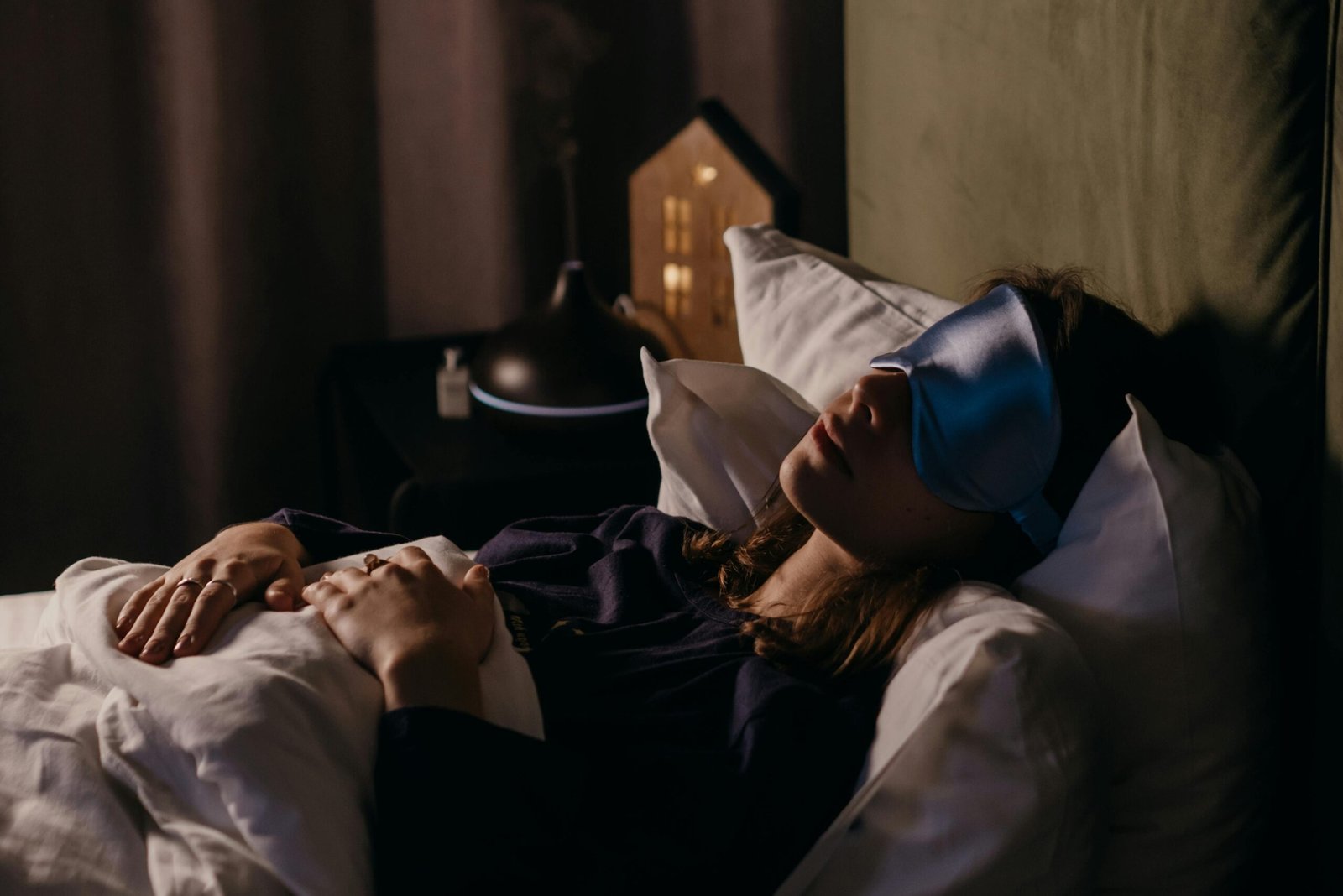
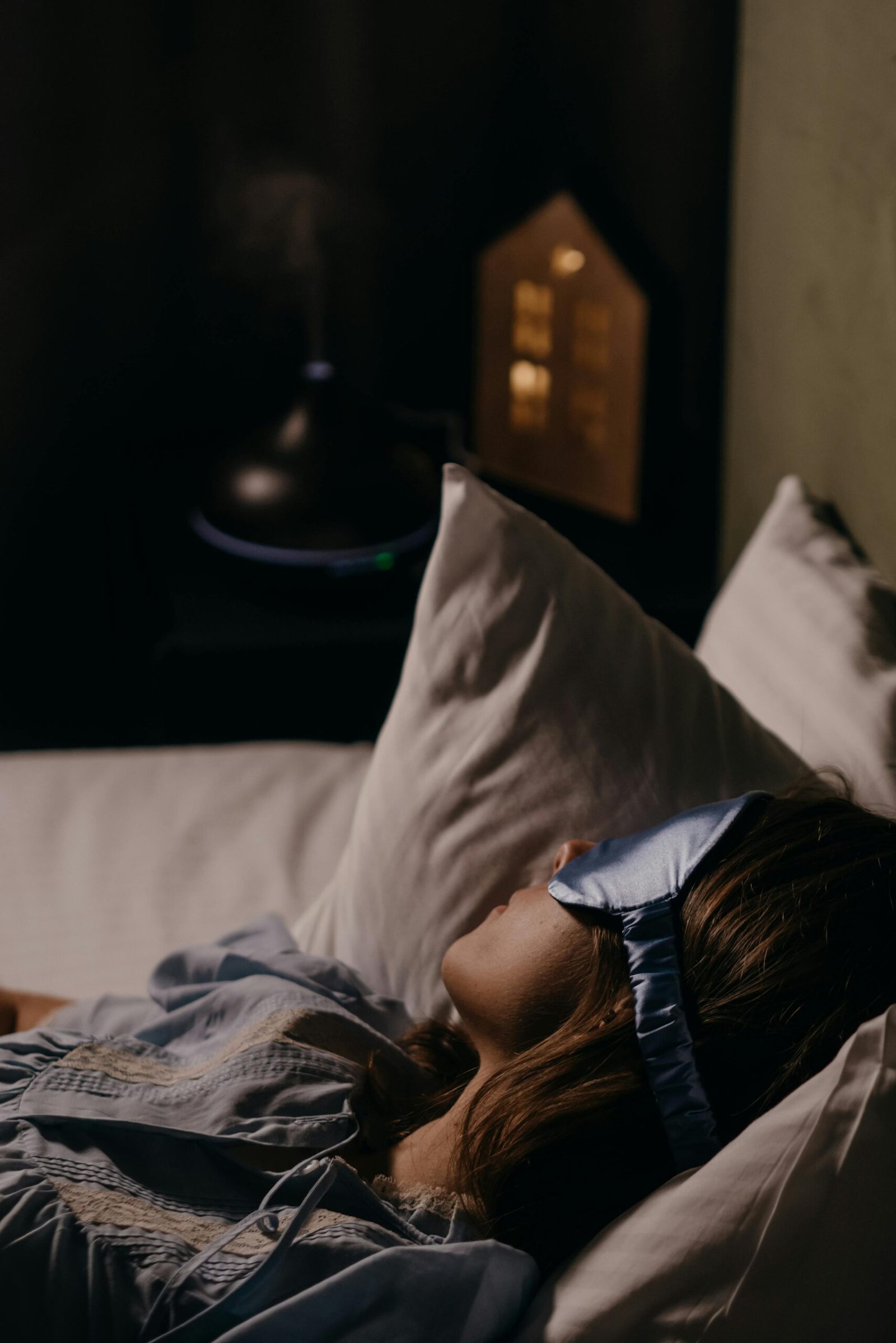
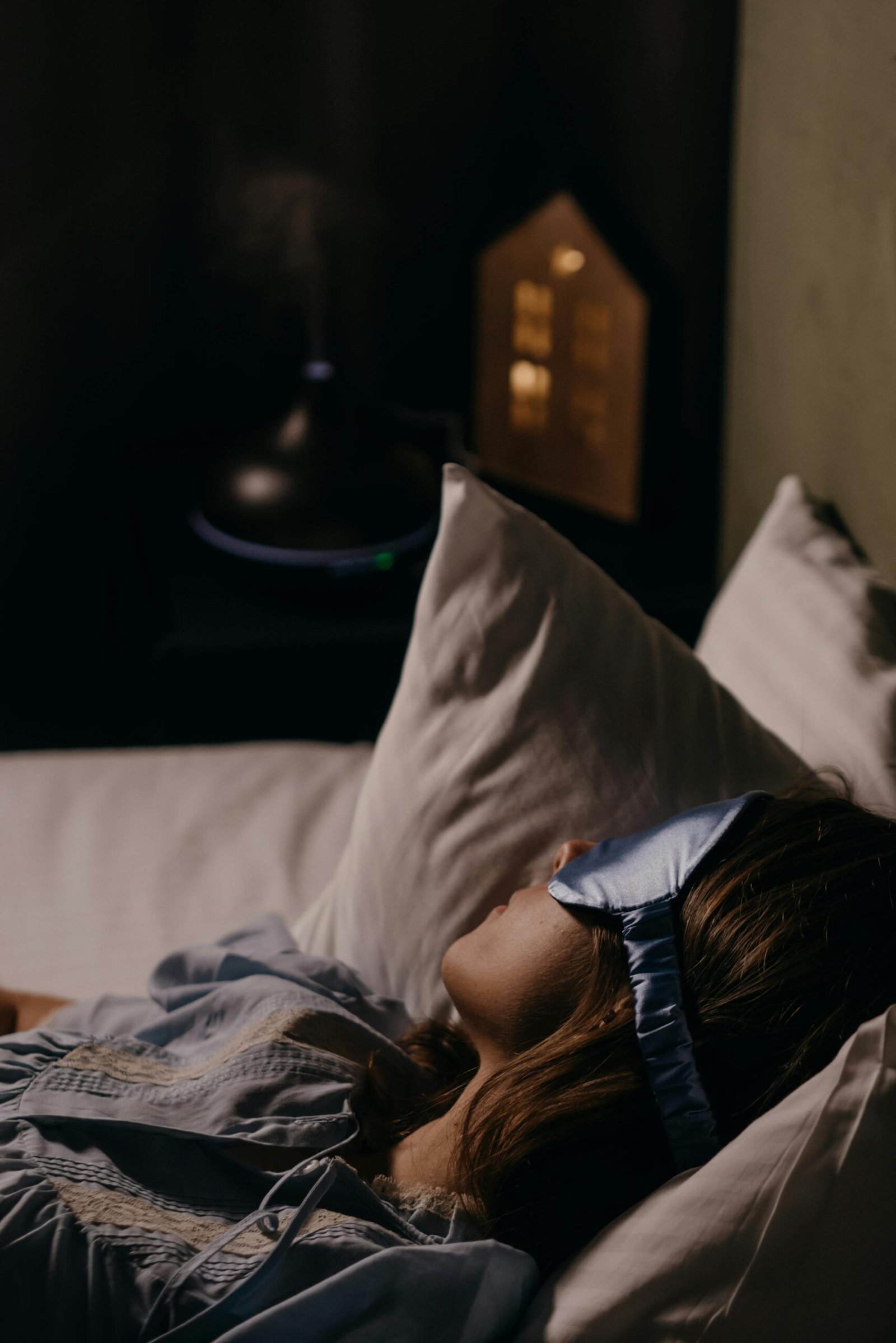
    You don’t need a perfect setup, but a few small adjustments make a significant difference in how quickly you fall asleep and how restorative the nap becomes. Dim the lights or use an eye mask — even brief light exposure during the day suppresses melatonin and delays sleep onset. Use earplugs or white noise if your environment is noisy. Keep a light blanket nearby, as body temperature drops slightly during sleep. If possible, lie down rather than napping upright; horizontal positioning significantly improves sleep quality and speed of onset.

    Watch Your Nap Frequency

    Napping every day isn’t necessary for everyone, and for those with insomnia or sleep maintenance difficulties, daily napping may worsen nighttime sleep quality. If you struggle to fall asleep at night or wake frequently, reduce napping to two or three times per week or eliminate it temporarily while you rebuild consistent night sleep patterns. Think of daytime napping as a supplemental tool — most effective when your nighttime foundation is solid.

    Recognise When a Nap Urge Is a Warning Sign

    If you’re consistently exhausted by midday regardless of how much you slept the night before, a nap addresses the symptom but not the cause. Chronic fatigue can signal sleep disorders such as sleep apnoea (particularly common and underdiagnosed in adults in the US, UK, and Australia), anaemia, thyroid dysfunction, or mood disorders like depression. A short nap is not a substitute for investigating persistent, unexplained tiredness with a healthcare provider.

    Napping for Special Circumstances: Shift Workers, Parents, and Older Adults

    While the principles of smart napping apply broadly, certain groups face unique challenges — and have the most to gain from a tailored approach.

    Shift Workers

    For people working night shifts or rotating schedules — nurses, emergency responders, logistics workers, hospitality staff — conventional napping advice falls apart. When you work nights, your “nighttime” might be 7 AM. Sleep research increasingly supports the use of strategic anchor naps before a night shift and short recovery naps during approved breaks to reduce fatigue-related errors. In safety-critical roles, even a 20-minute nap has been shown to reduce error rates significantly. If you’re a shift worker, speak to an occupational health professional about a personalised nap strategy that accounts for your specific roster.

    New Parents

    The advice to “sleep when the baby sleeps” is clichéd because it’s genuinely evidence-based. Sleep fragmentation — waking multiple times each night — is one of the most cognitively damaging sleep patterns there is, even when total sleep hours seem adequate. New parents in this phase aren’t choosing to nap; they’re managing a genuine medical need. If you’re in this season, napping whenever it’s safely possible is not indulgent — it’s necessary for your health, your functioning, and your ability to care for your child.

    Older Adults

    Sleep architecture changes with age. Adults over 60 naturally experience lighter, more fragmented night sleep and a stronger afternoon dip in alertness. Research from the University of Sydney found that older adults who napped for 30–60 minutes in the early afternoon showed better cognitive performance and lower rates of age-related cognitive decline compared to non-nappers. For this group, regular afternoon napping is a legitimate and beneficial component of overall sleep hygiene — provided it doesn’t push into evening hours.

    Building a Sustainable Nap Routine That Supports Your Wellbeing

    The best napping strategy is one you can maintain consistently — and one that fits your actual life. Here’s a practical framework to get started.

    • Audit your energy: Track your alertness and mood across the day for one week. Most people notice a predictable low point — typically between 1 PM and 3 PM — which aligns with a natural circadian dip. This is your ideal nap window.
    • Choose your duration intentionally: Start with 15–20 minutes and assess how you feel. If you wake refreshed and alert, you’ve found your sweet spot. If you feel groggy, try 90 minutes or simply 10 minutes.
    • Create a brief pre-nap ritual: Even two or three minutes of slow breathing, dimming lights, or using an eye mask signals to your nervous system that it’s time to rest and helps you fall asleep faster.
    • Assess impact on night sleep weekly: If your nighttime sleep quality or sleep onset is worsening, adjust your nap timing earlier or reduce frequency before drawing conclusions.
    • Be compassionate with yourself: Some days you’ll nap too long or at the wrong time. Sleep science is a practice, not a perfect system. One imperfect nap doesn’t derail your overall sleep health.

    Across the US, UK, Canada, Australia, and New Zealand, awareness of sleep as a pillar of mental and physical wellness has grown substantially. Workplaces are beginning to recognise napping not as a productivity threat but as a cognitive investment — some companies now offer dedicated rest spaces for employees. This cultural shift reflects what the science has been saying for years: rest is not the enemy of performance. It’s the foundation of it.

    This article is for informational purposes only and is not a substitute for professional medical advice. If you have concerns about your sleep health, please consult a qualified healthcare provider.

    Frequently Asked Questions About Napping Benefits and Sleep

    How long should a nap be for maximum benefit?

    For most adults, a 10–20 minute nap delivers the best balance of cognitive and mood benefits with minimal grogginess. This duration keeps you in light sleep stages, meaning you wake feeling refreshed rather than disoriented. If you have more time and a genuine sleep debt to recover from, a 90-minute nap — completing a full sleep cycle — is the next best option because it minimises sleep inertia by waking you at the natural end of the cycle.

    Will napping make it harder to sleep at night?

    It can — but only if you nap too long, too late, or too frequently. Naps taken before 3 PM and kept under 30 minutes typically have minimal impact on night sleep for healthy adults. If you’re finding that napping consistently disrupts your night sleep, try reducing nap duration, moving your nap earlier, or limiting napping to two or three times per week. People with insomnia are often advised to avoid napping temporarily while re-establishing their night sleep rhythm.

    Is it normal to feel groggy after a nap?

    Yes — this is called sleep inertia, and it’s a completely normal physiological response, particularly after naps of 30–60 minutes that dip into deeper slow-wave sleep without completing a full cycle. The grogginess typically resolves within 10–20 minutes. To reduce sleep inertia, stick to naps under 20 minutes or over 90 minutes, and give yourself a few minutes to gently transition back to activity after waking rather than jumping up immediately.

    What is the best time of day to nap?

    The ideal nap window for most people is between 1 PM and 3 PM, which aligns with the natural post-lunch circadian dip in alertness. This timing is far enough from both morning waking and typical bedtimes to preserve your night sleep drive. Your specific optimal window may shift slightly depending on whether you’re a morning person or night owl — a natural night owl may find their dip closer to 2–3 PM, while early risers may experience it closer to noon.

    Can napping replace lost night sleep?

    Napping can partially offset the cognitive and mood effects of a poor night’s sleep, but it doesn’t fully replace the restorative functions of consolidated night sleep — particularly deep slow-wave sleep and REM sleep, which occur in their greatest proportions in the later hours of a full sleep cycle. Think of napping as a helpful bridge, not a complete solution. Consistently using naps to compensate for chronic sleep deprivation without addressing the underlying cause can perpetuate a cycle of fragmented sleep and fatigue.

    Are there people who shouldn’t nap?

    People with insomnia disorder — characterised by difficulty falling or staying asleep at night — are often advised to limit or avoid napping, particularly during treatment using Cognitive Behavioural Therapy for Insomnia (CBT-I). Daytime napping can reduce sleep pressure, making it harder to consolidate sleep at night. Beyond insomnia, most healthy adults benefit from napping when done correctly. If you have a medical condition affecting your sleep, discuss whether napping is appropriate with your doctor or sleep specialist.

    Do napping benefits apply to children and teenagers?

    Absolutely. Young children require significantly more sleep than adults, and napping remains biologically essential throughout early childhood. For school-age children and teenagers, napping can meaningfully improve learning, memory consolidation, and emotional regulation — particularly given how early school start times in many countries conflict with adolescent circadian rhythms. Research consistently shows that teenagers who supplement reduced night sleep with afternoon naps perform better academically and show improved mood compared to those who do not. Timing and duration principles remain similar: keep naps early and short to avoid disrupting night sleep.

    Your Rest Is Worth Protecting

    Understanding the napping benefits available to you — and learning to harness them without undermining your night sleep — is one of the most practical, accessible investments you can make in your mental and physical wellbeing. You don’t need expensive supplements, complicated routines, or perfect circumstances. You need a quiet 20 minutes, a little knowledge, and permission to rest without guilt.

    Whether you’re a busy professional in Toronto, a new parent in Auckland, a shift worker in Birmingham, or a student in Melbourne, your body carries the same ancient, elegant need for rest that humans have always had. That need doesn’t disappear because the world moves fast — it becomes more important. Start small: try one intentional, timed nap this week and notice how your afternoon unfolds. Your brain, your mood, and your night sleep may all thank you for it. At The Calm Harbour, we believe rest isn’t a luxury — it’s a right. And you deserve to feel well.
  • How to Create a Bedroom Environment That Promotes Sleep

    How to Create a Bedroom Environment That Promotes Sleep

    Your Bedroom Could Be Sabotaging Your Sleep (Here’s How to Fix It)

    The quality of your sleep is deeply influenced by the space where you sleep — and transforming your bedroom into a genuine sanctuary can be one of the most powerful, science-backed changes you make for your mental and physical health in 2026. Whether you’re lying awake for hours, waking throughout the night, or simply never feeling truly rested, your environment may be playing a bigger role than you realize. This guide walks you through everything you need to know about how to create a bedroom environment that promotes sleep, with practical, evidence-based strategies you can start using tonight.

    Sleep researchers have long understood that our surroundings send powerful signals to our nervous system. A 2024 study published in Sleep Medicine Reviews found that environmental sleep interventions — adjustments to light, temperature, noise, and bedroom organization — improved sleep quality scores by up to 42% in participants who had previously reported chronic sleep difficulties. That’s a remarkable improvement, and it doesn’t require a prescription or a renovation budget.

    Think of your bedroom the way a thoughtful hotel designs its best suite: every detail is intentional, every element is chosen to help the body and mind transition into deep, restorative rest. You deserve that same intentionality in your own home.

    This article is for informational purposes only and is not a substitute for professional medical advice.

    The Science of Sleep Environments: Why Your Bedroom Design Matters

    Before diving into specific changes, it helps to understand why your bedroom environment has such a profound effect on your sleep. The human brain contains a master biological clock — the suprachiasmatic nucleus — that regulates your circadian rhythm. This internal clock responds to environmental cues called zeitgebers (German for “time-givers”), including light, temperature, and even sound. When your bedroom environment sends the right cues at the right times, your body naturally prepares for deep sleep. When it sends mixed or disruptive signals, sleep quality suffers.

    Your brain also forms strong associations between places and behaviors — a concept psychologists call stimulus control. If your bedroom is where you work, scroll social media, argue with a partner, or watch stressful news, your brain starts to associate that space with alertness rather than rest. Conversely, a bedroom consistently used only for sleep and intimacy becomes a powerful cue for sleepiness itself.

    The American Academy of Sleep Medicine recommends that adults aim for seven or more hours of sleep per night, yet a 2025 Gallup survey found that 36% of adults in English-speaking Western nations report regularly getting less than six hours — a figure that has barely shifted despite growing public awareness of sleep’s importance. Environmental redesign offers a practical, accessible path forward for millions of people.

    Mastering Light: The Single Most Powerful Sleep Trigger

    Light is your circadian rhythm’s primary regulator. Getting light exposure right — both reducing it at night and welcoming it in the morning — is arguably the highest-leverage change you can make when learning how to create a bedroom environment that promotes sleep.

    Blocking Out the Light That Disrupts Sleep

    Our bodies evolved to sleep in genuine darkness. Even modest light exposure during sleep — from street lamps bleeding through curtains, electronic standby lights, or a partner’s phone screen — can suppress melatonin production and fragment sleep architecture. A 2023 study from Northwestern University found that sleeping in even moderately lit conditions (around 100 lux, equivalent to a dim nightlight) increased insulin resistance and elevated heart rate the following day, suggesting systemic physiological disruption beyond just drowsiness.

    • Invest in blackout curtains or blinds: Look for curtains rated at 99–100% light blockage. This single investment consistently ranks as one of the most cost-effective sleep improvements.
    • Cover or remove LED indicators: Use electrical tape or small blackout stickers to cover the tiny standby lights on TVs, chargers, routers, and other devices.
    • Consider a sleep mask: If blackout window treatments aren’t feasible, a well-fitting, contoured sleep mask provides a practical alternative.
    • Switch to warm-toned bulbs: In your bedroom and bathroom, replace cool-white LED bulbs (5000K+) with warm, amber-toned options (2700K or lower) to minimize blue light exposure in the hours before bed.

    Morning Light for a Healthier Sleep Cycle

    Paradoxically, getting bright natural light in the morning is just as important as avoiding it at night. Morning light exposure anchors your circadian rhythm, helping you feel alert during the day and genuinely sleepy at an appropriate bedtime. Open your curtains fully upon waking, or consider a dawn simulator alarm clock that gradually brightens your room before your wake time — particularly valuable during short winter days in higher-latitude locations like Canada, the UK, and New Zealand.

    Temperature, Sound, and Air Quality: The Hidden Sleep Disruptors

    Light often gets the most attention, but temperature, noise, and air quality are equally critical components of a sleep-promoting bedroom. Addressing all three together creates the complete sensory environment your nervous system needs to feel safe enough to truly let go into sleep.

    Finding Your Optimal Sleep Temperature

    Core body temperature naturally drops by 1–2°C as part of the sleep initiation process. A cooler bedroom supports and accelerates this drop. Sleep scientists generally recommend a bedroom temperature between 15.6°C and 19.4°C (60–67°F) for optimal sleep, with slight variation based on personal preference, age, and whether you share a bed.

    • Use breathable, natural-fiber bedding (cotton, linen, or bamboo) to help regulate body temperature throughout the night.
    • If you tend to sleep hot, a cooling mattress topper or moisture-wicking sleepwear can make a significant difference.
    • If heating costs are a concern, a slightly warmer room combined with lighter bedding and good ventilation achieves a similar effect.
    • A warm bath or shower 60–90 minutes before bed is a research-backed technique — it paradoxically lowers core body temperature through post-bath heat dissipation, helping signal the brain that it’s time for sleep.

    Managing Noise for Deeper, Unbroken Sleep

    Noise disrupts sleep even when it doesn’t fully wake you. Traffic, neighbors, partners’ snoring, and urban background noise all trigger micro-arousals — brief shifts to lighter sleep stages that leave you feeling unrested even after a full night in bed. Strategies to address noise include:

    • White noise machines or apps: Steady broadband noise masks sudden acoustic spikes that trigger arousals. In 2026, several apps now offer personalized soundscapes calibrated to your sensitivity profile.
    • Pink noise: Research from 2023 published in Frontiers in Human Neuroscience suggests pink noise (lower-frequency than white noise) may enhance slow-wave deep sleep and memory consolidation.
    • Earplugs: High-quality foam or moldable silicone earplugs remain one of the simplest, most effective tools for light sleepers or those with noisy partners.
    • Heavy curtains and rugs: Beyond their light-blocking function, heavy fabrics absorb and dampen sound within the room, reducing both external intrusion and echo.

    Air Quality and Humidity

    Breathing clean, well-humidified air throughout the night matters more than most people realize. Dry air irritates airways and can worsen snoring, while stuffy rooms with elevated CO2 from poor ventilation reduce sleep quality and morning alertness. Aim to keep bedroom humidity between 40–60%. A small HEPA air purifier with a carbon filter reduces allergens, dust mites, and volatile organic compounds — particularly useful for allergy sufferers. Cracking a window slightly (where safe and feasible) introduces fresh air and helps regulate both temperature and CO2 levels.

    Designing Your Space: Layout, Clutter, and the Psychology of Rest

    The physical arrangement and visual feel of your bedroom communicate directly with your nervous system. Learning how to create a bedroom environment that promotes sleep means thinking about design not as aesthetics for others, but as a functional tool for your own wellbeing.

    Reducing Visual Clutter

    Clutter creates cognitive load — your brain registers unfinished business and unresolved tasks even when you’re consciously trying to wind down. A 2015 study from St. Lawrence University found that people who slept in cluttered bedrooms were significantly more likely to have sleep problems and more negative associations with sleep than those in tidier spaces. While this research is a decade old, its findings align consistently with ongoing research into stress and environmental psychology.

    You don’t need a minimalist showroom. You need a space where your eyes can rest without landing on reminders of work, obligations, or disorder. Start with:

    • Removing or concealing work materials, laptops, and office paperwork from the bedroom entirely.
    • Using storage solutions that keep surfaces clear — under-bed storage, a bedside table with drawers, or a wardrobe organizer.
    • Keeping only items in the bedroom that are associated with sleep, rest, reading, or relaxation.

    Color, Texture, and Sensory Comfort

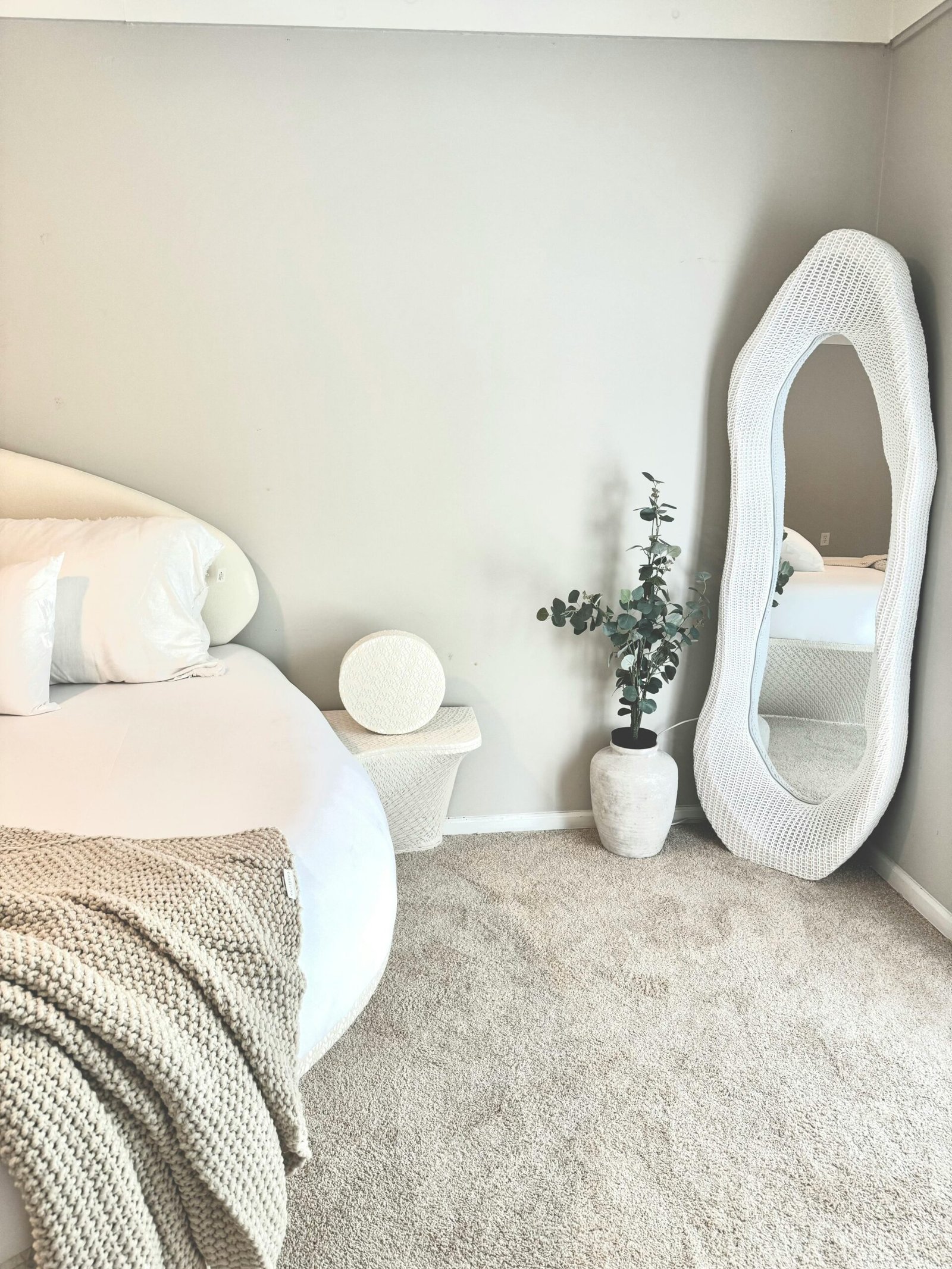
    Cooler, muted colors — soft blues, sage greens, warm neutrals — have been consistently associated with lower resting heart rate and subjective feelings of calm. While personal preference matters, avoiding highly saturated, energizing colors (bright reds, oranges, or stark white with cool undertones) on your walls and bedding is a low-effort adjustment worth considering. Layer soft textures — plush rugs, a weighted blanket, quality pillows — to create a sensory environment that feels genuinely inviting and comforting.

    Bed Placement and Feng Shui Principles with a Modern Lens

    You don’t need to follow traditional feng shui to benefit from its underlying logic. Placing your bed so you can see the door without being directly in line with it creates a subtle but real sense of psychological safety — your nervous system can relax when it doesn’t feel exposed or startled by movement. Keeping the area under the bed clear (or using sealed storage containers rather than chaotic piles) also removes a subtle source of visual and psychological disorder.

    Technology and the Bedroom: Creating Healthy Boundaries

    Smartphones, tablets, and televisions are among the most common — and most damaging — bedroom intrusions. Blue light from screens suppresses melatonin production, but the more significant issue may be psychological: social media, news, and even entertainment keep your brain in an activated, evaluative state that is neurologically incompatible with sleep onset.

    A 2025 study from Oxford’s sleep research center found that individuals who kept their phones out of the bedroom fell asleep an average of 22 minutes faster and reported 19% better sleep quality than matched controls who kept devices at the bedside, even controlling for actual screen use time. The mere presence of the device — and the implicit availability it creates — appears to affect cognitive arousal.

    Practical Technology Boundaries

    • Charge devices outside the bedroom: Use a dedicated charging station in a hallway or living area. A traditional alarm clock replaces the phone’s alarm function cleanly.
    • Implement a technology curfew: Aim to stop using all screens 60–90 minutes before your target sleep time. Replace screen time with reading physical books, light stretching, journaling, or a calming podcast through a smart speaker (audio-only).
    • Use blue light blocking glasses: If screens in the evening are unavoidable, blue-light-filtering glasses from 2–3 hours before bed provide partial mitigation.
    • Enable night mode settings thoughtfully: While device night modes reduce blue light somewhat, they should be considered a supplement to behavioral limits, not a substitute.

    Scent, Routine, and the Final Sensory Touches

    The last layer of a truly sleep-optimized bedroom involves engaging your sense of smell and embedding your environment within a consistent nightly routine. These elements may seem small, but they work through powerful neurological conditioning mechanisms.

    Using Scent as a Sleep Cue

    The olfactory system has a uniquely direct connection to the brain’s limbic system — the region governing emotions and memory. Lavender essential oil is the most widely studied sleep-promoting scent, with multiple trials demonstrating reductions in anxiety, improvements in sleep quality, and increased slow-wave sleep duration. A 2022 meta-analysis in the Journal of Alternative and Complementary Medicine confirmed lavender aromatherapy’s statistically significant positive effect on sleep quality across diverse populations. Use a diffuser, a linen spray, or a sachet near your pillow to introduce a consistent scent cue that your brain learns to associate with sleep.

    Building a Pre-Sleep Ritual That Anchors the Space

    Your bedroom environment is most powerful when embedded within a consistent pre-sleep routine. The routine itself becomes a behavioral cue — signaling to your brain that sleep is approaching. This might include dimming lights an hour before bed, performing a brief skincare or hygiene routine, five minutes of gentle stretching or breathing exercises, and reading in bed for 20–30 minutes. Consistency is key: doing this sequence at the same time each night accelerates your brain’s conditioned response and shortens sleep onset time over the course of weeks.

    Understanding how to create a bedroom environment that promotes sleep is ultimately about working with your biology rather than against it — building a space and a rhythm that your nervous system genuinely recognizes as safe, calm, and ready for rest.

    Frequently Asked Questions

    What is the single most important change I can make to my bedroom for better sleep?

    If you can only make one change, focus on darkness. Installing blackout curtains and covering electronic standby lights to create near-total darkness has the most consistent and significant impact on melatonin production and overall sleep quality. Light suppression at night is the foundation on which all other sleep environment improvements build.

    What temperature should my bedroom be for the best sleep?

    Sleep researchers recommend keeping your bedroom between 15.6°C and 19.4°C (60–67°F) for optimal sleep. Your body needs to drop its core temperature to initiate and maintain deep sleep, and a cool room supports that process. If you share a bed with someone who runs hotter or colder, breathable bedding layers allow individuals to regulate their own comfort without compromising the other person’s sleep.

    Does it really matter if I keep my phone in the bedroom?

    Yes — more than most people expect. Beyond blue light effects, the psychological availability of your phone keeps your brain in a lighter, more vigilant state. A 2025 Oxford study found people fell asleep 22 minutes faster and reported nearly 20% better sleep quality simply by moving their phone to another room for charging. This is one of the most cost-free, high-impact changes available.

    Can a weighted blanket actually improve sleep?

    For many people, yes. Weighted blankets (typically 5–12% of body weight) provide deep pressure stimulation that activates the parasympathetic nervous system, reducing cortisol and increasing serotonin. Multiple studies support their use for anxiety-related sleep difficulties and restlessness. They may not be appropriate for everyone, including young children, people with certain respiratory conditions, or those who feel uncomfortably restricted — personal comfort should always guide the choice.

    How do I reduce noise if I can’t afford soundproofing or a white noise machine?

    Several free or very low-cost options work well. Foam earplugs (available for under $5 at most pharmacies) are highly effective for many sleepers. Free white noise, rain, or pink noise streams are available on YouTube, Spotify, and sleep apps at no cost. Heavy curtains and a thick rug on the floor both absorb sound meaningfully. Even placing a rolled towel along the bottom of a bedroom door noticeably reduces hallway noise intrusion.

    How long does it take to see improvements after changing my bedroom environment?

    Many people notice improvements — particularly in sleep onset time and how rested they feel upon waking — within the first one to two weeks of making consistent environmental changes. Changes like blackout curtains and temperature adjustments can have an almost immediate effect. Building consistent pre-sleep routines takes longer, typically three to four weeks of repetition before the conditioned response becomes reliably strong. Be patient with yourself: sleep habits are deeply ingrained, and steady, consistent effort yields the best long-term results.

    What should I do if I’ve optimized my bedroom but still can’t sleep well?

    Environmental optimization is a powerful tool, but it isn’t a complete solution for everyone. If you’ve made the changes outlined here and continue to struggle significantly with sleep, please speak with your primary care physician or a sleep specialist. Conditions such as sleep apnea, restless legs syndrome, anxiety disorders, and depression all affect sleep profoundly and respond best to professional assessment and treatment. Cognitive Behavioral Therapy for Insomnia (CBT-I) is also considered the gold-standard first-line treatment for chronic insomnia and is now widely available through both in-person clinicians and digital platforms across the USA, UK, Canada, Australia, and New Zealand.

    Your bedroom is more than four walls and a mattress — it’s the foundation of your nightly recovery, your mental resilience, and your capacity to show up fully in your waking life. Every thoughtful change you make to that space is an act of genuine self-care, and you deserve to experience the kind of deep, restorative sleep that makes everything else in life feel more manageable. Start with one change tonight — whether that’s drawing the blackout curtains, turning your phone face-down in another room, or simply lowering the thermostat a couple of degrees — and build from there. Rest well. You’ve earned it.

  • Sleep Disorders and Their Impact on Mental Health

    Sleep Disorders and Their Impact on Mental Health

    When Rest Becomes a Struggle: Understanding the Sleep-Mental Health Connection

    Sleep disorders affect an estimated 70 million Americans alone, and their ripple effects on mental health are profound, measurable, and — importantly — treatable. If you’ve ever spent a night tossing and turning only to face the next day feeling anxious, emotionally raw, or unable to concentrate, you already know intuitively what researchers have spent decades confirming: sleep and mental health are deeply, inseparably linked. This isn’t a one-way street either. Poor sleep can trigger or worsen mental health conditions, and mental health struggles can make restful sleep feel impossibly out of reach. Understanding this relationship is the first step toward breaking the cycle — and that’s exactly what this article is here to help you do.

    Whether you’re navigating insomnia, sleep apnea, restless legs syndrome, or simply waking at 3 a.m. with a mind that won’t quiet down, this guide will walk you through the science, the symptoms, the mental health impacts, and the practical steps you can take to reclaim your nights — and your wellbeing.

    This article is for informational purposes only and is not a substitute for professional medical advice.

    The Landscape of Sleep Disorders in 2026

    Sleep disorders have reached what the World Sleep Society now describes as a global health epidemic. Across the USA, UK, Canada, Australia, and New Zealand, clinicians are reporting record numbers of patients seeking help for chronic sleep difficulties — a trend that accelerated through the early 2020s and has yet to plateau. In fact, a 2025 global sleep health report found that nearly 1 in 3 adults in English-speaking Western nations report experiencing clinically significant sleep problems at least three nights per week.

    The Most Common Sleep Disorders

    Understanding what kind of sleep disorder you might be dealing with is crucial, because each comes with its own relationship to mental health:

    • Insomnia: The most prevalent sleep disorder, characterised by difficulty falling asleep, staying asleep, or waking too early. Chronic insomnia affects roughly 10–15% of adults and is strongly associated with depression and anxiety disorders.
    • Obstructive Sleep Apnea (OSA): A condition where the airway partially or fully collapses during sleep, causing repeated breathing interruptions. OSA affects approximately 1 billion people worldwide and is closely linked to depression, cognitive decline, and mood instability.
    • Restless Legs Syndrome (RLS): An uncomfortable urge to move the legs, often accompanied by crawling or tingling sensations, that worsens at night and disrupts sleep onset. Research links RLS to higher rates of anxiety and depression.
    • Narcolepsy: A neurological disorder causing excessive daytime sleepiness and, in some cases, sudden muscle weakness (cataplexy). People with narcolepsy have significantly elevated rates of depression and social anxiety.
    • Circadian Rhythm Disorders: Misalignments between an individual’s internal body clock and the external environment — increasingly common with shift work and technology use — are robustly associated with mood disorders and bipolar spectrum conditions.
    • Parasomnias: Abnormal behaviours during sleep, including sleepwalking, night terrors, and REM sleep behaviour disorder. These are frequently associated with PTSD, anxiety, and certain neurological conditions.

    Who Is Most at Risk?

    While sleep disorders can affect anyone, certain populations carry a higher burden. Women are nearly twice as likely as men to experience insomnia over their lifetime, partly due to hormonal fluctuations. Adolescents and young adults are disproportionately affected by circadian rhythm disruptions. Older adults face elevated risks of sleep apnea and fragmented sleep. And across all demographics, those living with chronic stress, trauma histories, or pre-existing mental health conditions face compounded vulnerability.

    How Sleep Disorders Damage Mental Health — The Science Explained

    It would be easy to assume that feeling grumpy after a bad night’s sleep is just a minor inconvenience. The neuroscience tells a far more urgent story. Sleep is not passive downtime — it is an active, highly organised biological process during which your brain consolidates memories, clears metabolic waste, regulates emotional responses, and resets the hormonal systems that govern your mood and stress resilience.

    The Brain on Sleep Deprivation

    A landmark study published in Nature Neuroscience found that sleep-deprived individuals showed a 60% increase in amygdala reactivity — the brain region responsible for processing fear and threat. What this means in practical terms is that without adequate sleep, your brain becomes significantly more emotionally reactive, more prone to perceiving neutral situations as threatening, and less able to access the prefrontal cortex — the rational, reasoning part of your brain that helps you respond rather than react.

    This neurological shift explains why sleep disorders and mental health problems so frequently co-occur. Chronic sleep deprivation essentially holds the brain in a state that mimics — and eventually produces — anxiety and depression. The stress hormone cortisol, which should peak in the morning and taper off through the day, becomes dysregulated with poor sleep, leaving sufferers in a physiological state of chronic low-grade stress.

    The Bidirectional Relationship

    Here’s where it gets particularly important to understand: the relationship between sleep disorders and mental health conditions is bidirectional. Depression frequently causes hypersomnia (sleeping too much) or insomnia. Anxiety floods the mind with racing thoughts that make sleep onset nearly impossible. PTSD is so strongly linked to sleep disruption that nightmares and hyperarousal are considered hallmark symptoms.

    At the same time, chronic insomnia is now recognised as an independent risk factor for developing major depressive disorder — not just a symptom of it. A 2024 meta-analysis involving over 170,000 participants found that individuals with persistent insomnia were 2.5 times more likely to develop depression within a two-year follow-up period compared to those who slept well. This bidirectionality is why treating sleep in isolation, or treating mental health conditions without addressing sleep, so often produces incomplete results.

    Cognitive and Emotional Consequences

    Beyond the biochemical, sleep disorders exact a heavy toll on day-to-day psychological functioning. Cognitive impairments from disrupted sleep include reduced working memory, difficulty sustaining attention, impaired decision-making, and diminished creativity — all of which compound feelings of inadequacy, frustration, and hopelessness. Emotionally, poor sleepers report higher rates of interpersonal conflict, reduced empathy, greater emotional volatility, and decreased ability to experience positive emotions — a state clinicians call “positive affect blunting” that closely resembles depressive symptomatology.

    Specific Mental Health Conditions Linked to Sleep Disorders

    While sleep disruption affects virtually every dimension of mental wellbeing, the links to specific psychiatric conditions are particularly well-established and worth exploring in depth.

    Depression

    Insomnia is present in approximately 75% of people with major depressive disorder. It’s one of the most treatment-resistant symptoms — often persisting even after other depressive symptoms have lifted — and its persistence significantly increases the risk of relapse. What’s particularly striking is that treating insomnia directly, through approaches like Cognitive Behavioural Therapy for Insomnia (CBT-I), has been shown to improve depression outcomes even when depression itself isn’t the primary treatment target.

    Anxiety Disorders

    The relationship between anxiety and sleep disorders is almost heartbreakingly circular. Anxiety causes hyperarousal — a state of physiological and cognitive over-activation that is fundamentally incompatible with sleep onset. The resulting sleep deprivation then amplifies anxiety sensitivity the following day, making the person more anxious, which makes sleep harder the next night. Across generalised anxiety disorder, panic disorder, social anxiety, and health anxiety, disordered sleep is a near-universal companion.

    PTSD

    Sleep disturbance is so central to post-traumatic stress disorder that it is listed as a core diagnostic criterion. Nightmares replaying traumatic events, hypervigilance that prevents the nervous system from downshifting into sleep, and REM sleep disruptions are all hallmarks of PTSD-related sleep pathology. Emerging 2025 research from veteran and civilian trauma populations suggests that effectively targeting sleep in PTSD treatment — through imagery rehearsal therapy, prazosin, or trauma-focused CBT adaptations — substantially improves overall PTSD symptom severity.

    Bipolar Disorder

    Sleep disruption in bipolar disorder deserves special mention because here the relationship is not merely correlational — it appears to be mechanistically causal. Reduced need for sleep is a hallmark warning sign of oncoming mania. Sleep deprivation can actually trigger manic or hypomanic episodes in vulnerable individuals. Maintaining consistent sleep schedules is therefore considered a frontline relapse prevention strategy in bipolar disorder management.

    ADHD and Neurodevelopmental Conditions

    An often-overlooked connection exists between sleep disorders and ADHD. Research published in 2024 found that up to 70% of adults with ADHD experience significant sleep problems — including delayed sleep phase disorder, restless sleep, and insomnia — and that these sleep issues substantially worsen ADHD symptom severity. For many neurodivergent individuals, improving sleep hygiene and addressing underlying sleep disorders can meaningfully reduce daytime executive function difficulties.

    Practical Strategies for Improving Sleep and Protecting Your Mental Health

    Understanding the problem is only valuable if it leads somewhere actionable. The good news is that sleep disorders and their mental health consequences are among the most responsive conditions to both behavioural interventions and professional treatment. Here is a comprehensive, evidence-informed toolkit to begin improving your sleep — and by extension, your mental wellbeing.

    Cognitive Behavioural Therapy for Insomnia (CBT-I)

    CBT-I is now endorsed by the American Academy of Sleep Medicine, the NHS, and mental health organisations across Australia, Canada, and New Zealand as the gold-standard first-line treatment for chronic insomnia — ahead of sleep medication. CBT-I works by identifying and restructuring unhelpful thoughts and behaviours around sleep, using techniques like sleep restriction therapy, stimulus control, and cognitive restructuring. Multiple randomised controlled trials show that CBT-I produces durable improvements in sleep that outlast medication by months and years. Digital CBT-I programmes, increasingly available through healthcare systems and apps, have made this treatment more accessible than ever in 2026.

    Sleep Hygiene — Beyond the Basics

    You’ve likely heard the standard sleep hygiene advice. Here’s a more nuanced, evidence-anchored version:

    • Consistent wake time: Your wake time is the anchor of your circadian rhythm. Keep it consistent — even on weekends — before worrying about your bedtime.
    • Light exposure: Get bright natural light within 30–60 minutes of waking. This is one of the most powerful circadian anchors available, and research shows it measurably reduces cortisol dysregulation and improves sleep quality.
    • Temperature: Your core body temperature needs to drop 1–3 degrees Fahrenheit to initiate sleep. Keep your bedroom cool (around 65–68°F / 18–20°C) and consider a warm bath or shower 60–90 minutes before bed, which paradoxically cools the body afterward.
    • Screen management: It’s not just blue light — it’s the stimulating, emotionally activating content of screens that most disrupts sleep. Create a wind-down buffer of at least 45–60 minutes before bed with low-stimulation activity.
    • Alcohol awareness: While alcohol may initially promote drowsiness, it significantly fragments sleep architecture in the second half of the night, suppressing restorative REM sleep and worsening next-day anxiety and mood.

    Mindfulness, Relaxation, and Nervous System Regulation

    For sleep disruption rooted in hyperarousal — the underlying state in both anxiety-related insomnia and stress-induced poor sleep — nervous system regulation techniques are clinically supported and practically accessible. Mindfulness-Based Stress Reduction (MBSR) has demonstrated significant improvements in sleep quality and mental health outcomes in peer-reviewed trials. Progressive muscle relaxation, diaphragmatic breathing (particularly extended exhale techniques that activate the parasympathetic nervous system), and yoga nidra are all backed by solid evidence and require nothing more than time and practice.

    When to Seek Professional Support

    If sleep difficulties have persisted for more than three months, are occurring at least three nights per week, and are causing meaningful daytime impairment, you meet the clinical threshold for chronic insomnia disorder — and professional assessment is warranted. Similarly, if you snore loudly, wake gasping, or are told you stop breathing during sleep, evaluation for sleep apnea is urgent, as untreated OSA carries serious cardiovascular and psychiatric consequences. Speak to your GP, a sleep specialist, or a mental health professional who incorporates sleep assessment into their practice. You don’t have to figure this out alone.

    Supporting Someone You Love Through Sleep-Related Mental Health Struggles

    If someone close to you is caught in the cycle of poor sleep and deteriorating mental health, your support can be genuinely life-changing — but knowing how to offer it matters. Avoid framing their struggle as a choice or a discipline problem. Sleep disorders are neurobiological conditions, not character flaws. Offer to help them research treatment options, accompany them to a GP appointment, or simply validate that what they’re experiencing is real, exhausting, and deserving of proper care.

    Be mindful that irritability, withdrawal, and emotional dysregulation — common consequences of chronic sleep deprivation — are symptoms, not personal attacks. Patience, consistent presence, and encouraging professional help without pressure are among the most meaningful things you can offer. And don’t neglect your own sleep and mental health in the process; supporting someone through a difficult time is far more sustainable when you’re rested yourself.

    Frequently Asked Questions

    Can sleep disorders cause mental illness, or do they just make existing conditions worse?

    Both. Research now firmly establishes that chronic sleep disorders — particularly insomnia — can independently cause mental health conditions, not merely worsen pre-existing ones. A 2024 meta-analysis found that people with persistent insomnia were 2.5 times more likely to develop depression even with no prior psychiatric history. Sleep disorders can also accelerate the onset of anxiety disorders and contribute to the development of PTSD symptomatology in trauma-exposed individuals. This is why sleep is increasingly viewed as a mental health intervention target in its own right, not just a secondary concern.

    How many hours of sleep do adults actually need for good mental health?

    The consensus from the National Sleep Foundation, the NHS, and equivalent bodies in Australia, Canada, and New Zealand is 7–9 hours for most adults, with meaningful individual variation within that range. What matters almost as much as duration is consistency and quality — fragmented sleep, even if long in duration, fails to deliver the restorative REM and slow-wave sleep stages critical for emotional regulation and memory consolidation. If you consistently feel rested, emotionally regulated, and cognitively sharp after 7 hours, that may be your personal sweet spot. If you’re sleeping 8 hours but waking unrefreshed, quality disruption — potentially from sleep apnea — may be worth investigating.

    Is it safe to use sleep medication long-term for mental health-related insomnia?

    Most sleep medications — including benzodiazepines, Z-drugs like zopiclone and zolpidem, and even antihistamine-based sleep aids — are not recommended for long-term use due to risks of dependence, tolerance, cognitive side effects, and rebound insomnia upon discontinuation. Some newer agents and low-dose antidepressants are used more sustainably in specific clinical contexts under medical supervision. The current best-practice approach, endorsed internationally, is to use CBT-I as the primary treatment and reserve medication for short-term, targeted use under medical guidance. Always discuss the risks and benefits with your prescribing physician.

    What is the connection between nightmares and mental health?

    Nightmares are far more than unpleasant dreams — they are clinically significant phenomena with real mental health consequences. Frequent nightmares are a hallmark feature of PTSD, and they’re also more common in depression, anxiety disorders, and borderline personality disorder. Nightmare disorder — defined as recurrent distressing nightmares causing meaningful daytime impairment — is a diagnosable condition. Beyond PTSD-linked imagery rehearsal therapy, 2025 research has highlighted the efficacy of targeted nightmare treatments including Exposure, Relaxation and Rescripting Therapy (ERRT) and, in some cases, low-dose prazosin under medical supervision.

    Does exercise really improve sleep and mental health, and how much is needed?

    Yes — the evidence is robust. Regular moderate-intensity exercise has been shown to reduce sleep onset latency (how long it takes to fall asleep), increase slow-wave sleep, reduce insomnia severity, and simultaneously improve depression and anxiety symptoms. The mental health and sleep benefits are largely independent, meaning exercise helps each even when controlling for the other. Current guidelines suggest at least 150 minutes of moderate-intensity aerobic activity per week, with some resistance training. Timing matters for some people — vigorous exercise within 1–2 hours of bedtime can delay sleep onset in those with hyperarousal tendencies, though this is highly individual.

    Can improving my sleep actually reduce my anxiety or depression symptoms?

    Increasingly, yes — and this is one of the most clinically exciting findings in recent mental health research. Multiple randomised controlled trials have demonstrated that treating insomnia with CBT-I produces measurable reductions in depression and anxiety symptoms — even without directly targeting those conditions. A landmark study found that insomnia treatment led to remission of comorbid depression in a significant proportion of participants. This doesn’t mean sleep treatment replaces mental health treatment, but it does mean that prioritising sleep is a legitimate and powerful mental health intervention, not a secondary afterthought.

    How do I know if I have a sleep disorder or just bad sleep habits?

    Sleep habits and sleep disorders exist on a spectrum, and the distinction often matters for treatment. A useful clinical rule of thumb: if sleep difficulties have persisted for three or more months, occur at least three nights per week, happen despite adequate opportunity for sleep, and cause meaningful daytime impairment — in mood, cognition, energy, or functioning — that constellation meets the diagnostic criteria for chronic insomnia disorder. Physical symptoms like loud snoring, gasping, leg discomfort, or abnormal behaviours during sleep warrant medical evaluation regardless of duration. If you’re unsure, tracking your sleep with a simple sleep diary for two weeks and sharing it with a healthcare provider is an excellent starting point.

    You Deserve Restful Nights and Healthier Days

    Sleep disorders and their impact on mental health represent one of the most pervasive — and most under-addressed — challenges facing adults today. But here’s what we want you to hold onto as you finish reading this: struggling with sleep is not a personal failure. It is a medical and psychological reality that millions of people navigate every single day, and it is a reality that responds remarkably well to the right support, the right strategies, and the right professional care.

    Whether you’re in the early stages of noticing that sleep isn’t quite right, or you’ve been caught in this exhausting cycle for years, the path forward exists — and it’s more accessible than it’s ever been. Start small if you need to. Try one sleep hygiene adjustment this week. Look into digital CBT-I programmes. Book that GP appointment you’ve been putting off. Reach out to a mental health professional who understands that a good night’s sleep isn’t a luxury — it’s a foundation. At The Calm Harbour, we’re here to walk that path with you, offering evidence-based guidance, compassionate support, and the reassurance that better rest — and better mental health — is within reach. You’ve taken the first step by learning more. The next one is yours to take, and we’ll be right here when you do.

  • How Stress Disrupts Sleep and What to Do About It

    How Stress Disrupts Sleep and What to Do About It

    The Hidden Connection Between Your Racing Mind and Restless Nights

    Stress disrupts sleep in ways most people never fully understand — and in 2026, with burnout rates at record highs, knowing why you lie awake at 2 a.m. could be the first step toward genuine rest. If you’ve ever found yourself staring at the ceiling, replaying tomorrow’s meeting or yesterday’s argument, you already know the cruel irony: the more you need sleep, the harder stress makes it to get any. But this isn’t just about feeling tired. The relationship between stress and sleep is a complex, biological cycle — one that gets worse the longer it goes unaddressed, and one that you absolutely can interrupt.

    This article is your complete guide to understanding exactly what happens in your body when stress steals your sleep, how that lost sleep makes stress worse, and — most importantly — what practical, evidence-based strategies actually work. Whether you’re dealing with work pressure, financial anxiety, relationship strain, or the general hum of modern-day worry, you’ll find something here that helps.

    What Stress Actually Does to Your Body at Night

    To understand why stress disrupts sleep so effectively, you need to understand cortisol — your body’s primary stress hormone. When your brain perceives a threat (real or imagined, physical or emotional), it triggers the hypothalamic-pituitary-adrenal (HPA) axis, releasing cortisol and adrenaline into your bloodstream. This is your fight-or-flight response, and it’s brilliantly designed to keep you alive in a genuine emergency.

    The problem? Your nervous system doesn’t distinguish between a lion in the grass and an unanswered email from your boss. Both register as threats, and both flood your body with the same stress chemicals that are fundamentally incompatible with sleep.

    Cortisol and Your Natural Sleep Rhythm

    Under normal circumstances, cortisol follows a predictable daily rhythm — high in the morning to wake you up, gradually declining through the day, and reaching its lowest point in the evening to allow melatonin (your sleep hormone) to rise. Chronic stress throws this rhythm into chaos. A 2024 study published in the journal Sleep Medicine Reviews found that people with elevated evening cortisol levels took an average of 45 minutes longer to fall asleep and experienced significantly reduced slow-wave sleep — the deep, restorative phase your body depends on for physical repair.

    When cortisol stays elevated at night, it directly suppresses melatonin production. Your brain essentially receives two contradictory signals at once: “it’s time to rest” from your body clock, and “stay alert, there’s danger” from your stress response. In that internal tug-of-war, stress frequently wins.

    The Hyperarousal State

    Beyond hormones, stress creates what sleep researchers call cognitive hyperarousal — an overactive mental state characterised by racing thoughts, repetitive worry, and an inability to mentally disengage from problems. This is why you can feel physically exhausted but mentally wide awake. Your body wants to rest; your mind has other plans. Research from the American Academy of Sleep Medicine suggests that cognitive hyperarousal is the single most common mechanism linking stress to insomnia, present in over 70% of chronic insomnia cases reported in 2025 clinical surveys.

    The Vicious Cycle: How Poor Sleep Amplifies Stress

    Here’s where the relationship between stress and sleep becomes genuinely insidious: sleep deprivation doesn’t just result from stress — it actively generates more of it. Missing even one night of quality sleep increases cortisol levels the following day by up to 37%, according to research from the University of California, Berkeley. This means that the stress that kept you awake last night will feel even more overwhelming today, making tonight’s sleep harder still.

    Sleep loss also impairs the prefrontal cortex — the rational, decision-making part of your brain — while amplifying activity in the amygdala, your brain’s emotional alarm system. The practical result: you’re less equipped to manage stressors logically and more likely to perceive neutral events as threatening. Small problems feel catastrophic. Minor frustrations feel overwhelming. Your resilience, essentially, gets quietly dismantled with every poor night’s sleep.

    Physical Health Consequences You Shouldn’t Ignore

    The stress-sleep cycle doesn’t stay in your head. Chronically disrupted sleep raises blood pressure, suppresses immune function, increases inflammation markers, and disrupts blood sugar regulation. A large-scale 2025 cohort study involving over 80,000 adults across the UK, USA, Canada, and Australia found that individuals reporting stress-related sleep disturbance for more than three months were 2.4 times more likely to develop an anxiety disorder and 1.9 times more likely to experience clinical depression within two years. This isn’t meant to alarm you — it’s meant to motivate you. The cycle is real, it’s measurable, and it demands attention.

    Identifying Your Personal Stress-Sleep Triggers

    Before diving into solutions, it’s worth pausing to understand your specific patterns. Not all stress hits sleep the same way, and personalising your approach dramatically improves your results.

    Types of Stress That Commonly Disrupt Sleep

    • Work and performance stress: Deadline pressure, job insecurity, and performance anxiety tend to peak in the evening as the day’s buffer of busyness falls away, leaving your mind to process unfinished business.
    • Relationship and social stress: Unresolved interpersonal conflict is particularly disruptive to sleep because it activates threat-detection systems deeply tied to social safety and belonging.
    • Financial anxiety: In 2026, with ongoing cost-of-living pressures across English-speaking countries, financial stress is among the most commonly reported sleep disruptors, particularly affecting adults aged 28–45.
    • Health-related worry: Both personal health concerns and health anxiety (fear of illness) activate the HPA axis effectively, keeping the nervous system in a state of alert through the night.
    • Global and news-related stress: Constant exposure to distressing news — a phenomenon researchers now call “doomscrolling fatigue” — creates a sustained low-level stress state that interferes with sleep onset.

    Recognising Your Sleep-Disruption Patterns

    Try keeping a simple sleep journal for two weeks. Note your stress levels each evening (1–10), what you were stressed about, and how your sleep went. Patterns often emerge quickly — perhaps you sleep well on weekends but poorly on Sunday nights, or perhaps certain types of worry (financial vs. relational) affect you differently. This kind of self-knowledge is genuinely powerful because it lets you target your interventions precisely.

    Evidence-Based Strategies to Break the Cycle

    The good news — and there is real good news here — is that the stress-sleep cycle is responsive to intervention. You don’t need to eliminate stress entirely (an impossible goal) to dramatically improve your sleep. You need to reduce your nervous system’s activation level enough at night for sleep to take hold. Here’s how.

    Cognitive and Behavioural Approaches

    Cognitive Behavioural Therapy for Insomnia (CBT-I) remains the gold standard treatment for stress-related sleep disruption. Endorsed by the NHS, the American College of Physicians, and sleep medicine bodies across Australia and Canada, CBT-I works by addressing the thoughts and behaviours that perpetuate insomnia — and it consistently outperforms sleep medication in long-term outcomes. Core CBT-I techniques include:

    • Sleep restriction therapy: Temporarily compressing your sleep window to rebuild sleep drive and reduce the frustration of lying awake in bed for hours.
    • Stimulus control: Reserving your bed strictly for sleep and intimacy to strengthen the mental association between bed and sleep rather than bed and worry.
    • Cognitive restructuring: Identifying and challenging unhelpful thoughts about sleep (such as “if I don’t sleep, tomorrow will be ruined”) that increase anxiety and paradoxically make sleep harder.

    Many CBT-I programmes are now available digitally through apps and NHS-approved platforms, making them accessible without a long waiting list for in-person therapy.

    Physical Wind-Down Techniques

    Your body needs physical signals that the threat period is over. These techniques directly counter the physiological stress response:

    • 4-7-8 breathing: Inhale for 4 counts, hold for 7, exhale slowly for 8. The extended exhale activates the parasympathetic nervous system — your rest-and-digest mode — within minutes. This technique is simple, free, and remarkably effective.
    • Progressive muscle relaxation (PMR): Systematically tensing and releasing muscle groups from feet to face. A 2023 meta-analysis found PMR reduced sleep onset time by an average of 22 minutes in individuals with stress-related insomnia.
    • Cold face immersion: Submerging your face in cold water for 30 seconds triggers the mammalian dive reflex, rapidly slowing heart rate and calming the nervous system. It sounds unusual, but the physiology is solid.
    • Gentle yoga or stretching: Even 10 minutes of restorative yoga in the evening has been shown to lower cortisol levels and improve sleep quality in multiple controlled trials.

    Environmental and Behavioural Sleep Hygiene

    Sleep hygiene gets a bad reputation for being obvious, but the basics genuinely matter — especially when stress is high:

    • Keep your bedroom cool (around 18°C / 65°F is optimal for most adults), dark, and quiet.
    • Maintain consistent sleep and wake times, even on weekends. This anchors your circadian rhythm and makes it far easier to fall asleep at your target time.
    • Eliminate screens for at least 60 minutes before bed — not just for the blue light, but because screens deliver a constant stream of information and emotional stimulation that prevents mental deactivation.
    • Avoid alcohol as a sleep aid. While it accelerates sleep onset, alcohol fragments sleep architecture and suppresses REM sleep, leaving you less rested despite more hours in bed.

    Daytime Stress Management That Pays Off at Night

    Sleep problems are often solved during the day, not just at bedtime. Building genuine stress resilience into your waking hours reduces the cortisol load your body carries into the night.

    • Scheduled worry time: Counterintuitively, setting aside 15–20 minutes in the mid-afternoon specifically for worrying — then firmly deferring intrusive thoughts outside that window — reduces rumination at night. Studies show it decreases pre-sleep cognitive activity significantly.
    • Regular physical exercise: Moderate aerobic exercise (150 minutes per week, per current guidelines) reduces cortisol reactivity, improves mood, and consistently improves sleep quality. Morning or afternoon exercise is preferable; vigorous exercise within 2 hours of bedtime can delay sleep onset for some people.
    • Mindfulness practice: Even brief daily mindfulness meditation (10–15 minutes) reduces HPA axis reactivity over time, meaning stressors produce a smaller physiological response. The effect builds with consistency — it’s not immediate, but it’s reliable.
    • Social connection: Regular, meaningful social interaction buffers the physiological stress response. This isn’t a nice-to-have; it’s a genuine biological mechanism. Isolation amplifies stress; connection contains it.

    When to Seek Professional Support

    Self-help strategies are genuinely powerful, but they have limits. There are clear signals that it’s time to speak with a healthcare professional:

    • Sleep difficulties persisting for more than three weeks despite consistent effort with behavioural strategies
    • Sleep disruption that is significantly affecting your work performance, relationships, or daily functioning
    • Symptoms of anxiety or depression accompanying your sleep problems
    • Suspicion of an underlying sleep disorder such as sleep apnoea (characterised by snoring, gasping, or waking unrefreshed regardless of hours slept)
    • Any thoughts of self-harm or hopelessness — please reach out to a mental health professional or crisis line immediately

    Your GP or primary care physician is a good starting point. In the UK, Australia, and Canada, you can also self-refer to NHS Talking Therapies or equivalent public mental health services. Many private platforms now offer same-week CBT-I therapy via telehealth, which has expanded access enormously in recent years.

    Medication (such as short-term sleep aids or SSRIs for underlying anxiety) may be appropriate in some cases and is best discussed with a doctor who knows your full picture. It’s rarely the first line of defence for stress-related sleep disruption, but it has a place in a comprehensive treatment plan.

    Frequently Asked Questions

    How long does it take to fix stress-related sleep problems?

    It genuinely depends on how long the pattern has been established and which strategies you use. Many people notice improvement within one to two weeks of consistently applying behavioural techniques like stimulus control and relaxation practices. For those with established chronic insomnia, a full course of CBT-I (typically six to eight weeks) produces meaningful, lasting change. The key word is consistency — irregular effort produces irregular results.

    Can supplements like melatonin or magnesium actually help?

    Melatonin is most effective for circadian disruption — jet lag, shift work, or delayed sleep phase — rather than stress-driven insomnia. It can help signal to your body that it’s nighttime, but it won’t reduce cortisol or quiet a racing mind. Magnesium glycinate shows more promise for stress-related sleep disruption: it supports the nervous system’s calming mechanisms and several small trials suggest benefits for sleep quality and anxiety. That said, supplements are not a substitute for addressing the underlying stress drivers, and you should consult your GP before adding any supplement to your routine.

    Is it normal to wake up at 3 a.m. when stressed?

    Very common, yes. Early morning awakening — typically between 2 and 4 a.m. — is a classic signature of stress and anxiety-related sleep disruption. Cortisol naturally begins rising in the early morning hours to prepare you for waking, and when stress levels are elevated, this rise can be premature and sharp enough to pull you out of sleep entirely. The strategies outlined in this article — particularly relaxation techniques, CBT-I, and daytime stress reduction — directly address this pattern.

    Does exercise really improve sleep when you’re stressed?

    Yes, and the evidence is consistent across dozens of studies. Exercise reduces baseline cortisol levels, increases adenosine (the chemical that builds sleep pressure throughout the day), improves mood through endorphin release, and helps regulate the circadian rhythm. Even a brisk 20–30 minute walk has measurable effects on sleep quality. The timing matters for some people — intense evening workouts can delay sleep onset — but for most adults, any exercise is far better than none regardless of when it happens.

    What’s the difference between stress-related insomnia and a sleep disorder?

    Stress-related insomnia is typically reactive — it correlates with identifiable stressors and may resolve when those stressors ease. Sleep disorders such as sleep apnoea, restless leg syndrome, or circadian rhythm disorders have a physiological basis that persists independent of stress levels. The distinction matters because the treatments differ significantly. If you’ve addressed your stress meaningfully but still sleep poorly, or if a partner reports that you stop breathing during sleep, a formal sleep evaluation is warranted. A sleep study (polysomnography) can definitively identify physiological sleep disorders.

    Can anxiety cause permanent sleep problems?

    Anxiety can cause chronic insomnia if the stress-sleep cycle goes unaddressed for an extended period — but “permanent” is rarely the right word. The brain is remarkably adaptable. With appropriate treatment (CBT-I, therapy for underlying anxiety, lifestyle changes), even long-standing stress-related insomnia improves significantly for the vast majority of people. Studies following CBT-I participants show sustained improvements at one and two-year follow-up in most cases. The cycle can be broken at any point — it’s never too late to start.

    Should I stay in bed if I can’t sleep due to stress?

    No — and this is one of the most important behavioural changes you can make. Lying awake in bed for extended periods strengthens the association between your bed and wakefulness and anxiety, making it progressively harder to fall asleep there. If you’ve been awake for more than 20 minutes, sleep specialists recommend getting up, moving to another room, engaging in something calm and low-stimulation (gentle reading, light stretching, quiet music), and returning to bed only when you feel genuinely sleepy. This technique, called stimulus control, is uncomfortable at first but produces lasting improvements in how quickly and reliably you fall asleep.

    You’ve made it to the end of this article — and that itself tells us something meaningful about you. You’re someone who takes your wellbeing seriously, who wants to understand what’s happening in your body and mind rather than just push through. That curiosity and self-compassion are genuinely the foundation of better sleep. The stress-sleep cycle is real and it’s powerful, but so are you. Start with one strategy from this article tonight — just one — and build from there. Small, consistent steps outperform dramatic overhauls every time. Restful nights are not a luxury reserved for people with stress-free lives. They’re something you can work toward, whatever is happening around you. We’re rooting for you.

    This article is for informational purposes only and is not a substitute for professional medical advice, diagnosis, or treatment. Always seek the guidance of your doctor or a qualified mental health professional with any questions you may have regarding a medical condition or mental health concern.

  • The Role of Melatonin in Sleep and Mental Wellness

    The Role of Melatonin in Sleep and Mental Wellness

    Your Body’s Sleep Hormone: What Science Says About Melatonin

    Melatonin is one of the most talked-about supplements in wellness circles today, yet most people only scratch the surface of what this remarkable hormone actually does for sleep and mental health. If you’ve ever stared at the ceiling at 2 a.m., wondering whether that bottle of melatonin on your nightstand is actually helping — or whether you’re missing something bigger — this guide is for you. We’re going to walk through the science, the practical strategies, and the honest answers that help you make informed decisions about your sleep and your wellbeing.

    This article is for informational purposes only and is not a substitute for professional medical advice. Always consult a qualified healthcare provider before starting any supplement regimen.

    How Melatonin Works Inside Your Body

    Melatonin is a hormone produced primarily by the pineal gland, a tiny structure nestled deep in the brain. Its job is elegantly simple: signal to every cell in your body that darkness has arrived and sleep should follow. But the mechanisms behind that signal are anything but simple.

    Your body begins producing melatonin roughly two hours after sunset — a process triggered by the absence of light hitting the retina. Levels rise steadily through the night, typically peaking between 2 a.m. and 4 a.m., then dropping sharply as dawn approaches. This rhythm is part of your circadian clock, the internal 24-hour timing system that governs not just sleep but also mood, metabolism, immune function, and cognitive performance.

    The Circadian Connection

    Think of melatonin as the conductor of your body’s nightly orchestra. It doesn’t create sleep itself — rather, it lowers core body temperature, reduces alertness, and creates the biological conditions where quality sleep becomes possible. Research published in the Journal of Pineal Research in 2024 confirmed that melatonin coordinates multiple physiological systems simultaneously, acting as what researchers now call a “chronobiotic” — a substance that can literally shift the timing of your internal clock.

    This is why melatonin is particularly effective for issues involving circadian misalignment, such as jet lag, shift work sleep disorder, and delayed sleep phase syndrome. It’s less a sleeping pill and more a biological clock-setter.

    Natural Production and What Disrupts It

    Several common habits quietly suppress your body’s natural melatonin production:

    • Blue light exposure from phones, tablets, and LED screens — even 30 minutes before bed can delay melatonin onset by 90 minutes or more
    • Irregular sleep schedules that confuse your circadian rhythm
    • Caffeine consumed after midday, which blocks adenosine receptors and disrupts sleep pressure signals
    • Alcohol, which fragments sleep architecture and suppresses REM sleep even as it initially causes drowsiness
    • Age-related decline — melatonin production decreases significantly after age 40, contributing to the sleep difficulties many middle-aged and older adults experience

    The Deep Link Between Melatonin and Mental Wellness

    Here’s where the conversation gets genuinely fascinating — and where many mainstream discussions fall short. The role of melatonin in sleep is just one chapter of a much longer story. Emerging research is revealing powerful connections between melatonin, mood regulation, anxiety, and even depression.

    Melatonin and Mood Disorders

    A landmark 2025 meta-analysis published in Chronobiology International, examining data from over 18,000 participants across 42 studies, found that disrupted melatonin rhythms were consistently associated with higher rates of depression and anxiety disorders. Importantly, this wasn’t merely a correlation — the researchers found that restoring healthy melatonin patterns improved mood outcomes in a statistically significant portion of participants, independent of other interventions.

    The mechanism appears to involve melatonin’s influence on serotonin metabolism. Melatonin is biosynthetically downstream from serotonin — your brain actually converts serotonin into melatonin. This means that poor sleep, disrupted melatonin production, and low serotonin can form a self-reinforcing cycle that makes both sleep and mood worse simultaneously. Breaking that cycle often requires addressing both ends at once.

    Seasonal Affective Disorder and Light Sensitivity

    Seasonal Affective Disorder (SAD) affects an estimated 5% of adults in the United States and up to 10% in northern regions of Canada, the UK, and Scandinavia, according to 2026 data from the American Psychiatric Association. In SAD, the body’s melatonin secretion patterns shift in response to reduced daylight hours, resulting in prolonged melatonin exposure during waking hours — essentially tricking the brain into a semi-hibernation state characterized by low energy, low mood, and increased sleep.

    Light therapy works specifically because it suppresses this inappropriate daytime melatonin production, helping to realign the circadian clock. This is a powerful reminder that melatonin management isn’t always about supplementation — sometimes it’s about light exposure and timing.

    Sleep Deprivation, Stress, and the Cortisol-Melatonin Balance

    Cortisol and melatonin operate on opposite cycles — cortisol peaks in the morning to promote alertness and energy, while melatonin peaks at night to promote rest. When chronic stress keeps cortisol elevated in the evenings, it directly suppresses melatonin production, making it harder to fall asleep. This creates a vicious cycle: poor sleep elevates stress hormones the next day, which further suppresses melatonin the following night.

    Managing this balance is one of the most underappreciated aspects of mental wellness work. Stress management practices — mindfulness, gentle movement, breathwork — aren’t just emotionally helpful. They actively support your melatonin system by lowering evening cortisol levels.

    Melatonin Supplements: What Actually Works

    Walk into any pharmacy in Sydney, London, Toronto, or Chicago and you’ll find an entire shelf of melatonin supplements. But navigating the options wisely requires understanding a few key principles that the marketing rarely mentions.

    Dosage: Less Is Often More

    This is perhaps the most important practical point in this entire article: most people take far too much melatonin. The standard doses sold in the United States — commonly 5mg to 10mg — are physiologically enormous compared to what your body naturally produces. Your pineal gland releases melatonin in amounts measured in micrograms, not milligrams.

    A comprehensive 2026 review in Sleep Medicine Reviews found that doses between 0.3mg and 1mg were equally effective — and sometimes superior — to high doses for improving sleep onset, with significantly fewer next-day side effects like grogginess and daytime sedation. Starting low and adjusting is the evidence-based approach. In countries like the UK, Australia, and New Zealand, melatonin is classified as a prescription medication, partly because this kind of careful dosing oversight matters.

    Timing Is Everything

    Taking melatonin at the wrong time won’t just be ineffective — it can actually shift your circadian clock in an unintended direction. For most adults trying to fall asleep earlier or combat jet lag westward, taking 0.5mg to 1mg approximately 30 to 60 minutes before your desired bedtime is the recommended approach. For shift workers or eastward jet lag, the timing strategy differs significantly and is worth discussing with a healthcare provider.

    Forms and Quality Considerations

    Supplement quality varies enormously. A 2024 independent analysis found that melatonin content in some products deviated from label claims by as much as 478% — meaning some pills contained nearly five times the advertised dose. Choosing supplements that carry third-party verification (such as NSF Certified for Sport, USP Verified, or Informed Sport in the UK and Australia) significantly reduces this risk. Sublingual (under-the-tongue) formulations are absorbed more rapidly and may be preferable for sleep onset issues, while extended-release formulations may suit those who wake frequently during the night.

    Natural Ways to Optimize Your Melatonin System

    Supplements are one piece of the puzzle, but the most sustainable path to healthy melatonin levels — and better sleep and mental wellness — runs through your daily habits. The good news is that small, consistent changes can produce meaningful results within weeks.

    Light Management: Morning and Evening

    Your melatonin system is calibrated by light. Getting 10 to 20 minutes of natural daylight exposure within an hour of waking is one of the single most powerful things you can do to anchor your circadian rhythm. This morning light exposure tells your brain exactly what time it is, setting up a precise melatonin release that evening.

    In the evening, dimming lights after sunset and using warm-toned (amber or red spectrum) lighting in the two hours before bed dramatically reduces melatonin suppression. Blue-light-blocking glasses or the night mode settings on your devices offer partial protection, though reducing screen time itself remains more effective.

    Nutritional Support for Melatonin Production

    Your body synthesizes melatonin from tryptophan, an amino acid found in foods including:

    • Turkey, chicken, and eggs
    • Pumpkin seeds and sunflower seeds
    • Dairy products, particularly warm milk (the bedtime remedy your grandmother recommended has biochemical merit)
    • Tart cherries — one of the few foods that contain melatonin directly, with several small studies showing improved sleep duration in adults who consumed tart cherry juice
    • Oats and bananas, which also contain small amounts of melatonin

    Magnesium, vitamin B6, and zinc all support the enzymatic pathways that convert tryptophan through serotonin into melatonin. A diet rich in whole foods, leafy greens, nuts, and seeds tends to support this system naturally.

    Sleep Hygiene Practices That Amplify Melatonin

    1. Keep a consistent sleep-wake schedule — even on weekends. Irregular timing is one of the fastest ways to disrupt melatonin rhythms.
    2. Cool your bedroom to between 65°F and 68°F (18°C to 20°C) — core body temperature naturally drops as melatonin rises, and a cool environment supports this process.
    3. Create a wind-down ritual lasting 20 to 30 minutes — reading, gentle stretching, or meditation signals your nervous system to transition toward sleep.
    4. Avoid clock-watching — the anxiety of watching time pass activates the stress response and suppresses melatonin.
    5. Reserve your bed for sleep and intimacy only — this strengthens the mental association between your bed and sleep, reducing the cognitive arousal that delays melatonin’s effects.

    Special Considerations: Who Should Be Cautious

    Melatonin is generally well-tolerated for short-term use in most healthy adults, but certain groups deserve individualized guidance rather than a one-size-fits-all recommendation.

    Children and Teenagers

    Melatonin use in children has risen dramatically — a 2025 CDC report noted a 530% increase in pediatric melatonin supplement use in the US over the past decade. While melatonin can be helpful for specific conditions like autism spectrum disorder-related sleep difficulties or ADHD-related sleep issues under medical supervision, routine use in neurotypical children is not recommended without guidance from a pediatrician. Children’s pineal glands are still developing, and the long-term effects of exogenous melatonin on adolescent hormonal development are not yet fully understood.

    Pregnancy and Breastfeeding

    Melatonin crosses the placenta and is present in breast milk. While some animal studies suggest potential developmental roles, there is insufficient human clinical data to recommend melatonin supplementation during pregnancy or breastfeeding. Alternative sleep support strategies and consultation with an OB-GYN or midwife are strongly advised.

    Medication Interactions

    Melatonin can interact with several medication classes, including blood thinners (such as warfarin), immunosuppressants, diabetes medications, and certain antidepressants. If you take any regular medications, please discuss melatonin supplementation with your prescribing physician before starting.

    Older Adults

    Because melatonin production naturally declines with age, older adults may genuinely benefit from low-dose supplementation. However, older adults are also more sensitive to next-day sedation effects and may have more complex medication interactions. Starting at 0.3mg and using the lowest effective dose is especially important in this population.


    Frequently Asked Questions

    Can I take melatonin every night long-term?

    Most sleep researchers and clinicians currently recommend melatonin for short-term use — typically a few weeks — for specific purposes like resetting after jet lag or during shift work transitions. Long-term nightly use hasn’t been proven harmful in adults, but it also hasn’t been extensively studied for multi-year periods. More importantly, if you need melatonin every night to sleep, that’s a signal worth exploring with a healthcare provider. Cognitive Behavioral Therapy for Insomnia (CBT-I) has far stronger long-term evidence for chronic insomnia than any supplement.

    Why do I feel groggy the morning after taking melatonin?

    Morning grogginess — often called “sleep inertia” — after melatonin is almost always a dosage issue. High doses (5mg to 10mg) stay active in your system far longer than your body’s natural melatonin pulse. Switching to 0.5mg or 1mg typically resolves next-day grogginess for most people. Taking it too late at night (within an hour of your natural wake time) can also cause lingering effects. Adjust your timing and dose, and give it a few nights to calibrate.

    Is melatonin safe to take with anxiety medication?

    This depends on the specific medication. Melatonin is generally considered low-risk alongside most anxiolytics, but it can have additive sedative effects with benzodiazepines and some SSRIs may alter melatonin metabolism. Always consult your prescribing doctor or pharmacist before combining melatonin with any prescription medication — this is a non-negotiable step for your safety.

    Does melatonin help with anxiety, or just sleep?

    While melatonin is not a direct anxiolytic (anti-anxiety agent), improving sleep quality has profound downstream effects on anxiety. Chronic sleep deprivation amplifies the amygdala’s threat response and reduces prefrontal cortex regulation — essentially making your brain more reactive and less able to reason calmly. By improving sleep, melatonin indirectly supports anxiety management. Some early research also suggests melatonin has its own mild anti-anxiety properties through its influence on GABA receptors, though this evidence is still developing.

    Why is melatonin prescription-only in the UK, Australia, and New Zealand?

    These countries classify melatonin as a prescription medication because regulatory bodies determined that its use should be medically supervised — particularly for dosage guidance and to rule out underlying sleep disorders that need different treatment. In Australia, a low-dose 2mg prolonged-release formulation is approved for adults over 55. In the UK, Circadin (2mg modified-release) is licensed for short-term insomnia treatment in older adults. This doesn’t mean melatonin is considered dangerous — it reflects a more cautious, supervised approach to hormone supplementation.

    What’s the difference between melatonin and prescription sleep medications?

    Prescription sleep medications like zopiclone, zolpidem, or benzodiazepines work primarily by enhancing GABA activity in the brain, producing sedation through a very different mechanism than melatonin. They’re generally faster-acting and more potent, but carry higher risks of dependence, tolerance, and rebound insomnia. Melatonin works with your body’s natural biology rather than overriding it — making it safer for most people but also less dramatically effective for severe insomnia. The right choice depends on the specific nature of your sleep problem, which is why professional assessment matters.

    Can improving my melatonin levels actually improve my mood?

    The evidence increasingly suggests yes — but it’s nuanced. Melatonin doesn’t act like an antidepressant directly, but restoring healthy sleep architecture profoundly improves emotional resilience, stress tolerance, and mood stability. Additionally, because melatonin is synthesized from serotonin, healthy melatonin production reflects and supports healthy serotonin function. For people with seasonal depression, properly timed melatonin alongside light therapy can meaningfully improve mood. Think of melatonin optimization as creating the biological foundation on which better mental health can be built — not as a standalone mood treatment.


    Sleep is not a luxury — it’s the biological bedrock on which every aspect of your mental and physical health is built. Understanding the role of melatonin in sleep and mental wellness gives you real tools: not just a supplement to reach for, but a deeper understanding of your body’s rhythms and what they need to thrive. Whether that means dimming your lights an hour earlier, stepping outside for morning sunlight, adjusting a supplement dose, or finally talking to a doctor about that insomnia that’s been dragging on for months — every step forward matters. You deserve rest that’s genuinely restorative, and the science is clearly on your side. Be patient with yourself, make one change at a time, and trust that your body is designed to sleep well. Sometimes it just needs a little help finding its rhythm again.

    Ready to take the next step in your sleep and wellness journey? Explore more evidence-based guides at thecalmharbour.com — your trusted companion for mental wellness, one restful night at a time.

  • How to Wind Down Before Bed for a Restful Night

    How to Wind Down Before Bed for a Restful Night

    Why Your Brain Struggles to Switch Off at Night

    Millions of people lie awake each night wondering why sleep won’t come, and the answer almost always lives in the hours before bedtime. Learning how to wind down before bed is one of the most transformative skills you can develop for your mental and physical health — and it’s far more accessible than you might think.

    In 2026, sleep deprivation has reached what the American Academy of Sleep Medicine now calls a “public health crisis,” with over 70 million adults in the United States alone reporting chronic sleep difficulties. Across the UK, Australia, Canada, and New Zealand, similar patterns emerge: busy lives, overstimulated minds, and bedrooms that have become entertainment hubs rather than sanctuaries. The result is a population that is exhausted but wired, tired but unable to rest.

    The good news? Your nervous system is remarkably responsive to intentional cues. With the right evening habits, you can gently signal to your brain that the day is done — and that safe, deep sleep is on the way. This guide walks you through everything you need to know, backed by current research and shaped around real-life practicality.

    Understanding Your Body’s Natural Sleep Signals

    Before you can effectively wind down before bed, it helps to understand what your body is actually trying to do in the evening hours. Sleep isn’t something that switches on like a light — it’s a gradual biological process that requires the right conditions to unfold.

    The Role of Melatonin and Circadian Rhythm

    Your circadian rhythm is a roughly 24-hour internal clock that governs virtually every system in your body, including when you feel alert and when you feel sleepy. As evening approaches, your brain’s pineal gland begins releasing melatonin — often called the “sleep hormone” — in response to diminishing light. This process typically begins two to three hours before your natural sleep time, creating a window of opportunity for winding down that many people unknowingly sabotage.

    Research published in the Journal of Pineal Research found that exposure to blue light from screens in the evening can suppress melatonin production by up to 23%, delaying the onset of natural sleepiness and pushing back the body’s readiness for restorative sleep. This is why screen habits are one of the first things sleep specialists address when helping clients improve their sleep quality.

    The Autonomic Nervous System’s Evening Job

    Your autonomic nervous system has two key modes: sympathetic (fight-or-flight) and parasympathetic (rest-and-digest). During the day, sympathetic activity helps you stay alert, responsive, and productive. But for sleep to occur, your parasympathetic nervous system needs to take the lead — lowering your heart rate, relaxing your muscles, and quieting your mental chatter.

    The problem for many people is that modern evening routines — checking emails, scrolling social media, watching intense television, or mentally rehearsing tomorrow’s to-do list — keep the sympathetic system activated well past sunset. Understanding this helps explain why so many evidence-based wind-down techniques focus on activating the parasympathetic response through deliberate, calming activities.

    Building Your Evening Wind-Down Routine

    A truly effective wind-down routine isn’t a rigid checklist — it’s a personalised sequence of cues that tell your brain and body it’s safe to let go. The best routines are consistent, realistic, and genuinely enjoyable, so you actually look forward to them rather than treating them as another task to complete.

    Start Earlier Than You Think

    Most sleep experts recommend beginning your wind-down process at least 60 to 90 minutes before your intended sleep time. This might feel like a long time, especially if you’re used to collapsing into bed after a full evening of activity, but it aligns with the biological timeline your body needs. Think of it as a gradual dimmer switch rather than a sudden shutdown.

    If 90 minutes feels impossible on most nights, start with 30 and build from there. Even a consistent 30-minute wind-down ritual produces measurable improvements in sleep onset time and sleep quality, according to sleep hygiene research conducted at the University of Michigan Sleep Disorders Center.

    Create a Sensory Transition

    Your senses are powerful cues for your nervous system. Incorporating sensory signals into your evening routine helps reinforce the transition from wakefulness to rest. Consider these approaches:

    • Dim your lights: Switching to warm, low lighting in the evening mimics the natural fading of daylight and supports melatonin production. Smart bulbs set to automatically dim after 7 or 8 PM are a popular and effective option.
    • Lower the room temperature: Your core body temperature naturally drops as you prepare for sleep. A bedroom temperature between 16°C and 19°C (60°F to 67°F) is widely considered optimal for sleep by the Sleep Foundation.
    • Use calming scents: Lavender has been the subject of numerous studies showing its ability to reduce anxiety and improve sleep quality. A few drops in a diffuser or on your pillow can become a powerful sleep cue over time.
    • Introduce gentle sound: Soft instrumental music, nature sounds, or white noise can help quiet an overactive mind and drown out environmental disruptions.

    Manage Your Screen Time Thoughtfully

    Completely eliminating screens in the evening works beautifully in theory and proves genuinely difficult for most people in practice. A more sustainable approach is to reduce intensity rather than aiming for perfection. Switching from action-packed content to something slow and familiar, enabling night mode on all devices, and keeping phones out of the bedroom are practical steps that collectively make a significant difference.

    If you use your phone as an alarm, consider investing in a simple bedside alarm clock — it removes the temptation to check notifications at 11 PM and reinforces the boundary between your bedroom and the digital world.

    Calming Practices That Genuinely Work

    The most effective wind-down techniques share a common thread: they redirect your attention away from the stimulating and toward the soothing. Here are the practices with the strongest evidence base and the most consistent real-world results.

    Progressive Muscle Relaxation

    Progressive muscle relaxation (PMR) involves systematically tensing and releasing muscle groups throughout the body, from your feet to your face. It sounds deceptively simple, but a 2024 meta-analysis in the Journal of Behavioral Medicine found that PMR consistently reduced sleep onset latency — the time it takes to fall asleep — by an average of 14 minutes across multiple studies. For people who carry physical tension from stress, this technique is particularly effective.

    A basic PMR session takes about 15 to 20 minutes and can be done in bed. Start with your feet, tense the muscles for five seconds, then release for 30 seconds, noticing the contrast between tension and relaxation. Work your way up through your calves, thighs, abdomen, hands, arms, shoulders, and finally your face.

    Breathing Exercises for Sleep

    Controlled breathing is one of the fastest ways to activate your parasympathetic nervous system. Several techniques are worth trying:

    • 4-7-8 breathing: Inhale for 4 counts, hold for 7, exhale slowly for 8. This extended exhale activates the vagus nerve and promotes deep relaxation.
    • Box breathing: Inhale for 4, hold for 4, exhale for 4, hold for 4. Popular with military and emergency services personnel for rapid stress reduction.
    • Diaphragmatic breathing: Simply breathing deeply into your belly rather than your chest, with a slow exhale that’s slightly longer than your inhale. Even five minutes of this before sleep can meaningfully reduce cortisol levels.

    Journaling and Cognitive Off-Loading

    One of the most common reasons people can’t sleep is a mind that won’t stop processing the day — rehearsing conversations, planning tomorrow, or worrying about what went wrong. Journaling creates a psychological release valve that allows you to externalise these thoughts rather than cycling through them repeatedly.

    Research from Baylor University found that writing a specific, detailed to-do list for the following day — rather than journaling about the day just passed — was particularly effective at reducing cognitive arousal at bedtime and shortening the time it took participants to fall asleep. Five minutes, pen and paper, before you climb into bed. That’s all it takes.

    Reading and Gentle Movement

    Reading a physical book (not an e-reader with a backlit screen) remains one of the most time-honoured and evidence-supported wind-down activities. It engages the imagination without overstimulating the nervous system, and the act of turning physical pages has a soothing, rhythmic quality that screens simply can’t replicate.

    Gentle movement — restorative yoga, light stretching, or a slow walk — can also be wonderfully effective in the evening. Avoid vigorous exercise within two hours of bedtime, as this raises core body temperature and heart rate in ways that counteract sleep readiness. But gentle, mindful movement helps discharge residual physical tension from the day.

    Your Bedroom as a Sleep Sanctuary

    How you wind down before bed matters enormously, but so does the environment you’re winding down into. Your bedroom sends powerful signals to your brain about what’s expected there — and for many people, those signals have become mixed over time.

    Reclaiming the Bedroom for Sleep

    Sleep specialists consistently recommend reserving your bedroom for sleep and intimacy only. Working from bed, eating in bed, or watching hours of television in bed gradually trains your brain to associate the bedroom with wakefulness and activity. This association can become a significant obstacle to sleep — one that often requires deliberate re-conditioning to overcome.

    If your living situation makes a dedicated sleep-only bedroom difficult, you can use other cues to reinforce the transition: changing into sleep-specific clothing, using a different pillow arrangement, or following a consistent pre-sleep ritual that only happens when you’re genuinely ready to sleep.

    Investing in Your Sleep Environment

    You don’t need to spend a fortune to create a sleep-supportive bedroom. The most impactful changes are often free or low-cost: blackout curtains or a sleep mask to eliminate light, earplugs or a white noise machine to manage sound, and ensuring your mattress and pillows genuinely support your body rather than merely tolerating them.

    Consider doing a simple bedroom audit this week. Walk in as if for the first time and notice what signals the space sends. Is it calm and welcoming? Or is it cluttered, brightly lit, and full of screens? Small, intentional changes can have a surprisingly profound effect on how quickly your body relaxes when you enter the room.

    Common Wind-Down Mistakes to Avoid

    Even with the best intentions, certain evening habits consistently undermine sleep quality. Being aware of these patterns helps you course-correct without self-judgment.

    • Using alcohol to wind down: Alcohol may help you fall asleep faster initially, but it significantly disrupts sleep architecture — particularly REM sleep — in the second half of the night, leaving you feeling unrefreshed even after a full night in bed.
    • Eating heavy meals close to bedtime: Digestion is an active process that can interfere with the drop in core body temperature needed for sleep. Try to finish larger meals at least two to three hours before bed.
    • Clock-watching: Checking the time repeatedly when you can’t sleep amplifies anxiety and keeps your brain engaged. Turn your clock away from view or place your phone face-down across the room.
    • Inconsistent sleep and wake times: Varying your schedule by more than an hour on weekends — sometimes called “social jet lag” — disrupts your circadian rhythm and makes Monday mornings far harder than they need to be.
    • Catastrophising about sleep: Thinking “I have to sleep or tomorrow will be ruined” creates performance anxiety around sleep that is itself a significant cause of insomnia. Approaching bedtime with gentle curiosity rather than pressure makes a real difference.

    Frequently Asked Questions

    How long should a wind-down routine actually be?

    Ideally, 60 to 90 minutes gives your nervous system enough time to genuinely shift into rest mode. However, even a consistent 30-minute routine produces meaningful improvements in sleep quality. Start with whatever feels sustainable and build gradually. Consistency over time matters far more than duration on any single night.

    What if my mind keeps racing even after I’ve tried to wind down?

    Racing thoughts at bedtime are extremely common and usually signal that your nervous system hasn’t fully transitioned out of sympathetic mode. Try cognitive off-loading through journaling, use a breathing technique like 4-7-8 breathing, or get out of bed briefly and do something quiet in dim light before returning. If persistent racing thoughts are a regular pattern, speaking with a therapist trained in cognitive behavioural therapy for insomnia (CBT-I) can be genuinely life-changing.

    Is it okay to exercise in the evening?

    Gentle, restorative exercise — such as yoga, stretching, or a slow walk — is beneficial in the evening and can actually support sleep. Vigorous exercise that significantly elevates your heart rate and body temperature should ideally be completed at least two hours before your intended sleep time. Individual responses vary, so pay attention to how your body responds to evening workouts.

    Can I use sleep apps or guided meditations to wind down?

    Yes, with some caveats. Guided sleep meditations and breathing apps can be excellent wind-down tools. The key is to use them intentionally and to put your device down once the session ends — avoiding the temptation to scroll afterwards. Look for apps that offer a true night mode and consider listening through a simple Bluetooth speaker rather than holding your phone in bed.

    Why do I feel tired all evening but suddenly wide awake at bedtime?

    This is sometimes called “second wind” and is often caused by getting a second burst of cortisol when you’ve pushed past your natural sleep window. Your circadian rhythm has a specific window of peak sleepiness, and if you miss it — typically by staying up an extra hour or two — alertness can temporarily increase. Try going to bed 30 to 45 minutes earlier than your usual time for a week and see whether falling asleep becomes easier.

    What should I eat or drink in the evening to support sleep?

    A small snack containing tryptophan — such as a small amount of turkey, cheese, or a banana — can support serotonin and melatonin production. Warm herbal teas like chamomile, valerian root, or passionflower have mild evidence supporting their calming effects. Avoid caffeine after 2 PM (even decaf contains small amounts), and limit fluid intake in the final 90 minutes before bed to reduce night-time waking.

    How long does it take to see results from a new bedtime routine?

    Most people notice some improvement within the first week of consistent practice — particularly in how quickly they fall asleep and how they feel upon waking. More substantial, lasting changes to sleep quality typically emerge after two to four weeks of consistent routine. Like any habit, the key word is consistency: your brain learns from repeated patterns, and every night you follow your routine reinforces the neural pathways that associate those cues with sleep.

    Learning how to wind down before bed is genuinely one of the kindest investments you can make in your own wellbeing. Sleep isn’t a luxury or something to be optimised out of your schedule — it is the foundation upon which every other aspect of your mental and physical health rests. You deserve rest. You deserve to close the day gently, to release what no longer needs to be carried, and to wake up feeling like yourself again. Start tonight, with just one small change. Your future self will thank you for it.

    This article is for informational purposes only and is not a substitute for professional medical advice. If you are experiencing persistent sleep difficulties, please consult a qualified healthcare professional or sleep specialist.

  • Cognitive Behavioral Therapy for Insomnia What It Is and How It Works

    Cognitive Behavioral Therapy for Insomnia What It Is and How It Works

    Why Counting Sheep Isn’t Working — And What Actually Does

    Cognitive behavioral therapy for insomnia is the most effective long-term treatment for chronic sleep problems, outperforming sleeping pills in clinical trials and delivering lasting results without side effects. If you’ve spent countless nights staring at the ceiling, watching the clock tick toward 3 a.m., you’re not alone — and more importantly, you’re not stuck. Millions of people across the USA, UK, Canada, Australia, and New Zealand struggle with insomnia, and the vast majority have never heard of the treatment that sleep scientists consider the gold standard. This article breaks down exactly what CBT-I is, how it works, and what you can realistically expect from it.

    This article is for informational purposes only and is not a substitute for professional medical advice. If you are experiencing severe or persistent sleep difficulties, please consult a qualified healthcare professional.

    The Science Behind Why You Can’t Sleep

    Before understanding the solution, it helps to understand the problem. Insomnia isn’t simply about not being tired enough or having too much stress (though both can play a role). Chronic insomnia is a learned condition — one where your brain has essentially been trained to associate your bed with wakefulness, anxiety, and frustration rather than rest.

    Think of it this way: the first time you had a bad night’s sleep, something triggered it — a stressful event, an illness, jet lag. That’s completely normal. But for some people, a pattern begins to form. You start worrying about sleep. You begin going to bed earlier hoping to catch more hours. You scroll your phone to distract yourself from the anxiety. You nap during the day to compensate. Without realising it, you’ve built a system that actually perpetuates the very problem you’re trying to solve.

    This is what sleep researchers call the 3P Model: predisposing factors (your natural tendency toward anxiety or light sleeping), precipitating events (the stressor that first triggered your insomnia), and perpetuating behaviours (the habits that keep insomnia alive long after the original cause has resolved). Cognitive behavioral therapy for insomnia works directly on that third P — and that’s why it works so well.

    What the Research Actually Shows

    The evidence for CBT-I is remarkably strong. A landmark meta-analysis published in the journal Sleep Medicine Reviews found that CBT-I improved sleep onset latency (how long it takes you to fall asleep) by an average of 54% and reduced time awake after sleep onset by 56%. More impressively, these gains were maintained at 12-month follow-up — meaning the improvements didn’t fade when treatment ended, unlike with sleep medication.

    A 2024 study from the American Academy of Sleep Medicine found that approximately 70-80% of people with chronic insomnia see significant improvement with CBT-I, with around 40% achieving full remission. In the UK, NICE (National Institute for Health and Care Excellence) officially recommends CBT-I as the first-line treatment for insomnia — before medication. The American College of Physicians has issued the same recommendation in the United States.

    What Cognitive Behavioral Therapy for Insomnia Actually Involves

    CBT-I isn’t a single technique — it’s a structured program that typically runs 6 to 8 weeks and combines several evidence-based components. You might work with a trained therapist in person, via telehealth, or through a validated digital CBT-I program. Let’s walk through the core building blocks.

    Sleep Restriction Therapy

    This is often the component that surprises people most — and the one that tends to produce the fastest results. Sleep restriction therapy temporarily limits the time you spend in bed to match the actual amount of sleep you’re getting. So if you’re spending 9 hours in bed but only sleeping 5 of them, your therapist might initially restrict your time in bed to 5.5 hours.

    This sounds counterintuitive (and yes, the first week is tough), but it serves a powerful purpose: it builds up your sleep drive — the biological pressure that makes sleep irresistible. As your sleep efficiency improves (defined as spending 85% or more of your time in bed actually asleep), you gradually extend your sleep window. Most people see meaningful improvements within two to three weeks.

    Stimulus Control Therapy

    Stimulus control is about rebuilding the association between your bed and sleep. If you’ve been lying awake in bed for hours, working from bed, watching TV in bed, or catastrophising about tomorrow’s meeting from under your duvet, your brain has learned that the bed is a place of wakefulness and worry — not rest.

    The key rules of stimulus control include:

    • Only go to bed when you’re genuinely sleepy (not just tired or at a scheduled time)
    • Use your bed only for sleep and sex — nothing else
    • If you can’t fall asleep within about 20 minutes, get up and do something calm in dim light until you feel sleepy again
    • Keep a consistent wake time every day, including weekends
    • Avoid napping during the day (at least initially)

    These rules feel restrictive at first. But they’re extraordinarily effective at retraining your nervous system to associate bed with unconsciousness rather than alertness.

    Cognitive Restructuring

    This is the “cognitive” part of CBT-I, and it addresses the thought patterns that keep insomnia going. People with chronic insomnia often carry a bundle of unhelpful beliefs about sleep — things like “I need 8 hours or I’ll be useless tomorrow,” “I haven’t slept properly in weeks and something must be seriously wrong with me,” or “I’m just not someone who can sleep well.”

    Cognitive restructuring involves learning to identify these thoughts, examine the evidence for and against them, and replace them with more balanced, realistic perspectives. It doesn’t mean positive thinking or telling yourself everything is fine. It means accurate thinking — recognising, for example, that one bad night does not ruin your health, that your body has more resilience than you think, and that anxiety about sleep is often more damaging than the sleep loss itself.

    Sleep Hygiene and Relaxation Techniques

    You’ve probably heard about sleep hygiene — keeping a cool, dark bedroom, avoiding caffeine after noon, limiting screens before bed. These form a supporting layer of CBT-I. Alone, sleep hygiene isn’t enough to cure chronic insomnia (the research on this is clear), but combined with the other components, it creates the conditions in which better sleep can emerge.

    Relaxation techniques commonly used in CBT-I include progressive muscle relaxation, diaphragmatic breathing, and a technique called paradoxical intention — where you actually try to stay awake with your eyes open in the dark. Counterintuitively, this reduces sleep performance anxiety and often allows people to drift off faster than when they were trying hard to sleep.

    Digital CBT-I: Access From Your Living Room

    One of the most significant developments in sleep medicine over the past few years has been the proliferation of validated digital CBT-I programs. Access to trained CBT-I therapists remains limited in many areas — there simply aren’t enough of them, and wait times in the NHS, for example, can stretch for months. Digital programs help bridge this gap.

    Apps and online programs like Sleepio, Somryst (which has FDA clearance in the USA), and others have been studied in randomised controlled trials and shown to produce comparable results to therapist-delivered CBT-I for many people. A 2025 review published in JMIR Mental Health found that digital CBT-I reduced insomnia severity scores by an average of 43% compared to a waitlist control group — a clinically meaningful improvement.

    That said, digital programs work best for people with primary insomnia who don’t have significant comorbidities like untreated depression, sleep apnea, or complex trauma. If your sleep difficulties are entwined with other mental health challenges, working with a human therapist trained in CBT-I is likely to be more effective and safer.

    How to Find a CBT-I Therapist

    Finding a qualified practitioner varies by country, but here are some starting points:

    • USA: The Society of Behavioral Sleep Medicine (SBSM) maintains a directory at behavioralsleep.org
    • UK: Ask your GP for a referral through IAPT (Improving Access to Psychological Therapies) or seek a private therapist with CBT-I training
    • Canada: The Canadian Sleep Society and provincial psychology associations can help locate practitioners
    • Australia and New Zealand: The Australasian Sleep Association and your GP are good starting points; telehealth options have expanded significantly since 2022

    What to Expect Week by Week

    Knowing what lies ahead makes the process much easier to stick with. Here’s a realistic picture of a typical 6-week CBT-I program:

    1. Week 1 — Assessment and baseline: You’ll keep a sleep diary to establish your current patterns. No changes yet, just observation. This data drives everything that follows.
    2. Week 2 — Sleep restriction begins: Your sleep window is set. This week is often the hardest. You may feel more tired during the day. This is normal and temporary.
    3. Week 3 — Stimulus control kicks in: You begin implementing the bed-only-for-sleep rules and getting out of bed when you can’t sleep. Sleep efficiency typically starts to climb.
    4. Week 4 — Cognitive work deepens: You identify your specific unhelpful beliefs and start challenging them. Many people notice their anxiety about bedtime beginning to ease.
    5. Week 5 — Sleep window extends: As your efficiency improves, your time in bed increases. Sleep quality usually feels noticeably better by now.
    6. Week 6 — Consolidation and relapse prevention: You build a personalised plan for managing any future rough patches — because they will come, and knowing what to do makes them far less frightening.

    Most people experience some improvement by week three or four, with the biggest gains coming in weeks four through eight. The process requires commitment and a willingness to feel temporarily worse before you feel better — but the data consistently shows it’s worth it.

    Practical Steps You Can Start Today

    While a full CBT-I program delivers the best results, there are evidence-based strategies you can implement right now to begin shifting your relationship with sleep:

    • Keep a consistent wake time. Set an alarm and get up at the same time every day regardless of how well you slept. This is the single most powerful regulator of your circadian rhythm.
    • Start a sleep diary. Track what time you go to bed, when you fall asleep (estimated), how many times you wake up, and when you finally rise. Patterns emerge quickly, and awareness is the first step to change.
    • Create a wind-down buffer. Give yourself 30-60 minutes before bed with no screens, no work, and no emotionally activating content. Dim your lights. Let your nervous system begin its descent.
    • Notice your sleep thoughts. When you catch yourself catastrophising about not sleeping, simply notice the thought — “there’s that story again” — without engaging with it. This is the beginning of cognitive restructuring.
    • Reserve your bed. Starting tonight, if you can, use your bed only for sleep. Move your reading, scrolling, and worrying to the sofa. Small change, significant impact.

    Frequently Asked Questions

    How is CBT-I different from regular CBT?

    Regular CBT is a broad psychological approach used for a wide range of conditions including depression, anxiety, and phobias. Cognitive behavioral therapy for insomnia is a specialised adaptation that targets the specific thought patterns and behaviours that perpetuate sleep difficulties. While it uses the same foundational principles, CBT-I includes sleep-specific techniques like sleep restriction and stimulus control that general CBT practitioners may not be trained in. If you’re seeking help for insomnia, it’s important to find someone specifically trained in CBT-I rather than a general CBT therapist.

    Is CBT-I better than sleeping pills?

    For long-term outcomes, yes — the research is clear on this. A landmark 2004 study published in the Archives of Internal Medicine (and replicated many times since) found that while sleep medication works faster initially, CBT-I produces superior results at six and twelve months. Medication treats the symptom; CBT-I addresses the underlying mechanisms keeping insomnia alive. Many people also use CBT-I to successfully taper off sleep medication under medical supervision. That said, medication can play a role in certain situations — always discuss this with your doctor.

    How long does it take to see results from CBT-I?

    Most people begin noticing improvements within three to four weeks, though the first two weeks can feel harder than before treatment started due to sleep restriction. Significant, stable improvements typically emerge by weeks four to six. Because CBT-I addresses the root causes of insomnia rather than simply sedating you, the changes tend to be durable — follow-up studies consistently show that gains are maintained at 12 and even 24 months post-treatment.

    Can CBT-I work if I have anxiety or depression as well?

    Yes, and in fact treating insomnia often improves anxiety and depression symptoms simultaneously. Sleep and mental health are deeply interconnected — insomnia both worsens and is worsened by anxiety and depression. A 2025 meta-analysis found that CBT-I significantly reduced depression and anxiety scores in people treated for insomnia, even when those conditions weren’t the primary focus. However, if your mental health challenges are severe, working with a therapist who can address both the sleep issues and the underlying conditions concurrently is the most effective path forward.

    What if I try CBT-I and it doesn’t work for me?

    CBT-I has a strong success rate, but it isn’t universally effective — and there are important reasons it might not work for a particular person. If you have an underlying sleep disorder like sleep apnea or restless legs syndrome, those need to be treated first. If insomnia is being driven by an untreated medical or psychiatric condition, addressing that condition is the priority. For people who’ve genuinely completed a full CBT-I program without meaningful improvement, a sleep specialist can explore additional options including other behavioural interventions, medication, or combinations of approaches.

    Can I do CBT-I on my own without a therapist?

    To an extent, yes. There are validated self-help books (Dr. Gregg Jacobs’ Say Good Night to Insomnia is widely recommended) and digitally delivered programs with strong clinical evidence behind them. Many people achieve meaningful improvements through guided self-help. However, a trained CBT-I therapist can personalise the program to your specific patterns, troubleshoot when things aren’t progressing, and provide the accountability that many people find essential. If you have complex or longstanding insomnia, professional guidance is likely to get you there faster and more safely.

    Is CBT-I suitable for older adults?

    Absolutely — and it may be especially important for this group. Sleep changes naturally with age, but chronic insomnia is not an inevitable part of ageing. Older adults are also at greater risk from the side effects of sleep medication, including falls, cognitive impairment, and dependency. Research specifically examining CBT-I in adults over 60 shows it is both effective and well-tolerated. Sleep restriction protocols may be adapted slightly for older adults, but the core components work just as well as they do in younger populations.

    Your Next Step Toward Restful Nights

    If you’ve been struggling with insomnia for weeks, months, or years, please hear this: you are not broken, and your situation is not hopeless. Cognitive behavioral therapy for insomnia has given millions of people their sleep — and their lives — back. The road involves some effort and a willingness to do things differently, but the destination is genuinely within reach. Start with one small step today — a consistent wake time, a sleep diary, a conversation with your GP. Each small action is a signal to your nervous system that things are changing. You deserve deep, restorative sleep, and the science says you can have it. We’re rooting for you every step of the way.

  • How Screen Time Before Bed Affects Sleep and Mental Health

    How Screen Time Before Bed Affects Sleep and Mental Health

    The Hidden Cost of That Late-Night Scroll

    Screen time before bed is quietly undermining the sleep and mental health of millions — and most of us don’t realise it’s happening until the damage is done. Whether you’re catching up on social media, watching one more episode, or replying to work emails at 11pm, the devices we rely on all day are actively working against us at night. The science behind this is compelling, the mental health consequences are real, and — best of all — the solutions are simpler than you might think.

    In 2026, the average adult in the US, UK, Canada, Australia, and New Zealand spends over 7 hours daily looking at screens. A significant portion of that happens in the two hours before sleep. We’ve built a world where constant connectivity feels like a virtue, but our brains are running ancient biological software that simply wasn’t designed for artificial light at midnight. Understanding what’s actually happening inside your body and mind when you scroll before sleep is the first step toward real, lasting change.

    What Blue Light Actually Does to Your Sleeping Brain

    You’ve probably heard the phrase “blue light is bad for sleep” — but the explanation is often left vague, which makes it easy to dismiss. Let’s be specific. Your brain contains a tiny structure called the suprachiasmatic nucleus (SCN), essentially your internal clock. This clock regulates the release of melatonin, the hormone that signals to your body that it’s time to sleep. The SCN takes its cues largely from light — specifically, the spectrum of light in the environment.

    Blue light, which is emitted abundantly by smartphones, tablets, laptops, and televisions, mimics the wavelength of midday sunlight. When your eyes register this light in the evening, the SCN interprets it as daytime and suppresses melatonin production accordingly. A landmark study from Harvard Medical School found that exposure to blue light at night suppresses melatonin for about twice as long as green light — and shifts circadian rhythms by as much as three hours.

    The Melatonin Delay and What It Costs You

    When melatonin is delayed, you don’t just fall asleep later — you also spend less time in the restorative stages of sleep, particularly slow-wave deep sleep and REM sleep. These stages are when your brain consolidates memories, processes emotions, and carries out cellular repair. Chronically cutting these short has real consequences: impaired concentration, irritability, weakened immune response, and heightened emotional reactivity. A 2025 study published in the journal Sleep Medicine Reviews found that individuals who used screens for 90 minutes or more before bed spent on average 22% less time in REM sleep compared to those who avoided screens in the evening.

    It’s Not Just the Light — It’s the Stimulation

    Blue light is only part of the story. The content on our screens is specifically engineered to keep us engaged. Social media algorithms, autoplay features, push notifications, and infinite scroll are all designed by some of the world’s smartest engineers to hold your attention. When you’re consuming this content at night, your brain is being flooded with dopamine — a neurotransmitter associated with reward and alertness. This creates a state of neurological arousal that directly opposes the calm, quiet wind-down your brain needs to transition into sleep. Your body might be lying in bed, but your nervous system is wide awake.

    The Mental Health Ripple Effect

    Poor sleep and poor mental health have a deeply entwined, bidirectional relationship. Sleep deprivation caused by screen time before bed doesn’t just leave you tired — it fundamentally changes how your brain processes emotion, threat, and social interaction. And for many people, this creates a cycle that becomes increasingly difficult to break.

    Anxiety, Depression, and the Evening Scroll

    Research from the University of Pittsburgh found that young adults who used social media most frequently were 2.7 times more likely to experience depression and anxiety compared to those with lower usage. Night-time scrolling in particular tends to expose us to negative news, social comparison, and conflict — all at a time when our emotional regulation resources are lowest. The prefrontal cortex, the part of your brain responsible for rational thinking and emotional control, is already beginning to quiet down as evening progresses. Feeding it anxiety-inducing content right before sleep is, neurologically speaking, like throwing fuel on a fire.

    The mental health impacts compound over time. Chronic sleep deprivation caused by late-night screen use has been linked to increased cortisol levels, reduced serotonin production, and a heightened amygdala response — meaning you become more reactive to stress, more susceptible to low mood, and less able to regulate difficult emotions. This isn’t weakness; it’s biology. But it is something we can address.

    Screen Time Before Bed and Teen Mental Health

    The picture is even more urgent for young people. Adolescents are particularly vulnerable because their circadian rhythms already run naturally later, meaning they’re more likely to be awake and on screens during the critical melatonin window. A comprehensive 2026 report from the Royal College of Psychiatrists found that teenagers who used social media for more than two hours after 9pm were 34% more likely to report symptoms of clinical anxiety and showed measurable reductions in both sleep quality and daytime emotional resilience. For parents, this isn’t about banning technology — it’s about creating informed, compassionate boundaries.

    Practical Strategies That Actually Work

    The goal here isn’t to shame you for your habits or pretend that putting down your phone is easy. Our devices are genuinely useful, genuinely comforting, and in many cases, genuinely necessary. What we’re aiming for is a smarter relationship with technology — one that preserves your rest and protects your mental wellbeing without making you feel like you’re living in 1987.

    The 60-Minute Wind-Down Rule

    The most consistently effective strategy recommended by sleep specialists is to create a technology-free window of at least 60 minutes before your intended bedtime. This gives your melatonin production time to ramp up naturally and allows your nervous system to begin the transition from alertness to rest. Start with 30 minutes if 60 feels impossible, and build from there. The key is consistency — doing this at roughly the same time each night trains your circadian rhythm to respond reliably.

    Practical Screen Hygiene Tips

    • Use Night Mode and Warm Lighting: Enable blue light filters on all your devices from sunset onward. While this doesn’t eliminate the stimulation problem, it meaningfully reduces the melatonin-suppressing effect of your screens.
    • Charge Your Phone Outside the Bedroom: This single change removes both temptation and the low-level anxiety of knowing notifications are waiting. Use a traditional alarm clock instead.
    • Set App Timers and Downtime Modes: Both iOS and Android offer built-in Screen Time and Digital Wellbeing tools that let you schedule when certain apps become unavailable. Use them — the mild friction of being locked out of Instagram at 9:30pm is often enough to break the habit loop.
    • Create a Replacement Ritual: Nature abhors a vacuum, and so does the human habit loop. Replace screen time with something genuinely restorative: reading a physical book, light stretching, journaling, a warm shower, or a calming podcast through a speaker (audio without a screen is far less disruptive).
    • Dim Your Overall Lighting: The environment matters as much as the device. Switching to warm, dim lighting throughout your home in the evening signals to your brain that the day is ending, supporting the natural melatonin rise.
    • Set a ‘Last Check’ Alarm: Rather than attempting to resist checking your phone cold turkey, designate a final check time — say, 9pm — after which you deliberately put the phone face down and focus on your wind-down routine.

    Addressing the Work Email Problem

    Many adults, particularly those working across time zones or in high-pressure environments, feel they genuinely cannot disconnect from work communications in the evening. If this resonates, the most effective approach is to set a visible, communicated boundary: inform colleagues of your response window, use scheduled send features so you can draft emails without sending them at 11pm, and — where possible — speak with your manager about after-hours expectations. Protecting your sleep is protecting your performance. Most employers, when framed this way, are more receptive than you might expect.

    Building a Bedroom Environment That Supports Sleep

    The bedroom itself plays a crucial supporting role in your sleep quality. If screens have become central to your bedtime routine, your brain has likely formed a strong association between your bed and wakefulness. Breaking this association is part of what sleep specialists call “stimulus control” — and it’s a core component of Cognitive Behavioural Therapy for Insomnia (CBT-I), the gold-standard non-pharmaceutical treatment for sleep disorders.

    Your Environment as a Sleep Signal

    Consider your bedroom through the lens of sleep science. Ideal conditions include a cool temperature (around 65–68°F / 18–20°C), complete or near-complete darkness, minimal noise disruption, and — critically — an absence of screens. When your brain consistently associates your sleeping environment with calm and rest rather than stimulation, falling asleep becomes easier and more natural over time. This isn’t a luxury renovation project; even small changes like blackout curtains, a white noise machine, or simply removing the TV from the bedroom can produce measurable improvements in both sleep onset and sleep quality.

    Mindfulness as a Digital Detox Tool

    If your mind races when you put the phone down — a phenomenon researchers call “cognitive arousal” — mindfulness-based techniques can be genuinely helpful. Body scan meditation, progressive muscle relaxation, and slow diaphragmatic breathing all activate the parasympathetic nervous system, essentially pressing the biological brake pedal on your stress response. Apps like Calm or Headspace can be used earlier in the evening as part of your wind-down, giving you the benefit of guided audio content without the stimulating effects of late-night scrolling. Many people find that replacing 20 minutes of social media with 20 minutes of guided breathing produces a noticeable difference in how quickly they fall asleep within just a week of consistent practice.

    When to Seek Professional Support

    For most people, adjusting screen habits will produce meaningful improvements in sleep and mood within two to four weeks. But it’s important to recognise when sleep difficulties run deeper than screen time alone. If you’ve reduced your evening screen use and are still experiencing persistent difficulty falling or staying asleep, frequent waking, excessive daytime fatigue, or symptoms of depression and anxiety that are significantly affecting your daily life, please speak with a qualified healthcare professional.

    Sleep disorders such as insomnia disorder, sleep apnoea, and circadian rhythm disorders are common, treatable, and often go unaddressed simply because people assume poor sleep is normal. It’s extremely common — but it isn’t something you simply have to accept. A GP, psychologist, or sleep specialist can provide a proper assessment and recommend evidence-based treatments, including CBT-I, which has been shown in multiple meta-analyses to be more effective than sleep medication for long-term insomnia management.

    Similarly, if you’re noticing that your relationship with your devices feels compulsive — that you feel anxious or irritable when you can’t check your phone, or that you’ve repeatedly tried and failed to reduce your usage without success — this is worth exploring with a mental health professional. Problematic technology use is a recognised and treatable concern, not a personal failing.

    This article is for informational purposes only and is not a substitute for professional medical advice. Always consult a qualified healthcare provider regarding any health concerns or before making changes to your health routine.

    Frequently Asked Questions

    How long before bed should I stop using screens?

    Most sleep researchers recommend stopping screen use at least 60 minutes before your intended bedtime. This allows melatonin levels to begin rising naturally and gives your nervous system time to transition from alert to calm. If 60 minutes feels unrealistic right now, start with 20–30 minutes and gradually extend the window as the habit becomes more established.

    Does using Night Mode or blue light glasses actually help?

    Blue light filters and night mode settings do reduce the melatonin-suppressing effect of screens by shifting the colour spectrum toward warmer tones. However, they don’t eliminate the stimulation problem — the content you’re consuming still activates your brain’s reward circuitry and keeps your nervous system alert. Think of them as a partial solution, not a complete fix. They’re more helpful when combined with reducing overall screen time in the evening rather than used as a standalone strategy.

    Is watching television before bed as bad as using a phone?

    Television does emit blue light and stimulating content, but it tends to be somewhat less disruptive than smartphone use for two main reasons: the screen is typically further away (reducing light intensity to the eyes) and the passive nature of viewing is generally less cognitively activating than interactive scrolling or messaging. That said, binge-watching stimulating content late into the night still disrupts sleep significantly. Calm, familiar content watched on a screen across the room is meaningfully different from scrolling social media in bed.

    Can screen time before bed cause anxiety?

    Yes — both directly and indirectly. Directly, exposure to distressing news, social comparison, or work-related stressors on screens before bed activates the stress response at a neurologically vulnerable time. Indirectly, the sleep deprivation caused by regular late-night screen use elevates cortisol, reduces emotional regulation capacity, and increases baseline anxiety over time. Many people find that reducing evening screen use produces noticeable improvements in anxiety symptoms within just a few weeks.

    What can I do instead of using my phone before bed?

    Some of the most effective screen-free wind-down activities include reading a physical book, gentle yoga or stretching, journaling or gratitude writing, taking a warm bath or shower, listening to calm music or an audiobook through a speaker, practising breathing exercises or body scan meditation, and light conversation with someone in your household. The goal is to choose activities that feel genuinely relaxing to you — not things that feel like productive obligations. Your wind-down time is yours.

    How quickly will my sleep improve if I stop using screens before bed?

    Most people notice some improvement — typically falling asleep faster and feeling more refreshed in the morning — within one to two weeks of consistently reducing evening screen use. More significant improvements in sleep quality, mood, and daytime energy generally emerge over four to six weeks as your circadian rhythm recalibrates and your bedroom becomes more strongly associated with rest. Like any habit change, consistency matters far more than perfection. A few slips won’t undo your progress.

    Is it ever okay to use screens before bed?

    Context matters. Reading a calming e-book on a low-brightness, warm-toned e-reader is very different from watching high-intensity content or scrolling social media. Video calls with loved ones, though screen-based, can be emotionally restorative for some people. The key question is: does this content calm me or stimulate me? Does it bring me peace or activate my stress response? Using that as your personal filter is often more effective than rigid all-or-nothing rules — which tend to create guilt and backlash rather than lasting change.

    Your Rest Is Worth Protecting

    Here’s what we want you to take away from all of this: you are not failing at sleep because you lack willpower. You are navigating a world that has been deliberately designed to capture and hold your attention, 24 hours a day, using some of the most sophisticated psychology and technology ever developed. The fact that it’s affecting your sleep and mental health isn’t a character flaw — it’s an entirely predictable human response to an unprecedented environment. The good news is that your brain is remarkably adaptable. Small, consistent changes to your evening routine can produce genuine, measurable improvements in how you sleep, how you feel, and how you move through the world. Start with one thing tonight — maybe it’s charging your phone in another room, or reading for 20 minutes instead of scrolling. Be patient with yourself, celebrate the small wins, and remember that every night is a new opportunity to give your mind the rest it genuinely deserves. You’ve got this.

  • Natural Sleep Aids That Support Mental Wellness

    Natural Sleep Aids That Support Mental Wellness

    Poor sleep and poor mental health are deeply intertwined — and in 2026, more people than ever are searching for gentle, evidence-based natural sleep aids that support both rest and emotional wellbeing.

    If you’ve ever spent hours staring at the ceiling, mind racing, heart heavy, you already know that sleep isn’t just a physical need. It’s the foundation of emotional resilience, cognitive clarity, and mental wellness. When sleep suffers, everything suffers — your mood, your relationships, your ability to cope with stress. The good news? Nature offers a remarkable toolkit for reclaiming rest, and the science behind many of these remedies is more robust than ever.

    This guide explores the most effective natural sleep aids available today, examining the research, practical application, and the meaningful connection between quality sleep and mental health. Whether you’re dealing with anxiety-driven insomnia, stress-related wakefulness, or simply want to improve your nightly routine, there’s something here for you.

    This article is for informational purposes only and is not a substitute for professional medical advice. Always consult a qualified healthcare provider before starting any new supplement or significantly changing your health routine.

    The Science Behind Sleep and Mental Wellness

    Before diving into remedies, it’s worth understanding why sleep and mental health are so profoundly connected. Sleep isn’t passive downtime — it’s an active biological process during which your brain consolidates memories, regulates emotions, clears metabolic waste, and rebalances neurochemicals like serotonin, dopamine, and cortisol.

    A landmark 2025 study published in Nature Mental Health found that adults who consistently slept fewer than six hours per night were 2.5 times more likely to experience symptoms of anxiety and depression compared to those sleeping seven to nine hours. That’s not a small correlation — it’s a significant, measurable relationship that highlights just how much your mental state depends on restorative sleep.

    The relationship is bidirectional, too. Anxiety keeps you awake, and sleep deprivation worsens anxiety. Depression disrupts sleep architecture, and poor sleep deepens depressive episodes. Breaking this cycle — gently, naturally — is precisely where natural sleep aids can play a powerful supporting role.

    What Happens in Your Brain While You Sleep

    During deep sleep (slow-wave sleep) and REM sleep, your brain performs critical emotional regulation. The amygdala — your brain’s fear and stress centre — literally recalibrates during healthy REM cycles, reducing emotional reactivity the following day. When sleep is fragmented or insufficient, this recalibration fails, leaving you more reactive, anxious, and emotionally dysregulated. Understanding this gives new weight to the phrase “sleep on it.” Rest genuinely changes how your brain processes difficult emotions.

    Herbal Remedies With Real Evidence Behind Them

    The herbal medicine cabinet for sleep has grown considerably more credible in recent years. Rigorous clinical trials and meta-analyses have elevated several plant-based remedies from folk wisdom to science-supported tools. Here are the most promising options.

    Valerian Root

    Valerian (Valeriana officinalis) is one of the most studied herbal sleep aids in the world. Its active compounds — valerenic acid and isovaleric acid — appear to enhance GABA activity in the brain, producing a calming effect similar (though much gentler) to how benzodiazepine medications work. A 2024 meta-analysis reviewing 16 randomised controlled trials found that valerian supplementation significantly improved both sleep quality and sleep latency (the time it takes to fall asleep), particularly in people experiencing stress-related sleep disruption.

    Standard doses range from 300–600mg taken 30 to 60 minutes before bed. Valerian is generally well-tolerated, though it can occasionally cause vivid dreams or morning grogginess in sensitive individuals. It’s widely available across the USA, UK, Canada, Australia, and New Zealand as a supplement or herbal tea.

    Ashwagandha

    Ashwagandha (Withania somnifera) is an adaptogenic herb with a dual superpower: it helps the body adapt to stress while simultaneously supporting deeper sleep. Its primary active compound, withanolide, has been shown to reduce cortisol levels and modulate stress pathways in the hypothalamic-pituitary-adrenal (HPA) axis — the very system that keeps anxious minds churning at night.

    A 2024 clinical trial from the Journal of Ethnopharmacology found that participants taking 300mg of ashwagandha root extract twice daily experienced a 22% improvement in sleep quality scores after eight weeks, along with meaningful reductions in anxiety symptoms. For people whose poor sleep is primarily driven by stress and anxiety, ashwagandha may be one of the most holistically valuable natural sleep aids available.

    Passionflower and Lemon Balm

    These two gentler herbs are often overlooked but deserve recognition, particularly for people dealing with mild anxiety-related sleep issues. Passionflower (Passiflora incarnata) has been shown in small but well-designed studies to increase GABA levels in the brain, reducing mental chatter before bed. Lemon balm (Melissa officinalis) works synergistically with passionflower and is particularly effective when combined with valerian.

    Both are generally considered very safe and are available in teas, tinctures, and capsules. They’re an excellent starting point for those new to herbal sleep support, especially children of appropriate ages or elderly individuals who may be sensitive to stronger supplements.

    Nutrients and Minerals Your Sleep System Needs

    Sometimes the barrier to better sleep isn’t stress or habit — it’s a straightforward nutritional gap. Several key nutrients play direct roles in sleep physiology, and deficiencies are surprisingly common across Western populations.

    Magnesium: The Relaxation Mineral

    Magnesium is involved in over 300 enzymatic processes in the human body, including the regulation of GABA receptors and the suppression of the stress hormone cortisol. It’s also critically involved in melatonin synthesis. Despite its importance, the 2025 Australian Health Survey found that approximately 34% of adults consume insufficient dietary magnesium — a figure mirrored by similar studies in the UK and USA.

    Supplementing with magnesium glycinate or magnesium threonate (both highly bioavailable forms) at doses of 200–400mg taken in the evening has shown consistent benefits in improving sleep efficiency, reducing nocturnal awakenings, and supporting mood stability. Magnesium-rich foods — dark leafy greens, pumpkin seeds, almonds, dark chocolate — are also worth prioritising in your daily diet.

    Melatonin: Getting the Dose Right

    Melatonin is the body’s primary sleep-onset hormone, naturally secreted by the pineal gland in response to darkness. Supplemental melatonin has become enormously popular, but there’s a critical nuance most people miss: more is not better. Research consistently shows that low doses (0.5–1mg) are as effective as higher doses (5–10mg) for most adults, with fewer side effects like grogginess and hormonal disruption.

    Melatonin is most effective as a natural sleep aid for circadian rhythm issues — jet lag, shift work, and delayed sleep phase disorder — rather than as a nightly sedative. Used strategically, at low doses and at the right time (typically 60–90 minutes before desired sleep), it can be genuinely helpful. Melatonin is available over the counter in the USA, Canada, Australia, and New Zealand, while in the UK it remains prescription-only for adults (though available for children in some contexts).

    L-Theanine

    Found naturally in green tea, L-theanine is an amino acid that promotes relaxed alertness by increasing alpha brain wave activity — the same state achieved during meditation. Unlike sedatives, it doesn’t cause drowsiness per se; rather, it quietens mental noise and reduces physiological stress responses, making it easier to drift into sleep naturally.

    L-theanine pairs particularly well with magnesium and is often combined with low-dose melatonin in premium sleep formulations. A dose of 100–200mg in the evening is well-supported by research and is considered very safe for long-term use.

    Lifestyle Practices That Amplify Natural Sleep Remedies

    Supplements and herbs work best when they’re supported — not replaced — by consistent sleep hygiene practices. The following lifestyle strategies are among the most evidence-supported interventions for chronic sleep difficulty, and they work synergistically with everything described above.

    Consistent Sleep and Wake Times

    Your circadian rhythm is essentially a biological clock that responds powerfully to regularity. Going to bed and waking up at the same time every day — even on weekends — anchors this rhythm more effectively than almost any supplement. A 2025 study from the University of Michigan found that irregular sleep schedules were independently associated with higher rates of depression and anxiety, even when total sleep time was adequate. Consistency is foundational.

    Strategic Light Exposure

    Morning sunlight exposure (even 10–15 minutes outdoors within an hour of waking) powerfully anchors your circadian rhythm and sets the stage for melatonin release 14–16 hours later. Conversely, minimising blue light exposure from screens in the 90 minutes before bed — or using blue light filtering glasses — protects natural melatonin production. This single habit change is often profoundly impactful for people struggling to wind down at night.

    A Wind-Down Ritual

    Your nervous system needs a gradual transition from the active, alert state of daytime to the calm, receptive state that allows sleep to begin. A consistent 30–60 minute wind-down ritual might include a warm bath or shower (which promotes sleep by triggering core body temperature drop), gentle stretching or yoga, reading physical books, journalling, or brewing a cup of herbal tea with valerian or chamomile. The ritual itself becomes a powerful sleep cue over time.

    Cognitive Techniques for a Racing Mind

    If your sleeplessness is primarily driven by mental chatter, cognitive techniques can be as effective as any supplement. Cognitive Behavioural Therapy for Insomnia (CBT-I) is widely considered the gold standard treatment for chronic insomnia — more effective long-term than medication. Many CBT-I principles can be self-applied, including stimulus control (only using your bed for sleep), sleep restriction therapy, and cognitive restructuring of anxious thoughts about sleep.

    Apps like Sleepio (popular across the UK and Australia) and Somryst (FDA-cleared in the USA) deliver evidence-based CBT-I programmes digitally, making this powerful intervention more accessible than ever in 2026.

    Creating a Natural Sleep-Supportive Environment

    Your bedroom environment has a measurable impact on sleep quality and, by extension, mental wellness. Small, intentional changes to your sleep space can meaningfully improve your nightly experience.

    Temperature, Sound, and Light

    The optimal sleep temperature for most adults is between 16–19°C (60–67°F). A room that’s too warm disrupts deep sleep stages. Blackout curtains or a comfortable eye mask eliminate disruptive light, while white noise machines or earplugs can manage sound disturbances. These are unglamorous but highly effective environmental adjustments.

    Aromatherapy as a Sensory Sleep Cue

    Lavender essential oil has some of the strongest research backing of any aromatherapy intervention for sleep. Studies using inhalation aromatherapy with lavender have shown improvements in sleep quality, reductions in nighttime awakenings, and mood benefits in various populations including college students, postpartum women, and older adults. A few drops in a diffuser or on a cotton ball near your pillow can serve as a powerful sensory cue that signals sleep time to your nervous system.

    Tailoring Your Approach to Your Mental Health Needs

    Not all sleep difficulty looks the same, and the most effective approach depends on understanding your own patterns. Here’s a brief guide to matching strategies with common mental health-related sleep challenges.

    • Anxiety-driven insomnia: Prioritise ashwagandha, L-theanine, passionflower, and CBT-I techniques. Morning exercise and consistent wake times are particularly helpful.
    • Depression-related hypersomnia or non-restorative sleep: Focus on morning light exposure, magnesium, consistent schedules, and speaking with a healthcare provider about underlying mood support.
    • Stress and burnout-related sleeplessness: Adaptogens like ashwagandha alongside magnesium and a robust wind-down ritual can be transformative. Journalling to offload cognitive load before bed is especially useful.
    • Shift work or jet lag: Low-dose melatonin timed strategically, combined with aggressive light management, is the most evidence-based approach.
    • General sleep maintenance issues (frequent waking): Magnesium glycinate, valerian, and sleep environment optimisation are strong first steps.

    Remember that chronic or severe sleep disruption — particularly when accompanied by significant mental health symptoms — warrants professional evaluation. Natural sleep aids are powerful complements to professional care, not substitutes for it.

    Frequently Asked Questions

    What is the most effective natural sleep aid for anxiety?

    For anxiety-driven sleep problems, ashwagandha and L-theanine have some of the strongest evidence, both for reducing anxiety and improving sleep quality. Passionflower and magnesium glycinate are also highly regarded. The most effective approach typically combines one or two of these supplements with consistent sleep hygiene practices like regular bedtimes and a calming wind-down routine. Always consult a healthcare provider before starting supplements, especially if you’re taking medication for anxiety.

    Is melatonin safe to take every night?

    Short-term use of low-dose melatonin (0.5–1mg) is generally considered safe for most adults. However, long-term nightly use isn’t well-studied, and some research suggests it may affect the body’s natural melatonin production over time. Melatonin is best used situationally — for jet lag, shift work, or short-term circadian disruption — rather than as a permanent nightly habit. If you feel you need sleep support every night, it’s worth exploring the underlying cause with a healthcare provider.

    Can natural sleep aids interact with medications?

    Yes, and this is important. Valerian, ashwagandha, and passionflower can interact with sedative medications, anti-anxiety drugs, antidepressants, and blood pressure medications. Melatonin may interact with blood thinners and immunosuppressants. Always disclose any supplements to your doctor or pharmacist, particularly if you’re taking prescription medications for mental health conditions. This is especially important in the UK, where many herbal products carry Traditional Herbal Registration (THR) status rather than full clinical licensing.

    How long does it take for natural sleep remedies to work?

    This varies by remedy. Melatonin and L-theanine can produce noticeable effects within the same night when timed correctly. Valerian and magnesium often show meaningful benefits within one to two weeks of consistent use. Ashwagandha typically requires four to eight weeks of daily supplementation before its full effects on stress and sleep quality are apparent. Lifestyle interventions like consistent sleep schedules and morning light exposure usually show benefits within one to two weeks as well. Patience and consistency are key with natural approaches.

    Are herbal sleep teas actually effective?

    Some are, with caveats. Chamomile tea contains apigenin, an antioxidant that binds to GABA receptors in the brain, producing a mild calming effect — and a 2024 study confirmed it can modestly improve sleep onset and quality in adults with mild insomnia. Valerian and passionflower teas also have genuine evidence behind them. The key limitation is dosage — teas typically deliver lower concentrations of active compounds than standardised capsule supplements. They’re excellent as part of a relaxing bedtime ritual, and their psychological value as sleep cues is real and significant.

    Can diet affect sleep quality and mental wellness?

    Absolutely. Diet profoundly influences sleep through multiple pathways. Tryptophan (found in turkey, eggs, nuts, and seeds) is a precursor to both serotonin and melatonin — adequate dietary intake supports natural sleep hormone production. The gut-brain axis, increasingly recognised as central to mental health, also influences sleep; a 2025 review found that diverse, fibre-rich diets supporting healthy gut microbiomes were associated with better sleep quality and lower rates of mood disorders. Conversely, high sugar intake, excessive caffeine (even early in the day), and alcohol significantly disrupt sleep architecture.

    When should I seek professional help for sleep problems?

    Consider speaking with a healthcare provider if sleep problems have persisted for more than three to four weeks, significantly impact your daily functioning, are accompanied by symptoms of depression or anxiety, involve disturbing nighttime behaviours like sleepwalking or sleep paralysis, or cause you to stop breathing during sleep (which may indicate sleep apnoea). Natural sleep aids are genuinely valuable tools, but they work best alongside — not instead of — professional guidance when sleep disruption is chronic or severe.

    Reclaiming restful sleep is one of the most profound acts of self-care you can take for your mental wellness. The path forward doesn’t have to involve harsh medications or dramatic overhauls — often, it begins with something as gentle as a cup of valerian tea, a consistent bedtime, and a commitment to treating your sleep as the non-negotiable priority it truly is. Your mind, your mood, and your relationships will thank you. Start with one small change tonight, build gradually, and trust that with consistency and compassion toward yourself, better sleep — and brighter days — are entirely within reach.

  • Understanding Insomnia Causes Types and Treatments

    Understanding Insomnia Causes Types and Treatments

    When Sleep Becomes a Struggle: What’s Really Going On

    Millions of people lie awake each night staring at the ceiling, wondering why rest feels so impossibly out of reach — and understanding insomnia causes, types, and treatments is the first step toward reclaiming your nights. You’re not broken, and you’re far from alone. According to the American Academy of Sleep Medicine, approximately 30% of adults experience short-term insomnia symptoms, while around 10% meet the criteria for chronic insomnia disorder. In the UK, Australia, and Canada, figures are similarly striking, with recent 2026 data from the Global Sleep Health Consortium suggesting that sleep disorders have increased by 14% since 2020, largely driven by prolonged stress, digital overexposure, and post-pandemic anxiety patterns.

    This article is your warm, evidence-based guide to understanding what insomnia actually is, why it happens, and what genuinely works to help. Whether you’ve been struggling for weeks or years, there is hope — and there are real, proven paths forward.

    This article is for informational purposes only and is not a substitute for professional medical advice. If you are experiencing persistent sleep difficulties, please consult a qualified healthcare provider.

    What Insomnia Actually Looks Like

    Insomnia is more than just “not sleeping enough.” It’s a persistent difficulty falling asleep, staying asleep, or waking too early — even when you have adequate time and opportunity for sleep. Crucially, it also involves daytime impairment: fatigue, difficulty concentrating, irritability, or low mood. Without that daytime impact, it doesn’t technically qualify as insomnia disorder.

    Many people assume insomnia simply means lying awake for hours. But the experience is far more varied than that.

    The Main Types of Insomnia

    • Acute (short-term) insomnia: Lasts days to a few weeks, usually triggered by a specific stressor like a job change, relationship difficulty, bereavement, or illness. Most people recover naturally once the stressor resolves.
    • Chronic insomnia disorder: Occurs at least three nights per week for three months or more. This form often develops a life of its own — meaning even after the original trigger disappears, the sleep problem persists due to learned arousal and unhelpful sleep habits.
    • Sleep onset insomnia: Difficulty falling asleep at the beginning of the night. Often linked to anxiety, racing thoughts, or an overactive nervous system.
    • Sleep maintenance insomnia: Waking during the night and struggling to fall back asleep. Frequently associated with depression, pain conditions, hormonal changes, or alcohol use.
    • Early morning awakening insomnia: Waking significantly earlier than desired and being unable to return to sleep. This pattern is commonly seen in people experiencing depression or older adults whose circadian rhythms have shifted.

    Insomnia vs. Normal Sleep Variation

    It’s worth noting that not every bad night is insomnia. Sleep naturally fluctuates based on stress, illness, travel, and life changes. What distinguishes insomnia is the pattern, the frequency, and the distress or impairment it creates. If poor sleep is occasional and resolves without intervention, that’s simply human variability. When it becomes a persistent companion that affects your waking life, that’s when attention and support are warranted.

    The Root Causes: Why Your Brain Won’t Switch Off

    Understanding insomnia causes helps remove the self-blame that so many sufferers carry. This is not a personal failing. Sleep is a complex biological process involving your nervous system, hormones, circadian rhythm, and emotional state — and any number of things can disrupt it.

    Psychological and Emotional Triggers

    Stress and anxiety are by far the most common drivers of insomnia. When your brain perceives a threat — whether that’s a looming deadline, relationship tension, or financial worry — it activates the sympathetic nervous system, flooding your body with cortisol and adrenaline. These are the exact hormones designed to keep you alert and reactive. Not ideal for sleeping.

    Depression is also deeply intertwined with sleep disruption. The relationship is bidirectional: depression causes poor sleep, and poor sleep worsens depression. A 2025 meta-analysis published in the journal Sleep Medicine Reviews found that people with insomnia are two to three times more likely to develop depression than good sleepers — making early treatment of sleep difficulties a meaningful mental health intervention in its own right.

    Physical and Medical Causes

    • Chronic pain conditions such as arthritis, fibromyalgia, or back pain make it genuinely difficult to find a comfortable sleeping position and maintain sleep through the night.
    • Sleep apnoea — a separate but frequently overlapping condition — causes repeated micro-arousals throughout the night that leave people exhausted despite time in bed.
    • Hormonal changes including perimenopause, menopause, thyroid dysfunction, and even the menstrual cycle can significantly disrupt sleep architecture.
    • Neurological conditions such as restless leg syndrome and circadian rhythm disorders interfere with the body’s natural sleep-wake signals.
    • Medications including certain antidepressants, beta-blockers, corticosteroids, and decongestants list insomnia as a known side effect.

    Lifestyle and Environmental Factors

    Caffeine consumed after mid-afternoon, alcohol used as a sleep aid (which actually fragments sleep in the second half of the night), irregular sleep schedules, late-night screen exposure, and a bedroom environment that’s too warm, bright, or noisy all contribute to insomnia causes that are, encouragingly, within our power to change.

    Shift work deserves special mention. Working nights or rotating shifts disrupts the circadian rhythm — your internal 24-hour clock — in ways that make restorative sleep genuinely difficult to achieve. The 2026 Global Sleep Health report noted that shift workers are 33% more likely to develop chronic insomnia compared to standard daytime workers.

    The Perpetuating Cycle

    Perhaps the most important thing to understand about chronic insomnia is what keeps it going long after the original trigger has passed. Psychologists call this the 3P model: predisposing factors (your underlying sensitivity), precipitating factors (the trigger), and perpetuating factors (the behaviours and beliefs that maintain the problem). These perpetuating factors — like spending extra time in bed to “catch up,” clock-watching, napping erratically, and developing anxiety about sleep itself — are what transform a temporary sleep problem into a chronic one. And they are exactly what effective treatment targets.

    Treatments That Actually Work

    The good news about insomnia is that it responds well to treatment — often better than people expect. The key is matching the right approach to the type and severity of your insomnia.

    Cognitive Behavioural Therapy for Insomnia (CBT-I)

    CBT-I is unanimously endorsed as the first-line treatment for chronic insomnia by sleep medicine bodies in the USA, UK, Australia, and Canada. It outperforms sleeping pills in long-term outcomes and has no side effects. A landmark 2024 systematic review in The Lancet Psychiatry confirmed that CBT-I produces meaningful improvements in sleep onset, sleep efficiency, and daytime functioning that are sustained at 12-month follow-up — something medication alone rarely achieves.

    CBT-I works by addressing the perpetuating cycle described above. It typically includes:

    • Sleep restriction therapy: Temporarily limiting time in bed to match your actual sleep capacity, building sleep pressure and consolidating sleep — counterintuitive but highly effective.
    • Stimulus control: Retraining your brain to associate the bed with sleep and relaxation rather than wakefulness and worry.
    • Cognitive restructuring: Identifying and challenging unhelpful beliefs about sleep (“I need eight hours or I can’t function”) that fuel anxiety and perpetuate the problem.
    • Relaxation training: Including progressive muscle relaxation, diaphragmatic breathing, and guided imagery to reduce physiological arousal at bedtime.
    • Sleep hygiene education: Practical guidance on habits and environment that support better sleep.

    CBT-I can be delivered by a trained therapist, through group programmes, or via digital platforms — many of which are now available through national health services in the UK, Australia, and Canada at no cost.

    Sleep Hygiene: The Foundation Layer

    While sleep hygiene alone is rarely sufficient for chronic insomnia, it forms the essential foundation. Think of it as preparing the soil before you plant seeds.

    • Keep a consistent wake time, even on weekends — this is the single most powerful circadian anchor you have.
    • Reserve the bed for sleep and intimacy only, not scrolling, working, or watching television.
    • Keep your bedroom cool (around 65-68°F / 18-20°C), dark, and quiet.
    • Avoid caffeine after 2pm and alcohol within three hours of bed.
    • Create a wind-down routine of 30-60 minutes before your target sleep time — dim lights, calm activities, gentle movement or stretching.
    • If you can’t sleep after 20 minutes, leave the bedroom and do something quiet until you feel sleepy again.

    Mindfulness and Relaxation Approaches

    Mindfulness-Based Stress Reduction (MBSR) and mindfulness-based approaches to insomnia have a growing evidence base. Rather than trying to force sleep — which paradoxically increases arousal — mindfulness teaches the art of allowing. You learn to observe the restless mind without fighting it, reducing the secondary anxiety that so often turns wakefulness into a crisis. Apps like Calm and Headspace offer sleep-specific programmes that many people find genuinely helpful as a complement to other treatment.

    Medication: A Considered Role

    Prescription sleep medications — including Z-drugs like zolpidem and zopiclone, as well as newer dual orexin receptor antagonists like suvorexant — have a legitimate short-term role, particularly in acute insomnia or during particularly acute periods of chronic insomnia. They are most effective when used sparingly, in combination with CBT-I, and with clear guidance about duration.

    Over-the-counter antihistamine-based sleep aids (like diphenhydramine) are widely used but not recommended for more than occasional use — tolerance develops rapidly and they can impair cognitive function, particularly in older adults.

    Melatonin, while not a sedative, can be helpful for circadian rhythm-related insomnia and is particularly well-supported for jet lag, shift work adjustment, and delayed sleep phase disorder. Dosing matters: 0.5 to 1mg taken at the right circadian time is often more effective than higher doses.

    Always discuss any sleep medication with your doctor, as interactions, underlying conditions, and individual circumstances vary significantly.

    Emerging and Complementary Approaches

    Research into digital CBT-I (dCBT-I) is expanding rapidly, with multiple NHS-approved and NHS-linked platforms now available in 2026. Acupuncture has modest supportive evidence for improving subjective sleep quality. Light therapy is an evidence-based intervention for circadian rhythm-related insomnia. Exercise — particularly moderate aerobic activity — is robustly associated with better sleep quality, provided it’s not intense exercise within two hours of bedtime.

    Special Considerations for Different Groups

    Insomnia in Older Adults

    Sleep architecture changes naturally with age — deeper sleep stages decrease, early morning waking becomes more common, and circadian rhythms shift earlier. This is normal, but it increases vulnerability to insomnia. Crucially, sedative medications carry significantly higher risks in older adults, including falls, cognitive impairment, and paradoxical agitation. CBT-I adapted for older adults is particularly important in this group.

    Insomnia in Children and Adolescents

    Behavioural insomnia of childhood — often involving difficulty settling or night waking that requires parental presence — is common and responds well to structured behavioural approaches. In teenagers, delayed sleep phase syndrome (a biological shift toward later sleep and wake times) is frequently misidentified as insomnia or laziness. Understanding the circadian biology here is critical before implementing treatment.

    Insomnia During Pregnancy and Perimenopause

    Hormonal fluctuations, physical discomfort, and anxiety during pregnancy and perimenopause create a perfect storm for sleep disruption. Non-pharmacological approaches are strongly preferred during pregnancy. For perimenopausal insomnia, addressing both the sleep problem and the underlying hormonal changes — potentially including hormone replacement therapy where appropriate — often yields the best outcomes.

    When to Seek Professional Help

    If your sleep difficulties have persisted for more than three to four weeks, are significantly affecting your daytime functioning, mood, or quality of life, or if you’re concerned about an underlying mental or physical health condition contributing to your sleep problems — please reach out to a healthcare provider. This is not a sign of weakness. Sleep is a medical and psychological matter, and you deserve proper support.

    Ask your GP or primary care doctor about a referral to a sleep specialist, a psychologist trained in CBT-I, or access to a digital CBT-I programme. In the UK, you can often access sleep support via NHS talking therapies (IAPT/NHS Talking Therapies). In Australia, Better Access mental health plans can cover CBT-I with a registered psychologist. In the USA and Canada, many insurance plans now cover sleep-focused psychological treatment.

    Frequently Asked Questions About Insomnia

    How do I know if I have insomnia or just a few bad nights?

    A few disrupted nights — especially around stressful events — is entirely normal human experience. Insomnia is typically defined by difficulty sleeping at least three nights per week for at least three months, combined with noticeable daytime impairment such as fatigue, difficulty concentrating, or mood disturbance. If your sleep problems are frequent, distressing, and affecting your daily life, it’s worth speaking to a healthcare provider for a proper assessment.

    Is it safe to take sleeping pills long-term?

    Most prescription sleep medications are not recommended for long-term use due to risks of dependency, tolerance, rebound insomnia when stopping, and — particularly in older adults — increased fall and cognitive impairment risks. The current clinical consensus is that CBT-I should be the primary long-term treatment, with medication used short-term or as a bridge while beginning therapy. Always follow your doctor’s guidance on any medication use.

    Can anxiety cause insomnia, and can insomnia cause anxiety?

    Absolutely — and this bidirectional relationship is one of the most important things to understand about insomnia. Anxiety activates the stress response system, making it biologically harder to fall and stay asleep. Conversely, chronic poor sleep amplifies emotional reactivity, lowers our stress threshold, and increases anxiety sensitivity. Treating both together — which CBT-I and therapies like ACT (Acceptance and Commitment Therapy) are well-equipped to do — produces much better outcomes than treating either in isolation.

    Does everyone need eight hours of sleep?

    No — and this is one of the most persistent and unhelpful sleep myths. Sleep need is genuinely individual, ranging from around six to nine hours in adults, with the average falling around seven to eight hours. What matters more than a specific number is whether you wake feeling reasonably restored, can function well during the day without significant fatigue, and don’t need to rely on caffeine or naps to get through. Rigidly fixating on a magic number can actually worsen insomnia by increasing sleep anxiety.

    What’s the best thing to do when I wake up in the middle of the night and can’t get back to sleep?

    The evidence-based answer is: don’t lie in bed awake for extended periods. If you’ve been awake for around 20 minutes and don’t feel sleepy, get up and go to a dimly lit room. Do something quiet and non-stimulating — light reading, gentle stretching, listening to calm audio. Avoid bright screens and avoid checking the time repeatedly. Return to bed only when you feel genuinely sleepy. This stimulus control approach is one of the most powerful components of CBT-I and helps break the conditioned arousal that keeps insomnia going.

    Are there natural remedies that genuinely help insomnia?

    Some natural approaches do have evidence behind them. Melatonin is well-supported for circadian-based sleep issues. Magnesium glycinate has emerging supportive evidence for sleep quality, particularly in people with low dietary magnesium. Valerian root has modest evidence and is generally well-tolerated, though research quality varies. Lavender aromatherapy and chamomile tea have relaxation benefits that may support a wind-down routine. None of these are replacements for CBT-I in chronic insomnia, but as part of a broader sleep-supporting lifestyle, some people find them meaningfully helpful.

    Can exercise really improve sleep, and how much do I need?

    Yes — exercise is one of the most robustly evidence-supported lifestyle interventions for sleep quality. Regular moderate aerobic exercise (like brisk walking, cycling, or swimming) is associated with faster sleep onset, more time in deep sleep, and reduced insomnia symptoms. You don’t need to train intensely; 30 minutes of moderate activity most days produces meaningful benefits. Timing matters: avoid vigorous exercise within two hours of bedtime, as it temporarily raises cortisol and core body temperature, both of which work against sleep onset.

    Your Better Sleep Journey Starts Tonight

    Living with insomnia is exhausting — not just physically, but emotionally. The frustration of lying awake, the dread of bedtime, the fog of another tired day — it wears on you in ways that are hard to describe to someone who hasn’t experienced it. But here’s what we want you to hold onto: insomnia is one of the most treatable conditions in mental and physical health. With the right understanding of its causes, the right type of support, and a little patience with yourself and the process, restful nights are genuinely within reach.

    Start small. Pick one thing from this article — a consistent wake time, a wind-down routine, a conversation with your doctor — and begin there. You don’t need to overhaul everything at once. Progress, not perfection, is what moves the needle. The calm harbour of a good night’s sleep is closer than it might feel right now, and you are absolutely worth the effort of finding your way back to it.

    This article is for informational purposes only and is not a substitute for professional medical advice. Always consult a qualified healthcare professional regarding any health concerns or before making changes to your treatment plan.