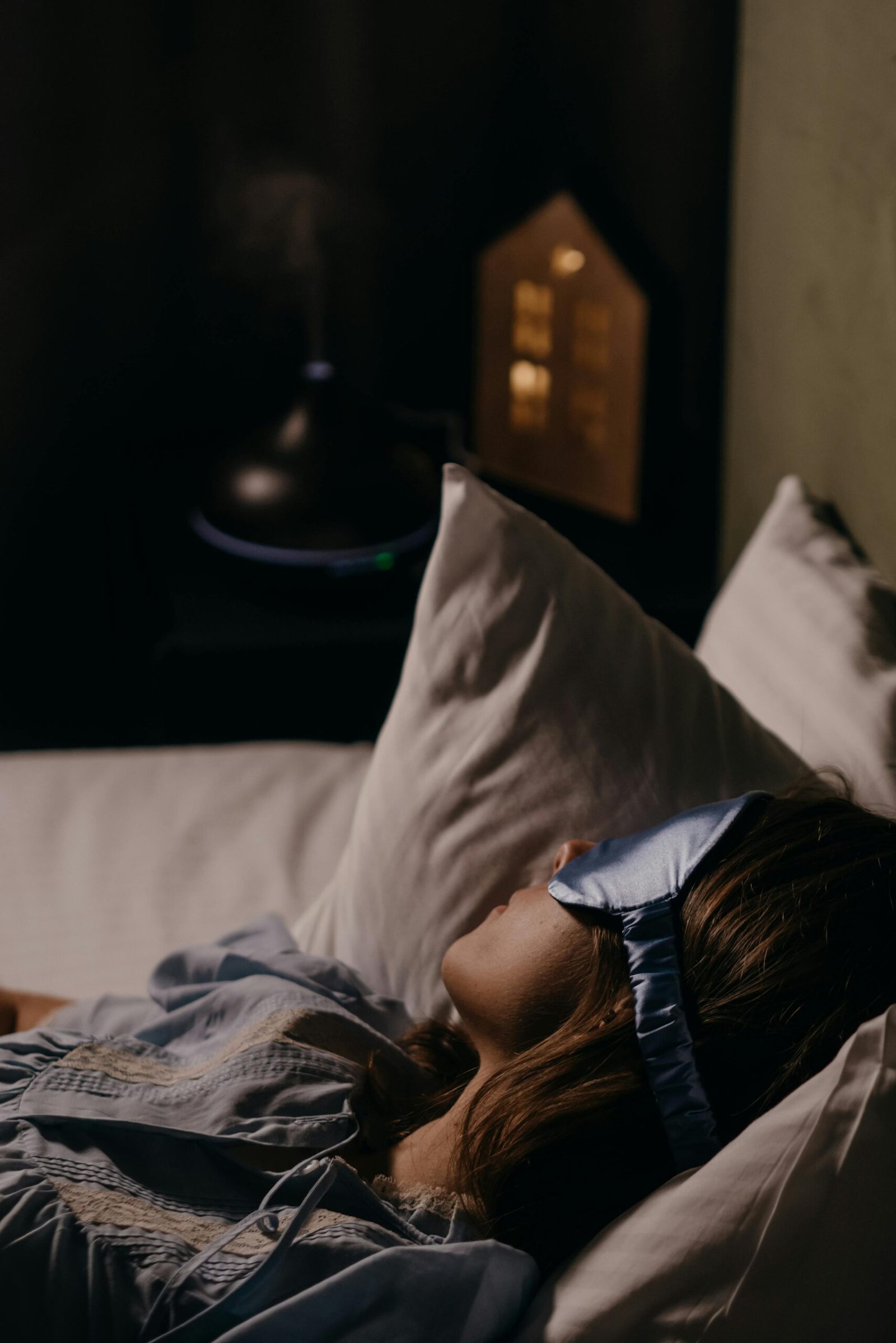
Why Counting Sheep Isn’t Working — And What Actually Does
Cognitive behavioral therapy for insomnia is the most effective long-term treatment for chronic sleep problems, outperforming sleeping pills in clinical trials and delivering lasting results without side effects. If you’ve spent countless nights staring at the ceiling, watching the clock tick toward 3 a.m., you’re not alone — and more importantly, you’re not stuck. Millions of people across the USA, UK, Canada, Australia, and New Zealand struggle with insomnia, and the vast majority have never heard of the treatment that sleep scientists consider the gold standard. This article breaks down exactly what CBT-I is, how it works, and what you can realistically expect from it.
This article is for informational purposes only and is not a substitute for professional medical advice. If you are experiencing severe or persistent sleep difficulties, please consult a qualified healthcare professional.
The Science Behind Why You Can’t Sleep
Before understanding the solution, it helps to understand the problem. Insomnia isn’t simply about not being tired enough or having too much stress (though both can play a role). Chronic insomnia is a learned condition — one where your brain has essentially been trained to associate your bed with wakefulness, anxiety, and frustration rather than rest.
Think of it this way: the first time you had a bad night’s sleep, something triggered it — a stressful event, an illness, jet lag. That’s completely normal. But for some people, a pattern begins to form. You start worrying about sleep. You begin going to bed earlier hoping to catch more hours. You scroll your phone to distract yourself from the anxiety. You nap during the day to compensate. Without realising it, you’ve built a system that actually perpetuates the very problem you’re trying to solve.
This is what sleep researchers call the 3P Model: predisposing factors (your natural tendency toward anxiety or light sleeping), precipitating events (the stressor that first triggered your insomnia), and perpetuating behaviours (the habits that keep insomnia alive long after the original cause has resolved). Cognitive behavioral therapy for insomnia works directly on that third P — and that’s why it works so well.
What the Research Actually Shows
The evidence for CBT-I is remarkably strong. A landmark meta-analysis published in the journal Sleep Medicine Reviews found that CBT-I improved sleep onset latency (how long it takes you to fall asleep) by an average of 54% and reduced time awake after sleep onset by 56%. More impressively, these gains were maintained at 12-month follow-up — meaning the improvements didn’t fade when treatment ended, unlike with sleep medication.
A 2024 study from the American Academy of Sleep Medicine found that approximately 70-80% of people with chronic insomnia see significant improvement with CBT-I, with around 40% achieving full remission. In the UK, NICE (National Institute for Health and Care Excellence) officially recommends CBT-I as the first-line treatment for insomnia — before medication. The American College of Physicians has issued the same recommendation in the United States.
What Cognitive Behavioral Therapy for Insomnia Actually Involves
CBT-I isn’t a single technique — it’s a structured program that typically runs 6 to 8 weeks and combines several evidence-based components. You might work with a trained therapist in person, via telehealth, or through a validated digital CBT-I program. Let’s walk through the core building blocks.
Sleep Restriction Therapy
This is often the component that surprises people most — and the one that tends to produce the fastest results. Sleep restriction therapy temporarily limits the time you spend in bed to match the actual amount of sleep you’re getting. So if you’re spending 9 hours in bed but only sleeping 5 of them, your therapist might initially restrict your time in bed to 5.5 hours.
This sounds counterintuitive (and yes, the first week is tough), but it serves a powerful purpose: it builds up your sleep drive — the biological pressure that makes sleep irresistible. As your sleep efficiency improves (defined as spending 85% or more of your time in bed actually asleep), you gradually extend your sleep window. Most people see meaningful improvements within two to three weeks.
Stimulus Control Therapy
Stimulus control is about rebuilding the association between your bed and sleep. If you’ve been lying awake in bed for hours, working from bed, watching TV in bed, or catastrophising about tomorrow’s meeting from under your duvet, your brain has learned that the bed is a place of wakefulness and worry — not rest.
The key rules of stimulus control include:
- Only go to bed when you’re genuinely sleepy (not just tired or at a scheduled time)
- Use your bed only for sleep and sex — nothing else
- If you can’t fall asleep within about 20 minutes, get up and do something calm in dim light until you feel sleepy again
- Keep a consistent wake time every day, including weekends
- Avoid napping during the day (at least initially)
These rules feel restrictive at first. But they’re extraordinarily effective at retraining your nervous system to associate bed with unconsciousness rather than alertness.
Cognitive Restructuring
This is the “cognitive” part of CBT-I, and it addresses the thought patterns that keep insomnia going. People with chronic insomnia often carry a bundle of unhelpful beliefs about sleep — things like “I need 8 hours or I’ll be useless tomorrow,” “I haven’t slept properly in weeks and something must be seriously wrong with me,” or “I’m just not someone who can sleep well.”
Cognitive restructuring involves learning to identify these thoughts, examine the evidence for and against them, and replace them with more balanced, realistic perspectives. It doesn’t mean positive thinking or telling yourself everything is fine. It means accurate thinking — recognising, for example, that one bad night does not ruin your health, that your body has more resilience than you think, and that anxiety about sleep is often more damaging than the sleep loss itself.
Sleep Hygiene and Relaxation Techniques
You’ve probably heard about sleep hygiene — keeping a cool, dark bedroom, avoiding caffeine after noon, limiting screens before bed. These form a supporting layer of CBT-I. Alone, sleep hygiene isn’t enough to cure chronic insomnia (the research on this is clear), but combined with the other components, it creates the conditions in which better sleep can emerge.
Relaxation techniques commonly used in CBT-I include progressive muscle relaxation, diaphragmatic breathing, and a technique called paradoxical intention — where you actually try to stay awake with your eyes open in the dark. Counterintuitively, this reduces sleep performance anxiety and often allows people to drift off faster than when they were trying hard to sleep.
Digital CBT-I: Access From Your Living Room
One of the most significant developments in sleep medicine over the past few years has been the proliferation of validated digital CBT-I programs. Access to trained CBT-I therapists remains limited in many areas — there simply aren’t enough of them, and wait times in the NHS, for example, can stretch for months. Digital programs help bridge this gap.
Apps and online programs like Sleepio, Somryst (which has FDA clearance in the USA), and others have been studied in randomised controlled trials and shown to produce comparable results to therapist-delivered CBT-I for many people. A 2025 review published in JMIR Mental Health found that digital CBT-I reduced insomnia severity scores by an average of 43% compared to a waitlist control group — a clinically meaningful improvement.
That said, digital programs work best for people with primary insomnia who don’t have significant comorbidities like untreated depression, sleep apnea, or complex trauma. If your sleep difficulties are entwined with other mental health challenges, working with a human therapist trained in CBT-I is likely to be more effective and safer.
How to Find a CBT-I Therapist
Finding a qualified practitioner varies by country, but here are some starting points:
- USA: The Society of Behavioral Sleep Medicine (SBSM) maintains a directory at behavioralsleep.org
- UK: Ask your GP for a referral through IAPT (Improving Access to Psychological Therapies) or seek a private therapist with CBT-I training
- Canada: The Canadian Sleep Society and provincial psychology associations can help locate practitioners
- Australia and New Zealand: The Australasian Sleep Association and your GP are good starting points; telehealth options have expanded significantly since 2022
What to Expect Week by Week
Knowing what lies ahead makes the process much easier to stick with. Here’s a realistic picture of a typical 6-week CBT-I program:
- Week 1 — Assessment and baseline: You’ll keep a sleep diary to establish your current patterns. No changes yet, just observation. This data drives everything that follows.
- Week 2 — Sleep restriction begins: Your sleep window is set. This week is often the hardest. You may feel more tired during the day. This is normal and temporary.
- Week 3 — Stimulus control kicks in: You begin implementing the bed-only-for-sleep rules and getting out of bed when you can’t sleep. Sleep efficiency typically starts to climb.
- Week 4 — Cognitive work deepens: You identify your specific unhelpful beliefs and start challenging them. Many people notice their anxiety about bedtime beginning to ease.
- Week 5 — Sleep window extends: As your efficiency improves, your time in bed increases. Sleep quality usually feels noticeably better by now.
- Week 6 — Consolidation and relapse prevention: You build a personalised plan for managing any future rough patches — because they will come, and knowing what to do makes them far less frightening.
Most people experience some improvement by week three or four, with the biggest gains coming in weeks four through eight. The process requires commitment and a willingness to feel temporarily worse before you feel better — but the data consistently shows it’s worth it.
Practical Steps You Can Start Today
While a full CBT-I program delivers the best results, there are evidence-based strategies you can implement right now to begin shifting your relationship with sleep:
- Keep a consistent wake time. Set an alarm and get up at the same time every day regardless of how well you slept. This is the single most powerful regulator of your circadian rhythm.
- Start a sleep diary. Track what time you go to bed, when you fall asleep (estimated), how many times you wake up, and when you finally rise. Patterns emerge quickly, and awareness is the first step to change.
- Create a wind-down buffer. Give yourself 30-60 minutes before bed with no screens, no work, and no emotionally activating content. Dim your lights. Let your nervous system begin its descent.
- Notice your sleep thoughts. When you catch yourself catastrophising about not sleeping, simply notice the thought — “there’s that story again” — without engaging with it. This is the beginning of cognitive restructuring.
- Reserve your bed. Starting tonight, if you can, use your bed only for sleep. Move your reading, scrolling, and worrying to the sofa. Small change, significant impact.
Frequently Asked Questions
How is CBT-I different from regular CBT?
Regular CBT is a broad psychological approach used for a wide range of conditions including depression, anxiety, and phobias. Cognitive behavioral therapy for insomnia is a specialised adaptation that targets the specific thought patterns and behaviours that perpetuate sleep difficulties. While it uses the same foundational principles, CBT-I includes sleep-specific techniques like sleep restriction and stimulus control that general CBT practitioners may not be trained in. If you’re seeking help for insomnia, it’s important to find someone specifically trained in CBT-I rather than a general CBT therapist.
Is CBT-I better than sleeping pills?
For long-term outcomes, yes — the research is clear on this. A landmark 2004 study published in the Archives of Internal Medicine (and replicated many times since) found that while sleep medication works faster initially, CBT-I produces superior results at six and twelve months. Medication treats the symptom; CBT-I addresses the underlying mechanisms keeping insomnia alive. Many people also use CBT-I to successfully taper off sleep medication under medical supervision. That said, medication can play a role in certain situations — always discuss this with your doctor.
How long does it take to see results from CBT-I?
Most people begin noticing improvements within three to four weeks, though the first two weeks can feel harder than before treatment started due to sleep restriction. Significant, stable improvements typically emerge by weeks four to six. Because CBT-I addresses the root causes of insomnia rather than simply sedating you, the changes tend to be durable — follow-up studies consistently show that gains are maintained at 12 and even 24 months post-treatment.
Can CBT-I work if I have anxiety or depression as well?
Yes, and in fact treating insomnia often improves anxiety and depression symptoms simultaneously. Sleep and mental health are deeply interconnected — insomnia both worsens and is worsened by anxiety and depression. A 2025 meta-analysis found that CBT-I significantly reduced depression and anxiety scores in people treated for insomnia, even when those conditions weren’t the primary focus. However, if your mental health challenges are severe, working with a therapist who can address both the sleep issues and the underlying conditions concurrently is the most effective path forward.
What if I try CBT-I and it doesn’t work for me?
CBT-I has a strong success rate, but it isn’t universally effective — and there are important reasons it might not work for a particular person. If you have an underlying sleep disorder like sleep apnea or restless legs syndrome, those need to be treated first. If insomnia is being driven by an untreated medical or psychiatric condition, addressing that condition is the priority. For people who’ve genuinely completed a full CBT-I program without meaningful improvement, a sleep specialist can explore additional options including other behavioural interventions, medication, or combinations of approaches.
Can I do CBT-I on my own without a therapist?
To an extent, yes. There are validated self-help books (Dr. Gregg Jacobs’ Say Good Night to Insomnia is widely recommended) and digitally delivered programs with strong clinical evidence behind them. Many people achieve meaningful improvements through guided self-help. However, a trained CBT-I therapist can personalise the program to your specific patterns, troubleshoot when things aren’t progressing, and provide the accountability that many people find essential. If you have complex or longstanding insomnia, professional guidance is likely to get you there faster and more safely.
Is CBT-I suitable for older adults?
Absolutely — and it may be especially important for this group. Sleep changes naturally with age, but chronic insomnia is not an inevitable part of ageing. Older adults are also at greater risk from the side effects of sleep medication, including falls, cognitive impairment, and dependency. Research specifically examining CBT-I in adults over 60 shows it is both effective and well-tolerated. Sleep restriction protocols may be adapted slightly for older adults, but the core components work just as well as they do in younger populations.
Your Next Step Toward Restful Nights
If you’ve been struggling with insomnia for weeks, months, or years, please hear this: you are not broken, and your situation is not hopeless. Cognitive behavioral therapy for insomnia has given millions of people their sleep — and their lives — back. The road involves some effort and a willingness to do things differently, but the destination is genuinely within reach. Start with one small step today — a consistent wake time, a sleep diary, a conversation with your GP. Each small action is a signal to your nervous system that things are changing. You deserve deep, restorative sleep, and the science says you can have it. We’re rooting for you every step of the way.
Leave a Reply