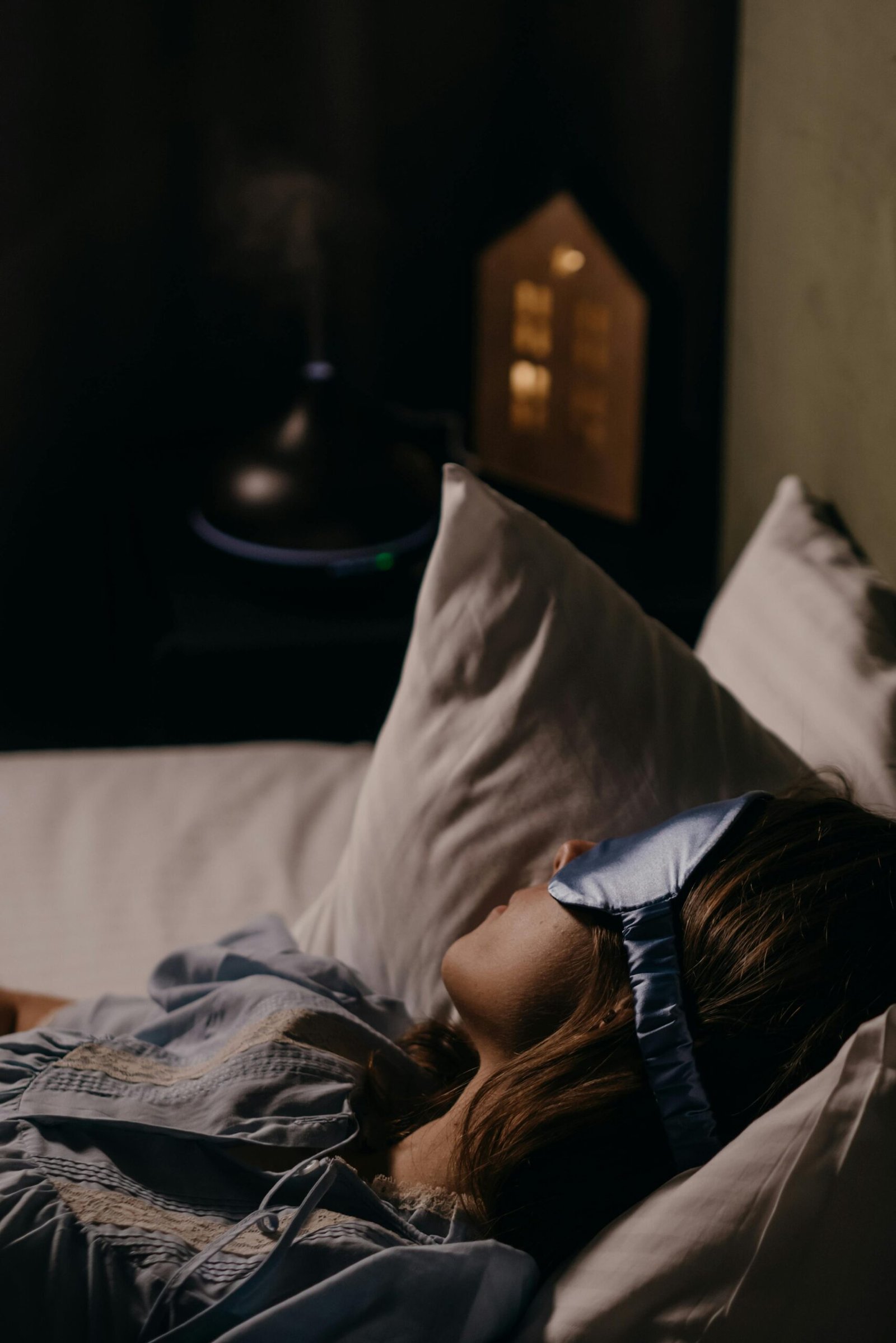
When Rest Becomes a Struggle: Understanding the Sleep-Mental Health Connection
Sleep disorders affect an estimated 70 million Americans alone, and their ripple effects on mental health are profound, measurable, and — importantly — treatable. If you’ve ever spent a night tossing and turning only to face the next day feeling anxious, emotionally raw, or unable to concentrate, you already know intuitively what researchers have spent decades confirming: sleep and mental health are deeply, inseparably linked. This isn’t a one-way street either. Poor sleep can trigger or worsen mental health conditions, and mental health struggles can make restful sleep feel impossibly out of reach. Understanding this relationship is the first step toward breaking the cycle — and that’s exactly what this article is here to help you do.
Whether you’re navigating insomnia, sleep apnea, restless legs syndrome, or simply waking at 3 a.m. with a mind that won’t quiet down, this guide will walk you through the science, the symptoms, the mental health impacts, and the practical steps you can take to reclaim your nights — and your wellbeing.
This article is for informational purposes only and is not a substitute for professional medical advice.
The Landscape of Sleep Disorders in 2026
Sleep disorders have reached what the World Sleep Society now describes as a global health epidemic. Across the USA, UK, Canada, Australia, and New Zealand, clinicians are reporting record numbers of patients seeking help for chronic sleep difficulties — a trend that accelerated through the early 2020s and has yet to plateau. In fact, a 2025 global sleep health report found that nearly 1 in 3 adults in English-speaking Western nations report experiencing clinically significant sleep problems at least three nights per week.
The Most Common Sleep Disorders
Understanding what kind of sleep disorder you might be dealing with is crucial, because each comes with its own relationship to mental health:
- Insomnia: The most prevalent sleep disorder, characterised by difficulty falling asleep, staying asleep, or waking too early. Chronic insomnia affects roughly 10–15% of adults and is strongly associated with depression and anxiety disorders.
- Obstructive Sleep Apnea (OSA): A condition where the airway partially or fully collapses during sleep, causing repeated breathing interruptions. OSA affects approximately 1 billion people worldwide and is closely linked to depression, cognitive decline, and mood instability.
- Restless Legs Syndrome (RLS): An uncomfortable urge to move the legs, often accompanied by crawling or tingling sensations, that worsens at night and disrupts sleep onset. Research links RLS to higher rates of anxiety and depression.
- Narcolepsy: A neurological disorder causing excessive daytime sleepiness and, in some cases, sudden muscle weakness (cataplexy). People with narcolepsy have significantly elevated rates of depression and social anxiety.
- Circadian Rhythm Disorders: Misalignments between an individual’s internal body clock and the external environment — increasingly common with shift work and technology use — are robustly associated with mood disorders and bipolar spectrum conditions.
- Parasomnias: Abnormal behaviours during sleep, including sleepwalking, night terrors, and REM sleep behaviour disorder. These are frequently associated with PTSD, anxiety, and certain neurological conditions.
Who Is Most at Risk?
While sleep disorders can affect anyone, certain populations carry a higher burden. Women are nearly twice as likely as men to experience insomnia over their lifetime, partly due to hormonal fluctuations. Adolescents and young adults are disproportionately affected by circadian rhythm disruptions. Older adults face elevated risks of sleep apnea and fragmented sleep. And across all demographics, those living with chronic stress, trauma histories, or pre-existing mental health conditions face compounded vulnerability.
How Sleep Disorders Damage Mental Health — The Science Explained
It would be easy to assume that feeling grumpy after a bad night’s sleep is just a minor inconvenience. The neuroscience tells a far more urgent story. Sleep is not passive downtime — it is an active, highly organised biological process during which your brain consolidates memories, clears metabolic waste, regulates emotional responses, and resets the hormonal systems that govern your mood and stress resilience.
The Brain on Sleep Deprivation
A landmark study published in Nature Neuroscience found that sleep-deprived individuals showed a 60% increase in amygdala reactivity — the brain region responsible for processing fear and threat. What this means in practical terms is that without adequate sleep, your brain becomes significantly more emotionally reactive, more prone to perceiving neutral situations as threatening, and less able to access the prefrontal cortex — the rational, reasoning part of your brain that helps you respond rather than react.
This neurological shift explains why sleep disorders and mental health problems so frequently co-occur. Chronic sleep deprivation essentially holds the brain in a state that mimics — and eventually produces — anxiety and depression. The stress hormone cortisol, which should peak in the morning and taper off through the day, becomes dysregulated with poor sleep, leaving sufferers in a physiological state of chronic low-grade stress.
The Bidirectional Relationship
Here’s where it gets particularly important to understand: the relationship between sleep disorders and mental health conditions is bidirectional. Depression frequently causes hypersomnia (sleeping too much) or insomnia. Anxiety floods the mind with racing thoughts that make sleep onset nearly impossible. PTSD is so strongly linked to sleep disruption that nightmares and hyperarousal are considered hallmark symptoms.
At the same time, chronic insomnia is now recognised as an independent risk factor for developing major depressive disorder — not just a symptom of it. A 2024 meta-analysis involving over 170,000 participants found that individuals with persistent insomnia were 2.5 times more likely to develop depression within a two-year follow-up period compared to those who slept well. This bidirectionality is why treating sleep in isolation, or treating mental health conditions without addressing sleep, so often produces incomplete results.
Cognitive and Emotional Consequences
Beyond the biochemical, sleep disorders exact a heavy toll on day-to-day psychological functioning. Cognitive impairments from disrupted sleep include reduced working memory, difficulty sustaining attention, impaired decision-making, and diminished creativity — all of which compound feelings of inadequacy, frustration, and hopelessness. Emotionally, poor sleepers report higher rates of interpersonal conflict, reduced empathy, greater emotional volatility, and decreased ability to experience positive emotions — a state clinicians call “positive affect blunting” that closely resembles depressive symptomatology.
Specific Mental Health Conditions Linked to Sleep Disorders
While sleep disruption affects virtually every dimension of mental wellbeing, the links to specific psychiatric conditions are particularly well-established and worth exploring in depth.
Depression
Insomnia is present in approximately 75% of people with major depressive disorder. It’s one of the most treatment-resistant symptoms — often persisting even after other depressive symptoms have lifted — and its persistence significantly increases the risk of relapse. What’s particularly striking is that treating insomnia directly, through approaches like Cognitive Behavioural Therapy for Insomnia (CBT-I), has been shown to improve depression outcomes even when depression itself isn’t the primary treatment target.
Anxiety Disorders
The relationship between anxiety and sleep disorders is almost heartbreakingly circular. Anxiety causes hyperarousal — a state of physiological and cognitive over-activation that is fundamentally incompatible with sleep onset. The resulting sleep deprivation then amplifies anxiety sensitivity the following day, making the person more anxious, which makes sleep harder the next night. Across generalised anxiety disorder, panic disorder, social anxiety, and health anxiety, disordered sleep is a near-universal companion.
PTSD
Sleep disturbance is so central to post-traumatic stress disorder that it is listed as a core diagnostic criterion. Nightmares replaying traumatic events, hypervigilance that prevents the nervous system from downshifting into sleep, and REM sleep disruptions are all hallmarks of PTSD-related sleep pathology. Emerging 2025 research from veteran and civilian trauma populations suggests that effectively targeting sleep in PTSD treatment — through imagery rehearsal therapy, prazosin, or trauma-focused CBT adaptations — substantially improves overall PTSD symptom severity.
Bipolar Disorder
Sleep disruption in bipolar disorder deserves special mention because here the relationship is not merely correlational — it appears to be mechanistically causal. Reduced need for sleep is a hallmark warning sign of oncoming mania. Sleep deprivation can actually trigger manic or hypomanic episodes in vulnerable individuals. Maintaining consistent sleep schedules is therefore considered a frontline relapse prevention strategy in bipolar disorder management.
ADHD and Neurodevelopmental Conditions
An often-overlooked connection exists between sleep disorders and ADHD. Research published in 2024 found that up to 70% of adults with ADHD experience significant sleep problems — including delayed sleep phase disorder, restless sleep, and insomnia — and that these sleep issues substantially worsen ADHD symptom severity. For many neurodivergent individuals, improving sleep hygiene and addressing underlying sleep disorders can meaningfully reduce daytime executive function difficulties.
Practical Strategies for Improving Sleep and Protecting Your Mental Health
Understanding the problem is only valuable if it leads somewhere actionable. The good news is that sleep disorders and their mental health consequences are among the most responsive conditions to both behavioural interventions and professional treatment. Here is a comprehensive, evidence-informed toolkit to begin improving your sleep — and by extension, your mental wellbeing.
Cognitive Behavioural Therapy for Insomnia (CBT-I)
CBT-I is now endorsed by the American Academy of Sleep Medicine, the NHS, and mental health organisations across Australia, Canada, and New Zealand as the gold-standard first-line treatment for chronic insomnia — ahead of sleep medication. CBT-I works by identifying and restructuring unhelpful thoughts and behaviours around sleep, using techniques like sleep restriction therapy, stimulus control, and cognitive restructuring. Multiple randomised controlled trials show that CBT-I produces durable improvements in sleep that outlast medication by months and years. Digital CBT-I programmes, increasingly available through healthcare systems and apps, have made this treatment more accessible than ever in 2026.
Sleep Hygiene — Beyond the Basics
You’ve likely heard the standard sleep hygiene advice. Here’s a more nuanced, evidence-anchored version:
- Consistent wake time: Your wake time is the anchor of your circadian rhythm. Keep it consistent — even on weekends — before worrying about your bedtime.
- Light exposure: Get bright natural light within 30–60 minutes of waking. This is one of the most powerful circadian anchors available, and research shows it measurably reduces cortisol dysregulation and improves sleep quality.
- Temperature: Your core body temperature needs to drop 1–3 degrees Fahrenheit to initiate sleep. Keep your bedroom cool (around 65–68°F / 18–20°C) and consider a warm bath or shower 60–90 minutes before bed, which paradoxically cools the body afterward.
- Screen management: It’s not just blue light — it’s the stimulating, emotionally activating content of screens that most disrupts sleep. Create a wind-down buffer of at least 45–60 minutes before bed with low-stimulation activity.
- Alcohol awareness: While alcohol may initially promote drowsiness, it significantly fragments sleep architecture in the second half of the night, suppressing restorative REM sleep and worsening next-day anxiety and mood.
Mindfulness, Relaxation, and Nervous System Regulation
For sleep disruption rooted in hyperarousal — the underlying state in both anxiety-related insomnia and stress-induced poor sleep — nervous system regulation techniques are clinically supported and practically accessible. Mindfulness-Based Stress Reduction (MBSR) has demonstrated significant improvements in sleep quality and mental health outcomes in peer-reviewed trials. Progressive muscle relaxation, diaphragmatic breathing (particularly extended exhale techniques that activate the parasympathetic nervous system), and yoga nidra are all backed by solid evidence and require nothing more than time and practice.
When to Seek Professional Support
If sleep difficulties have persisted for more than three months, are occurring at least three nights per week, and are causing meaningful daytime impairment, you meet the clinical threshold for chronic insomnia disorder — and professional assessment is warranted. Similarly, if you snore loudly, wake gasping, or are told you stop breathing during sleep, evaluation for sleep apnea is urgent, as untreated OSA carries serious cardiovascular and psychiatric consequences. Speak to your GP, a sleep specialist, or a mental health professional who incorporates sleep assessment into their practice. You don’t have to figure this out alone.
Supporting Someone You Love Through Sleep-Related Mental Health Struggles
If someone close to you is caught in the cycle of poor sleep and deteriorating mental health, your support can be genuinely life-changing — but knowing how to offer it matters. Avoid framing their struggle as a choice or a discipline problem. Sleep disorders are neurobiological conditions, not character flaws. Offer to help them research treatment options, accompany them to a GP appointment, or simply validate that what they’re experiencing is real, exhausting, and deserving of proper care.
Be mindful that irritability, withdrawal, and emotional dysregulation — common consequences of chronic sleep deprivation — are symptoms, not personal attacks. Patience, consistent presence, and encouraging professional help without pressure are among the most meaningful things you can offer. And don’t neglect your own sleep and mental health in the process; supporting someone through a difficult time is far more sustainable when you’re rested yourself.
Frequently Asked Questions
Can sleep disorders cause mental illness, or do they just make existing conditions worse?
Both. Research now firmly establishes that chronic sleep disorders — particularly insomnia — can independently cause mental health conditions, not merely worsen pre-existing ones. A 2024 meta-analysis found that people with persistent insomnia were 2.5 times more likely to develop depression even with no prior psychiatric history. Sleep disorders can also accelerate the onset of anxiety disorders and contribute to the development of PTSD symptomatology in trauma-exposed individuals. This is why sleep is increasingly viewed as a mental health intervention target in its own right, not just a secondary concern.
How many hours of sleep do adults actually need for good mental health?
The consensus from the National Sleep Foundation, the NHS, and equivalent bodies in Australia, Canada, and New Zealand is 7–9 hours for most adults, with meaningful individual variation within that range. What matters almost as much as duration is consistency and quality — fragmented sleep, even if long in duration, fails to deliver the restorative REM and slow-wave sleep stages critical for emotional regulation and memory consolidation. If you consistently feel rested, emotionally regulated, and cognitively sharp after 7 hours, that may be your personal sweet spot. If you’re sleeping 8 hours but waking unrefreshed, quality disruption — potentially from sleep apnea — may be worth investigating.
Is it safe to use sleep medication long-term for mental health-related insomnia?
Most sleep medications — including benzodiazepines, Z-drugs like zopiclone and zolpidem, and even antihistamine-based sleep aids — are not recommended for long-term use due to risks of dependence, tolerance, cognitive side effects, and rebound insomnia upon discontinuation. Some newer agents and low-dose antidepressants are used more sustainably in specific clinical contexts under medical supervision. The current best-practice approach, endorsed internationally, is to use CBT-I as the primary treatment and reserve medication for short-term, targeted use under medical guidance. Always discuss the risks and benefits with your prescribing physician.
What is the connection between nightmares and mental health?
Nightmares are far more than unpleasant dreams — they are clinically significant phenomena with real mental health consequences. Frequent nightmares are a hallmark feature of PTSD, and they’re also more common in depression, anxiety disorders, and borderline personality disorder. Nightmare disorder — defined as recurrent distressing nightmares causing meaningful daytime impairment — is a diagnosable condition. Beyond PTSD-linked imagery rehearsal therapy, 2025 research has highlighted the efficacy of targeted nightmare treatments including Exposure, Relaxation and Rescripting Therapy (ERRT) and, in some cases, low-dose prazosin under medical supervision.
Does exercise really improve sleep and mental health, and how much is needed?
Yes — the evidence is robust. Regular moderate-intensity exercise has been shown to reduce sleep onset latency (how long it takes to fall asleep), increase slow-wave sleep, reduce insomnia severity, and simultaneously improve depression and anxiety symptoms. The mental health and sleep benefits are largely independent, meaning exercise helps each even when controlling for the other. Current guidelines suggest at least 150 minutes of moderate-intensity aerobic activity per week, with some resistance training. Timing matters for some people — vigorous exercise within 1–2 hours of bedtime can delay sleep onset in those with hyperarousal tendencies, though this is highly individual.
Can improving my sleep actually reduce my anxiety or depression symptoms?
Increasingly, yes — and this is one of the most clinically exciting findings in recent mental health research. Multiple randomised controlled trials have demonstrated that treating insomnia with CBT-I produces measurable reductions in depression and anxiety symptoms — even without directly targeting those conditions. A landmark study found that insomnia treatment led to remission of comorbid depression in a significant proportion of participants. This doesn’t mean sleep treatment replaces mental health treatment, but it does mean that prioritising sleep is a legitimate and powerful mental health intervention, not a secondary afterthought.
How do I know if I have a sleep disorder or just bad sleep habits?
Sleep habits and sleep disorders exist on a spectrum, and the distinction often matters for treatment. A useful clinical rule of thumb: if sleep difficulties have persisted for three or more months, occur at least three nights per week, happen despite adequate opportunity for sleep, and cause meaningful daytime impairment — in mood, cognition, energy, or functioning — that constellation meets the diagnostic criteria for chronic insomnia disorder. Physical symptoms like loud snoring, gasping, leg discomfort, or abnormal behaviours during sleep warrant medical evaluation regardless of duration. If you’re unsure, tracking your sleep with a simple sleep diary for two weeks and sharing it with a healthcare provider is an excellent starting point.
You Deserve Restful Nights and Healthier Days
Sleep disorders and their impact on mental health represent one of the most pervasive — and most under-addressed — challenges facing adults today. But here’s what we want you to hold onto as you finish reading this: struggling with sleep is not a personal failure. It is a medical and psychological reality that millions of people navigate every single day, and it is a reality that responds remarkably well to the right support, the right strategies, and the right professional care.
Whether you’re in the early stages of noticing that sleep isn’t quite right, or you’ve been caught in this exhausting cycle for years, the path forward exists — and it’s more accessible than it’s ever been. Start small if you need to. Try one sleep hygiene adjustment this week. Look into digital CBT-I programmes. Book that GP appointment you’ve been putting off. Reach out to a mental health professional who understands that a good night’s sleep isn’t a luxury — it’s a foundation. At The Calm Harbour, we’re here to walk that path with you, offering evidence-based guidance, compassionate support, and the reassurance that better rest — and better mental health — is within reach. You’ve taken the first step by learning more. The next one is yours to take, and we’ll be right here when you do.
Leave a Reply