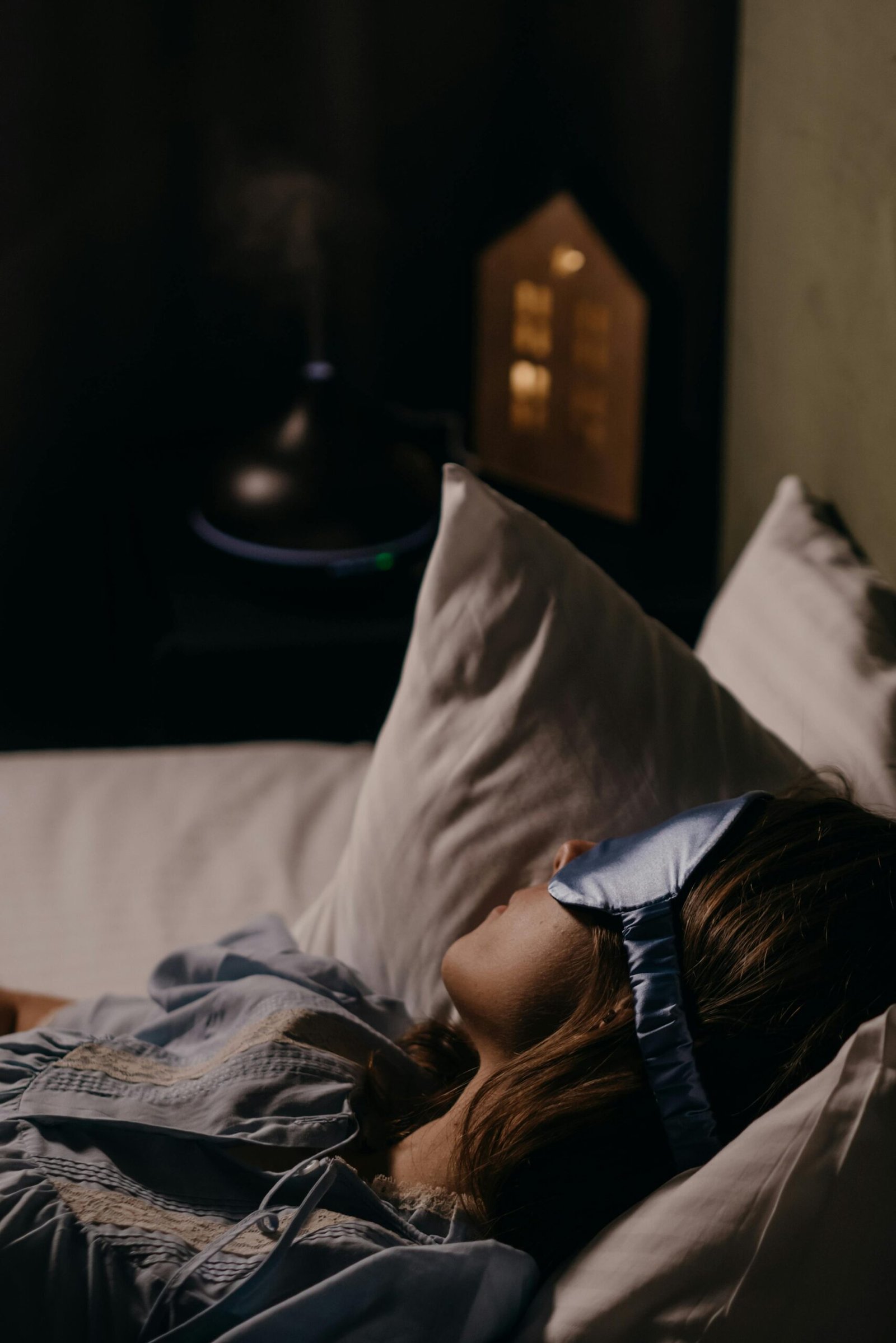
The Sleep Science Your Body Has Been Trying to Tell You
Most adults are sleeping less than they should — and paying a steep price for it without even realising it. If you’ve ever wondered how much sleep you really need each night, the answer is more nuanced than a single number, and far more important than most of us treat it.
Sleep isn’t a luxury or a reward for finishing your to-do list. It’s a biological necessity, as essential as food and water. And yet, in 2026, sleep deprivation remains one of the most underestimated public health challenges across the USA, UK, Canada, Australia, and New Zealand. According to the American Academy of Sleep Medicine, roughly 35% of adults in developed nations regularly fail to get sufficient sleep — a figure that hasn’t meaningfully improved in over a decade.
The good news? Understanding your sleep needs is the first step toward genuinely restoring them. This guide will walk you through exactly what the science says, what affects your personal sleep requirements, and how to start getting the rest your mind and body are quietly begging for.
What the Research Actually Says About Sleep Duration
The most widely cited recommendation comes from the National Sleep Foundation, which advises that adults between 18 and 64 years old aim for 7 to 9 hours of sleep per night. Older adults aged 65 and above are recommended 7 to 8 hours. These aren’t arbitrary figures — they’re built on decades of sleep research examining cognitive performance, immune function, cardiovascular health, and mental wellbeing.
But here’s what most sleep articles miss: those ranges represent population-level averages. How much sleep you really need each night depends on a constellation of factors specific to you — your genetics, age, health status, stress levels, and even the quality of the sleep you’re getting.
Sleep Needs Across the Lifespan
Sleep requirements shift significantly as we age. The following ranges are based on 2026 guidelines from the American Academy of Sleep Medicine and the Sleep Health Foundation:
- Newborns (0–3 months): 14–17 hours per day
- Infants (4–11 months): 12–15 hours per day
- Toddlers (1–2 years): 11–14 hours per day
- Preschoolers (3–5 years): 10–13 hours per day
- School-age children (6–13 years): 9–11 hours per day
- Teenagers (14–17 years): 8–10 hours per day
- Young adults (18–25 years): 7–9 hours per day
- Adults (26–64 years): 7–9 hours per day
- Older adults (65+): 7–8 hours per day
Notice that teenagers need significantly more sleep than most parents (or schools) allow for. The delayed circadian rhythm of adolescence is biological, not behavioural — a fact that has prompted several school districts across North America and Australia to push back start times with measurable improvements in student mental health and academic performance.
The Myth of the Short Sleeper
You’ve probably met someone who proudly claims they only need five hours of sleep. And occasionally, that’s true — researchers have identified a rare genetic variant, the ADRB1 gene mutation, that allows a tiny fraction of the population (estimated at less than 3%) to function optimally on short sleep. But for the other 97% of us, operating on fewer than 7 hours isn’t a superpower. It’s a slow-building deficit. Studies from the University of Pennsylvania have shown that people who sleep 6 hours a night for two weeks perform as poorly on cognitive tests as someone who has been awake for 24 hours straight — and they don’t even perceive how impaired they are.
Why Sleep Quality Matters as Much as Quantity
When thinking about how much sleep you really need each night, hours alone tell only part of the story. Eight hours of fragmented, light sleep is not equivalent to seven hours of deep, uninterrupted rest. What happens during those hours — the cycling through sleep stages — is where the real restoration happens.
Understanding Sleep Architecture
A typical night of sleep consists of 4 to 6 sleep cycles, each lasting approximately 90 minutes. Within each cycle, your brain moves through distinct stages:
- NREM Stage 1 (Light Sleep): The transition into sleep. Muscles relax, heart rate slows. Easy to wake from.
- NREM Stage 2: Body temperature drops and brain waves slow. This stage makes up the largest portion of your total sleep time.
- NREM Stage 3 (Deep Sleep / Slow-Wave Sleep): The most physically restorative stage. Growth hormone is released, tissues repair, and your immune system is strengthened. This stage is hardest to wake from.
- REM Sleep (Rapid Eye Movement): The stage most associated with vivid dreaming. Critical for memory consolidation, emotional processing, and creativity. REM periods grow longer toward morning — which is why cutting sleep short has an outsized impact on mental and emotional health.
If you’re regularly waking up in the night, sleeping in a noisy or bright environment, consuming alcohol, or dealing with untreated sleep apnoea, your sleep architecture becomes disrupted. You may be clocking 8 hours on paper while your brain receives far less deep and REM sleep than it needs.
Signs Your Sleep Quality Needs Attention
Even if you’re hitting recommended hours, poor quality sleep leaves clear fingerprints. Watch for these signs:
- Waking up feeling unrefreshed, even after a full night
- Relying on caffeine to function through the morning
- Experiencing mood swings, irritability, or low emotional resilience
- Difficulty concentrating or making decisions
- Feeling drowsy during the day, particularly mid-afternoon
- Regularly needing to “catch up” on weekends
If several of these resonate, the issue may be less about duration and more about what’s happening during the hours you are sleeping.
What Happens When You Don’t Get Enough Sleep
The consequences of insufficient sleep extend far beyond feeling tired. Chronic sleep deprivation — defined as regularly sleeping less than your biological requirement — creates a cascading effect throughout your body and mind that compounds over time.
Mental and Emotional Impact
Sleep and mental health share a bidirectional relationship. Poor sleep worsens anxiety and depression, and anxiety and depression worsen sleep. A landmark 2023 study published in Nature Mental Health involving over 89,000 participants found that sleep irregularity — including both insufficient and excessive sleep — was associated with a 20–30% higher risk of developing a mood disorder. When you’re sleep-deprived, your amygdala (the brain’s emotional alarm system) becomes up to 60% more reactive to negative stimuli, while your prefrontal cortex — responsible for rational thinking and emotional regulation — loses the ability to keep it in check.
In practical terms? Everything feels harder. Conflicts escalate more easily. Anxiety spikes. Motivation evaporates. For those already navigating mental health challenges, sleep deprivation is often one of the most significant — and overlooked — factors keeping recovery out of reach.
Physical Health Consequences
The physical toll is equally serious. Consistently sleeping fewer than 6 hours per night has been linked to:
- Cardiovascular disease: A meta-analysis in the European Heart Journal found that short sleepers have a 48% higher risk of developing or dying from coronary heart disease.
- Immune dysfunction: Sleep is when your body produces cytokines — proteins that fight infection and inflammation. Skimping on sleep measurably reduces your immune response.
- Weight gain and metabolic disruption: Sleep deprivation increases ghrelin (the hunger hormone) and decreases leptin (the satiety hormone), making overeating far more likely.
- Elevated cortisol: Chronic sleep loss keeps your stress hormone elevated, contributing to inflammation, blood pressure increases, and accelerated ageing.
- Cognitive decline: Emerging 2025 research suggests that chronic poor sleep may accelerate the accumulation of amyloid plaques — a hallmark of Alzheimer’s disease.
Personal Factors That Influence How Much Sleep You Need
Knowing that adults need 7 to 9 hours is a starting point, not a prescription. Several deeply personal factors shape where exactly your sweet spot falls within — or occasionally outside — that range.
Genetics and Chronotype
Your chronotype — whether you’re naturally a morning person or night owl — is largely determined by genetics. It influences not just when you prefer to sleep, but how efficiently your body cycles through sleep stages. Night owls forced into early schedules often experience social jet lag: a chronic misalignment between biological sleep timing and social or professional demands. This misalignment adds to sleep debt even when total hours seem adequate.
Physical Activity and Recovery
If you exercise regularly or engage in physically demanding work, your body may require more time in deep slow-wave sleep to repair muscle tissue and replenish energy stores. Athletes and active individuals often function best closer to 8–9 hours, with some elite sports programmes now structuring training schedules around sleep optimisation as a core performance strategy.
Stress, Illness, and Life Transitions
During periods of high psychological stress, illness, grief, or major life transitions — a new job, a new baby, a relationship ending — your sleep needs temporarily increase. This is not weakness. It’s your nervous system requiring more recovery time. Honouring that need rather than pushing through it is one of the most effective things you can do for your resilience during difficult periods.
Practical Steps to Find Your Ideal Sleep Duration
- Track your sleep for two weeks without an alarm (if possible, during a holiday or rest period). Note the hours you naturally sleep and how you feel each day.
- Assess your daytime functioning — not just how awake you feel, but your mood, focus, creativity, and patience.
- Reduce sleep debt gradually by moving your bedtime 15–30 minutes earlier each week rather than trying to overhaul your schedule overnight.
- Prioritise consistency — waking at the same time every day (including weekends) anchors your circadian rhythm and dramatically improves sleep quality over time.
Building Better Sleep Into Your Real Life
Understanding how much sleep you really need each night is one thing. Actually getting it — with work pressures, family demands, screens, and a culture that still quietly glorifies busyness — is another challenge entirely. But small, consistent changes create real results.
Your Sleep Environment
Your bedroom should signal one thing to your brain: safety and rest. Keep your room cool (between 16–19°C or 60–67°F is optimal for most adults), dark, and quiet. Even low-level light from screens or streetlamps can suppress melatonin production and reduce deep sleep. Blackout curtains and a white noise machine or earplugs can make a meaningful difference, particularly in urban environments.
Evening Habits That Actually Help
- Dim your lights 1–2 hours before bed to support natural melatonin rise.
- Avoid screens 30–60 minutes before sleep — or use blue light filters if screens are unavoidable.
- Set a consistent wind-down routine (even 15 minutes of reading, stretching, or journalling signals to your nervous system that sleep is coming).
- Limit caffeine after 2pm — caffeine has a half-life of 5–7 hours, meaning an afternoon coffee can still be affecting your sleep architecture at midnight.
- Avoid alcohol as a sleep aid. While alcohol may help you fall asleep faster, it suppresses REM sleep and causes fragmented sleep in the second half of the night.
When to Seek Professional Support
If you’ve consistently prioritised sleep hygiene and still struggle to fall asleep, stay asleep, or wake feeling rested, please don’t suffer in silence. Conditions like insomnia disorder, sleep apnoea, restless legs syndrome, and circadian rhythm disorders are highly treatable — but only when properly identified. Cognitive Behavioural Therapy for Insomnia (CBT-I) is now recognised as the first-line treatment for chronic insomnia, with success rates exceeding 70–80% in clinical trials. Speaking with your GP or a sleep specialist is a genuinely worthwhile step.
Frequently Asked Questions About Sleep Needs
Can I catch up on lost sleep over the weekend?
Partially, yes — but not fully. “Recovery sleep” can alleviate some of the acute symptoms of sleep deprivation, like fatigue and mood disruption. However, research published in Current Biology found that weekend catch-up sleep does not fully reverse the metabolic and cognitive damage caused by weekday sleep restriction. The best strategy remains consistent, sufficient sleep every night rather than banking debt and trying to repay it later.
Is it possible to sleep too much?
Yes, and it’s worth taking seriously. Regularly sleeping more than 9 hours (known as hypersomnia) when you’re not recovering from illness or sleep debt can be a symptom of depression, thyroid disorders, sleep apnoea, or other underlying conditions. It has also been associated with increased cardiovascular risk in some studies. If you’re consistently sleeping 9 or more hours and still feel exhausted, it’s worth discussing with a healthcare provider.
Why do I feel worse after 8 hours than after 6?
This is often due to sleep inertia — the groggy, disoriented feeling that occurs when you wake mid-cycle. Waking up during deep sleep (NREM Stage 3) can feel far worse than waking during lighter sleep stages, regardless of total hours. Timing your alarm to align with the end of a 90-minute sleep cycle can help. There are also apps and wearables in 2026 that track sleep stages and gently wake you during lighter sleep.
Does napping count toward my daily sleep total?
Yes, with caveats. A short nap of 10–20 minutes (sometimes called a “power nap”) can restore alertness and improve performance without causing sleep inertia or disrupting nighttime sleep. Longer naps of 90 minutes allow a full sleep cycle and can be beneficial for shift workers or those dealing with acute sleep debt. However, napping late in the afternoon or for extended periods can reduce sleep pressure and make it harder to fall asleep at night.
How does menopause affect sleep needs?
Hormonal changes during perimenopause and menopause — particularly declining oestrogen and progesterone levels — significantly disrupt sleep for many women. Night sweats, increased wakefulness, and changes in sleep architecture are all common. While sleep needs don’t inherently increase, achieving sufficient quality sleep may require additional strategies such as temperature regulation, medical support, and CBT-I. This is a legitimate health concern that deserves attention, not dismissal.
Are there foods that help with sleep?
Yes. Foods rich in tryptophan (turkey, eggs, dairy, nuts) support serotonin and melatonin production. Magnesium-rich foods (leafy greens, pumpkin seeds, dark chocolate) support muscle relaxation and have been shown in several trials to improve sleep quality. Tart cherry juice contains naturally occurring melatonin and has modest but real evidence behind it. Conversely, high-sugar meals and heavy, rich foods close to bedtime can disrupt sleep by raising body temperature and causing digestive discomfort.
How much sleep do you really need if you have anxiety or depression?
People managing anxiety or depression often have both greater sleep needs and greater difficulty meeting them. Sleep disruption is both a symptom and a driver of these conditions, making it especially important — not less important — to prioritise rest. Working with a mental health professional to address the reciprocal relationship between mood and sleep is often one of the most impactful interventions available. Sleep is not separate from mental health; it is foundational to it.
Understanding how much sleep you really need each night isn’t about following a rigid rule — it’s about listening more closely to the wisest system you have: your own body. Start where you are, make one small change, and be patient with yourself. Reclaiming your sleep is one of the most profound acts of self-care you can offer your mind, your health, and everyone around you. You deserve rest — not as a reward, but as a right. And it’s never too late to start prioritising it.
This article is for informational purposes only and is not a substitute for professional medical advice. If you have concerns about your sleep health or mental wellbeing, please consult a qualified healthcare provider.
Leave a Reply