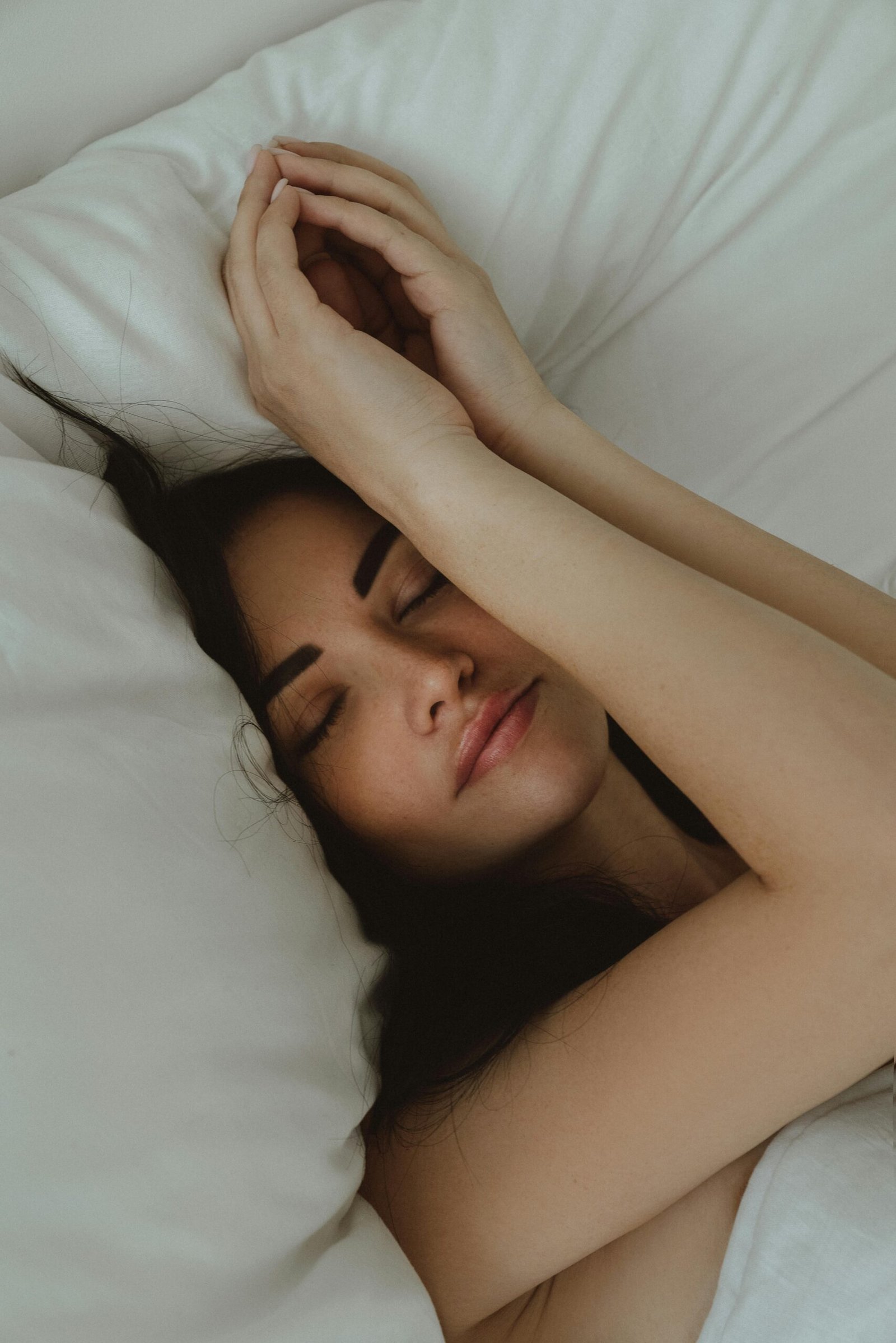
Why Your Brain Stays Wired at Night — and What Anxiety Has to Do With It
Poor sleep and anxiety form one of the most exhausting cycles in mental health — each one quietly fueling the other while you lie awake at 2 a.m. wondering why your mind won’t stop. If you’ve ever spent hours staring at the ceiling, replaying conversations, catastrophising about tomorrow, or simply feeling a nameless dread that keeps your body buzzing when it should be resting, you’re not alone. The connection between sleep and anxiety is not just anecdotal — it is deeply biological, clinically significant, and increasingly well understood. And more importantly, it is something you can begin to untangle.
The Science Behind Sleep and Anxiety
To understand why anxiety disrupts sleep — and why poor sleep worsens anxiety — it helps to look at what is actually happening inside your brain and body during both states.
What Happens to Your Brain When You’re Anxious
Anxiety activates the brain’s threat-detection system, primarily the amygdala, which sends distress signals to the hypothalamus and triggers the release of cortisol and adrenaline. This is your body’s ancient fight-or-flight response — extraordinarily useful if you’re fleeing a predator, deeply unhelpful when you’re trying to fall asleep. Your heart rate increases, your muscles tense, your breathing shallows, and your prefrontal cortex — the rational, calming part of your brain — becomes less effective at quieting the alarm. Sleep, in this state, feels physiologically impossible.
What Sleep Deprivation Does to Your Emotional Brain
Research published in the journal Nature Human Behaviour found that sleep deprivation amplifies amygdala reactivity by up to 60%, making sleep-deprived individuals significantly more emotionally volatile and prone to perceiving neutral situations as threatening. A 2026 analysis from the Sleep Research Society confirmed that adults sleeping fewer than six hours per night were 2.5 times more likely to meet diagnostic criteria for an anxiety disorder compared to those sleeping seven to nine hours. The prefrontal cortex — the very structure that helps regulate anxious thoughts — is among the first brain regions to suffer under sleep deprivation. In short, when you don’t sleep, your brain literally loses its ability to manage anxiety effectively.
The Role of REM Sleep in Emotional Regulation
Rapid Eye Movement (REM) sleep, which dominates the later cycles of the night, plays a crucial role in emotional processing. During REM sleep, the brain essentially replays emotional memories but strips away the acute stress response attached to them — a process researchers call “overnight therapy.” When anxiety disrupts sleep and reduces REM duration, this emotional processing is cut short. Distressing experiences remain raw and unprocessed, making you more reactive and more anxious the following day. It is a cycle with a biological engine underneath it, not simply a matter of willpower or mindset.
How Anxiety Disorders Specifically Disrupt Sleep
Not all anxiety looks the same at night. Different anxiety presentations create distinct sleep disturbances, and recognising your pattern can help you find the most effective strategies.
Generalised Anxiety Disorder and Racing Thoughts
For people living with Generalised Anxiety Disorder (GAD), bedtime often triggers what is sometimes called the “worry spiral” — an involuntary cascade of what-if thinking that feels impossible to switch off. Without the distractions of the day, the mind turns inward, and the silence of the bedroom becomes a space where every unresolved concern grows louder. Sleep onset insomnia — difficulty falling asleep — is the most common complaint, though frequent waking throughout the night is also widely reported.
Panic Disorder and Nocturnal Panic Attacks
Some individuals experience nocturnal panic attacks — sudden episodes of intense fear that jolt them awake from sleep, accompanied by a pounding heart, chest tightness, and overwhelming dread. These are distinct from nightmares and occur during non-REM sleep stages. They affect an estimated 40–70% of people with panic disorder and can create a powerful conditioned fear around sleep itself — the bedroom becomes associated with threat, making relaxation even harder to achieve.
PTSD, Hypervigilance, and Sleep
Post-Traumatic Stress Disorder presents some of the most severe sleep disruptions of any anxiety-related condition. Hypervigilance — a state of being constantly on alert for danger — directly opposes the neurological requirements for sleep onset. The brain essentially refuses to lower its guard. Nightmares and fragmented sleep are hallmark symptoms, and research from 2025 published in JAMA Psychiatry noted that addressing sleep quality was one of the strongest predictors of overall PTSD treatment success.
Practical Strategies to Break the Cycle
The connection between sleep and anxiety means that improving either one tends to positively influence the other. You don’t need to fix everything at once. Small, consistent changes create real neurological shifts over time.
Cognitive Behavioural Therapy for Insomnia (CBT-I)
CBT-I is currently the gold-standard treatment for chronic insomnia and has strong evidence for reducing anxiety symptoms alongside sleep difficulties. Unlike sleep medication, CBT-I addresses the underlying thought patterns and behaviours maintaining poor sleep. It includes techniques such as sleep restriction therapy, stimulus control (retraining your brain to associate bed with sleep rather than wakefulness), and cognitive restructuring of unhelpful beliefs about sleep. A 2026 meta-analysis involving over 12,000 participants found CBT-I produced clinically significant improvements in both insomnia severity and anxiety levels in 78% of participants. It is available through therapists, online platforms, and increasingly through NHS services in the UK and telehealth providers across the US, Canada, Australia, and New Zealand.
Creating a Nervous-System-Friendly Sleep Environment
Your environment sends powerful signals to your nervous system. Small adjustments can meaningfully reduce physiological arousal before bed:
- Temperature: A cooler room (around 16–19°C or 60–67°F) supports the natural drop in core body temperature required for sleep onset.
- Light: Dimming lights one to two hours before bed signals the pineal gland to release melatonin. Blue light from screens actively suppresses this process.
- Sound: For anxious minds, total silence can amplify intrusive thoughts. Low-volume white noise, brown noise, or gentle ambient sound can provide neutral sensory input that quiets mental chatter.
- Scent: Lavender aromatherapy has modest but consistent evidence for reducing pre-sleep anxiety and improving sleep quality in multiple controlled trials.
Breathwork and the Physiology of Calm
Slow, controlled breathing is one of the fastest ways to shift your nervous system from sympathetic (fight-or-flight) to parasympathetic (rest-and-digest) activation. The 4-7-8 breathing technique — inhaling for 4 counts, holding for 7, exhaling for 8 — has been shown to lower heart rate and cortisol levels within minutes. Equally effective is box breathing (4 counts in, hold, 4 out, hold), widely used in clinical anxiety treatment and by military personnel trained to manage acute stress. Practised consistently before bed, these techniques begin to condition a relaxation response that becomes easier to access over time.
Managing the Worry Spiral Before Bed
Rather than fighting intrusive thoughts at bedtime, try working with them earlier in the evening. Scheduled worry time — a deliberately set 15-minute window earlier in the day to write out concerns and potential responses — has strong evidence from CBT research for reducing bedtime rumination. Keeping a notepad by the bed for “brain dumping” unresolved thoughts before sleep is another low-effort strategy that removes the mental burden of trying to hold everything in working memory. The goal is not to solve every problem — it is to tell your nervous system that you have acknowledged its concerns and they are safely stored for tomorrow.
Sleep Hygiene — The Fundamentals Still Matter
The phrase “sleep hygiene” can feel overused, but the fundamentals are grounded in chronobiology — the science of your body’s internal clock. Consistency of sleep and wake times, even on weekends, is among the most powerful regulators of circadian rhythm. Avoiding caffeine after midday, limiting alcohol (which disrupts REM sleep despite feeling sedating), and incorporating gentle movement during the day all meaningfully support sleep architecture. These are not glamorous interventions, but their compound effect over weeks is substantial.
When to Seek Professional Support
It is important to normalise reaching out for help. If the connection between sleep and anxiety has created a cycle that feels unmanageable — if you are regularly sleeping fewer than five hours, experiencing nocturnal panic attacks, relying on alcohol or sedatives to sleep, or noticing your anxiety significantly impacting daily functioning — please speak to a healthcare professional.
In the UK, your GP can refer you to IAPT (Improving Access to Psychological Therapies) services, which offer CBT-I and anxiety treatment. In the US, the SAMHSA National Helpline (1-800-662-4357) provides free referrals. Australians can access support through Beyond Blue (1300 22 4636), Canadians through Crisis Services Canada (1-833-456-4566), and those in New Zealand through the Mental Health Foundation at 1737 (call or text). Online therapy platforms such as BetterHelp, Headspace for Work, and Calm have also expanded significantly and may offer faster access to qualified support.
Medication — including certain antidepressants, short-term sleep aids, and beta-blockers — can play a role in treatment for some individuals, always under medical supervision. Sleep studies may also be recommended to rule out conditions such as sleep apnoea, which has its own bidirectional relationship with anxiety and is significantly underdiagnosed, particularly in women.
Building a Long-Term Relationship With Rest
Addressing the connection between sleep and anxiety is not a one-week project. It is a gradual rebuilding of trust between your mind and the act of rest. Progress is not always linear — some nights will still be hard, some weeks more anxious than others. But each small investment in your sleep environment, your evening routine, your relationship with worry, and your willingness to seek support adds up. The brain is extraordinarily plastic. It changes in response to what you consistently do. When you begin treating sleep as the foundation of mental health rather than an afterthought, the returns compound in ways that affect every area of your life — your emotional resilience, your cognitive clarity, your relationships, and your capacity for joy.
You deserve rest. Not as a reward for being productive enough, not when things calm down, but now — as a fundamental act of care for the nervous system that carries you through every single day.
Frequently Asked Questions
Can anxiety cause insomnia even if I’m exhausted?
Yes — and this is one of the most frustrating aspects of anxiety-related sleep disruption. You can feel profoundly physically tired while your nervous system remains in a state of high alert. Exhaustion and physiological arousal are not mutually exclusive. The body’s stress response can override the normal sleep-pressure mechanism, keeping you wakeful even when every part of you wants to rest. This is why relaxation techniques and addressing the anxiety itself — not just sleep hygiene — are essential parts of treatment.
Does anxiety cause vivid dreams or nightmares?
Anxiety is strongly associated with increased dream intensity, more frequent nightmares, and disturbing dream content. When the brain enters REM sleep with elevated cortisol and incomplete emotional processing from the day, dream content tends to reflect unresolved threat. Nightmares are a recognised symptom of several anxiety disorders, particularly PTSD and GAD. Reducing overall anxiety levels through therapy, lifestyle changes, and stress management tends to improve dream content over time, though this may take weeks to months of consistent effort.
Is it safe to use melatonin supplements for anxiety-related sleep problems?
Melatonin is generally considered safe for short-term use and can be helpful for resetting disrupted circadian rhythms or managing jet lag. However, it is not a sedative and works best when your internal clock is misaligned rather than when anxiety is the primary driver of insomnia. Lower doses (0.5–1mg) are often as effective as higher doses and produce fewer side effects. It is available over the counter in the US, Canada, and Australia, though it is prescription-only in some other countries. Always consult a healthcare provider before starting any supplement, particularly if you are on other medications.
How long does it take to improve sleep when treating anxiety?
This varies depending on the severity of both conditions, the treatment approach, and individual factors. With CBT-I, most people begin noticing meaningful improvements within four to eight weeks of consistent practice. Anxiety treatment through therapy (CBT, ACT, or other evidence-based approaches) typically shows significant effects within eight to sixteen sessions. Lifestyle changes — exercise, consistent sleep schedules, reduced caffeine — can produce noticeable shifts within two to four weeks. It is important to measure progress over weeks rather than individual nights, which are naturally variable.
Can exercise really help both sleep and anxiety?
Yes — the evidence is robust and consistent. Regular moderate-intensity aerobic exercise reduces anxiety symptoms through multiple mechanisms: it lowers cortisol over time, increases endorphins and BDNF (brain-derived neurotrophic factor), and physically tires the body in a healthy way that supports sleep pressure. A 2025 meta-analysis in The Lancet Psychiatry found that 150 minutes of moderate exercise per week reduced anxiety symptoms by a clinically meaningful margin in adults with anxiety disorders. Timing matters — vigorous exercise within two to three hours of bedtime can temporarily elevate cortisol and delay sleep onset for some people, so morning or afternoon sessions tend to be most beneficial for sleep.
What if I wake up at 3 a.m. with anxiety every night?
Early morning waking — often between 3 and 5 a.m. — is extremely common in anxiety and depression. Cortisol levels naturally begin rising in the early morning hours to prepare the body for waking, and in people with elevated baseline anxiety, this process can trigger premature waking accompanied by a rush of worried or catastrophic thinking. Key strategies include: not checking your phone immediately upon waking (this activates the alerting system further), practising slow breathing or a body scan to reduce physiological arousal, getting out of bed if you’ve been awake for more than 20 minutes (per CBT-I guidance), and addressing the underlying anxiety through daytime practices and professional support.
Is the connection between sleep and anxiety a chicken-and-egg problem?
It genuinely can feel that way — and the science confirms it is bidirectional. Anxiety disrupts sleep; poor sleep worsens anxiety. However, this circularity is also a point of leverage. Because the relationship goes both ways, improving either one creates positive ripple effects on the other. You don’t have to resolve all your anxiety to sleep better, and you don’t have to achieve perfect sleep before your anxiety improves. Starting with whatever feels most accessible — whether that’s a consistent sleep schedule, a breathing practice, or reaching out to a therapist — creates a positive entry point into the cycle rather than a negative one.
You Can Find Your Way Back to Rest
If anxiety has stolen your sleep — or sleeplessness has fed your anxiety — please know that this is one of the most common and most treatable intersections in mental health. The connection between sleep and anxiety is real, it is well understood, and there are genuine evidence-based pathways through it. You don’t have to white-knuckle your way through exhausted, anxious nights indefinitely. Whether your next step is trying a breathing technique tonight, speaking to your doctor this week, or exploring therapy, each action matters. Rest is not a luxury. It is the foundation from which everything else in your wellbeing is built — and you are worth building on.
This article is for informational purposes only and is not a substitute for professional medical advice, diagnosis, or treatment. Always seek the guidance of a qualified healthcare provider with any questions you may have regarding a medical or mental health condition.
Leave a Reply