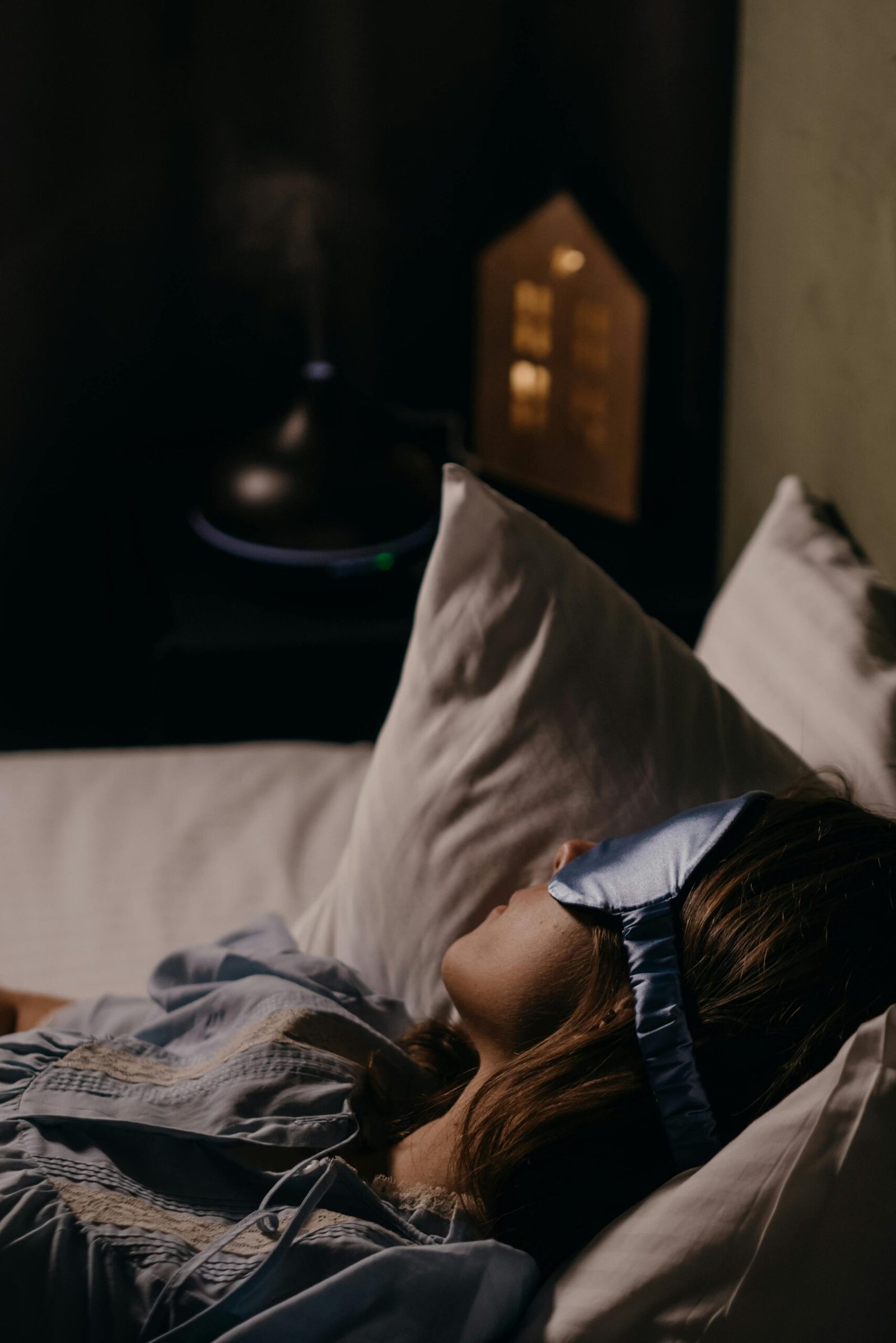
Poor sleep and poor mental health feed each other in a relentless cycle — but building a healthy sleep routine can interrupt that cycle and transform how you think, feel, and cope every single day.
If you’ve ever spent a sleepless night spiraling through anxious thoughts, or dragged yourself through a day after broken rest feeling emotionally raw and overwhelmed, you already know the connection between sleep and mental health is real. What you might not know is just how profound and scientifically well-documented that connection actually is — and more importantly, how achievable meaningful change really is.
In 2026, sleep health has moved firmly into the mainstream mental wellness conversation. Researchers, clinicians, and everyday people are recognizing that no amount of therapy, meditation, or self-care fully compensates for chronic sleep deprivation. Sleep isn’t a luxury or a passive activity. It’s when your brain processes emotions, consolidates memories, clears metabolic waste, and essentially performs its nightly maintenance. Getting it right changes everything.
This guide walks you through the science, the strategies, and the small but powerful daily habits that form a genuinely healthy sleep routine — one designed not just to help you sleep longer, but to support your mental health from the inside out.
This article is for informational purposes only and is not a substitute for professional medical advice. If you are experiencing significant sleep disturbances or mental health challenges, please consult a qualified healthcare professional.
Why Sleep and Mental Health Are Inseparable
The relationship between sleep and mental health isn’t just correlation — it’s deeply biological. During sleep, particularly during REM (rapid eye movement) stages, your brain actively processes emotional experiences from the day. The amygdala, your brain’s threat-detection center, gets recalibrated. Stress hormones like cortisol are regulated. Neurotransmitters including serotonin, dopamine, and norepinephrine — all central to mood stability — are replenished.
When sleep is disrupted or insufficient, this entire system falters. A landmark 2024 study published in the journal Nature Mental Health found that adults sleeping fewer than six hours per night were 2.5 times more likely to report clinically significant symptoms of anxiety and depression compared to those sleeping seven to nine hours. That’s not a minor effect — it’s transformative at a population level.
The relationship also runs in both directions. Anxiety makes it harder to fall asleep. Depression often disrupts sleep architecture, causing early morning waking or excessive sleeping. PTSD fragments sleep through nightmares and hyperarousal. This bidirectional nature means that improving your sleep isn’t just a nice addition to your mental wellness toolkit — it can be one of the most direct interventions available.
The Brain During Sleep: What’s Actually Happening
Understanding what your brain does overnight helps explain why a healthy sleep routine matters so much. Sleep unfolds in cycles of roughly 90 minutes, each containing lighter NREM stages, deep slow-wave sleep, and REM sleep. Deep sleep is when your glymphatic system — essentially your brain’s waste disposal network — flushes out toxic proteins including those associated with cognitive decline. REM sleep is when emotional memory processing peaks.
Disrupting these cycles — whether through inconsistent sleep timing, alcohol, screen exposure, or stress — doesn’t just leave you tired. It leaves your brain emotionally dysregulated, cognitively slower, and less resilient to the inevitable stresses of daily life. Over time, chronic disruption accumulates into something far more serious.
The Foundations of a Healthy Sleep Routine
Building a healthy sleep routine doesn’t mean overhauling your entire life overnight. It means establishing consistent, evidence-based habits that signal to your brain and body that rest is coming — and creating conditions where quality sleep can actually occur. Think of it as building a relationship with sleep rather than forcing it.
Consistency Is the Cornerstone
Your body runs on a circadian rhythm — a roughly 24-hour internal clock governed largely by light exposure and reinforced by behavioral patterns. The single most powerful thing you can do for sleep quality is go to bed and wake up at the same time every day, including weekends. This consistency trains your circadian rhythm to anticipate sleep, making it easier to fall asleep, stay asleep, and wake feeling genuinely refreshed.
Research from the American Academy of Sleep Medicine in 2025 found that irregular sleep timing — even when total sleep hours were adequate — was independently associated with increased rates of depression and anxiety. The conclusion was clear: it’s not just how much you sleep, but when and how consistently.
Start by choosing a wake time you can realistically maintain seven days a week, then work backward to determine your target bedtime based on your desired sleep duration (for most adults, seven to nine hours). Protect that wake time even after a difficult night. Sleeping in to “recover” disrupts your rhythm far more than it helps.
Designing a Wind-Down Window
Your nervous system cannot switch from high alert to deep rest in an instant. It needs a transition period — what sleep scientists call a wind-down window — of at least 30 to 60 minutes before your target bedtime. This is the period when you deliberately lower physiological arousal and signal to your brain that the day is ending.
Effective wind-down activities include:
- Gentle stretching or restorative yoga
- Reading physical books or e-readers without blue light emission
- Journaling — particularly gratitude or worry-offloading exercises
- Taking a warm bath or shower (the subsequent drop in body temperature triggers sleepiness)
- Listening to calm music, nature sounds, or a sleep-focused podcast
- Light breathing exercises such as box breathing or the 4-7-8 technique
What doesn’t work as a wind-down: checking email, scrolling social media, watching intense television, having difficult conversations, or mentally rehearsing tomorrow’s to-do list. These activities keep your sympathetic nervous system activated — the exact opposite of what sleep requires.
Your Sleep Environment: The Underestimated Factor
You can have the best intentions in the world about sleep, but if your bedroom environment is working against you, your efforts will be significantly undermined. Sleep environment optimization is one of the fastest, most concrete ways to improve both sleep quality and the mental health benefits that follow.
Light, Temperature, and Sound
Light is the most powerful regulator of your circadian rhythm. Evening exposure to bright light — especially the blue-wavelength light emitted by smartphones, tablets, and LED screens — suppresses melatonin production and delays sleep onset. In 2026, the evidence on this is unambiguous. Dim your home lighting in the hour before bed, use blue-light-blocking settings on devices (or better, put them away), and make your bedroom as dark as possible for sleeping.
Temperature matters more than most people realize. Your core body temperature needs to drop by approximately one to two degrees Fahrenheit to initiate and maintain sleep. The optimal bedroom temperature for most adults is between 60 and 67°F (15–19°C). If your bedroom runs warm, a fan, cooling mattress pad, or lighter bedding can make a measurable difference to your sleep depth and continuity.
Sound is highly individual. Some people sleep best in complete silence; others find that background noise — white noise, pink noise, or nature sounds — masks disruptive environmental sounds and promotes deeper sleep. If noise is a persistent issue in your environment, earplugs or a quality white noise machine are low-cost, high-impact solutions.
Your Bed as a Sleep Sanctuary
One principle from cognitive behavioral therapy for insomnia (CBT-I) — widely considered the gold standard treatment for chronic insomnia — is stimulus control. This means using your bed only for sleep and intimacy, not for working, eating, watching television, or scrolling your phone. When your brain associates your bed exclusively with sleep, lying down becomes a powerful cue for drowsiness rather than alertness or anxiety.
If you find yourself lying awake for more than 20 minutes, CBT-I recommends getting up and doing something calm in dim light until you feel sleepy, then returning to bed. This prevents your brain from learning to associate your bed with wakefulness and frustration — a pattern that underlies much chronic insomnia.
Daytime Habits That Shape Nighttime Sleep
A healthy sleep routine isn’t only about what you do in the evening. Your daytime choices create the neurological and physiological conditions that determine how well you sleep that night. Sleep health is a 24-hour project.
Morning Light Exposure
Getting natural light exposure within the first hour of waking is one of the most effective — and free — things you can do for your sleep-wake cycle. Morning light anchors your circadian rhythm, boosts daytime cortisol (which helps you feel alert and focused), and sets a timer for melatonin release approximately 12 to 16 hours later. Even on cloudy days, outdoor light is significantly brighter than indoor lighting.
A 10 to 20 minute morning walk outside accomplishes multiple sleep-supporting goals simultaneously: light exposure, gentle physical activity, and often a reduction in morning rumination or anxiety. For those in northern latitudes during winter months in the UK, Canada, or northern USA, a daylight therapy lamp used in the morning can provide similar circadian benefits.
Exercise, Caffeine, and Alcohol
Regular physical activity is one of the most reliable evidence-based interventions for improving both sleep quality and mental health simultaneously. A 2025 meta-analysis in Sleep Medicine Reviews found that moderate aerobic exercise reduced the time it took participants to fall asleep by an average of 15 minutes and increased deep sleep duration by 18%. The timing matters: morning or afternoon exercise is ideal. Vigorous exercise within two to three hours of bedtime can delay sleep onset for some people by elevating core temperature and adrenaline.
Caffeine deserves more attention than most people give it. It has a half-life of approximately five to seven hours, meaning that a 3pm coffee still has half its caffeine active in your system at 8 or 9pm. Many sleep specialists recommend a caffeine cutoff of noon or 1pm for anyone experiencing sleep difficulties. This feels dramatic until you actually try it and notice the difference.
Alcohol is widely misunderstood as a sleep aid. While it can help you fall asleep faster, it significantly disrupts sleep architecture — suppressing REM sleep in the first half of the night and causing rebound arousal in the second half. The result is sleep that looks sufficient by the clock but feels unrestorative. If mental health support is a goal, reducing alcohol intake is one of the most impactful changes you can make to your sleep routine.
Managing Stress and Mental Load During the Day
One of the most common reasons people struggle to sleep is an overfull mental load at bedtime. The thoughts and worries that didn’t get processed during a busy day rush in the moment your head hits the pillow. Building intentional stress-processing habits during the day — brief mindfulness breaks, a midday 10-minute walk, or a short afternoon journaling session — reduces the cognitive backlog that makes nighttime rumination so difficult to escape.
Scheduling a “worry period” — a dedicated 15 to 20 minute window in the late afternoon to consciously write down concerns and any possible action steps — is a technique supported by research at Penn State University and increasingly recommended by sleep psychologists. By giving worries a legitimate time and place, you give your brain permission to defer them at night.
Sleep Across Different Life Stages and Circumstances
Sleep needs and challenges vary across life stages, and a healthy sleep routine looks different depending on where you are. Parents of young children, shift workers, perimenopausal women, teenagers, and older adults all face distinct sleep challenges that deserve acknowledgment rather than generic advice.
Perimenopause and menopause, for example, bring hormonal shifts that frequently disrupt sleep through night sweats, insomnia, and altered sleep architecture. Women in this stage represent a significant proportion of those seeking sleep support, and the evidence base for both CBT-I and hormone therapy as sleep interventions has grown considerably in recent years. Speaking with a healthcare provider about sleep changes during this life stage is genuinely worthwhile.
Shift workers face a fundamental conflict between their work schedule and their circadian biology. Strategic use of light therapy, melatonin timing, blackout curtains for daytime sleeping, and careful meal timing can help — but shift work will always carry some circadian cost, and acknowledging this with self-compassion rather than pushing through relentlessly is itself a form of mental health care.
For parents of infants and young children, the goal isn’t a perfect sleep routine but rather maximizing sleep quality in the windows available, leaning on support networks, and knowing that this season is temporary. Research consistently shows that sleep deprivation in new parents significantly increases postpartum depression and anxiety risk — making sleep a genuine priority rather than a selfish indulgence.
When to Seek Professional Support
Building a healthy sleep routine through lifestyle changes is powerful and evidence-based — but it isn’t always sufficient, and knowing when to reach further is important. If you’ve been consistently applying good sleep hygiene for four to six weeks without meaningful improvement, or if sleep difficulties are significantly affecting your work, relationships, or mental health, it’s time to speak with a professional.
Cognitive Behavioral Therapy for Insomnia (CBT-I) is available through licensed therapists, clinical psychologists, and increasingly through digital platforms and apps. It is the most effective long-term treatment for chronic insomnia, outperforming sleep medication in most studies for sustained results without dependency risks.
Conditions including sleep apnea, restless legs syndrome, circadian rhythm disorders, and narcolepsy require clinical diagnosis and specific treatment. If your partner reports that you snore heavily, stop breathing during sleep, or if you regularly feel unrefreshed despite adequate hours, a sleep study is worth discussing with your doctor. In Australia and New Zealand, many GP clinics now offer sleep health screenings as part of routine wellness checks — a development that reflects how seriously the medical community takes sleep in 2026.
Mental health professionals are also increasingly trained in the intersection of sleep and psychological wellbeing. A therapist who understands how anxiety and insomnia reinforce each other can address both simultaneously rather than treating them as separate problems — which is exactly what the evidence suggests they require.
Frequently Asked Questions
How long does it take to build a healthy sleep routine?
Most people notice meaningful improvements in sleep quality within two to four weeks of consistently applying evidence-based sleep habits. Your circadian rhythm begins adjusting to a consistent sleep-wake schedule within a few days, but deeper changes — including reduced nighttime waking and improved sleep architecture — often take three to four weeks to stabilize. Be patient and focus on consistency over perfection.
Can improving my sleep really reduce anxiety and depression symptoms?
Yes — and this is one of the most well-supported findings in modern mental health research. Improving sleep quality and consistency has been shown in multiple clinical studies to reduce symptoms of both anxiety and depression, sometimes significantly. A 2024 Oxford University study found that a six-week sleep improvement program reduced anxiety symptoms by 20% in participants with no other treatment changes. Sleep isn’t a cure, but it is a genuinely powerful intervention.
Is it okay to nap if I’m not sleeping well at night?
Short naps of 10 to 20 minutes taken before 3pm can restore alertness and improve mood without significantly disrupting nighttime sleep. However, longer naps or those taken late in the afternoon can reduce sleep pressure — the biological drive for sleep that builds throughout the day — making it harder to fall asleep at your target bedtime. If you’re working on consolidating nighttime sleep, it’s generally better to limit or avoid napping until your sleep routine is stable.
Does melatonin actually help with sleep?
Melatonin supplements are most effective for circadian rhythm issues — such as jet lag, shift work adjustment, or delayed sleep phase — rather than for general insomnia. For most people, melatonin helps with the timing of sleep more than with sleep quality or depth. If you do use melatonin, lower doses (0.5 to 1mg) taken 30 to 60 minutes before your target bedtime are generally as effective as higher doses and produce fewer side effects. Always consult a healthcare provider before starting any supplement.
Why do I wake up at 3am with racing thoughts?
Waking in the early hours with an active mind is extremely common and has both biological and psychological roots. Sleep naturally lightens in the second half of the night as REM cycles lengthen, making it easier to be pulled into wakefulness. If your cortisol is slightly elevated due to stress, anxiety, or alcohol consumption, this natural lightening can tip into full wakefulness. Anxiety about not sleeping compounds the problem. Strategies like keeping a notepad by your bed to offload thoughts, practicing slow breathing without pressure to sleep, and avoiding checking the clock can all help break the cycle.
How does screen time really affect sleep?
Screen time affects sleep through two main mechanisms: blue light suppression of melatonin, and cognitive and emotional stimulation from content. The light exposure effect is real but can be largely mitigated with blue-light filters or screen dimming. The stimulation effect is often the bigger issue — news, social media, and emotionally engaging content activate your brain’s alertness and threat-detection systems in ways that are difficult to switch off quickly. Ending screen use 45 to 60 minutes before bed addresses both factors simultaneously.
What if I’ve struggled with poor sleep my entire life — can I actually change it?
Absolutely. Sleep is a learned behavior supported by biological systems that respond to environmental and behavioral cues — and those cues can be changed at any age. CBT-I has shown effectiveness in adults in their seventies and eighties. People who have struggled with poor sleep for decades regularly achieve lasting improvement through consistent habit changes, sometimes with professional support. Your history of poor sleep doesn’t define your future sleep. The brain is more adaptable than we often give it credit for.
Your Next Step Toward Better Sleep and Mental Wellness
You don’t need to implement every strategy in this guide at once. The most sustainable approach is to choose one or two changes that feel genuinely manageable — perhaps a consistent wake time and a 30-minute wind-down window — and practice them with real commitment for two to three weeks before adding more. Small, consistent steps compound into profound change over time.
Building a healthy sleep routine is one of the most compassionate, evidence-backed gifts you can give your mental health. It costs nothing, requires no prescription, and yields benefits that ripple through every dimension of your wellbeing — your mood, your relationships, your resilience, your sense of self. You deserve rest that actually restores you. And with the right foundations in place, that rest is genuinely within reach.
At The Calm Harbour, we believe that mental wellness is built one healthy habit at a time — and sleep is where so much of that foundation begins. If this article resonated with you, explore our resources on anxiety management, mindfulness practices, and emotional resilience to continue building the life of calm and clarity you’re working toward. You’re not alone in this, and you’re already moving in the right direction.
Leave a Reply