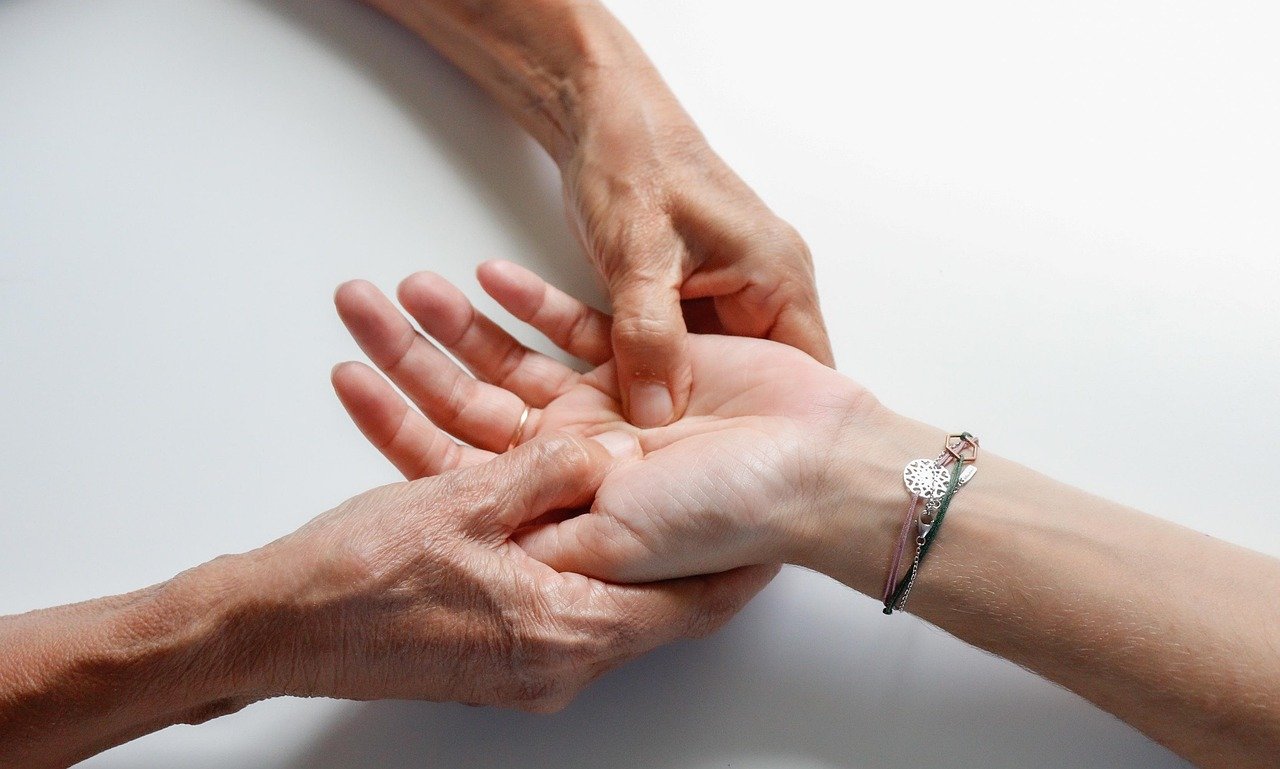
Trauma is one of the most misunderstood forces shaping human mental health — yet research shows that over 70% of adults worldwide have experienced at least one traumatic event in their lifetime. Whether it stems from a single devastating moment or years of ongoing harm, trauma can quietly rewire the way we think, feel, and relate to the world around us. If you’ve ever wondered why certain memories won’t let go, why your body tenses at seemingly harmless triggers, or why emotional pain from the past still feels so present — this guide is for you.
Understanding what trauma actually is, how it takes root in the nervous system, and what genuine recovery looks like can be profoundly liberating. This isn’t about reliving pain. It’s about making sense of it — and finding a path forward.
This article is for informational purposes only and is not a substitute for professional medical advice. If you are struggling with the effects of trauma, please reach out to a qualified mental health professional.
The Real Definition of Trauma (It’s More Than Just a Bad Experience)
Many people dismiss their own pain by thinking, “What happened to me wasn’t bad enough to be trauma.” This is one of the most damaging misconceptions in mental wellness today. Trauma isn’t defined by the event itself — it’s defined by the impact that event has on your nervous system and sense of self.
The American Psychological Association defines psychological trauma as an emotional response to a deeply distressing or disturbing event that overwhelms an individual’s ability to cope. Crucially, two people can experience the identical event and have entirely different responses — and both are valid.
Types of Trauma
Mental health professionals typically recognise several distinct categories:
- Acute trauma results from a single, isolated event — a car accident, sexual assault, natural disaster, or sudden loss of a loved one.
- Chronic trauma develops from repeated, prolonged exposure to distressing circumstances — domestic violence, childhood neglect, ongoing bullying, or living in a war zone.
- Complex trauma (C-PTSD) arises from multiple traumatic events, often interpersonal in nature and occurring during formative years. This can fundamentally shape identity and attachment patterns.
- Developmental trauma refers to adverse childhood experiences (ACEs) that occur during critical windows of brain development, affecting emotional regulation and cognitive growth.
- Secondary or vicarious trauma affects caregivers, first responders, journalists, and therapists who are repeatedly exposed to others’ traumatic experiences.
- Collective trauma impacts entire communities — think of the lasting psychological effects of the COVID-19 pandemic, racial violence, or mass casualty events.
Recognising which type of trauma you may be carrying is the first step toward understanding your mental health landscape — and seeking the right kind of support.
How Trauma Rewires the Brain and Body
Trauma isn’t just an emotional memory. It is a physiological event that leaves measurable changes in brain structure and function. This is why the effects of trauma and mental health are so deeply intertwined — they share the same biological roots.
The Nervous System’s Survival Response
When you encounter a perceived threat, your brain’s amygdala — the alarm system — fires instantly, triggering the release of stress hormones like cortisol and adrenaline. Your body enters fight, flight, or freeze mode. This response is intelligent and adaptive in the short term. The problem arises when the threat passes but the nervous system doesn’t fully reset.
In people with unresolved trauma, the amygdala remains hypervigilant — scanning constantly for danger even in safe environments. A 2024 neuroimaging study published in Nature Neuroscience found that individuals with PTSD showed significantly reduced activity in the prefrontal cortex (the rational thinking brain) and heightened amygdala reactivity compared to non-traumatised controls. This biological imbalance helps explain why traumatised individuals often feel they “can’t just calm down” — their brains are genuinely operating differently.
The Body Keeps the Score
Pioneering psychiatrist Dr. Bessel van der Kolk’s decades of research confirmed what many trauma survivors intuitively know: trauma lives in the body. Chronic muscle tension, digestive issues, fatigue, sleep disturbances, and an overactive stress response are all somatic expressions of unprocessed trauma. The nervous system encodes traumatic memories differently than ordinary ones — often as fragmented sensory impressions rather than coherent narratives. This is why trauma responses can be triggered by a smell, a tone of voice, or a physical sensation rather than a clear conscious memory.
Key Brain Regions Affected
- Hippocampus: Responsible for contextualising memories in time and place. Trauma can shrink hippocampal volume, making it harder to file memories as “past” — they feel perpetually present.
- Amygdala: Becomes overactive, generating fear responses disproportionate to actual current threat levels.
- Prefrontal Cortex: Becomes underactive, impairing decision-making, emotional regulation, and the ability to distinguish past from present danger.
- Insula: Affects interoception (awareness of internal bodily sensations), contributing to dissociation or emotional numbing.
The Mental Health Conditions Most Linked to Trauma
Trauma is a significant risk factor for a wide range of mental health conditions. Understanding these connections doesn’t mean a diagnosis is inevitable — many trauma survivors lead deeply fulfilling lives — but awareness enables earlier intervention and more targeted care.
Post-Traumatic Stress Disorder (PTSD)
PTSD is the condition most commonly associated with trauma. According to the World Health Organization’s 2025 global mental health report, approximately 3.9% of the world’s population meets diagnostic criteria for PTSD at any given time — with rates significantly higher among combat veterans, sexual assault survivors, and refugees. Symptoms include intrusive flashbacks, nightmares, severe anxiety, emotional numbing, and persistent avoidance of trauma-related cues.
Complex PTSD
While not yet universally codified in diagnostic manuals, C-PTSD is widely recognised by clinicians and researchers. It includes the core symptoms of PTSD plus profound difficulties with emotional regulation, chronic feelings of shame and worthlessness, disrupted identity, and troubled interpersonal relationships. It is most commonly observed in survivors of childhood abuse, prolonged domestic violence, and human trafficking.
Depression and Anxiety
A landmark 2023 meta-analysis in The Lancet Psychiatry found that individuals with a history of childhood trauma are 2.5 to 3 times more likely to develop major depressive disorder and generalised anxiety disorder in adulthood. Trauma disrupts the brain’s reward circuitry and stress-response baseline, making ongoing low mood, excessive worry, and social withdrawal far more likely.
Dissociative Disorders
When trauma is overwhelming, the mind can compartmentalise the experience as a protective mechanism. Dissociation ranges from mild detachment (feeling “spaced out” or emotionally disconnected) to complex conditions like Dissociative Identity Disorder. These responses, while disorienting, reflect the brain’s extraordinary effort to shield the self from unbearable pain.
Substance Use and Behavioural Addictions
Trauma is one of the strongest predictors of substance misuse. Many survivors use alcohol, drugs, or compulsive behaviours to self-medicate the chronic hyperarousal, emotional pain, and intrusive memories associated with their experiences. Treating addiction without addressing the underlying trauma typically results in relapse — which is why trauma-informed approaches to addiction care have become standard best practice across the USA, UK, Canada, Australia, and New Zealand.
Recognising the Signs That Trauma May Be Affecting You
Trauma doesn’t always look like what we see in films. It rarely announces itself clearly. More often, it shows up in subtle, confusing patterns that can feel like personal failings rather than understandable responses to injury.
Emotional and Psychological Signs
- Persistent feelings of shame, guilt, or worthlessness that feel disproportionate to current circumstances
- Emotional numbness, detachment, or feeling “not quite real”
- Intense emotional reactions that seem out of proportion to the triggering event
- Chronic feelings of hopelessness or inability to imagine a positive future
- Difficulty trusting others or feeling chronically unsafe in relationships
- Persistent low self-esteem or a deeply held belief that you are fundamentally broken
Physical and Behavioural Signs
- Chronic pain, tension headaches, or gastrointestinal issues without clear medical cause
- Sleep disturbances including insomnia, nightmares, or hypersomnolence
- Startling easily or feeling constantly “on edge”
- Avoiding people, places, or situations that feel threatening even when objectively safe
- Difficulty concentrating, memory problems, or a persistent “foggy” mental state
- Engaging in self-destructive or risk-taking behaviours
If several of these patterns resonate with you, it doesn’t mean something is permanently wrong with you. It means your nervous system learned to survive difficult circumstances — and with the right support, it can also learn to heal.
Evidence-Based Paths to Trauma Recovery
The science of trauma recovery has advanced enormously in the past decade. There is now strong evidence for multiple treatment modalities, and the most effective approaches tend to be those tailored to the individual’s specific trauma history, nervous system profile, and personal preferences.
Trauma-Focused Therapies
EMDR (Eye Movement Desensitisation and Reprocessing) has become one of the most recommended trauma treatments globally. Endorsed by the WHO, NHS in the UK, and the American Psychiatric Association, EMDR helps the brain process and reintegrate fragmented traumatic memories through bilateral sensory stimulation. Multiple randomised controlled trials show it produces significant PTSD symptom reduction in fewer sessions than traditional talk therapy.
Trauma-Focused Cognitive Behavioural Therapy (TF-CBT) combines cognitive restructuring with gradual, supported exposure to trauma memories. It is particularly effective for children, adolescents, and adults with acute trauma or PTSD and has a robust evidence base across diverse cultural contexts.
Somatic therapies — including Somatic Experiencing (developed by Dr. Peter Levine) and Sensorimotor Psychotherapy — work directly with the body’s stored trauma responses. These approaches are especially valuable when trauma is preverbal or when clients have difficulty accessing memories through verbal processing alone.
Lifestyle and Self-Support Strategies
While professional therapy is the cornerstone of trauma recovery, daily practices can meaningfully support healing:
- Regulated nervous system practices: Diaphragmatic breathing, cold exposure, and progressive muscle relaxation activate the parasympathetic nervous system, signalling safety to a dysregulated brain.
- Mindfulness-based approaches: A 2024 meta-analysis in JAMA Psychiatry confirmed that mindfulness-based stress reduction (MBSR) significantly reduces PTSD and depression symptoms — though it works best as a complement to, not a replacement for, trauma-focused therapy.
- Physical movement: Regular aerobic exercise reduces cortisol, increases BDNF (brain-derived neurotrophic factor, which supports neuroplasticity), and has been shown to reduce trauma-related depression by up to 30% in some studies.
- Safe connection: Co-regulation — the process of calming your nervous system through connection with a safe, regulated person — is one of the most powerful healing mechanisms available. This can come from therapy, trusted friendships, support groups, or community.
- Trauma-informed journaling: Writing about traumatic experiences in a structured, titrated way — not flooding yourself with intense memories — has been shown to improve psychological integration and reduce intrusive symptoms over time.
Medication as a Supportive Tool
Medication does not cure trauma, but it can reduce the intensity of symptoms enough to make therapeutic work possible. SSRIs (particularly sertraline and paroxetine) are first-line pharmacological treatments for PTSD in most Western countries. Prazosin is commonly used for trauma-related nightmares. Emerging research from 2025 is exploring the therapeutic use of MDMA-assisted psychotherapy and ketamine for treatment-resistant PTSD, with cautiously promising early results.
Frequently Asked Questions About Trauma and Mental Health
Can trauma happen even if an event seems minor compared to what others experience?
Absolutely. Trauma is not a competition. The severity of trauma is determined by its impact on your nervous system — not by how it compares to someone else’s experience. Dismissing your own pain because “others have it worse” is one of the most common barriers to seeking help. Your experience is valid exactly as it is.
How long does it take to recover from trauma?
Recovery timelines vary enormously depending on the type, duration, and severity of the trauma, the age at which it occurred, available support systems, and the treatment approach used. Acute trauma with strong social support may resolve within months. Complex or developmental trauma can require years of sustained therapeutic work. What matters most is not speed but direction — consistent, compassionate movement toward healing.
Is it possible to fully recover from trauma, or does it always leave a mark?
Many trauma survivors achieve what clinicians call “post-traumatic growth” — not just a return to baseline functioning, but a deeper sense of resilience, purpose, and connection that they attribute to their healing journey. Full recovery, for most people, doesn’t mean forgetting what happened. It means the memory no longer controls your present. The nervous system can achieve genuine equilibrium, relationships can become secure, and life can feel genuinely meaningful again.
What is the difference between grief and trauma?
Grief is the natural, expected emotional response to loss — it tends to move in waves and gradually integrate over time. Trauma, by contrast, is characterised by a nervous system that becomes stuck in a state of threat response. The two can co-exist — a sudden or violent loss, for instance, can be both a grief experience and a traumatic one. When grief is complicated by traumatic elements (such as witnessing a death, or loss through suicide), trauma-informed support is especially important.
Can children recover from childhood trauma?
Yes — and early intervention dramatically improves outcomes. Children’s brains are highly neuroplastic, meaning they are capable of significant positive change when given safe, supportive, and therapeutically appropriate care. Protective factors like at least one stable, loving adult relationship, access to trauma-informed education, and timely therapeutic support can meaningfully mitigate the long-term mental health impacts of adverse childhood experiences.
How do I support a loved one who has experienced trauma without making things worse?
The most powerful things you can offer are consistent presence, non-judgement, and patience. Avoid pressing for details of traumatic events, minimising their experience, or telling them to “move on.” Instead, ask what kind of support they need, believe them when they share their experience, educate yourself about trauma responses, and gently encourage professional support when appropriate. Taking care of your own mental health in this process is equally important — supporting a trauma survivor can be emotionally demanding work.
When should I seek professional help for trauma?
If trauma-related symptoms — such as flashbacks, hypervigilance, emotional numbness, persistent nightmares, or difficulty functioning in daily life — have lasted more than a few weeks and are affecting your relationships, work, or quality of life, professional support is warranted. You don’t need to be in crisis to deserve help. Reaching out early, before symptoms become entrenched, is always a sound choice. In the USA, UK, Canada, Australia, and New Zealand, both public and private trauma-specific mental health services are increasingly accessible — including telehealth options for those in rural or underserved areas.
Trauma may be part of your story — but it doesn’t have to be the whole story. Healing is not about erasing the past; it’s about reclaiming your present and your future. Whether you’re just beginning to recognise the ways trauma has shaped your life or you’re well along the path of recovery, know this: you are not broken, your responses make sense, and genuine healing is possible. The bravest thing you can do is take one small step toward support today — because you deserve to feel safe, whole, and truly at home in your own life. If you’re ready to explore that journey, thecalmharbour.com is here to walk alongside you.
Leave a Reply