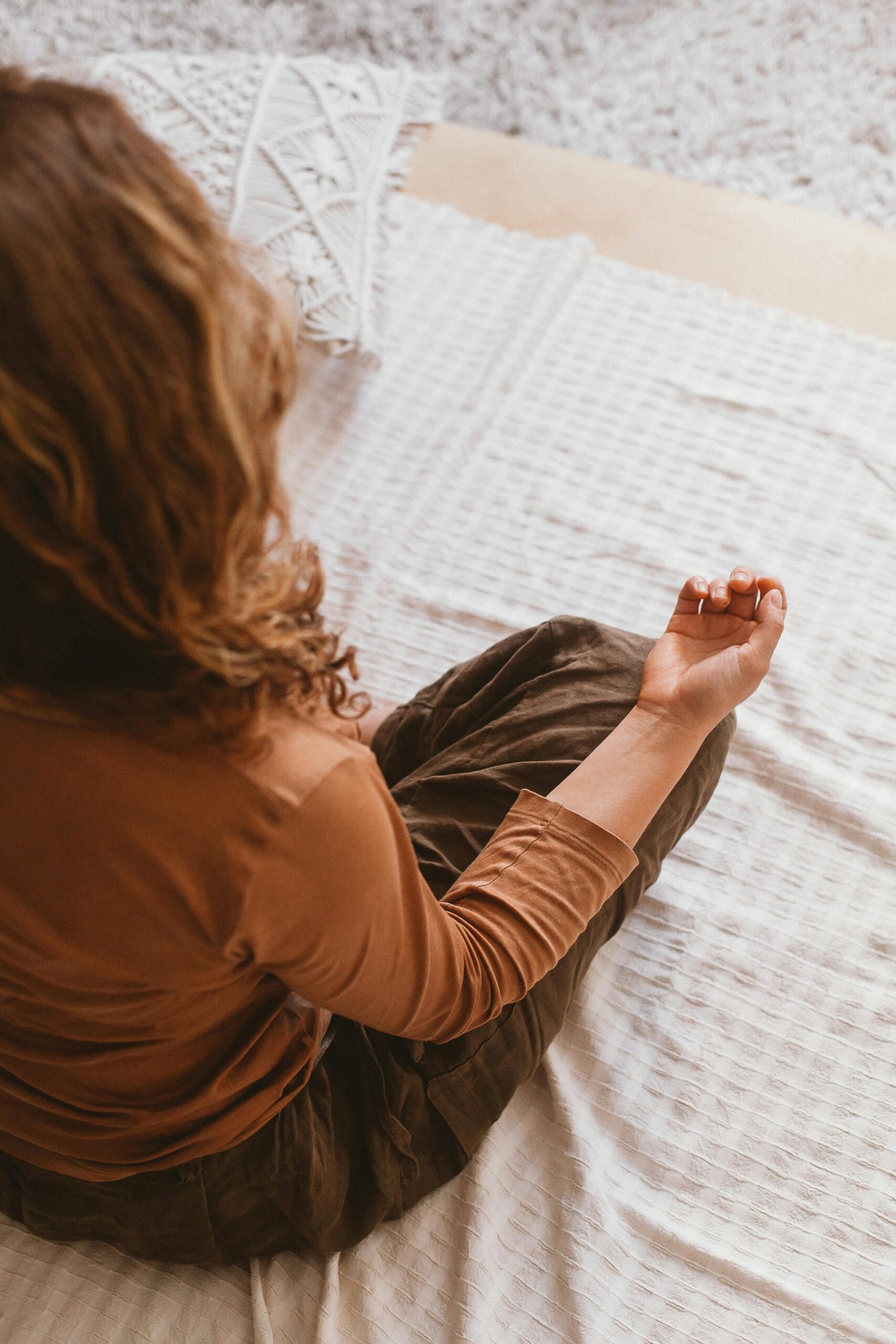
Two Powerful Paths to Inner Peace — Which One Is Right for You?
Choosing between transcendental meditation vs mindfulness meditation could be one of the most meaningful decisions you make for your mental health in 2026. Both practices have transformed millions of lives, reduced anxiety, improved sleep, and sharpened focus — yet they work in fascinatingly different ways. If you’ve ever felt confused about which path to take, you’re in excellent company. This guide breaks down everything you need to know, from the science and the techniques to the honest pros and cons, so you can choose with confidence.
Before we dive in, a quick note: This article is for informational purposes only and is not a substitute for professional medical advice. If you’re managing a mental health condition, please speak with a qualified healthcare provider before beginning any new meditation practice.
Understanding the Foundations: Where These Practices Come From
The Roots of Transcendental Meditation
Transcendental Meditation (TM) was introduced to the Western world by Maharishi Mahesh Yogi in the 1950s and gained enormous popularity when figures like The Beatles and David Lynch embraced it publicly. Rooted in the ancient Vedic tradition of India, TM is a highly structured, technique-specific practice that involves silently repeating a personalised mantra for 20 minutes, twice daily. The mantra — a specific Sanskrit sound — is assigned by a certified TM instructor and is considered personal and private. The goal is to allow the mind to settle into a state of “pure consciousness,” a deeply restful yet alert awareness that TM practitioners call transcendence.
Today, TM is taught through the Maharishi Foundation and affiliated organisations worldwide. Learning TM involves a formal course with a certified teacher, which typically costs between $380 and $1,000 depending on your country and circumstances. Sliding-scale fees are often available for students and those with financial hardship.
The Roots of Mindfulness Meditation
Mindfulness meditation draws from Buddhist traditions dating back over 2,500 years, though its modern, secular form was largely shaped by Dr. Jon Kabat-Zinn, who developed Mindfulness-Based Stress Reduction (MBSR) at the University of Massachusetts in 1979. Unlike TM, mindfulness is an open-access practice — you can learn the basics from a book, an app, or a YouTube video without spending a cent. Its core principle is simple but profound: pay deliberate, non-judgmental attention to the present moment, including your thoughts, feelings, body sensations, and surrounding environment.
Mindfulness has exploded in mainstream culture. In 2026, the global mindfulness app market is valued at over $4 billion, and mindfulness programs are now embedded in schools, hospitals, corporate wellness programmes, and even military training across the USA, UK, Canada, Australia, and New Zealand.
How Each Practice Actually Works: Technique Side by Side
The TM Technique in Practice
When you practise TM, you sit comfortably with your eyes closed and effortlessly introduce your personal mantra. There’s no concentration involved — no forcing, no controlling your breathing, no trying to “empty your mind.” Instead, you allow thought to become more refined until the mind naturally settles. If thoughts arise, you gently return to the mantra without judgement. This effortlessness is central to TM’s philosophy. Practitioners typically report entering a state of deep physical rest within minutes, often described as more restful than sleep.
- Duration: 20 minutes, twice daily (morning and afternoon)
- Eyes: Closed
- Focus: Personalised mantra (Sanskrit sound)
- Effort level: Effortless — no concentration required
- Learning: Must be taught by a certified TM instructor
- Cost: Paid course required
The Mindfulness Technique in Practice
Mindfulness meditation comes in many forms — breath awareness, body scan, loving-kindness (metta), open monitoring, and more. The most common starting point is breath-focused mindfulness: you sit quietly, close your eyes, and bring your full attention to the physical sensation of breathing. When your mind wanders (and it will — that’s completely normal and even part of the practice), you notice where it went without self-criticism and gently return your focus. Over time, this trains the brain to be less reactive, more self-aware, and better at sitting with discomfort rather than automatically fleeing it.
- Duration: Flexible — 5 to 45 minutes, once or twice daily
- Eyes: Closed or softly open
- Focus: Breath, body, sounds, thoughts, or open awareness
- Effort level: Gentle but active attention required
- Learning: Self-taught or guided; formal MBSR courses available
- Cost: Free to low-cost options widely available
What the Science Actually Says: Research Findings in 2026
When it comes to transcendental meditation vs mindfulness meditation, both practices are among the most thoroughly studied psychological interventions in the world. Here’s what the evidence shows.
Research Supporting Transcendental Meditation
TM has a particularly strong body of research in cardiovascular health and stress reduction. A landmark meta-analysis published in the American Heart Association journal found that TM practitioners showed significantly lower blood pressure compared to control groups, with effects comparable to first-line antihypertensive medications. The American Heart Association has recognised TM as a potentially effective technique for blood pressure reduction — a distinction no other meditation practice has received in their formal guidance documents.
A 2024 study from the David Lynch Foundation involving U.S. veterans with PTSD found that after 12 weeks of TM practice, participants showed a 48% reduction in PTSD symptom severity — a striking result that has continued to drive research interest into 2026. Additionally, neuroimaging studies show that regular TM practice increases coherence in brainwave activity, particularly in the alpha and theta frequency bands, which are associated with calm alertness and creativity.
Research Supporting Mindfulness Meditation
Mindfulness has arguably the broader research base, particularly in clinical psychology. Mindfulness-Based Cognitive Therapy (MBCT), which builds on mindfulness meditation, has been approved by the UK’s National Institute for Health and Care Excellence (NICE) as a recommended treatment for recurrent depression. A landmark meta-analysis of 209 studies found that mindfulness-based programs were moderately effective in reducing anxiety, depression, and stress across diverse populations.
A 2025 study published in JAMA Psychiatry found that an eight-week MBSR programme produced measurable structural changes in the amygdala — the brain’s threat-detection centre — reducing its grey matter density in ways that correlated with lower self-reported stress. Research also shows mindfulness improves working memory, attention regulation, and emotional resilience, making it particularly valuable for people dealing with ADHD, chronic pain, and generalised anxiety disorder.
Head-to-Head Comparisons
When researchers compare the two practices directly, results are nuanced. A 2023 comparative review in Psychological Medicine found that TM showed superior results for autonomic nervous system regulation and cardiovascular markers, while mindfulness showed stronger outcomes for cognitive flexibility and emotional processing. Neither practice is definitively “better” — they appear to work through different mechanisms and may suit different people and goals. The most honest answer science can currently give us is that both work, both have unique strengths, and the best meditation is the one you’ll actually practise consistently.
Who Benefits Most: Matching the Practice to the Person
TM May Be a Better Fit If You…
- Struggle with traditional meditation because your mind feels too “busy” — TM’s effortless approach sidesteps this challenge elegantly
- Are dealing with high-stress careers, burnout, or trauma — TM’s deep rest response is particularly restorative
- Prefer structure and a defined technique with clear instruction
- Have cardiovascular concerns or hypertension and want a complementary wellness tool (with your doctor’s guidance)
- Are drawn to a sense of inner transformation and expanded awareness
- Can commit to 20 minutes twice daily and invest in proper instruction
Mindfulness May Be a Better Fit If You…
- Want to start immediately without financial investment
- Are managing anxiety, depression, or chronic pain and want a clinically validated, therapist-integrated approach
- Prefer flexibility — shorter sessions, varied techniques, and the ability to practise informally throughout the day
- Are interested in developing greater emotional intelligence and self-awareness
- Are already working with a therapist or counsellor (MBCT and MBSR integrate well with therapy)
- Want a practice you can bring into daily activities like eating, walking, or parenting
What If You Want Both?
Good news: there’s no rule against combining practices. Many seasoned meditators use TM for their formal morning and evening sessions and weave informal mindfulness into daily activities — a mindful cup of tea, a conscious walk between meetings, a body scan before sleep. The practices aren’t competing philosophies; they’re complementary tools. Think of TM as deep, scheduled restoration and mindfulness as an ongoing, portable awareness practice you carry through every hour of your day.
Practical Getting-Started Guide: Your First Steps
Starting Transcendental Meditation
- Find a certified TM teacher. Visit the official TM website (tm.org) to locate an instructor in your city. Teachers are available across the USA, UK, Canada, Australia, and New Zealand.
- Complete the four-day introductory course. The course includes a personal instruction session and three follow-up group sessions to consolidate your technique.
- Practise consistently. Morning before breakfast and mid-afternoon are the recommended times. Even missing one session is fine — approach the practice with the same effortlessness it teaches you.
- Attend follow-up sessions. TM teachers offer ongoing checking sessions to verify your technique and help you progress.
Starting Mindfulness Meditation
- Begin with five minutes. Sit comfortably, close your eyes, and focus on the natural rhythm of your breath. When your mind wanders — and it will — gently return without self-criticism. That’s the whole practice.
- Use a guided app or resource. Insight Timer (free), Calm, and Headspace all offer excellent beginner programmes. The NHS in the UK also offers free mindfulness audio guides online.
- Try an MBSR course. Eight-week MBSR courses are available online and in-person across all five countries we serve. Many are covered by health insurance plans or employee wellness programmes in 2026.
- Build informally. Practise mindful awareness during ordinary moments — your morning shower, your commute, your meals. Consistency across small moments builds the skill faster than you might expect.
Frequently Asked Questions
Is transcendental meditation harder to learn than mindfulness?
Not harder — just different. TM requires formal instruction from a certified teacher, which some people find reassuring rather than intimidating. Mindfulness can be self-taught, but without guidance, beginners sometimes develop subtle misconceptions (like thinking they’re “failing” when thoughts arise). Both benefit from quality instruction, but TM makes professional teaching a non-negotiable part of the process.
Can I practise TM or mindfulness if I have anxiety or depression?
Both practices have strong evidence for reducing anxiety and depression symptoms. Mindfulness-Based Cognitive Therapy is particularly well-validated for recurrent depression and has NICE approval in the UK. TM has shown benefits for anxiety and stress-related disorders. That said, if you’re managing a mental health condition, always speak with your doctor or therapist before beginning a new practice — they can help you integrate meditation safely into your care plan.
How long before I notice results from meditation?
Many people notice improvements in sleep quality and a subtle reduction in reactivity within two to four weeks of consistent daily practice. More significant changes in anxiety levels, focus, and emotional regulation typically emerge after eight weeks — which is partly why the gold-standard MBSR programme runs for eight weeks. TM practitioners often report feeling calmer and more energised within the first few days, though deeper benefits build over months of regular practice.
Is TM worth the cost compared to free mindfulness resources?
This is genuinely a personal decision. TM’s cost covers personalised instruction and lifetime teacher access, and many practitioners consider it among the best investments they’ve made in their wellbeing. However, free mindfulness resources — including NHS-supported programmes, Insight Timer, and community MBSR courses — are genuinely high quality and have strong research backing. If cost is a barrier to TM, mindfulness is not a consolation prize; it’s a world-class practice in its own right.
Can children practise either type of meditation?
Yes. Mindfulness programmes are widely used in schools across the UK, USA, Australia, Canada, and New Zealand, with adaptations for children as young as five. TM also offers age-appropriate techniques for children and teenagers, with shorter session durations. Both practices have shown positive outcomes for children’s attention, emotional regulation, and wellbeing in school settings.
Do I need to sit cross-legged on the floor to meditate?
Absolutely not. Both TM and mindfulness can be practised sitting in any comfortable chair with your feet flat on the floor. The key is a position that allows you to be alert but relaxed — not so comfortable that you fall asleep, but not so rigid that tension distracts you. You can even practise mindfulness lying down (a body scan is often done this way), though TM recommends sitting upright to maintain alertness.
What if I try meditation and it doesn’t seem to work for me?
This is more common than you might think, and it’s almost never a sign that you’re incapable of meditating. Often, “it’s not working” means you’re expecting to feel blissfully blank and instead you’re noticing how busy your mind is — which is actually meditation doing exactly what it should. If you’ve tried one form and genuinely struggled, it’s worth trying the other. TM’s effortless approach helps people who feel they “can’t do” mindfulness, and vice versa. If you’re experiencing trauma, working with a trauma-informed therapist alongside meditation can also make a meaningful difference.
Your Calm Is Closer Than You Think
Whether you’re drawn to the structured, effortless depth of Transcendental Meditation or the flexible, everyday awareness of mindfulness meditation, know this: choosing either path is an act of profound self-care. The question of transcendental meditation vs mindfulness meditation doesn’t have a universal answer — it has your answer, shaped by your lifestyle, your goals, your budget, and what genuinely resonates with you. Both practices are backed by decades of rigorous research. Both have helped millions of people across the world find more peace, clarity, and resilience in their daily lives. The only “wrong” choice is waiting for the perfect moment to begin. Your calm harbour is real, it’s reachable, and it starts with a single quiet breath. We’re cheering you on every step of the way.
Leave a Reply