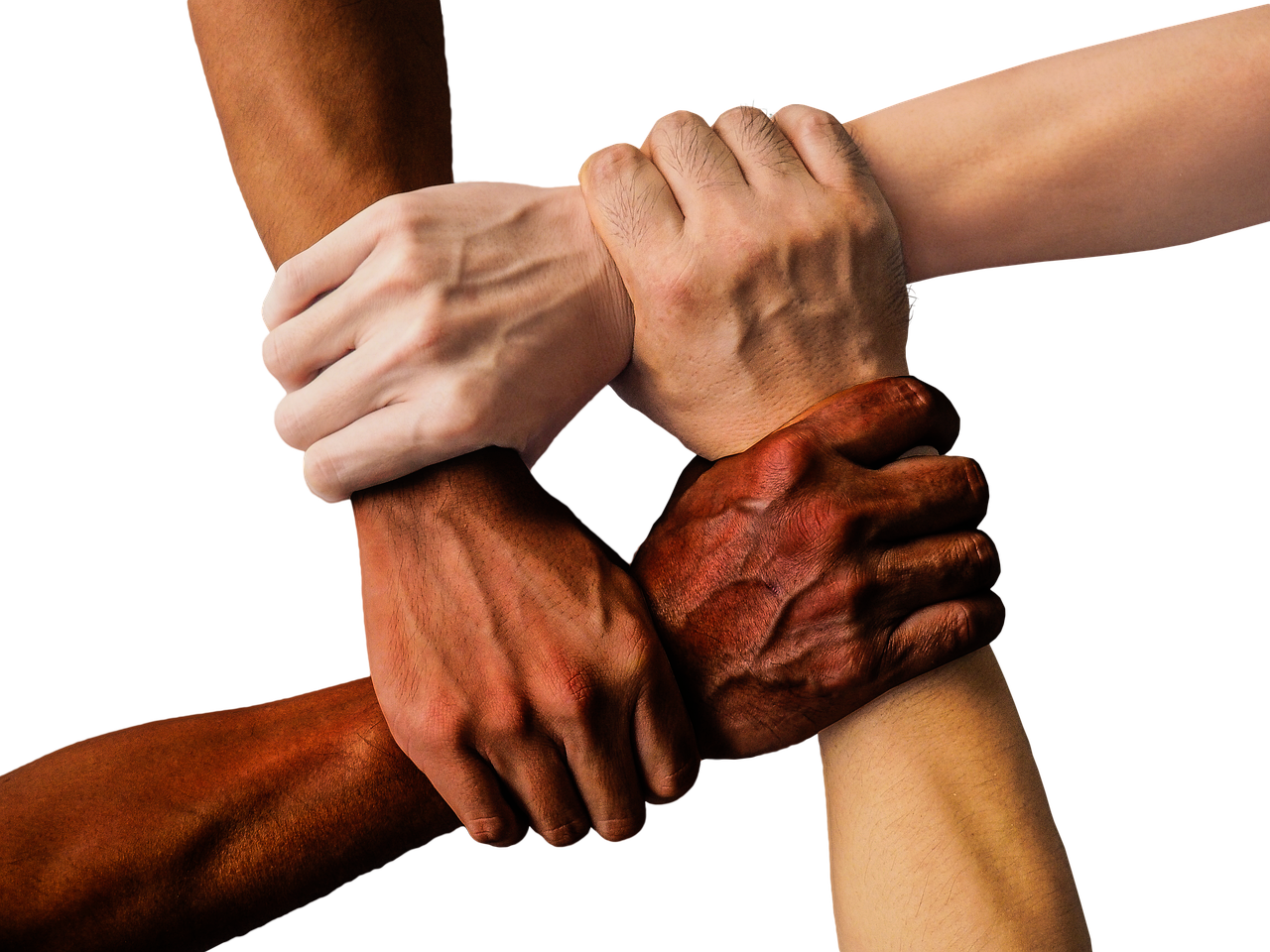
Peer support in mental health recovery is one of the most quietly powerful forces in modern wellness — and research in 2026 confirms what many survivors have known for years: being truly understood by someone who has walked a similar path changes everything.
When you’re navigating depression, anxiety, trauma, addiction, or any other mental health challenge, clinical treatment is essential — but it doesn’t always fill every gap. There’s a particular kind of comfort that comes not from a therapist’s office, but from sitting across from someone who says, “I’ve been there too.” That’s the essence of peer support, and its role in mental health recovery is deeper, more evidence-backed, and more accessible than ever before.
This article explores how peer support works, why it’s so effective, and how you can find or build it — whether you’re in the thick of recovery or supporting someone you love.
Disclaimer: This article is for informational purposes only and is not a substitute for professional medical advice. Please consult a qualified healthcare provider for diagnosis and treatment.
What Peer Support Actually Means (And Why It’s Not Just “Talking to Friends”)
Peer support is a structured or semi-structured form of mutual aid where people with lived experience of mental health challenges offer emotional support, practical guidance, and hope to others facing similar difficulties. It’s distinct from venting to a friend or getting advice from a family member — though those connections have their own value.
What makes peer support unique is mutuality and shared experience. A peer supporter isn’t speaking from textbooks or clinical training alone — they’re drawing from the intimate, messy, deeply personal experience of having navigated mental illness themselves. This creates a foundation of credibility that no amount of professional education can replicate.
Formal vs. Informal Peer Support
Peer support exists on a spectrum. At one end, you have formal peer support specialists — trained, often certified individuals employed within healthcare systems, community organizations, or recovery programs. Many countries, including the USA, UK, Canada, Australia, and New Zealand, now have nationally recognized certification pathways for peer support workers.
At the other end, you have informal peer support — the friend in recovery who texts you when cravings spike, the online forum where someone shares their experience with a new medication, or the community group that meets weekly at a local library. Both forms are valuable. Research consistently shows that the mechanism of benefit — shared understanding, reduced shame, and restored hope — operates across all formats.
The Difference Between Peer Support and Therapy
It’s worth being clear: peer support is not a replacement for therapy or psychiatric care. A peer supporter is not diagnosing, prescribing, or providing clinical treatment. Instead, they complement professional care by offering continuity between appointments, practical coping strategies, accountability, and a living, breathing example that recovery is possible. In the best mental health systems, peer support and professional treatment work hand in hand.
The Science Behind Why Shared Experience Heals
The benefits of peer support in mental health recovery aren’t just anecdotal. A growing body of robust research is building the evidence base — and the findings are striking.
A 2025 Cochrane Review update analyzing over 60 randomized controlled trials found that peer support interventions significantly reduced psychiatric hospitalization rates and improved engagement with mental health services compared to standard care alone. Participants in peer support programs reported measurably higher rates of personal recovery, defined not just as symptom reduction but as living a meaningful life despite ongoing challenges.
Research published in the journal Psychiatric Services in early 2026 found that individuals with serious mental illness who engaged with certified peer support specialists were 34% more likely to remain engaged in their treatment plans over a 12-month period than those receiving standard care alone. That’s not a small number — sustained engagement is one of the most reliable predictors of long-term recovery outcomes.
Additionally, a landmark 2024 meta-analysis from the University of Melbourne found that peer support reduced self-reported feelings of loneliness by 41% among adults with chronic mental health conditions — a critical finding given that social isolation is now recognized as both a symptom and a driver of worsening mental health.
The Neurological Logic of Being Understood
There’s a neurological reason why peer connection feels so different from other kinds of support. When we feel truly understood — when someone reflects back our experience with genuine recognition — the brain’s threat response begins to downregulate. Cortisol drops. Oxytocin rises. The nervous system shifts from a defensive, hypervigilant state toward one that’s more open, curious, and capable of growth.
This matters enormously in mental health recovery, because many conditions — particularly trauma-related disorders, depression, and anxiety — are maintained in part by a chronic sense of isolation and the belief that one’s suffering is uniquely shameful or permanent. Peer support disrupts both of those beliefs simultaneously.
Hope as a Therapeutic Mechanism
One of the most consistently cited benefits of peer support is the restoration of hope. Clinical researchers call this “hope instillation” — the process of coming to believe that recovery is possible — and they recognize it as one of the core mechanisms of change in any effective mental health intervention. A peer supporter who has navigated severe depression and rebuilt their life doesn’t just offer information. They offer proof. And proof is more persuasive than any brochure.
Who Benefits Most — And the Surprising Breadth of Its Reach
While peer support has historically been associated with addiction recovery programs like Alcoholics Anonymous, its application has expanded dramatically. In 2026, peer support is being used effectively across an impressive range of mental health contexts.
Serious Mental Illness
For people living with schizophrenia, bipolar disorder, or severe depression, peer support specialists embedded within assertive community treatment teams have shown measurable benefits in reducing hospitalization, improving medication adherence, and increasing community participation. Several NHS trusts in the UK now employ peer support workers as full clinical team members, a model being replicated in Australian community mental health centers.
Young People and Youth Mental Health
Youth peer support is one of the fastest-growing areas of mental wellness intervention globally. Programs in high schools and universities across Canada, New Zealand, and the USA are training young people with lived experience of anxiety, self-harm, or eating disorders to support their peers — with strong outcomes in help-seeking behavior and reduced stigma. Young people are often more likely to open up to a peer than to an adult professional, particularly around topics involving shame.
Postpartum Mental Health
Peer support programs for postpartum depression and perinatal anxiety have demonstrated particularly strong outcomes. Organizations like Postpartum Support International offer peer support connections that complement clinical care, and qualitative research consistently shows that mothers value peer connection above almost every other form of support in their recovery. The shared experience of the unique isolation and identity disruption of new parenthood is something peers understand in a way that even empathetic clinicians often cannot fully access.
Trauma and PTSD Recovery
For survivors of trauma — whether from abuse, combat, accidents, or systemic violence — peer support groups offer a space where the need to explain or justify their experience is minimized. Veterans’ peer support programs in the USA and Australia have shown reductions in PTSD symptom severity and suicide ideation, particularly when peer supporters are trained in trauma-informed communication.
How to Find Meaningful Peer Support in Your Area
Knowing peer support exists and actually accessing it are two different things. The good news is that in 2026, the landscape of peer support options is broader and more accessible than ever — spanning in-person, digital, and hybrid formats.
Formal Peer Support Programs
- USA: NAMI (National Alliance on Mental Illness) runs peer-led support groups, helplines, and the NAMI Peer-to-Peer education program. SAMHSA maintains a directory of certified peer support specialists and recovery community organizations.
- UK: Mind, Rethink Mental Illness, and many NHS trusts offer peer support groups and employ peer support workers. Recovery colleges run courses co-facilitated by people with lived experience.
- Canada: The Canadian Mental Health Association operates peer support programs in most provinces. The Peer Support Canada organization offers a national directory of trained peer supporters.
- Australia: SANE Australia, Mental Health Carers Australia, and Orygen (for youth) offer peer-led services. Many state mental health services now employ peer workers.
- New Zealand: Mental Health Foundation NZ, Like Minds Like Mine, and regional peer support collectives offer connection and group programs.
Online and Digital Peer Communities
For those in rural areas, or for whom in-person connection feels too exposing initially, digital peer support communities offer a valuable bridge. Platforms like 7 Cups, PsychCentral forums, and condition-specific subreddits host millions of people in various stages of mental health recovery. Many national mental health organizations also offer moderated online peer groups with trained facilitators.
The key when navigating online peer spaces is to seek communities that are moderated, recovery-oriented, and grounded in lived experience rather than spaces that inadvertently reinforce hopelessness or unsafe coping strategies. Quality matters enormously online.
Practical Tips for Getting the Most from Peer Support
- Be patient with the process. The first peer support group or conversation may feel awkward. Connection often takes time, and finding the right fit may require trying more than one option.
- Be honest about where you are. The more you can share authentically, the more the peer support experience will resonate. Peers have heard it all — there is very little that will shock an experienced peer supporter.
- Use it alongside professional care. Peer support is most powerful as a complement to, not a replacement for, clinical treatment. Bring insights from peer conversations to your therapy sessions.
- Consider becoming a peer supporter yourself. Many people find that supporting others at a later stage in their recovery deepens their own healing — a phenomenon researchers call “helper therapy.”
- Set gentle boundaries. Peer support is reciprocal, but it shouldn’t deplete you. Healthy peer relationships are balanced, and trained peer support programs build in supervision and self-care structures to protect supporters.
The Future of Peer Support: Integration, Technology, and Growing Recognition
The trajectory of peer support in mental health recovery is unmistakably upward. In 2026, we’re witnessing a genuine shift in how healthcare systems across the English-speaking world think about the value of lived experience — not as a soft supplement to “real” treatment, but as a clinically valid, cost-effective, and humanly irreplaceable component of comprehensive care.
Several developments are reshaping the landscape. The integration of peer support workers into clinical teams is accelerating — in emergency departments, inpatient psychiatric units, and primary care practices. Training standards are becoming more rigorous and consistent, lending greater professional recognition to peer support roles. And the growing mental health crisis among younger populations is driving investment in youth peer programs at a scale not seen before.
Technology is also expanding access in meaningful ways. AI-supported peer matching platforms are helping connect individuals with peers whose experiences most closely mirror their own — improving the quality of the match and reducing the time to connection. Telepsychiatry platforms are increasingly embedding peer support specialists alongside clinical providers, creating a more holistic model of remote care.
Perhaps most importantly, the cultural conversation around mental health is shifting. Stigma, while far from eliminated, is weakening — and as more people feel able to speak openly about their own struggles, the pool of available peer supporters deepens. Recovery is becoming more visible, and visibility is itself a form of peer support on a societal scale.
Frequently Asked Questions
Is peer support in mental health recovery effective for serious mental illnesses like schizophrenia or bipolar disorder?
Yes. Multiple studies, including a 2025 Cochrane Review update, confirm that peer support is beneficial for people living with serious mental illnesses. It has been shown to reduce hospitalization rates, improve treatment engagement, and enhance personal recovery outcomes. Peer support works best when integrated with clinical care rather than used as a standalone intervention for serious conditions.
How is a peer support specialist different from a therapist or counselor?
A peer support specialist draws on their own lived experience of mental health challenges to support others, whereas a therapist or counselor provides clinical treatment based on professional training. Peer supporters do not diagnose, prescribe, or deliver formal therapy. Their value lies in shared experience, hope, practical coping strategies, and sustained human connection — things that complement but don’t replace clinical care.
Can peer support be harmful in any way?
When peer support is unstructured, unmoderated, or facilitated by someone who hasn’t processed their own recovery adequately, it can occasionally reinforce unhelpful patterns or create emotional dependency. This is why quality training, supervision, and clear boundaries matter. Reputable peer support programs build these safeguards in. If a peer support relationship feels harmful or draining rather than supportive, it’s completely appropriate to step back or seek a different connection.
How do I find peer support if I live in a rural or remote area?
Online peer support options have expanded significantly. Platforms like 7 Cups, NAMI’s online communities, SANE Australia’s forums, and many condition-specific online groups offer moderated peer support regardless of location. Many national mental health organizations also now offer telephone-based peer support. If you’re in Australia or New Zealand specifically, programs like Beyond Blue and Like Minds Like Mine offer resources designed with rural access in mind.
Can I access peer support as a family member or carer, rather than someone with a mental illness myself?
Absolutely. Carer peer support is a distinct and growing area. Organizations like Mental Health Carers Australia, Rethink Mental Illness in the UK, and NAMI’s Family Support Groups specifically serve people who love and support someone with a mental health condition. The experience of caring for someone with mental illness carries its own unique challenges, and peer connection with others in similar roles can be enormously validating and practically helpful.
What’s the difference between a peer support group and a self-help group like AA?
Both involve shared experience, but there are distinctions. Self-help groups like Alcoholics Anonymous follow a specific structured program (the 12 steps) and are typically entirely peer-led with a spiritual component. Peer support groups, particularly those associated with mental health organizations, may be more flexible in format and are often facilitated by a trained peer support specialist. Some peer support programs are secular and condition-specific. Both models have strong evidence behind them — the right fit depends on the individual.
How do I know if a peer support program is reputable and safe?
Look for programs affiliated with recognized national mental health organizations (NAMI, Mind, CMHA, SANE, Mental Health Foundation NZ), or those whose peer supporters have undergone certified training. Reputable programs will have clear confidentiality policies, trained facilitators or supervisors, a recovery-oriented (rather than crisis-focused) approach, and a culture that encourages professional help alongside peer connection. If a program discourages professional treatment or lacks structure, approach with caution.
You Don’t Have to Walk This Road Alone
Recovery from mental health challenges is rarely a straight line, and it’s almost never a solo journey. The research is clear, and the human wisdom behind that research is even clearer: connection heals. Being seen, understood, and believed in by someone who truly gets it — not from a textbook, but from their own lived experience — can shift something fundamental in the recovery process.
Whether you’re just beginning to reach out for support, deep in a difficult chapter, or rebuilding after a setback, peer support offers something uniquely irreplaceable: hope that has already been field-tested. The role of peer support in mental health recovery is not a footnote in the treatment story — it is, for many people, the chapter where things begin to turn around.
Take one small step today. Look up a local peer support program, explore an online community, or simply reach out to someone whose journey resonates with yours. You deserve not just to survive this — you deserve to find your way through it with people beside you who understand. At The Calm Harbour, we believe that healing happens in connection, and that every person’s recovery story matters.
Leave a Reply