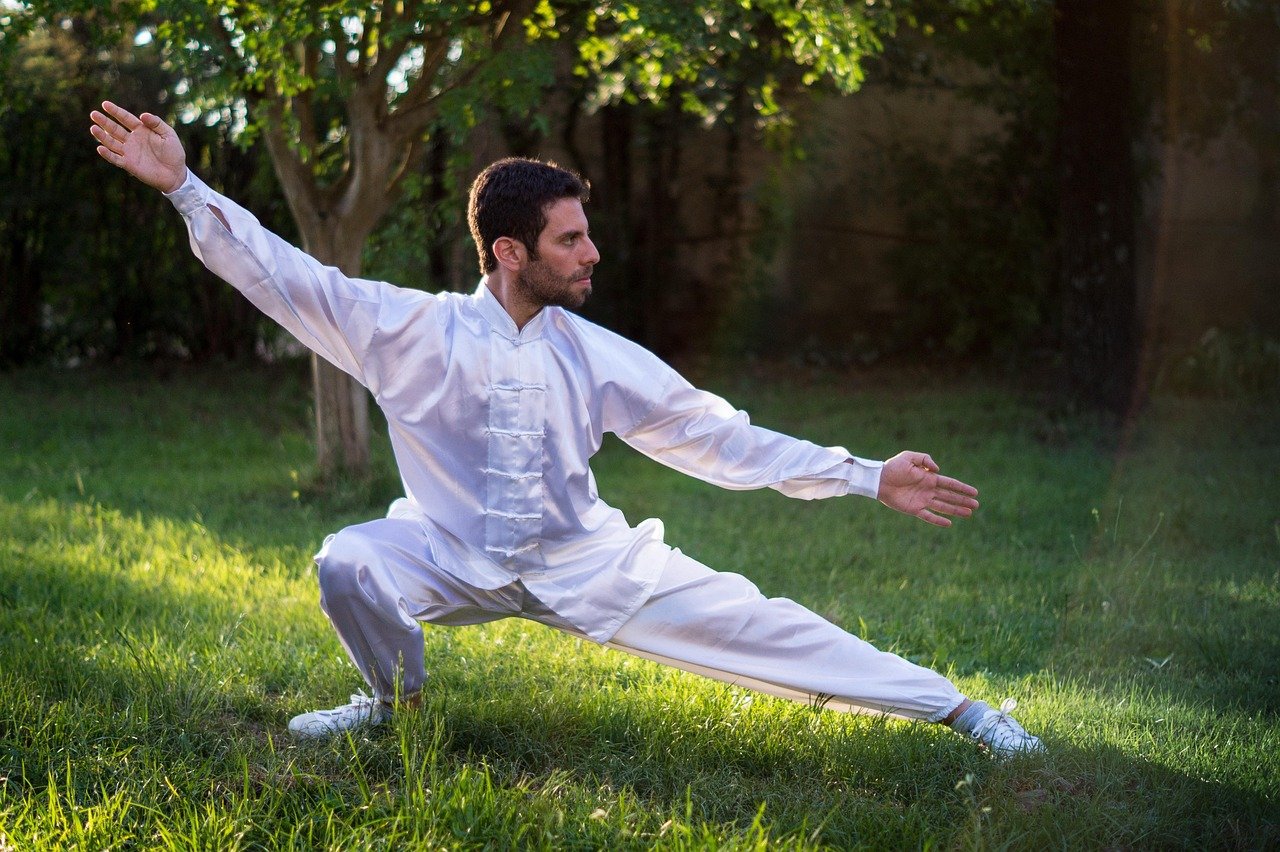
Ancient Movement, Modern Calm: Why Tai Chi and Qigong Are Transforming Mental Wellness
In a world that rarely slows down, millions of people are turning to tai chi and qigong for mental wellness — and the science behind why these ancient practices work so powerfully is more compelling than ever. Whether you’re managing anxiety, recovering from burnout, or simply looking for a sustainable way to feel more grounded, these gentle moving meditations offer something rare: genuine, lasting calm that builds with every session.
Rooted in Traditional Chinese Medicine and Taoist philosophy, tai chi and qigong have been practiced for centuries — but it’s only in recent decades that Western research has begun to confirm what practitioners have always known. These aren’t just stretching routines or relaxation techniques. They are whole-system practices that simultaneously calm the nervous system, sharpen the mind, and lift the spirit. In 2026, with mental health challenges affecting an estimated one in four adults across the USA, UK, Canada, Australia, and New Zealand, that kind of triple-action benefit is genuinely remarkable.
This guide will walk you through everything you need to know — from the science to the practice, from beginner-friendly tips to the nuanced differences between tai chi and qigong. By the end, you’ll have a clear, actionable picture of how to bring these practices into your life.
This article is for informational purposes only and is not a substitute for professional medical advice. If you are experiencing serious mental health concerns, please reach out to a qualified healthcare provider.
Understanding the Difference Between Tai Chi and Qigong
Many people use the terms interchangeably, and while tai chi and qigong are deeply related, they are distinct practices worth understanding separately — especially if you’re choosing one as a starting point for mental wellness.
What Is Qigong?
Qigong (pronounced “chee-gong”) is the older and broader of the two practices. The word literally means “life energy cultivation” — qi meaning life force or vital energy, and gong meaning skill or practice. Qigong encompasses thousands of exercises involving coordinated breathwork, gentle movement, and focused intention. Some forms are entirely stationary, making it accessible even for people with limited mobility. The primary goal is to harmonise the flow of qi throughout the body, releasing energetic blockages that practitioners believe contribute to physical and emotional dis-ease.
From a Western physiological perspective, qigong works by activating the parasympathetic nervous system — the “rest and digest” counterpart to the stress-driven “fight or flight” response. When you combine slow, rhythmic movement with conscious breathing, you essentially send a direct signal to your brain that it is safe to relax. Over time, this rewires habitual stress responses.
What Is Tai Chi?
Tai chi (also written as taijiquan) evolved from qigong principles and was originally developed as a martial art. Today, its health and wellness applications are far more widely practiced than its combat forms. Tai chi involves a specific sequence of flowing movements — called a “form” — performed in a slow, continuous manner. The most common styles taught for wellness purposes are Yang, Wu, and Sun styles, each with slightly different emphases but the same fundamental spirit of fluid, mindful movement.
Think of qigong as the parent practice — expansive, flexible, and endlessly varied — and tai chi as one particularly refined and structured expression of its principles. Both use breath, body awareness, and intentional movement to cultivate mental and physical wellbeing. For mental wellness specifically, both are highly effective, and many people eventually practice elements of both.
The Science: What Research Tells Us About These Practices and the Mind
The evidence base for tai chi and qigong as mental wellness tools has grown substantially, and the findings are worth examining closely. This is no longer the territory of anecdotal reports alone — we now have rigorous clinical research to draw from.
Anxiety and Stress Reduction
A landmark meta-analysis published in the journal JAMA Internal Medicine found that mind-body exercises including tai chi produced significant reductions in anxiety symptoms across multiple populations, with effect sizes comparable to conventional exercise interventions. More recent research from 2024 and 2025 has reinforced this, with studies showing that as few as eight weeks of regular tai chi practice measurably reduces cortisol levels — the primary stress hormone — in adults with generalised anxiety disorder.
The mechanism is well understood: slow, diaphragmatic breathing activates the vagus nerve, which runs from the brainstem through the chest and abdomen and plays a central role in regulating emotional states. When you breathe slowly and deeply during qigong or tai chi, you’re directly stimulating this nerve, which increases heart rate variability (HRV) — a key physiological marker of resilience and emotional regulation. Higher HRV is consistently associated with better mental health outcomes.
Depression and Mood
A comprehensive review published in 2023 analysed 29 randomised controlled trials involving over 2,500 participants and found that tai chi significantly reduced depressive symptoms across older adults, cancer patients, and people with chronic illness. The reductions were clinically meaningful — not just statistically significant. Importantly, the benefits appeared to come from multiple pathways simultaneously: the physical movement itself, the social context of group practice, the meditative focus, and the sense of mastery that grows as you learn the forms.
Neurologically, research suggests that mind-body practices like these increase brain-derived neurotrophic factor (BDNF) — sometimes called “fertiliser for the brain” — which supports the growth of new neural connections and is associated with improved mood and cognitive function. This may partly explain why practitioners often report that regular practice not only reduces low mood but builds a positive emotional baseline over time.
Sleep, Cognitive Health, and Resilience
A 2025 study from researchers in Australia found that older adults who practiced qigong three times per week for 12 weeks reported a 34% improvement in sleep quality scores compared to a control group. Given the bidirectional relationship between sleep and mental health — poor sleep worsens mental wellbeing, and poor mental wellbeing disrupts sleep — this finding has significant practical implications.
Emerging research also points to cognitive benefits. Regular tai chi practice appears to slow age-related cognitive decline, with some studies showing improvements in working memory, attention, and processing speed. For anyone navigating the mental fog that often accompanies anxiety, depression, or chronic stress, this cognitive dimension of the practice adds another layer of meaningful benefit.
How Tai Chi and Qigong Calm the Nervous System: A Closer Look
Understanding why these practices work so well for mental calm can deepen your motivation to stick with them — especially in the early weeks when progress can feel gradual.
The Breath-Mind Connection
At the heart of both tai chi and qigong is the breath. Unlike many exercise forms where breathing is incidental, in these practices, breath is the architecture. Movements are designed to follow the breath, not the other way around. This breath-led quality is what distinguishes these practices from aerobics or yoga flows that focus primarily on physical alignment.
When you allow your exhale to lengthen — as both practices encourage — you activate the body’s natural relaxation response. The ratio of exhale to inhale matters enormously: a four-count inhale followed by a six or eight-count exhale consistently shifts the nervous system toward parasympathetic dominance. Over weeks of practice, this becomes a conditioned response — your body learns to associate certain movements with calm, making it progressively easier to access that state throughout your day.
Mindful Attention and the Thinking Mind
One of the quiet gifts of tai chi and qigong is that they are genuinely absorbing. To execute a tai chi form even at beginner level requires enough concentration that the ruminating, worrying mind simply cannot hold the floor. You have to be present — tracking the position of your hands, coordinating with your breath, feeling the subtle shift of your weight from foot to foot. This isn’t forced mindfulness; it’s built into the practice architecture.
This quality makes tai chi and qigong particularly valuable for people who find seated meditation difficult. If you’ve ever tried to sit quietly and meditate only to find your mind racing more than usual, moving meditation may suit your nervous system far better. The body becomes an anchor for attention in a way that sitting still simply doesn’t provide for everyone.
The Role of Community and Ritual
Group practice adds a dimension that solo exercise often lacks. Practicing alongside others creates a felt sense of shared rhythm and collective calm that many participants describe as deeply nourishing. The ritualistic quality of practicing the same form repeatedly — arriving at the same movement sequences, breathing in the same patterns — also creates a container of predictability that is genuinely soothing for an anxious nervous system. Ritual and routine signal safety to the brain, and these practices offer both in abundance.
Getting Started: Practical Guidance for Beginners
The accessibility of tai chi and qigong is one of their most significant advantages. You don’t need equipment, special clothing, a high level of fitness, or even much space. Here’s how to begin well.
Choosing Between Tai Chi and Qigong First
If you’re a complete beginner, qigong is often the gentler entry point. Many qigong exercises can be learned in a single session and practiced immediately without needing to remember complex sequences. Simple standing exercises like the “Eight Pieces of Brocade” (Ba Duan Jin) — one of the oldest and most widely practiced qigong forms — can be learned incrementally and offer substantial mental wellness benefits from the very first practice.
Tai chi has a steeper initial learning curve because the forms involve longer sequences of connected movements. However, many community classes teach simplified short forms — the Yang 24-form is a popular starting point — and the investment in learning pays off richly over time.
Finding Quality Instruction
- Community centres and leisure facilities across the UK, USA, Canada, Australia, and New Zealand increasingly offer weekly tai chi and qigong classes, often at low cost or subsidised for older adults.
- Online platforms such as Insight Timer, YouTube channels dedicated to qigong instruction, and specialised wellness apps offer high-quality guided sessions for home practice.
- Qualified instructors with certification from recognised bodies — such as the Tai Chi Union for Great Britain, the American Tai Chi and Qigong Association, or Qigong Australia — provide the most reliable in-person guidance.
- Hospital and clinical programs: Many NHS trusts in the UK, and health networks in Australia and Canada, now offer tai chi as part of mental health and rehabilitation programs. Ask your GP or mental health provider about referral options.
A Simple Daily Practice to Begin This Week
- Find a quiet space — indoors or outdoors — where you can stand with arms extended without obstruction.
- Begin with three minutes of standing breath awareness: feet shoulder-width apart, knees soft, hands resting at your sides. Breathe in for four counts, out for six.
- Practice one simple qigong movement: “Lifting the Sky” involves raising your arms slowly in front of you as you inhale, reaching overhead, then lowering them as you exhale. Repeat eight times.
- Close with stillness: stand quietly for one minute, noticing the quality of your breath and the feeling in your hands and feet.
Even ten minutes of this kind of practice three to five times per week produces measurable benefits within four to eight weeks. Consistency matters far more than duration — a daily ten-minute practice outperforms an occasional hour-long session.
Integrating Tai Chi and Qigong Into a Broader Mental Wellness Routine
These practices shine brightest not as isolated interventions but as part of a holistic approach to mental wellbeing. Here’s how to weave them into a wider wellness framework.
Pairing With Other Wellness Practices
Tai chi and qigong complement conventional mental health care, including therapy and medication. They are not replacements for professional treatment when that is needed, but powerful adjuncts. Many therapists and psychiatrists now actively encourage clients to engage with mind-body practices as part of their care plan, and the evidence supports this integrated approach.
These practices also pair naturally with other wellness habits. Morning qigong followed by journaling can create a powerful ritual for setting a calm, intentional tone for the day. Practicing in nature — a park, a garden, a beach — amplifies the mood-regulating benefits through the additional input of natural light, fresh air, and the restorative effects of green or blue environments.
Managing Expectations and Staying Motivated
The most common reason people abandon tai chi or qigong is expecting too much too soon. The benefits are real but they accumulate gradually — like compound interest for your nervous system. Early on, you may notice small things: sleeping slightly more soundly, feeling a touch more patient in difficult moments, recovering from stress a little more quickly. These subtle shifts are significant. They are the early indicators that your nervous system is changing at a deep level.
Keeping a simple wellbeing journal can help you track these gradual improvements. Rate your mood, stress level, and sleep quality each morning on a scale of one to ten. After eight weeks of consistent practice, most people are genuinely surprised by how much has shifted when they look back at their entries.
Frequently Asked Questions
How quickly will I notice mental health benefits from tai chi or qigong?
Many people notice a sense of calm and reduced tension after their very first session, simply from the slow breathing and gentle movement. More sustained mental health benefits — reduced anxiety, improved mood, better sleep — typically become consistent after four to eight weeks of regular practice (three to five sessions per week). Research suggests that twelve weeks is a meaningful milestone, at which point neurological and hormonal changes are measurable. That said, every person’s experience is individual, and some notice significant shifts more quickly.
Can I practice tai chi or qigong if I have physical limitations or health conditions?
Yes — this is one of the great strengths of both practices. Qigong in particular includes many exercises that can be performed while seated, making it accessible for people with mobility limitations, chronic pain, or post-surgical recovery. Tai chi can also be adapted for chair-based practice. Always inform your instructor of any physical limitations before class, and consult your GP or specialist if you have a significant health condition before beginning. Many clinical programs specifically use these practices in rehabilitation contexts, including cardiac recovery and chronic pain management.
Is there a difference between practicing alone at home versus in a group class?
Both have real value, but they offer somewhat different benefits. Group classes provide social connection, immediate instructor feedback, the motivational pull of shared commitment, and the collective calm that comes from practicing in rhythm with others — all of which are particularly beneficial for mental wellness. Home practice offers flexibility, privacy, and the ability to build daily consistency without travel or scheduling barriers. Ideally, combining both — attending a class weekly and practicing at home on other days — gives you the best of both worlds.
Are tai chi and qigong suitable for children and young people with anxiety?
Absolutely. Research into mind-body practices for younger populations is growing, and results are encouraging. School-based qigong programs have shown reductions in anxiety and improvements in attention and emotional regulation in children aged five and older. Adolescents dealing with exam stress, social anxiety, or mood challenges can benefit significantly. Age-appropriate instruction — often more playful and less formally structured than adult classes — makes these practices engaging for young people. Some child and adolescent mental health services now incorporate movement-based mindfulness including qigong as part of their therapeutic toolkit.
How does tai chi compare to yoga for mental health benefits?
Both are excellent mind-body practices with strong evidence bases for mental wellness, and the comparison is less about which is better and more about which suits you. Yoga tends to involve more static postures and is often more physically demanding, making it a good fit for people who enjoy stretching and strength work alongside their mindfulness practice. Tai chi and qigong are continuously moving, require less flexibility, and place a stronger emphasis on energy flow and breath coordination. For people with anxiety or trauma histories who find stillness difficult, tai chi’s flowing movement can feel more containable. For people with joint issues or those seeking a very low-impact practice, qigong’s gentle approach often wins. Many people eventually practice both.
Do I need any equipment or special clothing to start?
No special equipment is required. Flat, comfortable shoes with thin soles — or bare feet on a clean surface — are ideal, as you want to feel grounded and have good proprioceptive feedback through your feet. Loose, comfortable clothing that allows free movement is all you need. Some practitioners eventually invest in traditional tai chi shoes or wear dedicated practice clothes, but these are entirely optional and never necessary, especially when starting out. The barrier to entry is genuinely low, which makes these practices accessible to almost everyone.
Can tai chi and qigong help with burnout and chronic stress?
They are among the most well-suited practices for both conditions. Burnout involves a depletion of physical, emotional, and cognitive resources — and the gentle, restorative nature of these practices actively replenishes rather than demands. Unlike vigorous exercise, which requires energy output that can feel impossible during burnout, qigong and tai chi work with the body’s existing state, meeting you where you are. The emphasis on slow breathing, the cultivation of internal stillness, and the meditative focus all directly address the nervous system dysregulation that underlies chronic stress and burnout. Multiple studies have used these practices specifically in burnout recovery programs for healthcare workers, teachers, and caregivers, with consistently positive results.
Your Calm Is Closer Than You Think
There is something quietly radical about choosing slow movement in a fast world. Every time you step onto your practice space — whether that’s a studio floor, a patch of garden, or a cleared corner of your living room — you are making a deliberate, courageous choice to prioritise your inner life. Tai chi and qigong for mental wellness aren’t about achieving perfection in your form or reaching some advanced stage of practice. They are about showing up, breathing slowly, and allowing your body and mind the space to find their natural balance.
The ancient teachers who developed these practices understood something that neuroscience is now confirming in remarkable detail: the body is not separate from the mind, and movement is not separate from meditation. When you move with intention, breathe with awareness, and return — again and again — to the present moment, you are doing something genuinely transformative. You are building a nervous system that is more resilient, a mind that is more spacious, and a relationship with yourself that is kinder and more trusting.
Start small. Start this week. Even ten minutes of gentle, mindful movement can shift the quality of your day. And over weeks and months, those ten minutes compound into something extraordinary — a calmer baseline, a greater capacity for joy, and a reliable refuge you can access anywhere, anytime, simply by breathing and beginning to move. The calm harbour you’re looking for is already within you. These practices simply help you find your way there.
Leave a Reply