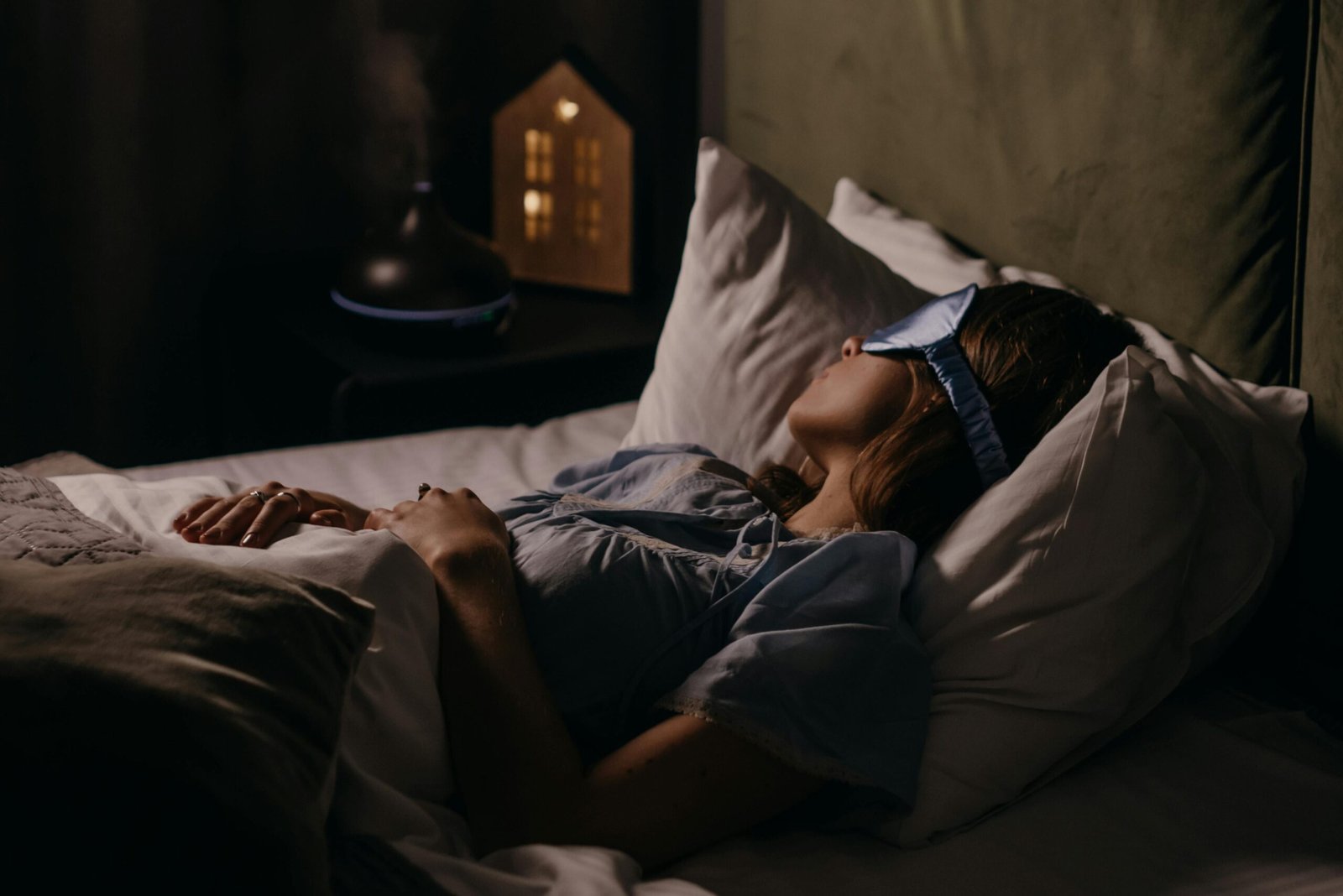
When the World Sleeps and You Don’t: Understanding Your Unique Sleep Challenges
Shift workers and night owls face some of the most overlooked sleep struggles in modern life — but with the right sleep hygiene tips, restful, restorative sleep is absolutely within reach.
If you’ve ever lain awake at 3 PM trying to sleep before a night shift while your neighbours mow their lawns, or spent your days off feeling like a zombie because your body simply won’t reset, you already know this truth: standard sleep advice wasn’t written for you. The classic “go to bed at 10 PM and wake at 6 AM” guidance assumes a world that runs on a single schedule — and that world doesn’t include the nurses, paramedics, factory workers, security staff, hospitality professionals, and natural night owls who keep society functioning around the clock.
According to the American Academy of Sleep Medicine, approximately 20% of the working population in developed countries — including the USA, UK, Canada, Australia, and New Zealand — works non-traditional hours. A 2025 global workforce study published in the Journal of Sleep Research found that shift workers are 33% more likely to experience chronic sleep deprivation than day workers, and that this deprivation is directly linked to increased rates of anxiety, depression, cardiovascular issues, and metabolic disorders. These aren’t just statistics — they represent real people carrying real exhaustion.
The good news? Sleep science has advanced enormously in recent years, and 2026 brings us a richer understanding of circadian biology, light therapy, and behavioural strategies that actually work for non-traditional schedules. This guide is your comprehensive, compassionate, evidence-based companion — built specifically for your life, your hours, and your very real need for genuine rest.
The Science Behind Why Shift Work Disrupts Sleep So Deeply
Before jumping into solutions, it helps to understand why your body fights you so hard. This isn’t weakness or poor discipline — it’s biology doing exactly what it was designed to do, in circumstances it was never designed for.
Your Circadian Rhythm: The Body’s Internal Clock
Deep within your brain sits the suprachiasmatic nucleus (SCN), a tiny cluster of neurons in the hypothalamus that acts as your master biological clock. This clock runs on roughly a 24-hour cycle and is primarily regulated by light exposure. When light enters your eyes — particularly blue-spectrum light in the morning — your SCN signals the suppression of melatonin (the sleep hormone) and triggers cortisol release to promote wakefulness. As natural light fades in the evening, melatonin production rises, preparing your body for sleep.
For shift workers, this elegant system gets thrown into chaos. Your SCN receives daylight signals telling it to be awake precisely when you need to sleep, and darkness signals promoting sleep precisely when your shift begins. The result is what researchers call circadian misalignment — a persistent mismatch between your internal clock and your external schedule that creates far more than just tiredness.
The Hidden Cost of Circadian Misalignment
A landmark 2024 study from the University of Surrey found that even partial circadian misalignment — sleeping out of sync with your natural rhythm by just two to three hours — significantly impairs cognitive function, emotional regulation, and immune response. For rotating shift workers, who face constant schedule changes, the body never gets the chance to even partially adapt. This explains why so many shift workers describe feeling perpetually unwell, emotionally raw, or mentally foggy even after what should be adequate sleep hours.
Night owls — those with a naturally delayed chronotype — face a related but distinct challenge. Their SCN is genuinely programmed to feel alert later in the evening and sleepy later in the morning. When society’s 9-to-5 demands force early rising, they accumulate what researchers call social jet lag: a chronic misalignment between biological and social time that mirrors the physiological effects of flying across multiple time zones every single week.
Building Your Sleep Environment: The Foundation of Better Rest
For anyone sleeping outside conventional hours, your sleep environment isn’t just a preference — it’s a clinical necessity. Small environmental changes deliver outsized results when your body is already fighting against external cues.
Mastering Light Control
Light is the single most powerful regulator of your circadian rhythm, which means controlling it is your most impactful tool. Invest in genuine blackout curtains — not the decorative kind that let light bleed around the edges, but purpose-built blackout blinds that create true darkness at any hour. A 2025 survey by the Sleep Health Foundation found that shift workers who used complete blackout solutions reported falling asleep an average of 23 minutes faster and sleeping 47 minutes longer per rest period compared to those using regular curtains.
- Blackout curtains or blinds: Install these in your bedroom as a non-negotiable priority. Layering curtains over existing blinds increases effectiveness.
- Sleep mask: A contoured, comfortable sleep mask provides a portable backup and is especially useful when travelling or napping in non-ideal environments.
- Red-spectrum night lights: If you need to navigate your home before sleeping, use dim red-spectrum bulbs in hallways and bathrooms. Red light has minimal impact on melatonin suppression compared to white or blue light.
- Blue light blocking glasses: Wear amber-tinted glasses during the 90 minutes before your designated sleep time, especially if screens are unavoidable during your wind-down period.
Sound, Temperature, and Comfort
Daytime sleep faces a barrage of acoustic challenges that night sleepers rarely encounter — traffic, construction, children playing, delivery services. White noise machines or apps that generate consistent sound at around 65 decibels effectively mask these intrusions without creating a jarring contrast when they shut off. Many shift workers also find brown noise or pink noise more soothing than white noise; experiment to find what works for your nervous system.
Temperature is equally critical. Sleep science consistently identifies the optimal bedroom temperature for sleep initiation as between 15.5°C and 19.5°C (60°F–67°F). Your core body temperature naturally drops as part of the sleep initiation process, and a cool environment facilitates this. In warmer climates — or during summer months in countries like Australia and New Zealand — a fan or air conditioning isn’t a luxury; it’s a sleep tool.
Practical Sleep Hygiene Tips That Actually Work for Non-Standard Schedules
Standard sleep hygiene tips tell you to maintain a consistent bedtime. For shift workers, that advice can feel like a cruel joke. Here’s how to adapt evidence-based principles to a life that doesn’t run on a standard clock.
Anchor Sleep and Strategic Napping
If your schedule rotates, rigid consistency is impossible — but anchor sleep offers a workable alternative. The concept, developed by chronobiology researchers at Harvard Medical School, involves maintaining at least four consecutive hours of sleep at the same time each day, even when the total sleep window shifts. This anchor period helps stabilise your circadian rhythm around a consistent core, even when surrounding hours vary.
Strategic napping is another powerful tool. A 20-minute nap taken approximately 90 minutes before a night shift significantly improves alertness, reaction time, and mood during the shift itself. Avoid napping for longer than 30 minutes unless you have a full 90-minute window — shorter naps keep you in lighter sleep stages and prevent the grogginess of waking mid-cycle, known as sleep inertia.
Crafting a Wind-Down Ritual That Signals Sleep
Your brain needs transition time between activity and sleep, regardless of what hour it is. A consistent pre-sleep ritual — even 20 to 30 minutes long — trains your nervous system to associate specific behaviours with sleep onset. This conditioned response becomes increasingly powerful over time.
- Dim your environment: Reduce light exposure 60–90 minutes before your target sleep time.
- Warm shower or bath: The subsequent drop in skin temperature after a warm shower paradoxically accelerates sleep onset by signalling core temperature reduction.
- Gentle movement or stretching: Light yoga, progressive muscle relaxation, or simple stretching activates the parasympathetic nervous system.
- Limit screens: If avoiding screens entirely isn’t realistic, use night mode settings and blue light glasses.
- Calming audio: Sleep meditations, breathwork recordings, or gentle instrumental music shift brainwave activity toward states more conducive to sleep.
Nutrition and Caffeine Timing
What you eat and drink — and when — profoundly affects sleep quality for shift workers. Caffeine has a half-life of approximately five to seven hours, meaning a coffee consumed at the start of a night shift at 10 PM still has significant stimulant effects at 3–5 AM when you’re trying to wind down. Time your last caffeinated drink to at least six hours before your intended sleep window.
Heavy meals close to sleep time increase core body temperature and digestive activity, both of which interfere with sleep onset. If you’re hungry before sleeping after a night shift, opt for small, easily digestible foods — a banana with almond butter, Greek yoghurt, or warm oatmeal are gentle, tryptophan-containing options that support rather than disrupt sleep chemistry.
Light Therapy and Melatonin: Tools Worth Understanding
Light therapy using a 10,000-lux lightbox is increasingly recommended by sleep specialists for shift workers needing to shift their circadian timing. Used strategically — bright light exposure at the start of a wake period sends a powerful “morning” signal to the SCN — it can accelerate adaptation to a new shift schedule by up to 50% compared to unassisted adjustment.
Low-dose melatonin (0.5–3mg) taken approximately 30–60 minutes before your target sleep time can assist in shifting your circadian phase and reducing sleep onset time. It’s important to note that higher doses are not more effective — research consistently shows that lower doses work as well or better, with fewer next-day effects. Always consult a healthcare provider before adding any supplement to your routine, particularly if you have underlying health conditions or take other medications.
Mental Health, Shift Work, and the Emotional Weight of Disrupted Sleep
The conversation about sleep hygiene tips for shift workers must include mental health, because the two are deeply and bidirectionally linked. Poor sleep worsens anxiety, depression, and emotional regulation — and anxiety, depression, and emotional dysregulation make sleep harder. For shift workers already contending with social isolation, missed family events, and the stigma of “unusual” schedules, this cycle can feel overwhelming.
Protecting Your Social and Emotional Life
Social connection is a genuine biological need, and shift work can erode it systematically. Being intentional about maintaining relationships — even in small, creative ways — is not a luxury; it’s a mental wellness necessity that also indirectly supports sleep by reducing stress and loneliness. Schedule regular calls or video chats with friends and family during your waking hours. Connect with other shift workers who share your schedule. Online communities and forums for nurses, security professionals, and other night workers can provide genuine camaraderie and practical solidarity.
Managing Shift Work Sleep Disorder
When sleep difficulties persist despite implementing good sleep hygiene strategies, it may indicate Shift Work Sleep Disorder (SWSD) — a recognised circadian rhythm sleep disorder affecting an estimated 10–38% of shift workers globally. Symptoms include persistent insomnia during intended sleep times, excessive sleepiness during work hours, and associated mood disturbances. If this resonates with you, please reach out to a healthcare provider. Effective treatments exist, including cognitive behavioural therapy for insomnia (CBT-I), which a 2025 Cochrane review identified as the most effective long-term treatment for insomnia regardless of its cause.
Structuring Your Days Off Without Destroying Your Progress
One of the most common and understandable mistakes shift workers make is completely abandoning their adapted sleep schedule on days off in order to reconnect with family, friends, or daytime society. While this is a very human impulse, it effectively gives you weekly jet lag — resetting what little circadian adaptation you’ve managed to build and restarting the adjustment process with every new block of shifts.
A more sustainable approach involves a gradual shift rather than a complete flip. If you normally sleep from 8 AM to 4 PM during your work week, shifting to a 4 AM–12 PM sleep window on days off maintains far more circadian stability than attempting to stay up all night and sleep through the following night. It’s an imperfect compromise — but sustainable sleep health is built on sustainable compromises, not perfect solutions.
Use days off to prioritise sleep debt repayment. Sleeping in by one to two hours can partially offset accumulated sleep deprivation, though research cautions that you cannot fully “bank” or repay sleep debt — consistency over time is the only genuine solution. Prioritise enjoyable, restorative activities that reduce cortisol: time in nature, gentle exercise, creative pursuits, and quality time with loved ones all actively support the neurological recovery that sleep facilitates.
Physical exercise is worth highlighting specifically. A 2024 meta-analysis in Sleep Medicine Reviews confirmed that moderate aerobic exercise improves sleep quality, reduces sleep onset latency, and decreases symptoms of anxiety and depression in shift workers. Timing matters: exercising more than three hours before your sleep window is ideal. Intense exercise immediately before sleep can temporarily elevate core temperature and cortisol, delaying sleep onset for some people.
Frequently Asked Questions
How many hours of sleep do shift workers actually need?
Sleep needs don’t change based on your work schedule — adults require seven to nine hours of quality sleep per 24-hour period, according to the National Sleep Foundation’s 2026 guidelines. What changes for shift workers is how challenging it can be to achieve that quantity and quality when sleeping against your circadian rhythm. Prioritise hitting seven hours as a consistent minimum, even if the timing is unconventional. Chronically sleeping fewer than six hours — which many shift workers do — is associated with significantly elevated health risks over time.
Is it possible to fully adapt to permanent night shifts?
Research suggests that complete circadian adaptation to permanent night work is possible but uncommon in practice, because most night workers expose themselves to morning daylight during the commute home and maintain social schedules with day workers on days off. Partial adaptation is the realistic goal for most people. Those who work exclusively at night, maintain consistent sleep schedules seven days a week, and use light management strategies most consistently achieve the greatest degree of adaptation. Even partial adaptation meaningfully improves sleep quality, alertness, and wellbeing.
Can melatonin supplements help shift workers sleep during the day?
Yes, with appropriate expectations. Low-dose melatonin (0.5–3mg) taken 30–60 minutes before your daytime sleep window can help reduce sleep onset time and improve sleep quality for shift workers. It is most effective as a circadian phase-shifting tool rather than a sedative — it gently nudges your internal clock rather than knocking you out. It is not habit-forming and is generally well-tolerated, but individual responses vary. Consult your doctor or pharmacist before starting melatonin, particularly if you are pregnant, breastfeeding, or taking medications that affect the central nervous system.
What should I eat before sleeping after a night shift?
Choose small, easily digestible foods that support sleep chemistry without overloading your digestive system. Good options include a banana (rich in magnesium and tryptophan), warm oatmeal with honey, Greek yoghurt, a small handful of nuts, or warm milk. Avoid spicy foods, high-fat meals, alcohol, and large portions — all of which can impair sleep quality even when you feel physically tired. Stay reasonably hydrated but avoid large amounts of fluid immediately before sleep to minimise disruptive bathroom awakenings.
How do I stop feeling guilty about sleeping when everyone else is awake?
This is one of the most common emotional struggles shift workers report, and it deserves to be taken seriously rather than dismissed. Your sleep is not laziness — it is a biological necessity, professional responsibility, and act of self-care that makes you safer, healthier, and more present for the people who matter to you. Reframing your sleep as “preparation for meaningful contribution” can help. Communicating clearly with household members about your sleep needs and setting gentle but firm boundaries around your sleep time also reduces the social friction that feeds guilt. If persistent guilt, anxiety, or low mood are affecting your quality of life, speaking with a therapist or counsellor who understands shift work can be genuinely transformative.
Are there apps or devices that can help shift workers sleep better in 2026?
The landscape of sleep technology has expanded significantly. Wearable devices like the Oura Ring 4 and WHOOP 5.0 now offer circadian rhythm tracking and personalised sleep timing recommendations based on your specific chronotype and activity data. Apps including Shift, Sleep Cycle, and Pzizz offer shift-worker-specific features like scheduled sleep coaching and adaptive alarm systems that wake you during lighter sleep stages. Light therapy glasses — wearable devices that deliver calibrated light directly to your eyes — offer a hands-free alternative to traditional lightboxes. While no technology replaces the foundational behavioural strategies discussed throughout this article, thoughtfully chosen tools can meaningfully support and personalise your sleep hygiene practice.
When should a shift worker see a doctor about their sleep?
Seek medical advice if you experience persistent difficulty falling or staying asleep despite implementing sleep hygiene strategies consistently for four or more weeks, if you regularly fall asleep involuntarily during work or while driving, if you experience significant mood changes, memory problems, or difficulty concentrating that affect your daily functioning, or if you suspect you may have sleep apnoea — a condition more common in shift workers that causes breathing interruptions during sleep. Your GP or a sleep specialist can assess for underlying sleep disorders and recommend evidence-based treatments including CBT-I, medication if appropriate, or referral to a sleep clinic. You deserve support, not just perseverance.
Living and working outside conventional hours takes genuine courage, resilience, and sacrifice — and you deserve sleep support that actually honours your reality. The sleep hygiene tips in this guide aren’t quick fixes; they’re sustainable, evidence-based strategies that compound in effectiveness over time. Start with one or two changes this week. Add more as they become habits. Be patient with yourself on the difficult days, because there will be difficult days — and celebrate the mornings (or afternoons, or evenings) when you wake up genuinely rested, because that feeling is your birthright too. Your sleep matters. Your health matters. And you are absolutely capable of building a rest life that sustains the incredible work you do.
This article is for informational purposes only and is not a substitute for professional medical advice. If you are experiencing significant sleep difficulties, mood disturbances, or health concerns related to shift work, please consult a qualified healthcare provider.
Leave a Reply