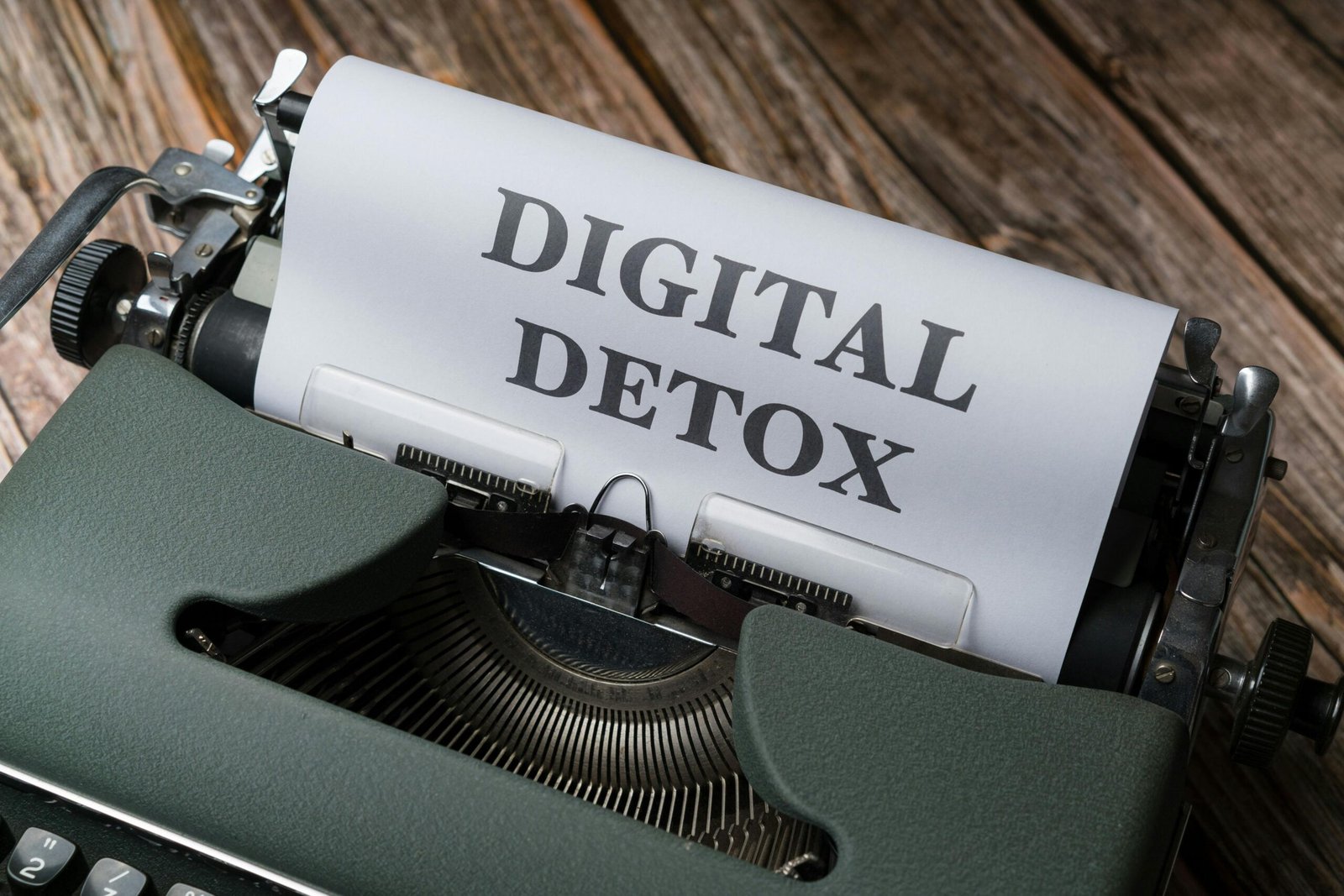
The Double-Edged Scroll: What Social Media Is Really Doing to Your Mind
Social media impacts mental wellness in ways both subtle and profound — and in 2026, with the average person spending over 6.5 hours daily on digital platforms, understanding that relationship has never been more urgent. Whether you’re doom-scrolling through anxiety-inducing news feeds, finding genuine community in online support groups, or somewhere in the messy middle, your mental health is being shaped — often without your awareness — by the platforms competing for every second of your attention. This article unpacks the science, the nuance, and the practical steps you can take to reclaim your wellbeing.
This article is for informational purposes only and is not a substitute for professional medical advice.
A Complicated Relationship: The Psychology Behind the Scroll
Let’s be honest — social media isn’t simply good or bad. It’s a technology, and like most technologies, its effects depend enormously on how we use it, why we use it, and what we bring to it emotionally. But that nuance often gets lost in conversations that swing between “social media is destroying a generation” and “it’s just an app, relax.” The reality, backed by a growing body of research, is considerably more layered.
At the neurological level, social media platforms are engineered to activate your brain’s reward circuitry. Every like, comment, and notification triggers a small release of dopamine — the same neurotransmitter involved in other pleasurable experiences. This isn’t accidental. Former insiders from major tech companies have publicly described how engagement metrics drove design decisions, creating feedback loops that prioritise time-on-platform above user wellbeing. When we understand this design context, the difficulty so many people have in “just putting the phone down” starts to make a lot more sense.
Passive vs. Active Use: The Critical Distinction
One of the most important findings in recent social media research is the distinction between passive use (scrolling, watching, observing) and active use (commenting, messaging, creating, connecting). A 2024 meta-analysis published in the journal Psychological Medicine found that passive consumption was consistently associated with increased depressive symptoms, while active, intentional use — particularly for social connection — showed neutral or even positive effects on wellbeing. This means two people spending the same number of hours on Instagram can have wildly different mental health outcomes based on what they’re actually doing there.
The Comparison Trap
Social comparison theory, first proposed by psychologist Leon Festinger in 1954, has found an extraordinarily powerful modern application in social media. When we scroll curated highlight reels of other people’s relationships, bodies, holidays, and achievements, we’re rarely comparing our full, complicated lives to their full, complicated lives. We’re comparing our behind-the-scenes to their best-take performance. Research from the University of Bath found that even a single week of reduced Facebook use led to measurable improvements in life satisfaction and reduced feelings of envy. The comparison trap is real, it’s universal, and it affects people across all age groups — not just teenagers.
How Social Media Impacts Mental Wellness Across Different Life Stages
While the conversation about social media and mental health often centres on teenagers, the truth is that social media impacts mental wellness across the entire lifespan — just differently. Understanding those age-specific patterns helps us respond more thoughtfully.
Children and Adolescents: The Highest Stakes
The evidence for harm in younger populations is, at this point, substantial. A landmark 2025 report from the Global Wellbeing Institute found that adolescent girls aged 12–17 who spent more than three hours daily on image-based platforms were 2.4 times more likely to report symptoms of anxiety and depression compared to those with minimal social media use. The mechanisms are multiple: cyberbullying, sleep disruption from nighttime phone use, exposure to harmful content around body image and self-harm, and the relentless social performance pressure that adolescence already brings, now amplified and made permanent through digital documentation.
In the UK, Australia, and the United States, policymakers have responded with increasing urgency. Australia’s landmark legislation restricting social media access for children under 16, enacted in late 2024, sparked debate across the English-speaking world about where parental responsibility ends and platform accountability begins. Regardless of where you fall on that debate, the underlying concern — that developing minds deserve protection from psychologically manipulative design — is grounded in solid science.
Young Adults: Identity, Connection, and FOMO
For those in their late teens through thirties, social media presents a distinct psychological challenge: the construction and performance of identity in a semi-public space. Young adults are navigating career uncertainty, relationship formation, and questions of purpose — while simultaneously broadcasting a version of themselves online and watching others appear to do it better. Fear of Missing Out (FOMO) is highest in this demographic, and the 2026 State of Global Mental Health Report identified social media comparison as a top-five stressor for adults aged 18–34 across all five countries served by this site.
Midlife and Beyond: Benefits Often Overlooked
Here’s where the story gets more hopeful. For adults in midlife and older, social media often functions very differently — as a genuine connector rather than a source of status anxiety. Older adults who use platforms primarily to stay in touch with family, participate in interest-based communities, or access health information tend to report positive wellbeing outcomes. A 2025 study from the University of Michigan found that adults over 55 who used social media primarily for direct messaging and community groups showed lower rates of loneliness compared to non-users. Connection, when it’s the genuine goal, delivers genuine benefit.
The Hidden Mental Health Costs Nobody Talks About
Beyond the well-publicised links to depression and anxiety, social media creates several less-discussed psychological costs worth naming directly.
Sleep Disruption and Its Cascading Effects
The relationship between late-night social media use and poor sleep is well-documented, but the mental health implications of that sleep disruption are often underappreciated. When we use screens before bed, blue light suppresses melatonin production, delaying sleep onset. But beyond the physical, the emotional stimulation of social media — whether it’s exciting, upsetting, or anxiety-provoking content — activates the nervous system at precisely the moment we need it to wind down. Chronic sleep disruption is independently associated with increased risk of depression, reduced emotional regulation, and heightened anxiety. In this way, social media’s mental health impact doesn’t end when you close the app — it follows you into the night.
Digital Anxiety and Notification Culture
Many people now experience a low-level, chronic state of alertness driven by the expectation of notifications. This ambient anxiety — the background hum of wondering who responded, whether your post landed, what you might be missing — has been described by researchers as a form of continuous partial attention that fragments concentration and depletes mental resources over time. The result is that even people who feel fine about their social media use often find themselves more scattered, less present, and less able to sit comfortably with silence than they were before smartphones became constant companions.
Echo Chambers and Emotional Polarisation
Algorithmic feeds are designed to serve you more of what you already engage with — which sounds helpful but creates significant psychological risks. When our information diet is curated to confirm existing beliefs, we become less tolerant of complexity, more convinced of simple narratives, and often more emotionally reactive to perceived out-groups. This polarisation isn’t just politically concerning — it’s mentally draining. Sustained outrage, even outrage at genuinely outrage-worthy things, activates our stress response systems in ways that take a real physiological and psychological toll.
When Social Media Genuinely Supports Mental Wellness
A truly honest account of how social media impacts mental wellness must acknowledge what it genuinely offers. For millions of people — particularly those in remote areas, those with marginalised identities, and those living with stigmatised conditions — social media has been nothing short of transformative.
Community and Belonging for the Marginalised
Consider the LGBTQ+ teenager in a rural town with no local peers who share their experience. Or the person newly diagnosed with a rare chronic illness searching for others who understand. Or the new parent, isolated at home, desperate for someone who gets it. Social media, in these contexts, doesn’t replace real-world connection — it creates connection where none would otherwise exist. Online communities built around shared identity or shared struggle consistently show positive mental health outcomes for their members, including reduced isolation, increased self-acceptance, and better illness management.
Mental Health Education and Destigmatisation
The explosion of mental health content on platforms like TikTok, Instagram, and YouTube has contributed meaningfully to destigmatising mental health conversations — particularly among younger generations. While not all mental health content online is accurate (and some is actively harmful), credible therapists, researchers, and advocates have used social media to reach audiences who would never pick up a self-help book or visit a psychologist. Awareness is genuinely the first step toward help-seeking, and social media has lowered the threshold for millions of people to recognise their struggles and reach for support.
Crisis Support and Resource Access
During mental health crises, social media can serve as an access point to immediate support. Crisis lines, peer support communities, and mental health resources are now widely promoted across platforms, and research suggests that some individuals reach out through social media before they would contact traditional services. When platforms handle this responsibility well — including proactive content warnings and in-app crisis resources — they can play a genuinely life-saving role.
A Practical Guide to Healthier Social Media Habits
Understanding the problem is useful. Doing something about it is better. Here are evidence-informed strategies that actually work — not because they require you to quit social media entirely, but because they help you engage on your own terms.
Audit, Then Adjust
Start with honest data. Most smartphones now provide detailed screen time breakdowns — platform by platform, hour by hour. Spend one week simply observing your patterns without judgment. Then ask yourself: which platforms leave me feeling more connected, inspired, or informed? Which leave me feeling worse about myself or my life? That distinction is deeply personal and worth knowing. Once you have it, you can make intentional choices rather than reactive ones.
Create Structural Boundaries
- Phone-free bedrooms: Charging your phone outside your bedroom is one of the single most impactful changes you can make for both sleep quality and morning mental clarity.
- Scheduled check-in times: Rather than checking social media reflexively throughout the day, designate two or three specific windows — this reduces the ambient anxiety of constant availability without requiring full abstinence.
- Notification management: Turn off all non-essential notifications. The psychological cost of constant interruption is high; the benefit of immediate notification is, for most messages, essentially zero.
- Social media sabbaths: One day each week completely offline has shown measurable benefits for mood, concentration, and relationship quality in several clinical studies.
Curate Ruthlessly
Your feed is not a democracy. You are under no obligation to follow accounts that make you feel inadequate, anxious, or angry. Unfollow, mute, and block without guilt. Actively seek out accounts that genuinely enrich your experience — that make you laugh, teach you something, or connect you with people you care about. Think of curation as a form of environmental design: you’re creating a digital environment that either supports or undermines your mental wellness.
Replace Scrolling with Intention
Many people reach for their phones not out of genuine desire to engage with social media, but out of habit, boredom, or the discomfort of unoccupied moments. Building awareness of why you’re opening an app — and having alternative responses ready for the underlying need — is a powerful shift. If you’re lonely, could you text a specific person rather than scroll? If you’re bored, could you step outside? If you’re anxious, could you take three slow breaths before opening your phone? These aren’t rigid rules — they’re invitations to choose more deliberately.
Seek Real-World Anchors
The most robust protective factor against the negative mental health effects of social media is a rich offline life. Regular face-to-face social contact, time in nature, physical activity, creative pursuits, and meaningful work all provide the genuine connection, stimulation, and accomplishment that social media mimics but cannot replicate. When your offline life feels full, social media tends to find its natural, healthy level — a supplement rather than a substitute.
Frequently Asked Questions
How much social media use is considered too much?
There’s no universally agreed “safe” daily limit, but research consistently finds that mental health risks increase significantly when passive social media use exceeds two to three hours daily. More important than raw time is the quality and nature of your use. If social media use is disrupting your sleep, replacing face-to-face connection, affecting your self-esteem, or occupying time you’d genuinely rather spend on other things, those are meaningful signals — regardless of the clock.
Can social media actually cause depression and anxiety, or just worsen existing tendencies?
This is one of the most debated questions in psychological research. The current evidence suggests it’s genuinely bidirectional: people with pre-existing anxiety or low self-esteem may be more vulnerable to social media’s negative effects, and heavy passive social media use can generate or intensify depressive and anxious symptoms in people without prior mental health histories. A 2025 randomised controlled trial from Oxford found that four weeks of significantly reduced social media use led to measurable reductions in depression and anxiety scores in participants with no prior diagnoses. The relationship is complex, but the causal pathway appears to run in both directions.
Is it better to quit social media entirely for mental health?
For some people, a complete break — whether temporary or permanent — is genuinely the right choice, and there’s good evidence that social media breaks improve mood, life satisfaction, and focus. However, complete abstinence isn’t necessary or realistic for most people, and it can remove genuine benefits like community and connection. A more sustainable approach for most is significant, intentional reduction combined with active curation and structural boundaries. If you’ve tried moderation consistently and still find social media damaging your wellbeing, a longer break or permanent reduction in certain platforms is entirely reasonable to consider.
How can I talk to my teenager about social media and mental health without creating conflict?
The most effective approach is curiosity over control. Ask open questions about their experiences online — what they enjoy, what bothers them, what their friends talk about. Share your own experiences with digital overwhelm honestly and without lecturing. Research shows that teenagers are far more likely to engage with safety conversations when they feel their autonomy is respected rather than threatened. Focus on family agreements around phone use — shared meal times without devices, phones outside bedrooms at night — rather than unilateral restrictions, which tend to increase secrecy rather than safety.
Are some social media platforms worse for mental health than others?
Yes, meaningfully so. Image-based platforms centred on appearance, status, and follower counts — particularly those using short-form video with algorithmically curated feeds — consistently show stronger associations with negative mental health outcomes, especially in young women. Platforms designed primarily for direct communication and community connection tend to fare considerably better. Within any platform, the account types you follow and the way you engage matter as much as the platform itself. A well-curated Instagram account focused on creative inspiration will likely affect you very differently than one dominated by influencer culture and body comparison.
What should I do if I think social media is significantly affecting my mental health?
Start by taking your concern seriously — the fact that you’re asking the question is meaningful. Consider a two-week significant reduction or complete break and notice how you feel. Talk to someone you trust about what you’ve been experiencing. If symptoms of depression, anxiety, disordered eating, or social isolation persist beyond your social media use, please speak with a qualified mental health professional. Many people find that even a brief consultation with a therapist or counsellor provides clarity and strategies that make an enormous difference. Your mental health is worth professional attention — reaching out is a sign of strength, not weakness.
Can following mental health accounts on social media actually help?
It genuinely can, with important caveats. Accounts run by credentialed mental health professionals, evidence-based organisations, and thoughtful advocates can increase awareness, reduce stigma, and provide real psychoeducation. However, not all mental health content online is accurate or helpful — some can inadvertently encourage over-identification with diagnoses, spread misinformation, or replace professional help rather than supplement it. Approach mental health content online the same way you’d approach any health information: look for qualified sources, cross-reference information, and remember that general content is never a substitute for personalised professional care.
Your relationship with social media doesn’t have to be a source of guilt, struggle, or resignation. With awareness, honest self-reflection, and a few well-chosen changes, it’s entirely possible to engage with digital platforms in ways that genuinely support rather than undermine your wellbeing. You are not powerless here — and every small, intentional step toward healthier digital habits is an act of genuine self-care. At The Calm Harbour, we believe that mental wellness is built in the everyday choices we make, including the ones about how and when we scroll. You deserve a digital life that feels good — and that life is absolutely within reach.
Leave a Reply