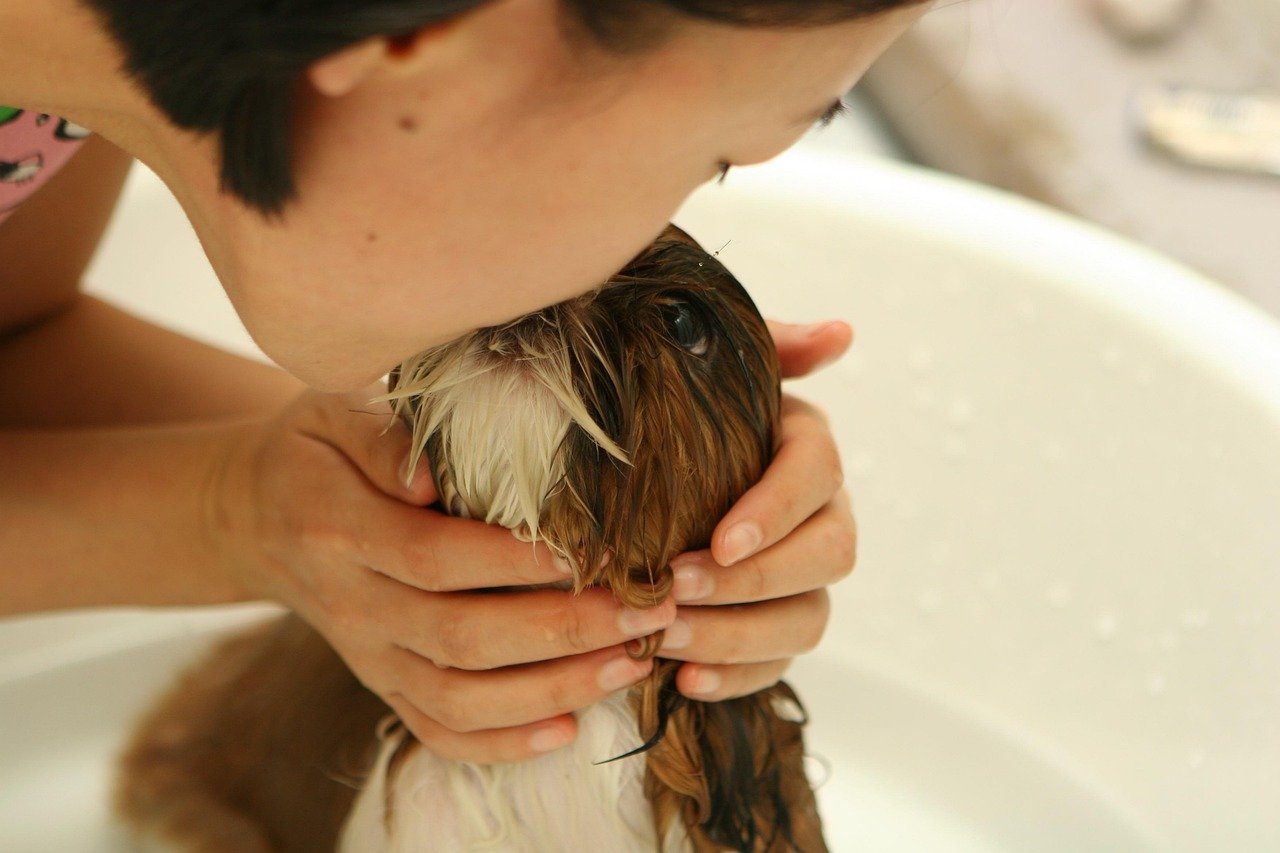
The Healing Power of the Human-Animal Bond
Pets and animals support mental health in profound, science-backed ways — reducing anxiety, easing loneliness, and offering a kind of unconditional comfort that’s genuinely hard to find elsewhere. Whether you share your home with a golden retriever, a rescue cat, or a pair of guinea pigs, the bond you build with an animal is doing more for your wellbeing than you might realise. And in 2026, with mental health challenges continuing to affect millions across the USA, UK, Canada, Australia, and New Zealand, that bond has never mattered more.
This isn’t just feel-good folklore. Decades of research — and a growing mountain of recent evidence — confirms that the companionship of animals has measurable effects on our brains, our bodies, and our emotional lives. From lowering cortisol to easing the symptoms of depression and PTSD, the science is clear: animals are powerful allies in the journey toward mental wellness.
What the Science Actually Says
The relationship between humans and animals goes back at least 15,000 years, but we’ve only recently begun to understand just how deeply it affects us at a neurological level. When you stroke a dog or hear a cat purring on your lap, your brain releases a cocktail of feel-good neurochemicals — including oxytocin (often called the “love hormone”), serotonin, and dopamine. At the same time, levels of the stress hormone cortisol measurably drop.
Key Research Findings
- A 2024 meta-analysis published in PLOS ONE reviewing over 90 studies found that animal-assisted interventions significantly reduced symptoms of anxiety and depression across diverse populations, including children, older adults, and veterans.
- Research from the University of Michigan (2025) found that pet owners reported 20% lower rates of loneliness compared to non-pet owners — a striking finding given that loneliness has been declared a public health crisis in multiple countries.
- A landmark study by the Human-Animal Bond Research Institute (HABRI) found that 74% of pet owners reported mental health improvements since owning a pet, with reduced stress and improved mood among the most commonly cited benefits.
These aren’t marginal effects. For many people — especially those living alone, managing chronic mental health conditions, or recovering from trauma — the presence of an animal companion can be genuinely life-changing. The physiological response is real, reproducible, and increasingly well understood.
The Oxytocin Loop
One of the most fascinating discoveries in this field is what researchers call the “oxytocin loop” — a mutual hormonal exchange that occurs when humans and their pets make eye contact. When you gaze lovingly at your dog and they gaze back, both of your oxytocin levels rise. This is the same bonding mechanism that occurs between parents and newborn infants. It’s deeply hardwired, and it explains why that quiet moment on the sofa with your pet can feel so genuinely restorative.
Mental Health Conditions Where Animal Companionship Helps Most
While pets and animals support mental health in general wellbeing for virtually everyone, the benefits are especially significant for people managing specific mental health challenges. Understanding where the evidence is strongest can help you make informed decisions about your own care.
Anxiety and Stress
This is perhaps the most well-documented area. The simple act of petting an animal for as little as 10 minutes has been shown to reduce cortisol levels in college students during high-stress exam periods. In clinical settings, therapy dogs in hospital and university environments consistently reduce patient-reported anxiety. For those with generalised anxiety disorder or social anxiety, a pet can act as a grounding presence — something warm and real to focus on when anxious thoughts spiral.
Depression and Low Mood
The structure that caring for a pet provides is one of its most underrated mental health benefits. When you’re depressed, getting out of bed can feel impossible. But when a dog needs a walk, or a cat is pawing at their empty food bowl, you have a reason to move — and movement itself is one of the most effective natural antidepressants we know. Pets also offer non-judgmental companionship and a sense of being needed, which directly counteracts two of depression’s most corrosive features: isolation and worthlessness.
PTSD and Trauma
Service animals trained to support veterans and trauma survivors have become an increasingly recognised part of PTSD treatment in the UK, USA, Canada, Australia, and New Zealand. These animals are trained to interrupt nightmares, provide deep pressure therapy during flashbacks, and offer a consistent, calming presence. A 2025 clinical trial from Purdue University found that veterans with PTSD who were paired with trained service dogs showed significantly lower PTSD symptom severity and required less medication than those on a waitlist.
Loneliness and Social Isolation
Pets reduce loneliness on two levels — directly, through their own companionship, and indirectly, by serving as what social scientists call “social catalysts.” Dog owners in particular report more spontaneous conversations with strangers, stronger neighbourhood connections, and greater social confidence. In a world where social isolation is increasingly linked to cognitive decline, cardiovascular disease, and early mortality, this effect is far from trivial.
ADHD and Autism Spectrum Conditions
Children and adults with ADHD often find that the responsibility and routine of caring for a pet helps regulate behaviour and improve focus. For people on the autism spectrum, animals — particularly dogs and horses — can offer a less socially complex form of connection that builds emotional regulation skills and reduces anxiety. Equine-assisted therapy, in particular, has shown promising results for autistic children in developing communication and social skills.
Beyond Dogs and Cats: The Full Spectrum of Animal Therapy
When we talk about how pets and animals support mental health, it’s easy to default to images of golden retrievers and tabby cats — but the therapeutic potential of animals extends much further than our most popular companions.
Equine-Assisted Therapy
Horses are uniquely attuned to human emotional states — they respond to subtle shifts in body language and energy, which makes them extraordinary mirrors for human emotions. Equine-assisted psychotherapy (EAP) is now used in treatment programmes for trauma, addiction, eating disorders, and depression across all five of the countries we serve. Participants report breakthroughs in emotional awareness and regulation that traditional talk therapy hadn’t achieved.
Small Animals and Aquatic Companions
Not everyone can manage the demands of a dog or horse. For older adults, those in smaller living spaces, or people with physical limitations, smaller animals — rabbits, guinea pigs, birds, and even fish — offer genuine mental health benefits. Research from the National Institutes of Health found that watching fish in an aquarium measurably reduced heart rate and muscle tension. Birds provide companionship through sound and interaction without requiring the physical care of larger animals. These are valid, meaningful options — especially for people in supported living, care homes, or apartment settings.
Formal Animal-Assisted Interventions
It’s worth distinguishing between pet ownership and structured animal-assisted therapy (AAT) — a formal therapeutic approach involving trained animals and credentialed practitioners. AAT is now available in hospitals, schools, rehabilitation centres, and mental health clinics across the English-speaking world. Animal-assisted activities (AAA), a less formal cousin, bring trained therapy animals into care homes, libraries, and universities for general wellbeing benefits. Both are growing rapidly and are increasingly covered by healthcare systems recognising their evidence base.
Practical Ways to Bring Animal Connection Into Your Life
You don’t need to own a pet to experience the mental health benefits that animals offer. Here are realistic, actionable ways to cultivate that connection regardless of your living situation, lifestyle, or budget.
If You Own a Pet
- Be present during interactions. Put your phone down when you’re with your pet. The neurochemical benefits are strongest during mindful, engaged interaction — not distracted coexistence.
- Lean into routine. Use your pet’s feeding, walking, and play schedules as anchors for your own daily structure, especially if you’re managing depression or anxiety.
- Consider your pet a wellness tool — not a cure. Pets support mental health beautifully alongside therapy, medication, and other treatments. They’re not a replacement for professional care.
- Join a community. Dog training classes, online pet groups, and local walking clubs turn pet ownership into a social opportunity. Don’t underestimate the peer support that comes with shared animal love.
If You Don’t Own a Pet
- Volunteer at an animal shelter. Most shelters across the USA, UK, Canada, Australia, and New Zealand welcome regular volunteers. You’ll get consistent animal contact, a sense of purpose, and a ready-made social community.
- Use pet-sitting or dog-walking apps. Platforms like Rover and Pawshake let you care for animals on a flexible, commitment-free basis — all the oxytocin, none of the vet bills.
- Visit a therapy animal programme. Many universities, libraries, and community centres now offer scheduled visits with trained therapy animals. Search for programmes in your area.
- Spend time in nature with wildlife. Research shows that even passive wildlife observation — watching birds in a garden, feeding ducks, or spending time near horses — activates similar calming neurological pathways.
- Consider a low-maintenance companion. If ownership is possible but a dog feels overwhelming, start small. A goldfish, a bird, or a pair of gerbils can offer genuine companionship and structure without high demands.
A Note on Responsible Pet Ownership
It would be incomplete to celebrate the benefits of pet ownership without acknowledging the responsibilities. Animals thrive when their physical, social, and psychological needs are met — and a neglected or understimulated animal does not make for a healthy human-animal bond. Before adopting, honestly assess your lifestyle, living space, financial capacity, and energy levels. Rehoming an animal is painful for everyone involved. Adopting from a rescue organisation rather than a breeder not only saves a life but often means welcoming a calmer, already-socialised adult animal into your home.
Navigating Loss: When a Pet Dies
No honest article about pets and mental health can skip this part. The grief that follows losing an animal companion is real, valid, and often underestimated by people who haven’t experienced it. Pet bereavement is now recognised by mental health professionals as a significant form of grief — one that can trigger all the stages of mourning and, for those who relied heavily on their pet for emotional support, can temporarily worsen underlying mental health conditions.
If you’re grieving a pet, please know: what you’re feeling is proportionate. You’ve lost a daily companion, a source of unconditional love, and a cornerstone of your routine. Seek support — whether from a grief counsellor, a pet bereavement helpline (available in the UK, USA, and Australia), or an online community of people who understand exactly what that loss feels like. And when the time feels right, many people find that opening their hearts to another animal is not a betrayal, but a tribute.
Frequently Asked Questions
Can pets replace therapy or medication for mental health conditions?
No — and it’s important to be clear about this. While pets and animals support mental health in meaningful, evidence-based ways, they are not a substitute for professional treatment. For conditions like clinical depression, PTSD, bipolar disorder, or severe anxiety, professional care from a psychologist, psychiatrist, or GP is essential. Pets work best as a complement to treatment, not a replacement. Always consult a healthcare professional if you’re struggling.
What is the best pet for anxiety and depression?
There’s no single “best” pet — the right animal depends on your lifestyle, living situation, and personal connection. Dogs are among the most studied and offer benefits like structured routine, physical activity, and social facilitation. Cats are excellent for people who need calm, low-maintenance companionship. For those with limited space or energy, fish, birds, and small mammals can also provide meaningful comfort. The most important factor is a genuine bond and responsible care.
What is animal-assisted therapy and how do I access it?
Animal-assisted therapy (AAT) is a structured, goal-directed therapeutic intervention involving trained animals and credentialed mental health practitioners. It’s different from simply owning a pet. AAT is available in hospitals, schools, rehabilitation centres, and private therapy practices across the USA, UK, Canada, Australia, and New Zealand. To access it, ask your GP or mental health provider for a referral, or search for registered AAT providers through organisations like the Pet Partners network (USA), Pets As Therapy (UK), or Delta Society Australia.
Are the mental health benefits of pets supported by real science?
Yes, increasingly so. While the field of human-animal interaction research is still maturing, there is now a substantial body of peer-reviewed evidence demonstrating measurable psychological and physiological benefits — including reduced cortisol, lower blood pressure, improved mood, and decreased loneliness. Institutions including the National Institutes of Health, Harvard Medical School, and multiple universities across the UK and Australia have published supporting research. As with all wellness science, nuance matters, but the overall evidence is genuinely compelling.
Can children benefit from having pets for their mental health?
Absolutely. Research consistently shows that children who grow up with pets develop stronger empathy, better emotional regulation, and greater social confidence. For children managing anxiety, ADHD, or autism spectrum conditions, animals can be particularly beneficial — providing sensory comfort, routine, and non-verbal connection. The key is age-appropriate responsibility and adult supervision to ensure both the child and animal are safe and respected.
I rent my home and can’t have a pet. How can I still benefit?
More than you might think. Volunteering at a local animal shelter, dog-walking through apps like Rover, visiting therapy animal programmes, or even spending regular time in nature watching wildlife all activate many of the same neurological benefits as pet ownership. Some landlords are also increasingly open to small caged animals or fish. It’s worth having a respectful conversation — and being persistent. In the meantime, don’t underestimate the power of regular animal contact, even without ownership.
Is it normal to grieve deeply after a pet dies?
Completely normal — and please don’t let anyone minimise what you’re feeling. The bond between a person and their pet is neurologically and emotionally real. Losing that bond triggers genuine grief, and for many people it can be as painful as losing a human loved one. Pet bereavement services exist specifically because this kind of loss is recognised by mental health professionals as significant. Be gentle with yourself, seek support if you need it, and give yourself full permission to grieve.
This article is for informational purposes only and is not a substitute for professional medical advice. If you are experiencing mental health difficulties, please consult a qualified healthcare professional.
Whether you’re already sharing your life with an animal companion or simply curious about making that leap, one thing is clear: the bond between humans and animals is one of the most quietly powerful wellness resources available to us. It asks for presence, responsibility, and care — and in return, it offers something rare and irreplaceable. If you’ve found comfort in a wagging tail, a purring weight on your chest, or the patient gaze of a therapy dog, you already know what the science is only now catching up to. Trust that feeling. Nurture it. And if you’re ready to explore whether animal companionship could be part of your own mental wellness journey, take the first step — your future self (and a very deserving animal) will thank you for it.
Leave a Reply