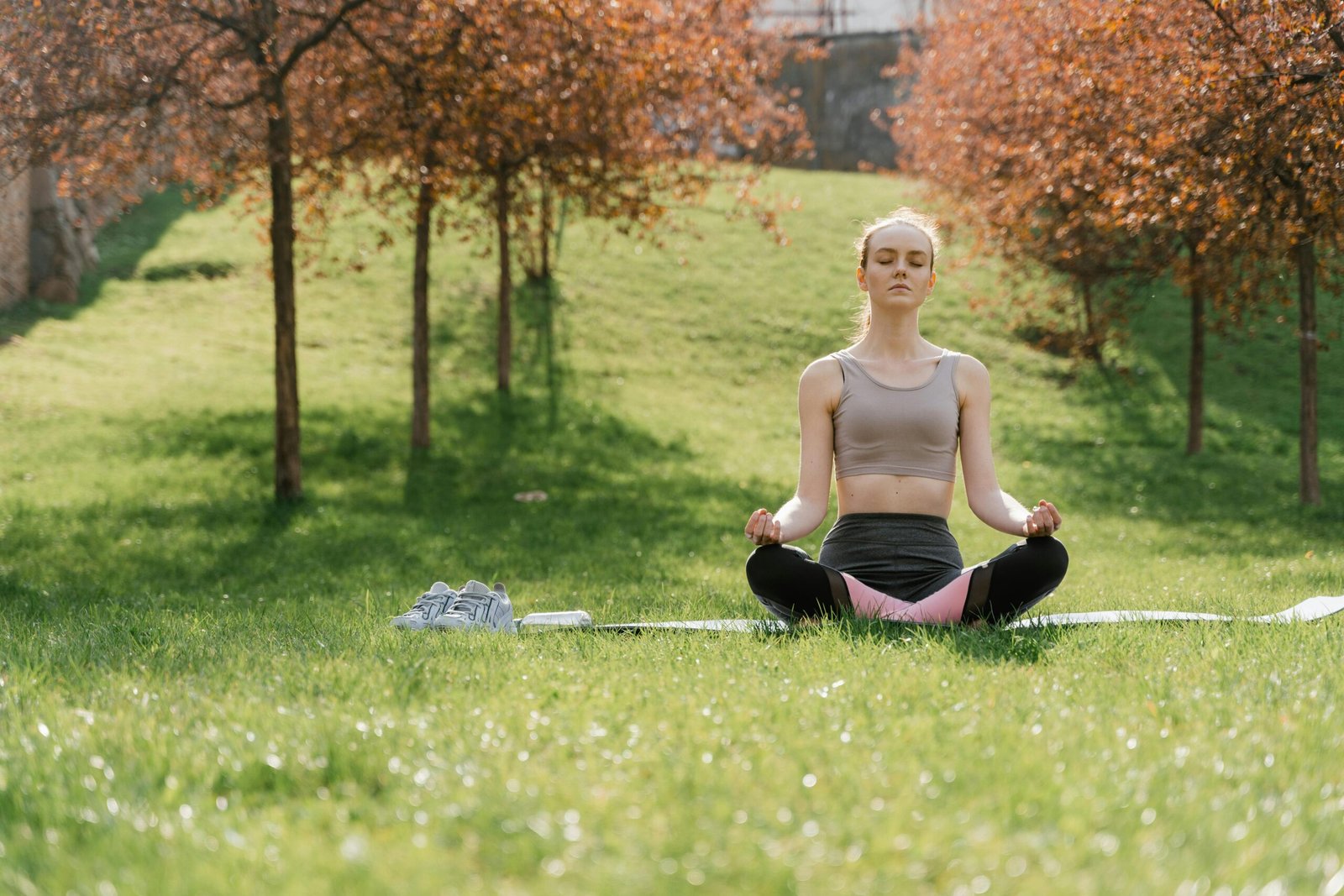
The Science Behind Why Moving Your Body Calms Your Mind
Exercise reduces anxiety and stress more effectively than most people realise — and the evidence in 2026 is stronger than ever. Whether you’re dealing with the low hum of everyday worry or the crushing weight of chronic stress, your body holds a powerful antidote that doesn’t require a prescription. This isn’t about pushing through pain or training like an athlete. It’s about understanding why movement is one of the most accessible, well-researched tools for mental wellness available to all of us.
If you’ve ever felt your shoulders drop after a brisk walk or noticed that a tough week feels more manageable after a swim, you already know this connection intuitively. Now let’s explore what’s actually happening beneath the surface — and how you can use it deliberately to feel better, starting today.
What Happens in Your Brain and Body When You Exercise
The relationship between physical movement and mental calm is rooted in biology. When you exercise, your body doesn’t just respond physically — it undergoes a cascade of neurochemical changes that directly counteract the stress response.
The Neurochemical Shift
During physical activity, your brain releases a cocktail of mood-regulating chemicals. Endorphins — often called the body’s natural painkillers — create feelings of euphoria and reduce the perception of pain. But endorphins are only part of the story. Exercise also boosts serotonin, the neurotransmitter closely linked to mood stability and emotional resilience, and dopamine, which governs motivation and reward. It also reduces levels of cortisol and adrenaline, the primary hormones responsible for the stress response.
A landmark 2025 meta-analysis published in The Lancet Psychiatry reviewed data from over 1.2 million adults across six countries and found that people who exercised regularly reported 43% fewer poor mental health days compared to those who were sedentary. That’s not a small effect — it’s transformative.
The Role of BDNF: Your Brain’s Fertiliser
One of the lesser-known but profoundly important benefits of exercise is the release of Brain-Derived Neurotrophic Factor (BDNF) — sometimes called “Miracle-Gro for the brain.” BDNF promotes the growth of new neurons, strengthens neural connections, and is particularly concentrated in the hippocampus, the region of the brain responsible for memory, learning, and emotional regulation.
Chronic stress literally shrinks the hippocampus over time. Regular aerobic exercise reverses this. Research from the University of British Columbia found that regular aerobic exercise increases hippocampal volume by approximately 2% in older adults — effectively turning back the clock on stress-related brain changes. This is why exercise reduces anxiety not just in the moment, but as a long-term protective factor.
Calming the Nervous System
Anxiety lives in the sympathetic nervous system — the “fight or flight” system. Chronic stress keeps this system chronically activated, leaving you wired, tense, and exhausted. Exercise works as a kind of controlled stress that trains your nervous system to recover more efficiently. Post-exercise, your body activates the parasympathetic nervous system — the “rest and digest” mode — more readily. Over time, regular exercisers have measurably lower resting heart rates and faster heart rate recovery, signs of a more resilient, less reactive nervous system.
Which Types of Exercise Work Best for Anxiety and Stress Relief
The good news is that you don’t need to commit to an intense gym regimen to experience the mental health benefits of movement. Different types of exercise offer different — and often complementary — benefits for anxiety and stress.
Aerobic Exercise: The Most Researched Option
Walking, jogging, cycling, swimming, and dancing all fall into this category. Aerobic exercise is the most extensively studied form of movement for mental health outcomes. A 2026 report from the American Psychological Association confirmed that just 30 minutes of moderate aerobic exercise, three to five times per week, produces clinically significant reductions in anxiety symptoms. Even a single 20-minute walk can reduce anxiety for up to several hours afterward.
The key is moderate intensity — working hard enough that your breathing increases but you can still hold a conversation. This “sweet spot” appears to produce the greatest neurochemical benefits without triggering additional cortisol spikes.
Strength Training: Building Resilience From the Ground Up
Resistance training — whether using weights, resistance bands, or your own bodyweight — has emerged as a powerful tool specifically for anxiety reduction. A 2024 systematic review in JAMA Psychiatry found that resistance training significantly reduced anxiety symptoms in both clinical and non-clinical populations, with effects comparable to aerobic exercise. There’s something psychologically grounding about lifting, carrying, and building physical strength — it creates a felt sense of capability that spills over into how we handle stress in everyday life.
Yoga and Mind-Body Movement
Yoga sits at the intersection of movement, breathwork, and mindfulness — which is exactly why it’s so effective for anxiety and stress. A growing body of evidence shows that yoga specifically targets the vagus nerve, increasing vagal tone and activating the parasympathetic nervous system. Studies from Harvard Medical School have shown that regular yoga practice reduces cortisol levels, lowers blood pressure, and decreases inflammatory markers associated with chronic stress. For those whose anxiety manifests physically — tight chest, shallow breathing, tense muscles — yoga can be particularly transformative.
Nature-Based Movement
There’s compelling evidence that exercising outdoors amplifies the mental health benefits of movement. A 2025 study from the University of Exeter found that people who exercised in green spaces reported 50% greater reductions in stress compared to those exercising indoors. Whether it’s a forest walk, a coastal run, or cycling through a park, combining movement with nature exposure appears to have a synergistic effect on the stress response — reducing rumination and lowering cortisol more effectively than indoor exercise alone.
How Much Exercise Do You Actually Need?
One of the most common questions people have is how much movement is truly necessary to make a meaningful difference to anxiety and stress levels. The research in 2026 is reassuring: the threshold is lower than most people assume.
The Evidence-Based Starting Point
Current guidelines from the World Health Organization recommend 150–300 minutes of moderate-intensity aerobic activity per week, or 75–150 minutes of vigorous activity. But for mental health benefits specifically, even significantly less movement produces measurable results. A 2025 study in Psychological Medicine found that as little as 10–20 minutes of moderate exercise per day was associated with significantly lower rates of anxiety and depression compared to no activity at all.
The most important principle isn’t duration or intensity — it’s consistency. A 15-minute daily walk, sustained over weeks and months, will do more for your mental health than an occasional intense workout.
Finding Your Entry Point
If you’re currently sedentary, starting small isn’t a compromise — it’s the strategy. Research consistently shows that the largest mental health gains occur in the transition from no activity to some activity. You don’t need to run a 5K to reduce anxiety. Consider these low-barrier starting points:
- A 10-minute walk after dinner each evening
- Stretching or gentle yoga for 15 minutes in the morning
- Three sets of bodyweight exercises (squats, push-ups, lunges) three times per week
- Dancing to a favourite playlist for 20 minutes
- Cycling to work or to run errands when possible
The right exercise for anxiety is the one you’ll actually do. Enjoyment matters enormously — if you dread your workout, you’ll avoid it. Experiment freely until you find movement that feels like a gift rather than a punishment.
Practical Strategies to Build an Anxiety-Reducing Exercise Habit
Knowing that exercise helps with anxiety is one thing. Actually building a sustainable habit when anxiety itself can make everything feel harder is another. Here are evidence-informed strategies to bridge that gap.
Lower the Activation Energy
Anxiety often thrives on overwhelm. The more complex and demanding your exercise plan feels, the more likely anxiety is to win. Reduce every possible barrier: lay out your exercise clothes the night before, keep a resistance band on your desk, choose a gym that’s on your commute route. The goal is to make movement the path of least resistance.
Use Exercise as an Anxiety Intervention, Not Just Prevention
When you feel a spike of anxiety coming on, movement can be a direct intervention — not something you save for your scheduled workout. Even five minutes of brisk walking, jumping jacks, or vigorous stair climbing can interrupt the physiological stress cycle by burning off the adrenaline and cortisol that anxiety floods into your system. Keeping this tool in your back pocket gives you agency over your anxiety in real time.
Pair Exercise With Mindfulness
Combining movement with present-moment awareness dramatically amplifies its effects on anxiety. Instead of listening to a podcast while you walk, try a “mindful walk” — noticing the sensation of your feet on the ground, the temperature of the air, the sounds around you. This engages both the physical and cognitive dimensions of anxiety reduction simultaneously, essentially giving your nervous system a double dose of calm.
Exercise With Others When Possible
Social connection is independently protective against anxiety and stress. When you combine it with exercise, the benefits multiply. Whether it’s a running club, a yoga class, or simply a regular walk with a friend, exercising socially increases accountability, enjoyment, and the release of oxytocin — the bonding hormone that further dampens the stress response. A 2024 study in Social Science and Medicine found that group exercise produced significantly greater reductions in anxiety than solo exercise of equivalent intensity.
When Exercise Alone Isn’t Enough
Exercise is a powerful, evidence-based tool — but it’s one tool, not a complete solution for everyone. It’s important to approach this with honesty and compassion.
Understanding the Limits
For many people with mild to moderate anxiety and stress, regular exercise can be profoundly therapeutic — sometimes as effective as medication, according to several well-regarded studies. But for those living with severe anxiety disorders, panic disorder, PTSD, or anxiety rooted in trauma, exercise is most effective as part of a broader treatment plan that may include therapy, medication, lifestyle changes, and professional support.
It’s also worth noting that overexercise — particularly in people with certain anxiety profiles — can sometimes backfire. Intense exercise elevates cortisol and can trigger anxiety symptoms in susceptible individuals. If you notice your anxiety worsening with exercise, that’s important information worth discussing with a healthcare provider.
Complementary Practices That Amplify Results
For maximum impact on anxiety and stress, exercise works best alongside:
- Quality sleep: Exercise improves sleep quality, and good sleep regulates the stress hormones that drive anxiety.
- Nutritional support: A diet rich in omega-3 fatty acids, magnesium, and fermented foods supports the gut-brain axis and reduces neuroinflammation linked to anxiety.
- Breathwork and mindfulness: Practices like diaphragmatic breathing and meditation directly calm the nervous system and complement the benefits of exercise.
- Professional support: Cognitive Behavioural Therapy (CBT) remains the gold standard for anxiety treatment and pairs powerfully with an active lifestyle.
This article is for informational purposes only and is not a substitute for professional medical advice. If you are struggling with anxiety or stress that significantly impacts your daily life, please consult a qualified healthcare professional.
Frequently Asked Questions
How quickly does exercise reduce anxiety symptoms?
Many people notice a reduction in anxiety within 20–30 minutes of moderate exercise, as the neurochemical changes — including endorphin and serotonin release — take effect during and immediately after physical activity. For longer-lasting change, research suggests that consistent exercise over 4–8 weeks produces the most significant and sustained reductions in anxiety levels. Think of the immediate relief as a daily bonus and the long-term neurological changes as the real investment.
Can walking really help with anxiety, or do I need to do intense exercise?
Walking is genuinely one of the most effective exercises for anxiety — don’t underestimate it. A brisk 20–30 minute walk activates many of the same neurochemical processes as more intense exercise, including endorphin release, cortisol reduction, and improved mood. Multiple studies have shown that moderate-intensity activities like walking produce mental health benefits comparable to vigorous exercise, with the added advantage of being accessible, low-risk, and easy to sustain. If walking is where you can start, walking is exactly right.
Is it normal to feel more anxious when I first start exercising?
Yes, and this is more common than people realise. When you begin exercising, particularly aerobic activity, your heart rate increases, you breathe faster, and you may sweat — sensations that can feel uncomfortably similar to anxiety or panic. This is called “exercise-induced interoceptive anxiety” and is especially common in people with panic disorder. The good news is that with gentle, gradual exposure to these sensations, most people find they become desensitised over time — and exercise actually becomes a tool for reducing sensitivity to anxiety-related physical sensations. Starting slowly and building gradually is key.
How does exercise reduce stress hormones like cortisol?
Exercise creates a controlled, temporary increase in cortisol during activity, which then triggers a regulatory feedback loop — essentially training your body to manage cortisol more efficiently over time. Regular exercisers have lower baseline cortisol levels and a more measured cortisol response to psychological stressors. Additionally, the post-exercise parasympathetic “recovery” state actively lowers cortisol and adrenaline. Over weeks and months of consistent movement, your body becomes significantly better at regulating the hormonal stress response.
What is the best time of day to exercise for anxiety relief?
The honest answer is that the best time to exercise is whenever you will actually do it consistently. That said, research offers some useful guidance. Morning exercise tends to support better sleep that night and sets a positive neurochemical tone for the day. Afternoon exercise (around 2–6pm) often aligns with peak physical performance and can be useful for processing accumulated daytime stress. Evening exercise is fine for most people, though vigorous workouts within two hours of bedtime can interfere with sleep in some individuals. Experiment and find your rhythm — consistency trumps timing every time.
Can exercise help with social anxiety specifically?
Yes — and the research here is particularly encouraging. A 2024 review in Frontiers in Psychology found that regular exercise reduced social anxiety symptoms through several mechanisms: improved self-esteem and body confidence, reduced physiological reactivity in social situations, and enhanced emotional regulation. Group exercise settings can also provide a low-pressure form of social exposure — being around others in a structured, goal-oriented context — which gradually reduces social anxiety responses over time. Both solo and social exercise have demonstrated benefits for this specific anxiety type.
What if I have a physical limitation that makes traditional exercise difficult?
Movement in some form is accessible to almost everyone, and the research doesn’t require you to be physically able-bodied to benefit. Chair yoga, seated stretching, water-based exercise (which significantly reduces joint strain), hand cycling, and even gentle resistance band work performed seated all produce meaningful mental health benefits. The key principles — increasing heart rate mildly, engaging muscles, and creating a rhythmic, consistent movement pattern — can be applied across a wide range of physical abilities. Always consult with a physiotherapist or your healthcare provider to find movement approaches that work safely for your specific situation.
Your Next Step Starts With One Movement
You don’t need a perfect plan, an expensive gym membership, or a complete lifestyle overhaul to start feeling the benefits of exercise on your anxiety and stress. You need one small, manageable, genuine first step — a 10-minute walk around the block, a gentle stretch before bed, a dance to a song that makes you feel alive. The science is clear, the path is open, and your body and mind are ready to meet you exactly where you are. At The Calm Harbour, we believe that mental wellness isn’t about perfection — it’s about showing up for yourself, one movement at a time. Start today, be kind to yourself along the way, and trust that every step forward is doing something real for your wellbeing.
Leave a Reply