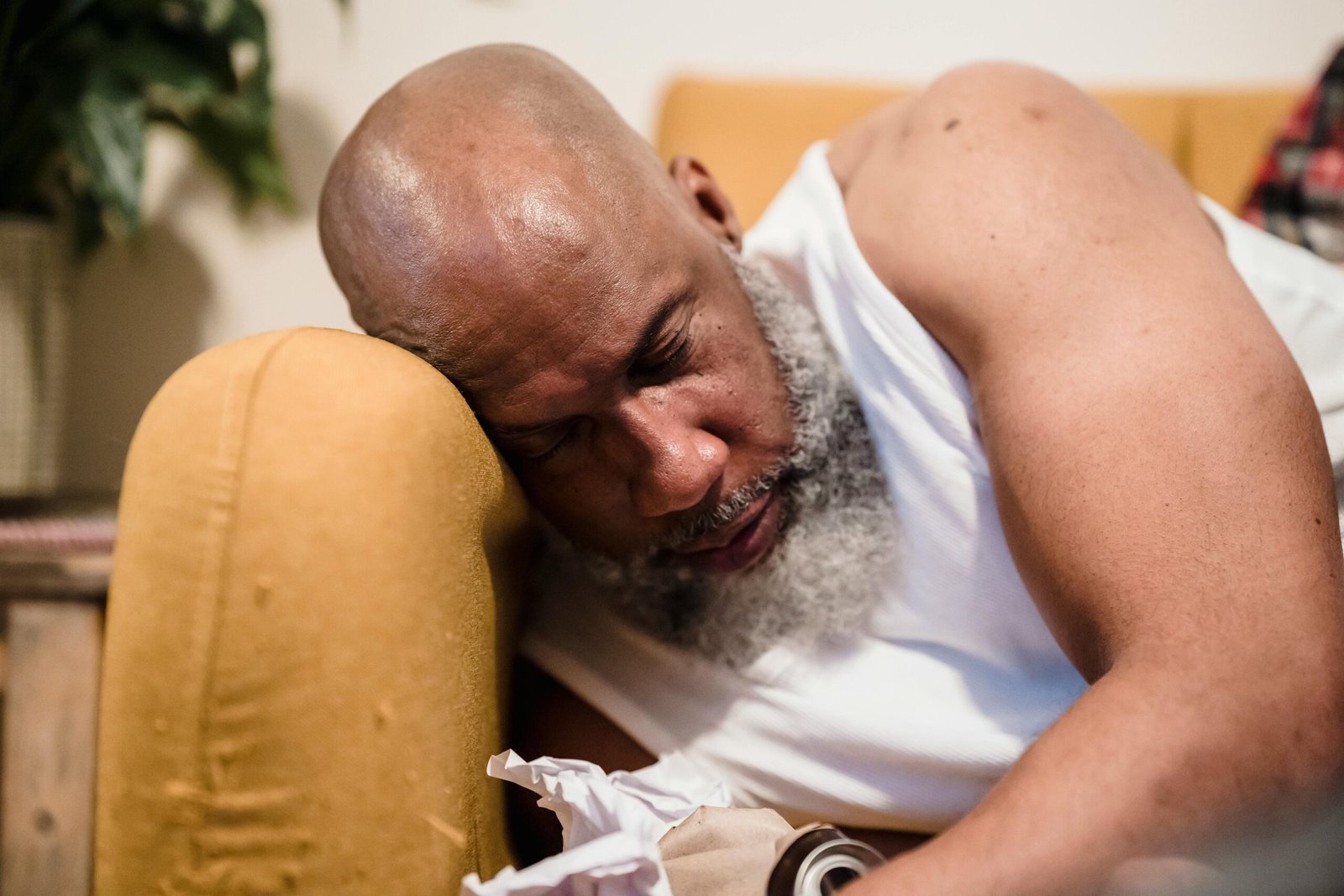
When Exhaustion Goes Deeper Than You Think
Feeling completely drained, emotionally flat, and disconnected from life can mean very different things — and knowing whether you’re experiencing depression vs burnout could be the most important distinction you make for your mental health this year.
Both conditions are alarmingly common. According to the World Health Organization’s 2025 Global Mental Health Report, depression now affects over 280 million people worldwide, while a 2026 Gallup Workplace Wellbeing study found that 76% of workers in English-speaking countries report experiencing burnout symptoms at least sometimes — with 28% describing it as frequent or constant. These numbers aren’t just statistics. They represent real people lying awake at 3am wondering why nothing feels good anymore.
The challenge is that depression and burnout can look remarkably similar on the surface. Both steal your energy. Both dim your motivation. Both make it hard to show up for yourself and the people you love. But they have different roots, different trajectories, and critically, different paths to recovery. Misidentifying one for the other doesn’t just delay healing — it can actively make things worse. Treating burnout like depression might lead you to focus on medication when what you need is rest and boundary-setting. Treating depression like burnout might lead you to take a vacation when you actually need clinical support.
This guide is here to help you understand the key differences, recognize where you might be, and take meaningful steps forward. Think of it as a conversation with a knowledgeable, caring friend — one who wants you to get the right kind of help, not just any kind.
This article is for informational purposes only and is not a substitute for professional medical advice. If you are struggling, please reach out to a qualified mental health professional.
Understanding What Each Condition Actually Is
What Is Burnout?
Burnout is a state of chronic exhaustion caused by prolonged, unmanaged stress — most often in the context of work, caregiving, or other high-demand roles. The World Health Organization officially classifies burnout as an occupational phenomenon in the ICD-11, not a medical condition in itself. This is an important distinction. It means burnout is fundamentally situational — it arises from an external source of pressure and, in many cases, can improve significantly when that source changes.
Psychologist Christina Maslach, whose research has shaped how we understand burnout for decades, describes it through three core dimensions: emotional exhaustion (feeling completely used up), depersonalization or cynicism (becoming emotionally distant or detached from your work or relationships), and reduced personal accomplishment (a nagging sense that nothing you do matters or makes a difference). If you find yourself counting down the minutes at work, feeling numb when you used to feel passionate, or quietly resenting people you used to care about helping — burnout may be at play.
What Is Depression?
Depression, clinically known as Major Depressive Disorder (MDD), is a medical condition that affects brain chemistry, thought patterns, and physical health simultaneously. It’s not sadness. It’s not weakness. It’s a diagnosable illness with neurological underpinnings — involving disruptions in neurotransmitters like serotonin, dopamine, and norepinephrine, as well as structural changes in brain regions involved in mood regulation.
To meet the clinical criteria for depression, a person must experience at least five of nine recognized symptoms nearly every day for at least two weeks — including either persistent low mood or loss of interest in things that once brought joy. Other symptoms include changes in appetite or weight, sleep disturbances, fatigue, difficulty concentrating, feelings of worthlessness or excessive guilt, and in more serious cases, thoughts of death or suicide. Unlike burnout, depression doesn’t stay neatly in one compartment of your life. It seeps into everything — your relationships, your hobbies, your sense of self, and your physical body.
The Key Differences Between Depression and Burnout
Where the Suffering Lives
One of the most telling differences is scope. Burnout tends to be domain-specific, at least in its early and moderate stages. You might feel completely depleted at work but still experience genuine pleasure watching a film with your partner, laughing with friends on the weekend, or enjoying a walk in the park. There’s still a “you” in there who can feel good — you’ve just been squeezed dry in a particular context.
Depression, by contrast, is pervasive. It follows you into the moments that should feel good. The technical term for this is anhedonia — the inability to feel pleasure from activities that were previously enjoyable. If the things that used to light you up now feel hollow, gray, or completely unreachable regardless of where you are or what you’re doing, that’s a significant signal pointing toward depression rather than burnout.
How Rest Affects You
Here’s a practical litmus test that many clinicians use informally: what happens when you rest?
With burnout, genuine rest — real time away from the stressor, not just a Sunday spent dreading Monday — tends to bring some relief. A proper holiday, a sabbatical, a long weekend with no obligations can restore some sense of yourself. You might feel lighter, more like yourself, more capable of joy. The relief might not be complete or lasting if you return to the same environment, but it’s real and noticeable.
With depression, rest alone rarely moves the needle. You could sleep for twelve hours, spend a week at a beautiful retreat, and still feel the same heavy, flat, disconnected way. This is because depression isn’t simply a deficit of rest — it’s a disruption in how your brain processes emotion, meaning, and reward. No amount of sleep fixes a serotonin imbalance.
The Role of Self-Worth
Burnout can make you feel incompetent, but usually within a specific role or context. You might think “I’m terrible at this job” or “I can’t keep up anymore” — but those thoughts are tied to circumstances.
Depression tends to attack your core identity. It whispers that you are fundamentally flawed, worthless, or burdensome — not just in one area, but as a human being. Feelings of deep shame, excessive guilt, and the belief that others would be better off without you are red flags that belong in the depression category. If your inner critic has moved from “I’m burnt out at work” to “I am nothing,” please talk to someone today.
Physical Symptoms
Both conditions have physical manifestations, but depression’s somatic symptoms tend to be more pronounced and varied. Research published in the Journal of Affective Disorders in 2025 found that over 60% of people with depression experience significant physical symptoms — including unexplained pain, digestive issues, changes in appetite, and psychomotor changes (moving or speaking more slowly than usual). While burnout certainly causes fatigue and headaches, the breadth and depth of physical involvement in depression is typically greater.
Onset and Timeline
Burnout usually has an identifiable buildup — you can often trace it to a specific period of overwork, a toxic workplace dynamic, a caregiving marathon, or a life transition that demanded too much for too long. Depression can also be triggered by circumstances, but it can also appear with no clear external cause, or linger long after the stressful situation has resolved.
Where It Gets Complicated — And Why That’s Okay
Here’s the honest truth: burnout and depression frequently co-occur. In fact, chronic, untreated burnout is a significant risk factor for developing clinical depression. A 2024 meta-analysis published in Frontiers in Psychiatry found that individuals experiencing severe occupational burnout had a threefold increased risk of developing major depressive disorder within two years compared to those with low burnout scores.
This means that if you’ve been burned out for a long time and haven’t had the support or space to recover, you may now be dealing with both simultaneously. This isn’t a failure — it’s a physiological and psychological reality of what prolonged stress does to a human nervous system. The overlap can make self-diagnosis genuinely difficult, which is exactly why professional assessment matters.
Symptoms They Share
- Persistent fatigue that sleep doesn’t fix
- Reduced concentration and cognitive fog
- Emotional numbness or feeling disconnected
- Loss of motivation and reduced productivity
- Irritability and low frustration tolerance
- Social withdrawal and isolation
- Disrupted sleep patterns
When you’re living inside these symptoms, it can feel impossible to know what’s causing what. And you don’t have to figure it out alone. What matters most right now is acknowledging that something is wrong and that you deserve support.
Practical Steps You Can Take Right Now
1. Track Your Patterns for Two Weeks
Spend two weeks keeping a simple daily log — just a few sentences noting your mood, energy level, and what brought any relief (if anything). Pay attention to whether good moments exist and what triggers them, whether rest genuinely helps, and whether your low feelings are tied to specific contexts or follow you everywhere. This information is also invaluable if you decide to see a professional.
2. Take a Validated Screening Tool
The PHQ-9 (Patient Health Questionnaire) is a widely used, clinically validated tool for depression screening available for free online through NHS, Beyond Blue, and similar reputable sources. The Maslach Burnout Inventory is the gold standard for burnout, though abbreviated versions are freely accessible. These aren’t diagnostic tools, but they can clarify where your experience sits and give you language for a conversation with a doctor or therapist.
3. Address the Stressor (If Burnout Is the Primary Driver)
If burnout seems dominant, meaningful recovery requires addressing the source — not just managing symptoms. This might mean having an honest conversation with your manager about workload, setting firmer boundaries with your time, delegating responsibilities, or seriously evaluating whether your current environment is sustainable. Temporary symptom relief through self-care is necessary but not sufficient if the structural problem remains unchanged.
4. Prioritize Sleep, Movement, and Connection
These aren’t clichés — they are evidence-based interventions for both conditions. A 2025 study in JAMA Psychiatry found that consistent aerobic exercise had effects on mild-to-moderate depression comparable to first-line antidepressants in some populations. Sleep disruption worsens both burnout and depression measurably. And social connection — even imperfect, low-energy connection — is one of the strongest buffers against both conditions deteriorating further.
5. Seek Professional Support
This is not optional if your symptoms have persisted for more than two weeks, are significantly affecting your functioning, or include any thoughts of self-harm. A GP or primary care physician is often the right first stop — they can rule out physical causes (thyroid issues, vitamin deficiencies, and hormonal imbalances can all mimic depression), provide a referral to a psychologist or psychiatrist, and discuss whether medication might be appropriate.
In the UK, you can self-refer to NHS Talking Therapies. In Australia, a GP can create a Mental Health Treatment Plan for subsidized psychology sessions. In Canada and the US, many workplaces offer Employee Assistance Programs (EAPs) with free counseling sessions. In New Zealand, you can access support through your GP or directly through mental health services. You don’t have to navigate this alone, and in many cases, support is more accessible than you might think.
Recovery Looks Different for Each — And That’s Worth Knowing
Recovering From Burnout
Burnout recovery is fundamentally about restoration and restructuring. It requires genuine rest, boundary repair, reconnection to values and meaning, and often, changes to the environment or role that caused the depletion. Therapy modalities like Acceptance and Commitment Therapy (ACT) and solution-focused approaches can be particularly effective here, helping you clarify your values, rebuild autonomy, and develop sustainable working patterns. Recovery is possible, and many people emerge from burnout with a clearer sense of what they want their life to look like.
Recovering From Depression
Depression recovery typically involves a combination of approaches tailored to the individual. Cognitive Behavioural Therapy (CBT) has the strongest evidence base for depression and is available in-person and increasingly through digital platforms. Antidepressant medication is effective for moderate-to-severe depression and works best in combination with therapy. Lifestyle factors — particularly sleep hygiene, regular movement, and nutrition — play supporting roles. Recovery from depression is not linear, and it often takes time to find the right combination of supports. But recovery is real, and it happens every day for people who felt exactly as you might feel right now.
Frequently Asked Questions
Can burnout turn into depression?
Yes, and this is one of the most important reasons to take burnout seriously early. Chronic, unaddressed burnout places sustained stress on your nervous system, disrupts sleep, alters cortisol patterns, and depletes the psychological resources that protect against depression. Research consistently shows that long-term burnout significantly elevates the risk of developing clinical depression. If you’ve been burned out for months and things are getting darker rather than better, please seek professional support sooner rather than later.
Can I have both burnout and depression at the same time?
Absolutely. This is more common than most people realize. Burnout and depression are not mutually exclusive, and the symptoms of each can amplify the other. If you’re experiencing the domain-specific exhaustion of burnout alongside the pervasive low mood, anhedonia, and identity-level hopelessness of depression, a mental health professional can help you untangle the threads and create a recovery plan that addresses both.
Will taking time off fix depression?
If depression is the primary issue, time off alone is unlikely to be sufficient. Unlike burnout — where genuine rest can bring noticeable relief — depression involves neurological and psychological processes that typically require targeted treatment to resolve. That said, reducing external stressors can absolutely support your recovery alongside therapy and/or medication. Time off may be necessary, but it’s rarely the complete answer for clinical depression.
How do I talk to my doctor about this?
Be honest and specific. Tell your doctor how long you’ve been feeling this way, what your symptoms are (including physical ones), and how your daily functioning has been affected. You can say directly: “I’m not sure if I’m experiencing burnout or depression and I need help figuring it out.” Bringing notes from a mood diary or your PHQ-9 results can be helpful. Your doctor will not judge you — they want to help you get the right support.
Is burnout a real medical diagnosis?
Burnout is recognized by the World Health Organization in the ICD-11 as an occupational phenomenon — a significant acknowledgment of its legitimacy and impact. However, it is not classified as a medical disorder in the way that depression is. This distinction matters for treatment pathways: depression has specific clinical diagnostic criteria and established treatment protocols, while burnout intervention tends to focus more on environmental change, stress management, and recovery of personal resources. Both are real. Both deserve care.
How long does recovery from each take?
Recovery timelines vary enormously based on severity, individual factors, and access to support. Mild-to-moderate burnout, with appropriate rest and environmental changes, may improve meaningfully within weeks to a few months. Severe burnout can take considerably longer. Depression recovery with treatment typically shows initial improvement within four to eight weeks, though full recovery and relapse prevention work can span many months. The important thing is that both conditions are treatable, and with the right support, improvement is the norm — not the exception.
What if I can’t afford therapy right now?
There are more options than you might know. In the UK, NHS Talking Therapies offers free CBT and counseling. In Australia, the Better Access initiative provides Medicare-subsidized psychology sessions. In Canada, many provinces fund mental health services, and most employers offer EAP counseling. In New Zealand, some services are available through the public health system. In the US, Open Path Collective and community mental health centers offer reduced-cost therapy. Apps like MoodGym, Woebot, and the NHS’s approved digital therapies also offer evidence-based support at low or no cost.
You Deserve the Right Kind of Help
Understanding the difference between depression and burnout isn’t about putting yourself in a box — it’s about finding the most direct path back to feeling like yourself. Whatever you’re going through right now, the fact that you’re here, reading this, trying to understand your own mind, is a sign of strength, not weakness. These are hard things to face. And you don’t have to face them alone. Whether what you need is deep rest, a change in circumstances, therapy, medication, or all of the above — that help exists, and you are worth pursuing it. Reach out to a doctor, a therapist, or a trusted person in your life today. Small steps forward still count, and healing — even when it feels impossibly far away — is closer than you think.
Leave a Reply