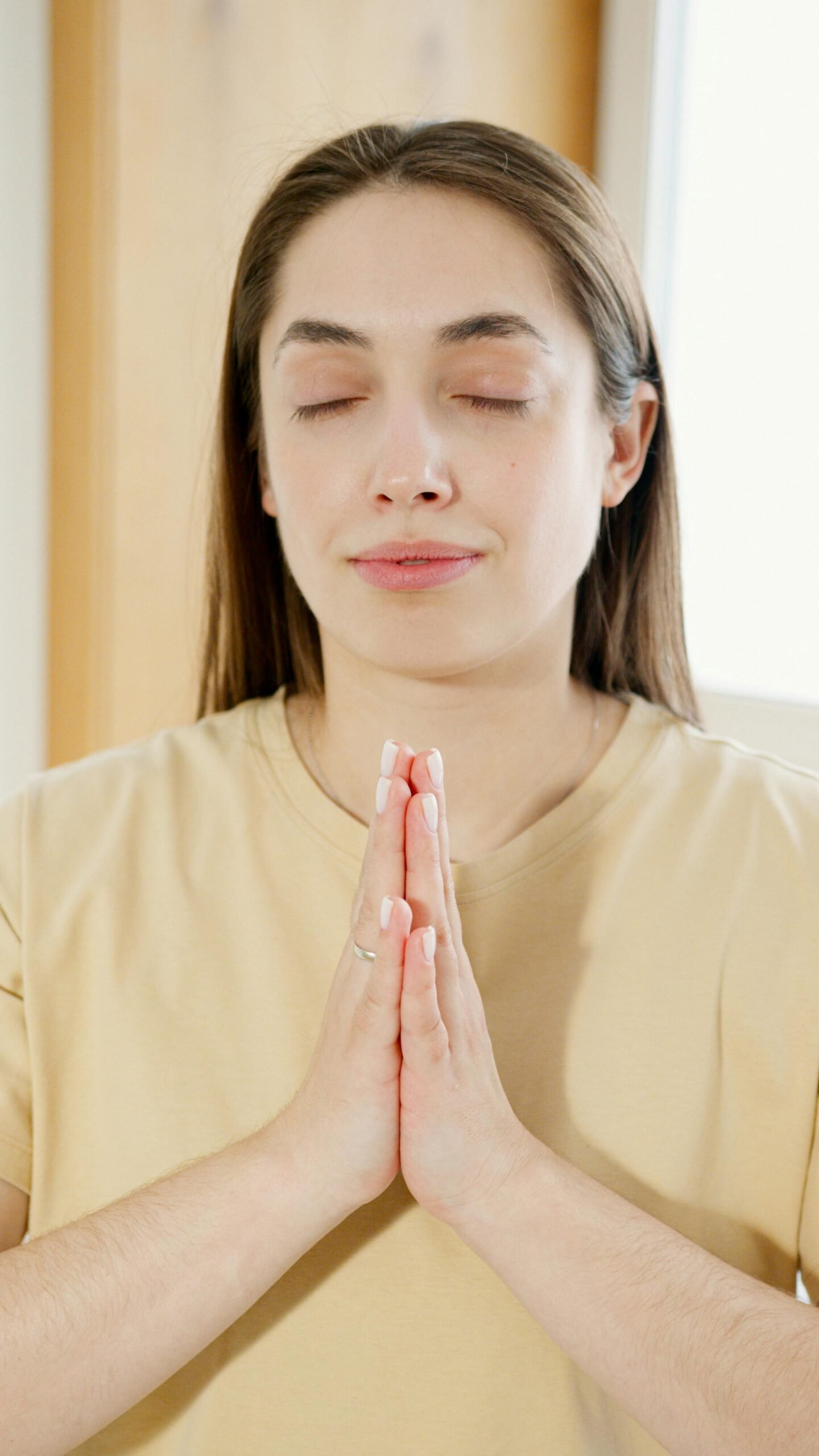
Why Your Breath Is the Most Powerful Tool You Already Own
Breath awareness meditation is one of the simplest, most research-backed ways to calm your mind, reduce stress, and build lasting emotional resilience — no experience, equipment, or special setting required.
If you’ve ever felt overwhelmed by the idea of meditation — wondering whether you’re doing it right, frustrated that your mind won’t go quiet, or unsure where to even begin — you’re in excellent company. Most people who eventually build a meaningful practice started exactly where you are right now: curious, a little skeptical, and slightly confused about what meditation actually involves.
Here’s the truth: meditation isn’t about emptying your mind. It’s about learning to notice what your mind is doing, without being dragged along by it. And your breath — the one thing your body has been doing perfectly your entire life — is the ideal starting point for that kind of awareness.
In 2026, the global conversation around mental wellness has never been more urgent. According to the World Health Organization, anxiety and depression affect over one billion people worldwide, and demand for accessible, evidence-based mental health tools has surged accordingly. Breath awareness meditation sits at the intersection of ancient wisdom and modern neuroscience, and the science behind it is genuinely compelling. Let’s explore everything you need to know to start — and stick with — this practice.
What Breath Awareness Meditation Actually Is
Breath awareness meditation is a foundational mindfulness practice in which you deliberately direct your attention to the natural rhythm of your breathing. You observe the breath as it moves in and out of your body — noticing the rise and fall of your chest or belly, the sensation at your nostrils, the brief pause between an inhale and exhale — without trying to control or change it.
That last part is important. This is an observation practice, not a breathing exercise. You’re not asked to breathe in a particular pattern (though we’ll discuss why intentional breathing can also help). You’re simply tuning in to what’s already happening, using the breath as an anchor for your attention.
How It Differs From Other Forms of Meditation
Meditation is a broad umbrella that includes many different techniques — loving-kindness meditation, body scan practices, visualisation, mantra repetition, and more. Breath awareness is often considered the most accessible entry point because it requires no memorised phrases, no visualisation skills, and no prior experience. It’s available to you anywhere, at any time, and it costs nothing.
Unlike transcendental meditation (which uses a specific mantra) or guided imagery (which depends on audio guidance), breath awareness is entirely self-contained. Once you understand the basic mechanics, you carry the entire practice within you. That’s a remarkable thing.
Its Roots and Modern Relevance
The practice has deep roots in Buddhist vipassana traditions, where attention to the breath — known as anapanasati — was taught as a path to insight and liberation. But you don’t need any spiritual framework to benefit from it. Modern mindfulness-based programs, including Mindfulness-Based Stress Reduction (MBSR), developed by Dr. Jon Kabat-Zinn at the University of Massachusetts in the late 1970s, adapted breath awareness for a secular clinical setting. Today it forms the backbone of evidence-based mental health interventions used in hospitals, schools, and workplaces across the USA, UK, Canada, Australia, and New Zealand.
What the Science Says: Real Benefits, Real Data
One of the most refreshing things about breath awareness meditation is that it doesn’t ask you to take anything on faith. The benefits are measurable, replicable, and increasingly well understood at a neurological level.
Stress and Anxiety Reduction
When you consciously focus on your breath, you activate the parasympathetic nervous system — often called the “rest and digest” system — which counteracts the fight-or-flight stress response. A landmark meta-analysis published in JAMA Internal Medicine found that mindfulness meditation programs showed moderate evidence of improvement in anxiety, depression, and pain. More recent research from 2024, published in Nature Mental Health, found that even brief daily mindfulness practice — as little as ten minutes — produced measurable reductions in perceived stress within eight weeks.
Brain Structure and Emotional Regulation
Neuroimaging studies have shown that regular meditation practice is associated with structural changes in the brain, particularly in the prefrontal cortex (associated with decision-making and emotional regulation) and a reduction in the size and reactivity of the amygdala — the brain’s threat-detection centre. A Harvard University study found that eight weeks of mindfulness practice led to measurable thickening of the prefrontal cortex and reduced grey matter density in the amygdala, suggesting that the brain itself adapts in response to consistent practice.
Sleep, Focus, and Physical Health
Beyond stress relief, breath awareness meditation has been linked to improved sleep quality, reduced blood pressure, enhanced attention span, and even improved immune function. A 2025 review in Frontiers in Psychology examined over 200 studies and concluded that mindfulness-based practices, including breath-focused meditation, consistently outperformed control conditions across a range of psychological and physiological outcomes. For people managing anxiety disorders, chronic pain, or burnout — increasingly common presentations in 2026 — these findings are more than academic. They’re genuinely hopeful.
How to Practice: A Step-by-Step Guide for Beginners
Theory is useful, but what most people need is a clear, practical path to actually sitting down and doing this. Here’s a simple framework that works for absolute beginners and can be refined over time as your practice deepens.
Setting Up Your Space and Time
You don’t need a dedicated meditation room, an expensive cushion, or total silence. What you do need is a place where you’re unlikely to be interrupted for a few minutes. A chair, your bed, a patch of floor — all work perfectly well. Choose a consistent time if you can: many people find that meditating first thing in the morning (before the day’s demands take over) or last thing at night (as a transition into sleep) helps them build the habit more reliably.
- Duration to start: Five to ten minutes is entirely sufficient. The research on dose is reassuring — you don’t need hour-long sessions to see benefit. Consistency matters far more than duration.
- Posture: Sit comfortably with your spine reasonably upright — this helps you stay alert rather than drifting into sleep. You can sit cross-legged on the floor, on a cushion, or simply upright in a chair with your feet flat on the ground. Rest your hands on your knees or in your lap.
- Eyes: You can close your eyes fully, or let them rest in a soft downward gaze. Both are fine. Closed eyes tend to help with concentration early on.
The Core Practice, Step by Step
- Settle in. Take a moment to arrive. Feel the weight of your body in the chair or on the floor. Notice any sounds around you without engaging with them. Let your shoulders drop.
- Bring attention to your breath. Without changing anything about how you’re breathing, simply notice it. Where do you feel the breath most clearly? The rise and fall of your chest? The expansion of your belly? The cool air entering your nostrils and the slightly warmer air leaving? Choose one of these anchor points and stay with it.
- Follow each breath. Track the full arc of each inhale and exhale. Notice the beginning, middle, and end. Notice the brief natural pause between them. You’re not analysing — just noticing.
- When your mind wanders — and it will — simply return. This is not a failure. This is, in fact, the practice. The moment you notice that you’ve been thinking about your to-do list, a conversation from yesterday, or what you’ll have for dinner — that moment of noticing is a moment of mindfulness. Gently, without frustration, bring your attention back to the breath.
- Close with intention. When your time is up, don’t rush to open your eyes and reach for your phone. Take a few seconds to notice how you feel. Carry that quality of awareness with you as you move into your day.
Common Challenges and How to Work Through Them
My mind won’t stop thinking. This is the most universal beginner concern, and it’s based on a misunderstanding of what meditation involves. Having thoughts isn’t a problem — getting swept away by them without noticing is. Every time you catch yourself thinking and return to the breath, you’re doing it right.
I feel restless or uncomfortable. This is completely normal, especially at first. Your nervous system may have been running in high gear for years. Sitting still can initially feel unnatural or even anxiety-provoking. Start with just five minutes and build slowly. Over time, the restlessness typically softens.
I fall asleep. If you’re meditating lying down or when you’re already tired, sleep is likely. Try sitting upright or meditating earlier in the day. A slightly cooler room also helps maintain alertness.
I don’t know if I’m doing it right. If you sat, paid attention to your breath, noticed when your mind wandered, and returned your attention — you did it right. There’s no grade, no performance to evaluate. The practice is the effort itself.
Building a Practice That Actually Lasts
Many people meditate enthusiastically for a week and then quietly abandon the habit. This isn’t a character flaw — it’s a predictable feature of how human habits form and break. Understanding this, and designing your practice accordingly, makes a significant difference.
Habit Stacking and Environmental Cues
Behavioural research consistently shows that new habits are easier to establish when they’re attached to existing ones. This technique, often called habit stacking, involves pairing your new behaviour with something you already do reliably. For example: “After I make my morning coffee, I sit and meditate for ten minutes before I drink it.” The coffee-making becomes your cue. Over time, one naturally triggers the other.
Environmental design also matters. Keep a meditation cushion or a specific chair visible. Some people light a candle or use a particular scent to signal to their brain that it’s time to shift into a quieter mode. These small rituals act as on-ramps to the practice.
Using Apps and Guided Support
While breath awareness meditation ultimately needs no technology, guided audio support can be enormously helpful in the early stages. In 2026, apps like Insight Timer, Headspace, and Calm offer thousands of free and paid guided sessions specifically for beginners. Many NHS trusts in the UK and mental health organisations in Australia and Canada now actively recommend these tools as part of broader self-management strategies. Think of them as training wheels — useful at the start, and optional once you’ve found your footing.
When to Meditate More Than Once a Day
As your comfort with the practice grows, you may naturally want to incorporate shorter breath awareness pauses throughout your day — a minute at your desk before a difficult meeting, a few slow breaths while waiting in line, a brief check-in before responding to a challenging message. These micro-practices aren’t a replacement for a dedicated session, but they compound over time and help you bring meditative awareness into ordinary life, which is ultimately the goal.
Integrating Breath Awareness Into Your Mental Wellness Toolkit
Breath awareness meditation works best not as an isolated technique but as part of a broader approach to mental wellness. It pairs naturally with journaling (which helps you notice thought patterns), physical movement (which releases tension that meditation can then help you observe), adequate sleep (which provides the neurological foundation for emotional regulation), and social connection (which meets the deep human need for belonging that no amount of solitude can replace).
It’s also worth noting what meditation is not. It is not a substitute for therapy, psychiatric care, or medication when those interventions are clinically indicated. If you’re experiencing significant depression, trauma, or any condition that affects your ability to function, please speak with a qualified mental health professional. Meditation can be a wonderful complement to professional support — but it’s a complement, not a replacement.
What breath awareness meditation can do, consistently and reliably, is lower your baseline level of reactivity, increase your capacity to observe your inner world with curiosity rather than judgment, and give you a reliable port in the storm of modern life. In a world that is increasingly noisy, fragmented, and demanding, the ability to return to your breath — to find that small, quiet anchor — is not a luxury. It’s a form of genuine resilience.
Frequently Asked Questions
How long should I meditate as a complete beginner?
Start with five to ten minutes per session. Research suggests that even brief, consistent practice produces measurable benefits over time. The priority in the beginning is showing up regularly, not sitting for long stretches. Once five minutes feels manageable, gradually extend to fifteen, then twenty minutes if and when it feels right for you. Many experienced practitioners find twenty minutes daily to be a sustainable sweet spot.
Is breath awareness meditation the same as deep breathing exercises?
They’re related but distinct. Deep breathing exercises — such as box breathing or 4-7-8 breathing — involve deliberately altering your breathing pattern to achieve a physiological effect, like slowing your heart rate. Breath awareness meditation, by contrast, involves observing your natural breath without controlling it. Both are valuable. Many people find it helpful to do a few intentional deep breaths at the start of a session to settle the nervous system before transitioning into passive awareness.
What if focusing on my breath makes me feel anxious?
For some people, particularly those with a history of anxiety, trauma, or certain respiratory conditions, focusing directly on the breath can occasionally trigger discomfort or panic. If this happens, you have options: try grounding your attention in the physical sensations of your feet on the floor or your hands in your lap instead, or try open awareness meditation where you simply notice sounds in your environment. These are valid and equally effective anchors. If breath-focused practices consistently cause distress, speak with a trauma-informed therapist who can guide you toward approaches that feel safe.
Can I practise breath awareness meditation while lying down?
Yes, though with one caveat: lying down significantly increases the likelihood of falling asleep, especially if you’re tired. This isn’t harmful — sleep is valuable — but if your intention is to meditate rather than nap, sitting upright generally works better for maintaining alertness. That said, if you’re using breath awareness as a tool specifically to help you fall asleep, lying down is perfectly appropriate and quite effective.
How quickly will I notice results?
Many people notice a subtle shift in how they feel after their very first session — a mild sense of calm or spaciousness that wasn’t there before. More lasting changes — improved stress resilience, better emotional regulation, enhanced focus — typically emerge over four to eight weeks of consistent daily practice, which aligns with the timeframes used in most clinical research on mindfulness. Be patient with yourself and try not to approach each session as a performance to be evaluated. The benefits accumulate quietly in the background.
Do I need to follow a particular religion or spiritual tradition to meditate?
Not at all. While breath awareness has roots in Buddhist contemplative practice, the secular form taught and studied today requires no religious belief or affiliation of any kind. Millions of people across diverse faiths — and none — practise it purely as a mental wellness tool. That said, if you do have a spiritual practice, breath awareness integrates naturally with many traditions, including Christian contemplative prayer, yogic traditions, and Sufi practices, among others.
Can children and teenagers practise breath awareness meditation?
Absolutely. Breath awareness is one of the most widely taught mindfulness tools in schools across the UK, Australia, Canada, and increasingly the USA and New Zealand. Research in paediatric populations suggests benefits for attention, emotional regulation, and anxiety in children as young as five or six, with age-appropriate guidance. For younger children, shorter sessions of two to three minutes and playful language — like “pretending your belly is a balloon” — tend to work well. Teenagers often respond well to apps and digital guides that normalise the practice within their peer culture.
Beginning a breath awareness practice is one of the most generous things you can do for yourself — not because it will immediately solve everything, but because it’s a commitment to paying attention to your own inner life with kindness. Every time you sit down, close your eyes, and return to the quiet rhythm of your breath, you’re practising something profound: the ability to be present. You’ll lose it and find it again, hundreds of times in a single session, and that’s exactly right. That returning — that gentle, non-judgmental coming back — is the whole practice, and with time, it becomes your whole life. Start today, even for five minutes. Your breath is already waiting for you.
Ready to take your first step? Bookmark this guide, set a five-minute timer right now, and simply sit with your breath. Then come back to thecalmharbour.com for more evidence-based tools, guided practices, and compassionate support on your mental wellness journey. You’ve already done the hardest part — you’ve decided to begin.
This article is for informational purposes only and is not a substitute for professional medical advice. If you are experiencing significant mental health challenges, please consult a qualified healthcare professional.
Leave a Reply