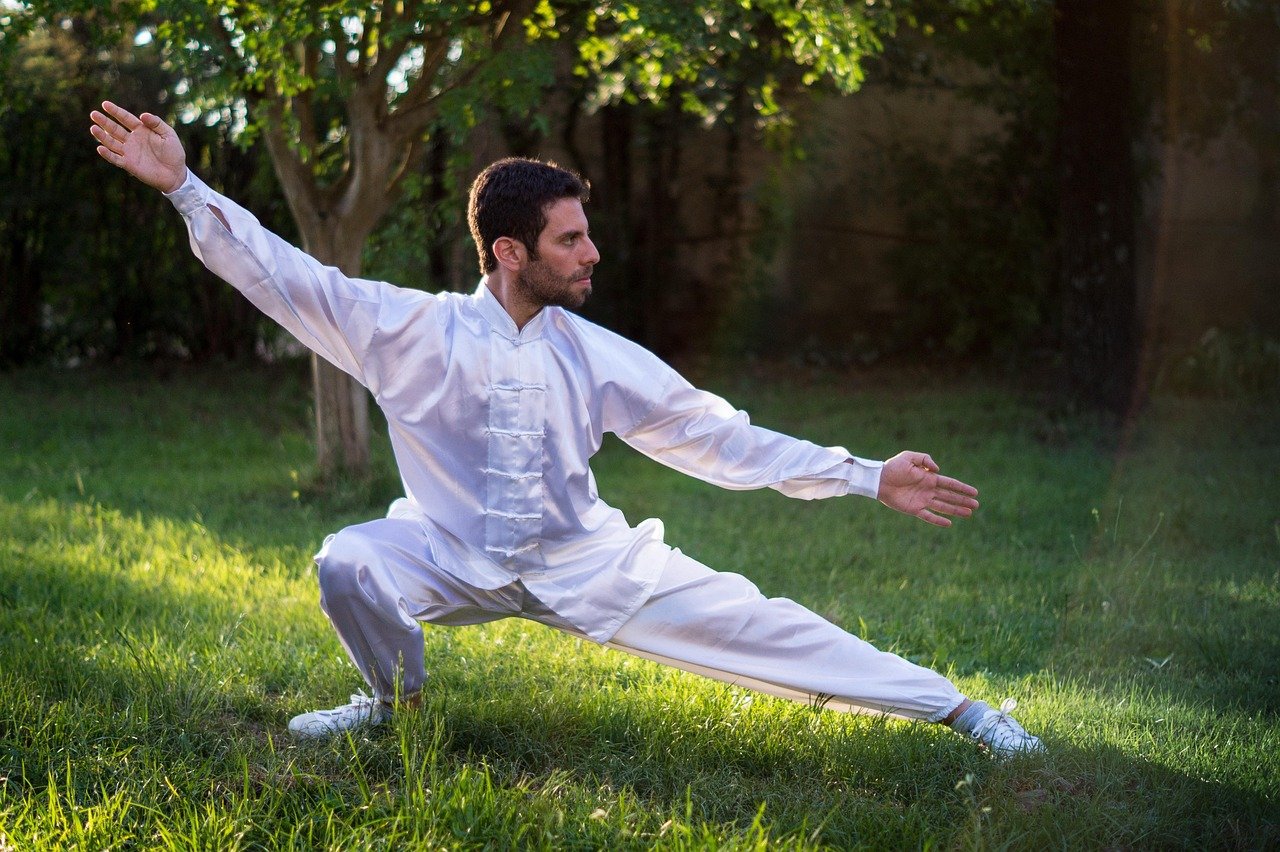
Author: Calm Harbour

  • Tai Chi and Qigong for Mental Wellness and Calm

    Tai Chi and Qigong for Mental Wellness and Calm

    Ancient Movement, Modern Calm: Why Tai Chi and Qigong Are Transforming Mental Wellness

    In a world that rarely slows down, millions of people are turning to tai chi and qigong for mental wellness — and the science behind why these ancient practices work so powerfully is more compelling than ever. Whether you’re managing anxiety, recovering from burnout, or simply looking for a sustainable way to feel more grounded, these gentle moving meditations offer something rare: genuine, lasting calm that builds with every session.

    Rooted in Traditional Chinese Medicine and Taoist philosophy, tai chi and qigong have been practiced for centuries — but it’s only in recent decades that Western research has begun to confirm what practitioners have always known. These aren’t just stretching routines or relaxation techniques. They are whole-system practices that simultaneously calm the nervous system, sharpen the mind, and lift the spirit. In 2026, with mental health challenges affecting an estimated one in four adults across the USA, UK, Canada, Australia, and New Zealand, that kind of triple-action benefit is genuinely remarkable.

    This guide will walk you through everything you need to know — from the science to the practice, from beginner-friendly tips to the nuanced differences between tai chi and qigong. By the end, you’ll have a clear, actionable picture of how to bring these practices into your life.

    This article is for informational purposes only and is not a substitute for professional medical advice. If you are experiencing serious mental health concerns, please reach out to a qualified healthcare provider.

    Understanding the Difference Between Tai Chi and Qigong

    Many people use the terms interchangeably, and while tai chi and qigong are deeply related, they are distinct practices worth understanding separately — especially if you’re choosing one as a starting point for mental wellness.

    What Is Qigong?

    Qigong (pronounced “chee-gong”) is the older and broader of the two practices. The word literally means “life energy cultivation” — qi meaning life force or vital energy, and gong meaning skill or practice. Qigong encompasses thousands of exercises involving coordinated breathwork, gentle movement, and focused intention. Some forms are entirely stationary, making it accessible even for people with limited mobility. The primary goal is to harmonise the flow of qi throughout the body, releasing energetic blockages that practitioners believe contribute to physical and emotional dis-ease.

    From a Western physiological perspective, qigong works by activating the parasympathetic nervous system — the “rest and digest” counterpart to the stress-driven “fight or flight” response. When you combine slow, rhythmic movement with conscious breathing, you essentially send a direct signal to your brain that it is safe to relax. Over time, this rewires habitual stress responses.

    What Is Tai Chi?

    Tai chi (also written as taijiquan) evolved from qigong principles and was originally developed as a martial art. Today, its health and wellness applications are far more widely practiced than its combat forms. Tai chi involves a specific sequence of flowing movements — called a “form” — performed in a slow, continuous manner. The most common styles taught for wellness purposes are Yang, Wu, and Sun styles, each with slightly different emphases but the same fundamental spirit of fluid, mindful movement.

    Think of qigong as the parent practice — expansive, flexible, and endlessly varied — and tai chi as one particularly refined and structured expression of its principles. Both use breath, body awareness, and intentional movement to cultivate mental and physical wellbeing. For mental wellness specifically, both are highly effective, and many people eventually practice elements of both.

    The Science: What Research Tells Us About These Practices and the Mind

    The evidence base for tai chi and qigong as mental wellness tools has grown substantially, and the findings are worth examining closely. This is no longer the territory of anecdotal reports alone — we now have rigorous clinical research to draw from.

    Anxiety and Stress Reduction

    A landmark meta-analysis published in the journal JAMA Internal Medicine found that mind-body exercises including tai chi produced significant reductions in anxiety symptoms across multiple populations, with effect sizes comparable to conventional exercise interventions. More recent research from 2024 and 2025 has reinforced this, with studies showing that as few as eight weeks of regular tai chi practice measurably reduces cortisol levels — the primary stress hormone — in adults with generalised anxiety disorder.

    The mechanism is well understood: slow, diaphragmatic breathing activates the vagus nerve, which runs from the brainstem through the chest and abdomen and plays a central role in regulating emotional states. When you breathe slowly and deeply during qigong or tai chi, you’re directly stimulating this nerve, which increases heart rate variability (HRV) — a key physiological marker of resilience and emotional regulation. Higher HRV is consistently associated with better mental health outcomes.

    Depression and Mood

    A comprehensive review published in 2023 analysed 29 randomised controlled trials involving over 2,500 participants and found that tai chi significantly reduced depressive symptoms across older adults, cancer patients, and people with chronic illness. The reductions were clinically meaningful — not just statistically significant. Importantly, the benefits appeared to come from multiple pathways simultaneously: the physical movement itself, the social context of group practice, the meditative focus, and the sense of mastery that grows as you learn the forms.

    Neurologically, research suggests that mind-body practices like these increase brain-derived neurotrophic factor (BDNF) — sometimes called “fertiliser for the brain” — which supports the growth of new neural connections and is associated with improved mood and cognitive function. This may partly explain why practitioners often report that regular practice not only reduces low mood but builds a positive emotional baseline over time.

    Sleep, Cognitive Health, and Resilience

    A 2025 study from researchers in Australia found that older adults who practiced qigong three times per week for 12 weeks reported a 34% improvement in sleep quality scores compared to a control group. Given the bidirectional relationship between sleep and mental health — poor sleep worsens mental wellbeing, and poor mental wellbeing disrupts sleep — this finding has significant practical implications.

    Emerging research also points to cognitive benefits. Regular tai chi practice appears to slow age-related cognitive decline, with some studies showing improvements in working memory, attention, and processing speed. For anyone navigating the mental fog that often accompanies anxiety, depression, or chronic stress, this cognitive dimension of the practice adds another layer of meaningful benefit.

    How Tai Chi and Qigong Calm the Nervous System: A Closer Look

    Understanding why these practices work so well for mental calm can deepen your motivation to stick with them — especially in the early weeks when progress can feel gradual.

    The Breath-Mind Connection

    At the heart of both tai chi and qigong is the breath. Unlike many exercise forms where breathing is incidental, in these practices, breath is the architecture. Movements are designed to follow the breath, not the other way around. This breath-led quality is what distinguishes these practices from aerobics or yoga flows that focus primarily on physical alignment.

    When you allow your exhale to lengthen — as both practices encourage — you activate the body’s natural relaxation response. The ratio of exhale to inhale matters enormously: a four-count inhale followed by a six or eight-count exhale consistently shifts the nervous system toward parasympathetic dominance. Over weeks of practice, this becomes a conditioned response — your body learns to associate certain movements with calm, making it progressively easier to access that state throughout your day.

    Mindful Attention and the Thinking Mind

    One of the quiet gifts of tai chi and qigong is that they are genuinely absorbing. To execute a tai chi form even at beginner level requires enough concentration that the ruminating, worrying mind simply cannot hold the floor. You have to be present — tracking the position of your hands, coordinating with your breath, feeling the subtle shift of your weight from foot to foot. This isn’t forced mindfulness; it’s built into the practice architecture.

    This quality makes tai chi and qigong particularly valuable for people who find seated meditation difficult. If you’ve ever tried to sit quietly and meditate only to find your mind racing more than usual, moving meditation may suit your nervous system far better. The body becomes an anchor for attention in a way that sitting still simply doesn’t provide for everyone.

    The Role of Community and Ritual

    Group practice adds a dimension that solo exercise often lacks. Practicing alongside others creates a felt sense of shared rhythm and collective calm that many participants describe as deeply nourishing. The ritualistic quality of practicing the same form repeatedly — arriving at the same movement sequences, breathing in the same patterns — also creates a container of predictability that is genuinely soothing for an anxious nervous system. Ritual and routine signal safety to the brain, and these practices offer both in abundance.

    Getting Started: Practical Guidance for Beginners

    The accessibility of tai chi and qigong is one of their most significant advantages. You don’t need equipment, special clothing, a high level of fitness, or even much space. Here’s how to begin well.

    Choosing Between Tai Chi and Qigong First

    If you’re a complete beginner, qigong is often the gentler entry point. Many qigong exercises can be learned in a single session and practiced immediately without needing to remember complex sequences. Simple standing exercises like the “Eight Pieces of Brocade” (Ba Duan Jin) — one of the oldest and most widely practiced qigong forms — can be learned incrementally and offer substantial mental wellness benefits from the very first practice.

    Tai chi has a steeper initial learning curve because the forms involve longer sequences of connected movements. However, many community classes teach simplified short forms — the Yang 24-form is a popular starting point — and the investment in learning pays off richly over time.

    Finding Quality Instruction

    • Community centres and leisure facilities across the UK, USA, Canada, Australia, and New Zealand increasingly offer weekly tai chi and qigong classes, often at low cost or subsidised for older adults.
    • Online platforms such as Insight Timer, YouTube channels dedicated to qigong instruction, and specialised wellness apps offer high-quality guided sessions for home practice.
    • Qualified instructors with certification from recognised bodies — such as the Tai Chi Union for Great Britain, the American Tai Chi and Qigong Association, or Qigong Australia — provide the most reliable in-person guidance.
    • Hospital and clinical programs: Many NHS trusts in the UK, and health networks in Australia and Canada, now offer tai chi as part of mental health and rehabilitation programs. Ask your GP or mental health provider about referral options.

    A Simple Daily Practice to Begin This Week

    1. Find a quiet space — indoors or outdoors — where you can stand with arms extended without obstruction.
    2. Begin with three minutes of standing breath awareness: feet shoulder-width apart, knees soft, hands resting at your sides. Breathe in for four counts, out for six.
    3. Practice one simple qigong movement: “Lifting the Sky” involves raising your arms slowly in front of you as you inhale, reaching overhead, then lowering them as you exhale. Repeat eight times.
    4. Close with stillness: stand quietly for one minute, noticing the quality of your breath and the feeling in your hands and feet.

    Even ten minutes of this kind of practice three to five times per week produces measurable benefits within four to eight weeks. Consistency matters far more than duration — a daily ten-minute practice outperforms an occasional hour-long session.

    Integrating Tai Chi and Qigong Into a Broader Mental Wellness Routine

    These practices shine brightest not as isolated interventions but as part of a holistic approach to mental wellbeing. Here’s how to weave them into a wider wellness framework.

    Pairing With Other Wellness Practices

    Tai chi and qigong complement conventional mental health care, including therapy and medication. They are not replacements for professional treatment when that is needed, but powerful adjuncts. Many therapists and psychiatrists now actively encourage clients to engage with mind-body practices as part of their care plan, and the evidence supports this integrated approach.

    These practices also pair naturally with other wellness habits. Morning qigong followed by journaling can create a powerful ritual for setting a calm, intentional tone for the day. Practicing in nature — a park, a garden, a beach — amplifies the mood-regulating benefits through the additional input of natural light, fresh air, and the restorative effects of green or blue environments.

    Managing Expectations and Staying Motivated

    The most common reason people abandon tai chi or qigong is expecting too much too soon. The benefits are real but they accumulate gradually — like compound interest for your nervous system. Early on, you may notice small things: sleeping slightly more soundly, feeling a touch more patient in difficult moments, recovering from stress a little more quickly. These subtle shifts are significant. They are the early indicators that your nervous system is changing at a deep level.

    Keeping a simple wellbeing journal can help you track these gradual improvements. Rate your mood, stress level, and sleep quality each morning on a scale of one to ten. After eight weeks of consistent practice, most people are genuinely surprised by how much has shifted when they look back at their entries.

    Frequently Asked Questions

    How quickly will I notice mental health benefits from tai chi or qigong?

    Many people notice a sense of calm and reduced tension after their very first session, simply from the slow breathing and gentle movement. More sustained mental health benefits — reduced anxiety, improved mood, better sleep — typically become consistent after four to eight weeks of regular practice (three to five sessions per week). Research suggests that twelve weeks is a meaningful milestone, at which point neurological and hormonal changes are measurable. That said, every person’s experience is individual, and some notice significant shifts more quickly.

    Can I practice tai chi or qigong if I have physical limitations or health conditions?

    Yes — this is one of the great strengths of both practices. Qigong in particular includes many exercises that can be performed while seated, making it accessible for people with mobility limitations, chronic pain, or post-surgical recovery. Tai chi can also be adapted for chair-based practice. Always inform your instructor of any physical limitations before class, and consult your GP or specialist if you have a significant health condition before beginning. Many clinical programs specifically use these practices in rehabilitation contexts, including cardiac recovery and chronic pain management.

    Is there a difference between practicing alone at home versus in a group class?

    Both have real value, but they offer somewhat different benefits. Group classes provide social connection, immediate instructor feedback, the motivational pull of shared commitment, and the collective calm that comes from practicing in rhythm with others — all of which are particularly beneficial for mental wellness. Home practice offers flexibility, privacy, and the ability to build daily consistency without travel or scheduling barriers. Ideally, combining both — attending a class weekly and practicing at home on other days — gives you the best of both worlds.

    Are tai chi and qigong suitable for children and young people with anxiety?

    Absolutely. Research into mind-body practices for younger populations is growing, and results are encouraging. School-based qigong programs have shown reductions in anxiety and improvements in attention and emotional regulation in children aged five and older. Adolescents dealing with exam stress, social anxiety, or mood challenges can benefit significantly. Age-appropriate instruction — often more playful and less formally structured than adult classes — makes these practices engaging for young people. Some child and adolescent mental health services now incorporate movement-based mindfulness including qigong as part of their therapeutic toolkit.

    How does tai chi compare to yoga for mental health benefits?

    Both are excellent mind-body practices with strong evidence bases for mental wellness, and the comparison is less about which is better and more about which suits you. Yoga tends to involve more static postures and is often more physically demanding, making it a good fit for people who enjoy stretching and strength work alongside their mindfulness practice. Tai chi and qigong are continuously moving, require less flexibility, and place a stronger emphasis on energy flow and breath coordination. For people with anxiety or trauma histories who find stillness difficult, tai chi’s flowing movement can feel more containable. For people with joint issues or those seeking a very low-impact practice, qigong’s gentle approach often wins. Many people eventually practice both.

    Do I need any equipment or special clothing to start?

    No special equipment is required. Flat, comfortable shoes with thin soles — or bare feet on a clean surface — are ideal, as you want to feel grounded and have good proprioceptive feedback through your feet. Loose, comfortable clothing that allows free movement is all you need. Some practitioners eventually invest in traditional tai chi shoes or wear dedicated practice clothes, but these are entirely optional and never necessary, especially when starting out. The barrier to entry is genuinely low, which makes these practices accessible to almost everyone.

    Can tai chi and qigong help with burnout and chronic stress?

    They are among the most well-suited practices for both conditions. Burnout involves a depletion of physical, emotional, and cognitive resources — and the gentle, restorative nature of these practices actively replenishes rather than demands. Unlike vigorous exercise, which requires energy output that can feel impossible during burnout, qigong and tai chi work with the body’s existing state, meeting you where you are. The emphasis on slow breathing, the cultivation of internal stillness, and the meditative focus all directly address the nervous system dysregulation that underlies chronic stress and burnout. Multiple studies have used these practices specifically in burnout recovery programs for healthcare workers, teachers, and caregivers, with consistently positive results.

    Your Calm Is Closer Than You Think

    There is something quietly radical about choosing slow movement in a fast world. Every time you step onto your practice space — whether that’s a studio floor, a patch of garden, or a cleared corner of your living room — you are making a deliberate, courageous choice to prioritise your inner life. Tai chi and qigong for mental wellness aren’t about achieving perfection in your form or reaching some advanced stage of practice. They are about showing up, breathing slowly, and allowing your body and mind the space to find their natural balance.

    The ancient teachers who developed these practices understood something that neuroscience is now confirming in remarkable detail: the body is not separate from the mind, and movement is not separate from meditation. When you move with intention, breathe with awareness, and return — again and again — to the present moment, you are doing something genuinely transformative. You are building a nervous system that is more resilient, a mind that is more spacious, and a relationship with yourself that is kinder and more trusting.

    Start small. Start this week. Even ten minutes of gentle, mindful movement can shift the quality of your day. And over weeks and months, those ten minutes compound into something extraordinary — a calmer baseline, a greater capacity for joy, and a reliable refuge you can access anywhere, anytime, simply by breathing and beginning to move. The calm harbour you’re looking for is already within you. These practices simply help you find your way there.


  • The Connection Between Sedentary Lifestyle and Poor Mental Health

    The Connection Between Sedentary Lifestyle and Poor Mental Health

    When Stillness Becomes a Struggle: How Sitting Too Much Affects Your Mind

    Sitting too much doesn’t just stiffen your body — emerging research shows a sedentary lifestyle is one of the most underestimated drivers of anxiety, depression, and cognitive decline in modern life. If you’ve noticed your mood dipping after days spent mostly at a desk, on a couch, or scrolling through a screen, you’re not imagining it. The connection between sedentary lifestyle and poor mental health is now backed by a growing body of compelling science — and understanding it could genuinely change how you feel day to day.

    Across the USA, UK, Canada, Australia, and New Zealand, physical inactivity has reached what the World Health Organization describes as a global pandemic. A 2026 report from the Global Wellness Institute estimates that over 60% of adults in high-income countries now spend more than eight hours a day seated — and many don’t even realize the psychological toll this is taking. The good news? Small, consistent movement changes can shift your mental state in ways that rival medication for mild-to-moderate mood disorders. Let’s explore why, and what you can do about it.

    The Brain-Body Pipeline: Why Your Body’s Stillness Echoes in Your Mind

    Your brain and body are in constant conversation. When you move, your muscles release signaling molecules called myokines, your heart pumps oxygen-rich blood to your prefrontal cortex, and your body floods with mood-regulating neurotransmitters. When you stop moving for extended periods, that conversation goes quiet — and your brain starts to suffer in measurable ways.

    What Happens Neurologically When You Sit Too Long

    Prolonged sitting reduces cerebral blood flow to key regions associated with emotional regulation and executive function. A landmark 2024 study published in the British Journal of Sports Medicine found that adults who sat for more than 10 hours daily showed significantly reduced activity in the hippocampus — the brain region most associated with memory, learning, and emotional processing. Crucially, this thinning of hippocampal tissue is also observed in patients with clinical depression, suggesting a shared pathway between physical inactivity and mood disorders.

    Beyond blood flow, sedentary behavior disrupts the production of brain-derived neurotrophic factor (BDNF) — sometimes called “fertilizer for the brain.” BDNF supports the growth and maintenance of neurons, helps regulate serotonin and dopamine pathways, and plays a vital role in stress resilience. Without regular movement to stimulate its release, BDNF levels fall, leaving your emotional architecture more vulnerable to collapse under pressure.

    The Cortisol Connection

    Physical movement is one of the body’s most effective mechanisms for metabolizing cortisol, the primary stress hormone. When you sit still for hours on end, cortisol has nowhere to go. It accumulates, keeping your nervous system in a low-grade state of alert that can feel like generalized anxiety, irritability, or a persistent sense of unease — even when nothing is obviously wrong. Over time, chronically elevated cortisol reshapes the brain in ways that increase vulnerability to both anxiety disorders and depression.

    The Numbers Don’t Lie: Sedentary Lifestyle and Mental Health Statistics

    The data on the connection between sedentary lifestyle and poor mental health is no longer preliminary — it’s definitive. Study after study, from multiple continents, is drawing the same conclusions.

    • A 2025 meta-analysis in The Lancet Psychiatry reviewed data from over 1.2 million adults and found that physically inactive individuals were 44% more likely to experience a major depressive episode than their active counterparts, even after controlling for socioeconomic factors, diet, and sleep.
    • Research from the University of Queensland (2025) found that replacing just 30 minutes of sitting with light walking per day reduced symptoms of anxiety by 22% in office workers over a 12-week period — without any other lifestyle changes.
    • A 2026 Canadian Mental Health Association report identified sedentary screen time exceeding six hours daily as one of the top three modifiable risk factors for depression in adults aged 18 to 45, alongside poor sleep and social isolation.

    These statistics matter not to alarm you, but to validate what your body may already be telling you. The sluggishness, the low-level sadness, the anxiety that seems to have no clear source — these experiences are not character flaws. They are, in part, physiological responses to insufficient movement. And that means they are, in significant part, reversible.

    Who Is Most Vulnerable — and Why Modern Life Makes It Harder

    While anyone can feel the mental weight of too much sitting, certain groups carry a disproportionate burden. Understanding who is most at risk helps us move beyond generic advice toward genuinely useful support.

    Remote and Hybrid Workers

    The shift to remote and hybrid working models — accelerated dramatically after 2020 and now deeply embedded across English-speaking countries — has created a perfect storm for sedentary behavior. Without a commute, without walking between meeting rooms, without the social friction of an office that prompts spontaneous movement, many remote workers clock up ten to twelve hours of near-continuous sitting. A 2025 survey by the UK’s Mental Health Foundation found that 58% of fully remote workers reported a deterioration in mental wellbeing since transitioning away from the office, with reduced physical activity cited as a primary contributing factor.

    Older Adults

    For adults over 60, the stakes of sedentary behavior are even higher. Reduced mobility, retirement, and social contraction often compound one another, creating long stretches of physical inactivity that accelerate cognitive decline and increase the risk of late-onset depression. The connection between sedentary lifestyle and poor mental health is particularly pronounced in this group, where isolation and stillness frequently reinforce each other in a downward spiral.

    Adolescents and Young Adults

    Screen-based sedentary behavior among under-25s has reached historically unprecedented levels by 2026. Passive screen time — scrolling, streaming, gaming without social interaction — has been linked in multiple studies to increased rates of social anxiety, loneliness, and depressive symptoms in this age group. Critically, it’s not just the sitting that’s harmful; it’s the displacement of active, embodied experiences that movement provides.

    People With Existing Mental Health Conditions

    For those already managing anxiety, depression, PTSD, or other mental health conditions, sedentary behavior can become part of a self-reinforcing cycle. Low mood reduces motivation to move; reduced movement deepens low mood. Recognizing this cycle — and finding compassionate, low-barrier ways to interrupt it — is one of the most important things a support network (or a therapist) can help with.

    Breaking the Cycle: Practical, Evidence-Based Ways to Move More for Better Mental Health

    The most important thing to know here is that you don’t need to run marathons. The research is unequivocal: even modest increases in movement produce meaningful improvements in mental wellbeing. The goal isn’t transformation — it’s interruption. Interrupting the stillness, just enough, just often enough.

    The Two-Minute Rule

    Set a gentle timer to stand and move for two minutes every 45 to 60 minutes during sedentary periods. This isn’t about exercise — it’s about breaking the physiological stagnation that accumulates during long sits. Stretching, walking to make a cup of tea, stepping outside for fresh air — these micro-movements significantly reduce cortisol accumulation and help maintain cerebral blood flow throughout the day. Research from Stanford University suggests that even brief walking bouts measurably boost creative thinking and improve emotional regulation in the hours that follow.

    Walking as Therapy

    If there is one movement practice the evidence most consistently champions for mental health, it is walking. A 30-minute walk at a comfortable pace — not even brisk — triggers the release of endorphins, BDNF, and serotonin precursors. Walking in natural environments (green spaces, parks, coastlines) amplifies these benefits significantly, a phenomenon researchers call the “nature effect.” For people navigating depression or anxiety, committing to a daily walk — even a short one — is often the single highest-return mental wellness habit they can adopt.

    Movement Snacking Throughout the Day

    The concept of “movement snacking” — brief, frequent bouts of physical activity distributed throughout the day — has gained significant traction in behavioral health research as a practical alternative to formal exercise routines. This might look like: walking phone calls, standing desks used intermittently, doing ten squats before making coffee, or stretching while watching television. The cumulative effect of these small habits on mood, energy, and cognitive clarity is well-documented and far easier to sustain than trying to carve out a dedicated hour-long workout in an already full day.

    Social Movement: Combining Connection and Activity

    One of the most powerful antidotes to both sedentary lifestyle and poor mental health is social physical activity. A walking group, a recreational sports team, a yoga class, a dance session — these combine the mood benefits of movement with the equally powerful protective effects of social connection. In Australia and New Zealand, community-based walking programs coordinated through local health authorities have shown remarkable results in reducing depression scores in participants over 8 to 12 weeks, often outperforming standard social prescribing alone.

    Mindful Movement Practices

    Yoga, Tai Chi, and Qigong sit at a powerful intersection: they are gentle enough for most bodies and fitness levels, they incorporate breathwork and mindfulness, and they involve sustained, intentional movement. For people whose mental health challenges include trauma or high anxiety, these practices can be especially beneficial because they foster a sense of safety and control within the body — something that chronic stress and sedentary disconnection can erode over time.

    Creating an Environment That Makes Movement the Default

    Willpower is a finite resource, and relying on it alone to overcome a sedentary lifestyle is a strategy that rarely works long-term. The most sustainable approach involves redesigning your environment so that movement becomes the path of least resistance rather than an act of discipline.

    Consider placing your gym shoes by the door, not in a cupboard. Set your laptop on a raised surface for part of the day. Walk to a colleague’s desk instead of sending an email. Choose a coffee shop that requires a fifteen-minute walk. Take calls while moving. Park further away. These are not hacks — they are architectural choices that quietly reshape your daily movement patterns without requiring a single gram of extra motivation. Over weeks and months, the mental health dividends of these compounding choices become unmistakable.

    It’s also worth addressing the psychological barriers honestly. If depression or anxiety is already present, motivation to move will feel impossible on some days. On those days, the bar should be as low as it needs to be: walking to the letterbox counts. Standing in sunlight for five minutes counts. Stretching on the floor counts. Progress in mental wellness is rarely linear, and every interruption of stillness — however small — is a legitimate act of self-care.

    The connection between sedentary lifestyle and poor mental health is not a reason for shame or self-criticism. Modern life has engineered movement out of our days in ways our nervous systems haven’t evolved to handle. Recognizing this is the first step toward thoughtfully, compassionately engineering it back in.

    Frequently Asked Questions

    How many hours of sitting per day is considered harmful to mental health?

    Most current research points to more than 8 hours of total daily sitting as the threshold where mental health risks begin to increase meaningfully. However, it’s important to note that the pattern of sitting matters as much as the total. Long, unbroken periods of sitting (such as three or four hours without any movement) appear more harmful than the same total hours broken up with regular movement breaks. Even brief interruptions every 45 to 60 minutes can significantly offset the negative effects.

    Can exercise fully reverse the mental health effects of a sedentary lifestyle?

    Regular exercise goes a long way in counteracting the mental health impacts of too much sitting, but research suggests it doesn’t completely negate them. A person who exercises for 45 minutes in the morning but then sits for 10 unbroken hours at a desk still carries elevated mental health risks compared to someone who moves more consistently throughout the day. The most protective approach combines structured exercise with regular movement throughout the day — treating them as complementary rather than interchangeable.

    Is there a difference between sedentary screen time and other types of sedentary behavior?

    Yes, and it’s an important distinction. Passive screen time — particularly social media scrolling and binge-watching — tends to have more pronounced negative effects on mental health than other sedentary activities like reading or gentle craft work. This is partly because passive screens promote social comparison, disrupt sleep through blue light exposure, and often replace meaningful social interaction. Reading a book for an hour involves similar physical stillness but typically produces far less psychological harm and may even support emotional regulation and stress relief.

    What is the minimum amount of movement needed to see mental health benefits?

    The evidence is genuinely encouraging here: even small amounts of movement produce measurable benefits. A 2024 analysis in JAMA Psychiatry found that as little as 75 minutes of moderate-intensity movement per week — that’s roughly 10 minutes per day — was associated with a significant reduction in depression risk. The relationship between movement and mental health improvement is steep at low levels of activity, meaning the people who move the least gain the most from even modest increases. You don’t need to do a lot to feel better — you just need to do more than nothing.

    How does sedentary behavior affect sleep, and how does that link to mental health?

    Sedentary behavior and poor sleep form a particularly damaging partnership. Physical inactivity reduces sleep quality and duration by failing to build the adenosine-driven sleep pressure that movement accumulates throughout the day. Poor sleep, in turn, dramatically increases emotional reactivity, impairs the prefrontal cortex’s ability to regulate mood, and elevates next-day cortisol levels — which further discourages movement. This creates a cycle where inactivity degrades sleep, poor sleep worsens mental health, and worsening mental health reduces the motivation to move. Breaking into this cycle — ideally through gentle morning movement and natural light exposure — is one of the highest-leverage interventions available.

    Are standing desks enough to reduce the mental health impact of sedentary office work?

    Standing desks are a useful tool, but they’re not a complete solution. Standing in place for extended periods has its own physiological drawbacks and doesn’t provide the circulation, neurotransmitter, and BDNF benefits that actual movement generates. The research suggests that alternating between sitting, standing, and moving — rather than simply replacing one static posture with another — produces the most positive outcomes for both physical and mental health. If you have a standing desk, use it as part of a movement rotation, not as a substitute for getting up and walking regularly.

    Can children and teenagers be affected by sedentary lifestyle-related mental health issues?

    Absolutely, and the evidence in this area is growing rapidly. Children and teenagers who spend significant portions of their day in sedentary screen-based activity show higher rates of anxiety, depression, attention difficulties, and social withdrawal than their more active peers. The developing brain is particularly sensitive to the BDNF and dopamine-regulating effects of movement, meaning that physical activity during childhood and adolescence builds neurological resilience that pays dividends into adulthood. Encouraging young people to engage in unstructured outdoor play, sports, or any form of enjoyable physical activity is one of the most meaningful investments in their long-term mental wellbeing.


    If there’s one thing we hope you take from this, it’s that your mental health and your movement are not separate conversations. Your body is the ground your mind lives in — and when that ground goes still for too long, the mind begins to reflect that stillness in ways that can feel overwhelming, confusing, and isolating. You deserve better than that. And the beautiful, genuinely hopeful truth is that change doesn’t require perfection or enormous effort. It requires small, consistent acts of kindness toward your own body: a walk around the block, a stretch between meetings, five minutes of morning sunlight. Start where you are. Start small. Start today. We’re cheering for you, every step of the way.

    This article is for informational purposes only and is not a substitute for professional medical advice. If you are experiencing significant mental health challenges, please reach out to a qualified healthcare provider or mental health professional in your area.

  • How to Exercise With a Mental Health Condition Safely

    How to Exercise With a Mental Health Condition Safely

    Exercise can be one of the most powerful tools in your mental health toolkit — but knowing how to start, pace yourself, and stay safe makes all the difference.

    If you’re living with depression, anxiety, bipolar disorder, PTSD, or any other mental health condition, the idea of exercising might feel overwhelming, impossible, or even counterproductive on certain days. You’re not alone in that feeling. The good news is that with the right approach, physical movement can genuinely support your recovery and wellbeing — without pushing you over the edge.

    This guide is designed to help you exercise with a mental health condition safely, thoughtfully, and on your own terms. We’ll walk through the science, the practical strategies, and the honest realities of moving your body when your mind is struggling.

    This article is for informational purposes only and is not a substitute for professional medical advice. Always consult your GP, psychiatrist, or mental health provider before starting a new exercise programme.

    Why Movement Matters More Than You Think

    The relationship between physical activity and mental health is one of the most well-researched areas in modern psychology. A landmark 2024 meta-analysis published in the British Journal of Sports Medicine — reviewed and updated in 2026 — analysed data from over 97 randomised controlled trials and found that exercise was 1.5 times more effective than medication or therapy alone for reducing symptoms of depression and anxiety in the short term. That’s not a small finding.

    When you exercise, your brain releases a cascade of neurochemicals — endorphins, serotonin, dopamine, and brain-derived neurotrophic factor (BDNF). BDNF in particular plays a critical role in neuroplasticity, essentially helping your brain grow new connections and repair pathways damaged by chronic stress or trauma.

    For people managing conditions like generalised anxiety disorder, major depressive disorder, or PTSD, these biological changes can meaningfully complement clinical treatment. A 2025 study from the Australian Institute of Health and Welfare found that adults who engaged in even 20 minutes of moderate movement three times per week reported a 34% improvement in mood stability over 12 weeks.

    But here’s the important caveat: exercise is not a replacement for therapy or medication. It’s a powerful supplement — one that works best when layered thoughtfully into a broader mental health care plan.

    Understanding Your Unique Starting Point

    One of the most common mistakes people make when trying to exercise with a mental health condition is comparing their journey to someone else’s. What works for a person managing mild seasonal depression looks very different from what’s appropriate for someone navigating a bipolar episode or recovering from a psychiatric hospitalisation.

    Talking to Your Mental Health Team First

    Before starting or changing an exercise routine, have an honest conversation with your GP, psychiatrist, therapist, or any other professional involved in your care. They can help you identify:

    • Whether any medications you’re taking affect heart rate, blood pressure, or heat tolerance (common with antipsychotics, lithium, and some antidepressants)
    • Whether there are specific types of exercise that might trigger symptoms — for instance, high-intensity interval training can sometimes heighten anxiety due to elevated heart rate mimicking panic sensations
    • What a realistic, safe starting point looks like given your current mental state
    • How to coordinate physical activity with your existing treatment plan

    In the UK, Canada, Australia, and New Zealand, many GPs can now refer patients to exercise physiologists through public health pathways. In the US, some insurance plans cover fitness consultations as part of mental health treatment. It’s always worth asking what support is available to you.

    Recognising Your Mental Health Fluctuations

    Mental health conditions are rarely linear. You’ll have better days and harder days. A sustainable exercise plan acknowledges this reality instead of demanding consistency that isn’t always possible. Think of your capacity as existing on a spectrum, and allow your exercise choices to flex accordingly.

    On high-capacity days, you might manage a 30-minute walk or a gentle yoga class. On low-capacity days, five minutes of stretching on your bedroom floor still counts. The goal is not performance — it’s presence and self-care.

    Safe Exercise Guidelines for Specific Mental Health Conditions

    Different conditions come with different considerations. Here’s a practical breakdown to help you exercise with a mental health condition in a way that’s tailored and informed.

    Depression

    Depression often creates a cruel paradox: the thing that would help you most (movement) is the thing you feel least able to do. Motivation is biologically impaired when you’re depressed, not just a matter of willpower.

    • Start absurdly small. Two minutes of walking counts. Five minutes of dancing in your kitchen counts. Research from Stanford University (2025) confirms that even micro-bouts of movement under 10 minutes can shift mood temporarily.
    • Focus on consistency over intensity. Showing up regularly — even in tiny ways — builds neural pathways associated with routine and reward.
    • Choose social or outdoor settings where possible. Green exercise (movement in nature) and group exercise both show amplified antidepressant effects compared to solo indoor workouts.
    • Be kind when you miss days. Missing exercise when you’re depressed is not a moral failing. Return without judgement.

    Anxiety Disorders

    Exercise is enormously beneficial for anxiety — but certain types can paradoxically worsen symptoms in the short term. High-intensity exercise raises your heart rate and produces physical sensations (shortness of breath, sweating, racing pulse) that overlap with panic symptoms, which can be distressing if you’re prone to panic attacks.

    • Start with gentler movement: walking, swimming, yoga, tai chi, or cycling at a comfortable pace.
    • Pair movement with breathing. Diaphragmatic breathing during exercise helps regulate your nervous system and reduces the likelihood of a panic response.
    • Use exercise as gradual exposure. Over time, as you become comfortable with elevated heart rate in a controlled setting, many people find their sensitivity to anxiety sensations decreases.
    • Avoid overscheduling. For those with anxiety, rigidly scheduled workouts can become another source of worry. Build in flexibility.

    Bipolar Disorder

    Exercise can be a stabilising force in bipolar disorder, but it requires careful calibration — particularly during hypomanic or manic phases, when the urge to overdo it can be intense and lead to physical injury or mood destabilisation.

    • During stable phases: Regular moderate aerobic exercise (walking, cycling, swimming) has shown mood-stabilising effects. Aim for 30 minutes, five days a week if possible.
    • During hypomanic phases: Reduce intensity and duration. Avoid high-stimulation environments like loud gyms. Prioritise grounding, low-stimulation exercise like yoga or walking.
    • During depressive phases: Apply the depression guidelines above. Be especially gentle.
    • Keep a mood-exercise journal. Tracking how exercise affects your mood across episodes helps you and your care team identify patterns and adjust accordingly.

    PTSD and Trauma

    Exercise can be profoundly healing for trauma survivors — movement helps discharge stored stress responses in the nervous system. However, certain types of physical activity can trigger trauma responses, particularly those involving touch, enclosed spaces, competitive pressure, or loss of control.

    • Choose trauma-informed movement: Trauma-sensitive yoga, walking, swimming, and gentle martial arts like tai chi have strong evidence bases for PTSD.
    • Prioritise autonomy and choice. Exercise environments where you feel safe, in control, and respected are non-negotiable.
    • Work with a trauma-informed exercise professional if possible, particularly if you’re in early recovery.
    • Ground yourself before and after. Brief grounding exercises (like the 5-4-3-2-1 sensory technique) before and after physical activity can help your nervous system stay regulated.

    Practical Strategies to Make Exercise Sustainable

    Knowing the theory is one thing. Making it happen on a Tuesday afternoon when you haven’t slept well and your mood is low is another. These practical strategies are designed to bridge that gap.

    Build Your Exercise Environment for Success

    Your environment shapes your behaviour more powerfully than motivation does. Remove friction wherever possible:

    • Keep your trainers by the front door so they’re visible and accessible
    • Prepare a playlist that energises or soothes you, depending on what you need
    • Choose a gym, park, or home workout space that feels emotionally safe
    • If group classes help you show up, pre-book them so cancellation requires an active decision

    Create an If-Then Plan

    Research on implementation intentions — “if-then” planning — shows it significantly increases follow-through on health behaviours. Instead of telling yourself “I’ll exercise more,” say: “If it’s 9am on Monday, Wednesday, and Friday, then I will put on my shoes and walk for 10 minutes.” Specificity is everything.

    Work With Your Energy, Not Against It

    Pay attention to when during the day your mental energy is highest. For many people on psychiatric medications, mornings can be foggy, and late afternoon is more manageable. Others find early movement helps clear morning anxiety. Experiment and build your routine around your real rhythms, not an idealised version of yourself.

    Separate Exercise From Weight or Appearance Goals

    When you’re managing a mental health condition, tying your exercise motivation to physical appearance can backfire — particularly for those with co-occurring body image issues, disordered eating, or low self-esteem. Reframe movement as a mental health tool: something you do to feel better, sleep better, think more clearly, and regulate your emotions. This framing is both more compassionate and more sustainable.

    Know When to Rest

    Rest is not failure. Your nervous system requires recovery, and pushing through exercise when you’re in a mental health crisis, severely sleep-deprived, or acutely unwell can worsen your state. Signs that rest is the right choice today include: feeling emotionally unsafe, active suicidal ideation, severe dissociation, a manic episode, or a psychiatric crisis. On those days, reach out for support instead.

    Finding the Right Type of Exercise for Your Mental Health

    Not all movement is created equal when it comes to mental health benefits. Here’s a quick guide to evidence-backed exercise types and their specific strengths:

    • Walking: Accessible, low-barrier, and consistently shown to reduce depression and anxiety. Even 10 minutes daily makes a measurable difference. Ideal for beginners and difficult days.
    • Yoga: Combines movement, breathwork, and mindfulness. Particularly effective for anxiety, PTSD, and stress-related conditions. Look for trauma-sensitive or beginner classes.
    • Swimming: The rhythmic, meditative quality of swimming is especially soothing for anxious or overwhelmed nervous systems. The sensory experience of water has calming properties.
    • Strength training: Emerging research from 2025 shows resistance training has significant antidepressant effects and can build a sense of agency and physical confidence — particularly beneficial for depression.
    • Dance: Combines physical movement with joy, creativity, and often social connection. Shown to improve mood and self-esteem with minimal pressure.
    • Cycling: Low-impact aerobic exercise that can be done solo or socially, outdoors or on a stationary bike. Excellent for maintaining routine.
    • Tai chi and qigong: Gentle, mindful movement practices with strong evidence for reducing anxiety and improving emotional regulation, particularly in older adults.

    The best exercise is the one you’ll actually do. If you hate running, you don’t have to run. Start with what feels approachable and enjoyable, and expand from there as your confidence grows.

    Frequently Asked Questions

    Can exercise replace medication or therapy for mental health conditions?

    No. Exercise is a powerful complement to treatment, not a replacement. Research consistently shows the greatest benefits come when physical activity is combined with professional care — therapy, medication, or both. If you’re currently on medication or in therapy, do not stop or reduce treatment based on exercise progress without consulting your doctor or mental health provider.

    How much exercise do I actually need to see mental health benefits?

    The good news is that the threshold is lower than most people think. Research supports significant mental health benefits from as little as 20–30 minutes of moderate movement, three times per week. Even shorter bouts — 10 minutes of brisk walking — have been shown to improve mood temporarily. Start where you are and build gradually.

    What if I feel worse after exercising?

    This can happen, and it’s important to take it seriously. Some people experience a post-exercise crash, heightened anxiety, or emotional release after physical activity. If this is consistent, discuss it with your mental health provider. It may indicate that the intensity is too high, that the exercise type isn’t right for your condition, or that underlying issues need to be addressed in therapy first.

    Is it safe to exercise during a depressive episode?

    Gentle movement is generally safe and often helpful during mild-to-moderate depressive episodes — even if it’s just a five-minute walk. During severe episodes, particularly those involving suicidal ideation or inability to function, prioritise safety and professional support first. Never pressure yourself to exercise during a mental health crisis.

    How do I exercise safely if my medication affects my heart rate?

    Several psychiatric medications — including beta-blockers, antipsychotics, and some mood stabilisers — can affect heart rate, blood pressure, and thermoregulation. This is why speaking to your prescribing doctor before starting exercise is so important. They may recommend monitoring your heart rate, avoiding extreme heat, staying well hydrated, or starting at a lower intensity than guidelines typically suggest.

    What should I do if I experience a panic attack during exercise?

    Stop the exercise and find a safe place to sit. Focus on slow, controlled breathing — inhale for four counts, hold for two, exhale for six. Remind yourself that panic attacks, while deeply uncomfortable, are not dangerous and will pass. Once you’ve recovered, reflect on what may have triggered the response — exercise intensity, environment, or time of day — and adjust your approach. Over time, working with a therapist on panic management can help you eventually tolerate and even benefit from elevated heart rate during exercise.

    Are there online or home-based exercise options that are better for mental health conditions?

    Absolutely. Home-based exercise removes many common barriers — commuting, social anxiety, gym environments — and can be just as effective. YouTube channels offering free yoga, pilates, and bodyweight workouts are widely available. Apps like Down Dog, Nike Training Club, and Calm’s movement programmes are popular across the US, UK, Canada, Australia, and New Zealand. For those with severe anxiety or agoraphobia, home exercise can be a vital first step toward building a sustainable routine.

    Living with a mental health condition doesn’t mean exercise is out of reach — it means it deserves a little more care, personalisation, and compassion than the standard fitness advice allows. You don’t need a perfect programme or peak motivation. You need an approach that meets you where you are, respects your limits, and celebrates every small step forward. Whether it’s a two-minute stretch or a 45-minute swim, movement in any form is an act of self-care and courage. Start gently, stay curious, and trust that your mind and body are working together — even on the hardest days. You deserve support, and you deserve to feel well.

  • Exercise and ADHD How Movement Helps Focus and Mood

    Exercise and ADHD How Movement Helps Focus and Mood

    Why Your Body Holds the Key to a Calmer, More Focused ADHD Brain

    Exercise and ADHD make one of the most powerful partnerships in mental wellness — and if you or someone you love is navigating attention challenges, understanding this connection could genuinely change daily life. Living with ADHD means your brain is constantly hungry for stimulation, struggling to regulate dopamine and norepinephrine — the very neurotransmitters that movement naturally boosts. The research is compelling, the results are real, and the best part? You don’t need a gym membership or an elite fitness routine to start feeling the difference.

    Whether you’re a parent watching your child wrestle with homework, an adult who has spent years wondering why sitting still feels impossible, or someone newly diagnosed and looking for evidence-based support strategies, this guide is for you. We’re going to break down exactly what happens in the ADHD brain during exercise, which types of movement deliver the biggest benefits, and how to build a routine that actually sticks — even when motivation feels like a moving target.

    This article is for informational purposes only and is not a substitute for professional medical advice. Always consult a qualified healthcare provider regarding ADHD diagnosis, treatment, and any new exercise program.

    What Happens Inside the ADHD Brain During Exercise

    To understand why movement helps so profoundly, it helps to look at what ADHD actually involves at a neurological level. ADHD — Attention Deficit Hyperactivity Disorder — is fundamentally a condition of dysregulation. The prefrontal cortex, the brain region responsible for planning, impulse control, and sustained attention, tends to be underactive in people with ADHD. Meanwhile, the brain’s reward system is less sensitive to dopamine, meaning everyday tasks don’t produce the motivational spark that neurotypical brains experience naturally.

    Exercise steps in as a direct intervention at this neurochemical level. When you move your body — especially aerobically — your brain releases dopamine, norepinephrine, and serotonin. These are the same neurotransmitters that ADHD medications like methylphenidate and amphetamines target. Dr. John Ratey, a Harvard psychiatrist and author of Spark: The Revolutionary New Science of Exercise and the Brain, famously described exercise as “like taking a little bit of Prozac and a little bit of Ritalin” — a vivid analogy that captures how profoundly physical activity affects brain chemistry.

    The Role of BDNF in Attention and Focus

    Beyond neurotransmitters, exercise also stimulates the production of Brain-Derived Neurotrophic Factor (BDNF) — sometimes called “Miracle-Gro for the brain.” BDNF supports the growth and maintenance of neurons, enhances synaptic plasticity, and strengthens the neural pathways responsible for learning and memory. For the ADHD brain, which often struggles with working memory and cognitive flexibility, higher BDNF levels translate directly into improved focus, better information retention, and reduced mental fatigue.

    A 2025 meta-analysis published in the Journal of Attention Disorders reviewed 32 randomised controlled trials and found that regular aerobic exercise produced a statistically significant improvement in executive function in both children and adults with ADHD — with effect sizes comparable to low-to-moderate doses of stimulant medication. These findings reinforce what many ADHD coaches and clinicians have observed for years: movement isn’t a nice-to-have, it’s a neurological necessity.

    The Immediate Effect vs. Long-Term Building

    One of the most encouraging aspects of exercise for ADHD is that the benefits operate on two timelines simultaneously. Immediately after exercise, attention, working memory, and impulse control all show measurable improvement — effects that can last two to four hours post-workout. This makes strategic exercise timing incredibly valuable: a morning run before school, a lunchtime walk before an afternoon meeting, or ten minutes of jumping jacks before a homework session can create a meaningful window of improved focus.

    Over the longer term, consistent exercise gradually reshapes brain structure. Research shows that people who exercise regularly develop greater grey matter volume in the prefrontal cortex and improved connectivity between brain regions involved in attention regulation. These structural changes accumulate over weeks and months, meaning the benefits compound the more consistently you show up.

    The Most Effective Types of Movement for ADHD

    Not all exercise is created equal when it comes to ADHD — though any movement is far better than none. Different types of physical activity offer distinct neurological benefits, and understanding these differences helps you build a toolkit that works for your specific challenges.

    Aerobic Exercise: The Gold Standard

    Cardiovascular exercise consistently shows the strongest evidence for improving ADHD symptoms. Activities that elevate your heart rate for a sustained period — running, cycling, swimming, dancing, brisk walking — produce the largest spikes in dopamine, norepinephrine, and BDNF. Aim for at least 20 to 30 minutes of moderate-to-vigorous aerobic activity most days for optimal neurological benefit.

    A 2024 study from the University of Illinois found that children with ADHD who completed 20 minutes of aerobic exercise before academic tasks showed a 22% improvement in sustained attention and made significantly fewer impulsivity-related errors compared to a resting control group. Even a single bout of moderate aerobic activity produced these effects — which is an incredibly empowering finding for families managing busy, unpredictable schedules.

    Martial Arts, Yoga, and Mind-Body Practices

    While aerobic exercise grabs most of the headlines, mind-body movement practices offer something uniquely valuable for ADHD: they pair physical activity with demands for attention, self-regulation, and sequential thinking. Martial arts like karate, taekwondo, and judo require practitioners to memorise sequences, respond to unpredictable stimuli, and regulate emotional reactions — essentially providing a workout for the prefrontal cortex alongside the body.

    Multiple studies have shown martial arts training improves impulse control, self-discipline, and attention in children with ADHD. Yoga similarly combines movement with breath awareness and present-moment focus, which activates the parasympathetic nervous system and reduces the hyperarousal that many people with ADHD experience. Even two to three yoga sessions per week can measurably reduce anxiety and improve emotional regulation.

    Outdoor and Nature-Based Movement

    There’s growing evidence that where you exercise matters as much as how. Attention Restoration Theory, developed by Rachel and Stephen Kaplan, proposes that natural environments restore directed attention capacity more effectively than urban settings. For people with ADHD, walking or exercising in green spaces — parks, forests, near water — appears to deliver additional cognitive benefits beyond indoor or urban exercise.

    A widely cited study found that children with ADHD showed significantly better concentration after a 20-minute walk in a park compared to a walk in a downtown area or a residential neighbourhood. The combination of nature’s gentle sensory stimulation and the physical activity itself creates a particularly restorative effect for the attention-fatigued brain. Whenever possible, take your movement outside.

    High-Intensity Interval Training (HIIT)

    For adults with ADHD who find sustained moderate exercise monotonous or difficult to maintain, HIIT offers a compelling alternative. Short bursts of intense effort followed by brief recovery periods naturally suit the ADHD brain’s preference for novelty, variety, and immediate feedback. HIIT sessions are typically brief (15 to 25 minutes), which lowers the activation energy required to start — one of the biggest barriers for people with ADHD.

    Research from 2025 suggests that HIIT produces dopamine and norepinephrine spikes comparable to longer aerobic sessions in a fraction of the time, making it a highly efficient option for time-pressed adults managing work, family, and ADHD simultaneously.

    Exercise as a Mood Regulator: Beyond Focus

    The conversation about exercise and ADHD often centres on focus and attention — but the mood regulation benefits deserve equal attention. Emotional dysregulation is one of the most challenging and least-discussed aspects of ADHD. Many people with ADHD experience intense, rapidly shifting emotions, low frustration tolerance, rejection sensitivity, and a heightened stress response. Exercise addresses each of these through several overlapping mechanisms.

    Stress, Cortisol, and the ADHD Nervous System

    People with ADHD often live in a state of chronic low-grade stress. The constant effort of managing attention, meeting neurotypical social and professional expectations, and navigating executive function challenges creates an ongoing cortisol burden. Elevated cortisol further impairs prefrontal cortex function — creating a vicious cycle where stress makes ADHD symptoms worse, which creates more stress.

    Regular aerobic exercise is one of the most powerful cortisol regulators available. It temporarily raises cortisol during the workout, then produces a rebound reduction in baseline cortisol levels over time. This helps calm the chronically activated stress response, reducing emotional volatility and improving resilience to daily frustrations.

    Exercise, Sleep, and the ADHD Recovery Cycle

    Sleep difficulties affect an estimated 70% of people with ADHD — and poor sleep dramatically worsens attention, impulse control, and emotional regulation the following day. Regular exercise is one of the most evidence-backed strategies for improving sleep quality. It increases slow-wave deep sleep, reduces the time it takes to fall asleep, and regulates circadian rhythms. For people with ADHD, better sleep represents a force multiplier: improvements in sleep cascade into improvements in virtually every ADHD symptom domain.

    One important nuance: vigorous exercise within two to three hours of bedtime can be overstimulating for some people, particularly those with ADHD who already have difficulty winding down. Morning or early afternoon exercise tends to produce the best sleep outcomes for this population.

    Building an Exercise Routine That Works for the ADHD Brain

    Knowing that exercise helps is one thing. Actually doing it consistently when you have ADHD — with its cocktail of low motivation, time blindness, and difficulty initiating tasks — is a different challenge entirely. The good news is that understanding your ADHD brain allows you to design a routine that works with your neurology rather than against it.

    Lower the Activation Energy

    The ADHD brain struggles enormously with task initiation. The antidote is removing every possible friction point from your exercise routine. Sleep in your workout clothes if you exercise in the morning. Keep your running shoes by the front door. Have a go-to 15-minute YouTube workout saved and ready to play. The goal is to make starting as automatic and effortless as possible, because once you begin, momentum tends to carry you forward.

    Use the Interest-Based Nervous System to Your Advantage

    ADHD brains are driven by interest, challenge, novelty, and passion — not importance or obligation. If your exercise routine feels boring, you will abandon it. Prioritise finding movement you genuinely enjoy rather than movement you think you should do. Join a recreational sports team. Take dance classes. Try rock climbing. Swim with friends. The social and novelty elements provide natural dopamine boosts that make exercise feel rewarding rather than effortful.

    Habit Stacking and Body Doubling

    Attach your exercise habit to an existing anchor behaviour — this is called habit stacking. “After I pour my morning coffee, I will do ten minutes of stretching” is far more executable for an ADHD brain than “I will exercise every morning.” Body doubling — having another person present while you exercise — is another powerful ADHD strategy. A workout buddy, a fitness class, or even a virtual exercise partner can dramatically improve follow-through.

    Practical Tips for Getting Started

    • Start small and specific: Commit to five minutes of movement daily before expanding — success breeds motivation.
    • Use visual cues: A whiteboard habit tracker or visual calendar can make your exercise pattern visible and satisfying to maintain.
    • Time your exercise strategically: Schedule it before high-demand tasks to capitalise on the post-exercise focus window.
    • Embrace imperfection: Missing a day doesn’t erase progress. The ADHD tendency toward all-or-nothing thinking is the enemy of consistent routines.
    • Use music or podcasts: Auditory stimulation during exercise satisfies the ADHD brain’s need for engagement and can make workouts far more enjoyable.
    • Track your mood and focus: A simple one-to-ten mood and focus rating before and after exercise sessions helps your brain connect the dots between movement and wellbeing — building intrinsic motivation over time.

    Exercise Alongside Other ADHD Support Strategies

    It’s important to frame exercise as a powerful complement to — not a replacement for — a comprehensive ADHD support plan. For many people, the most effective approach combines regular physical activity with appropriate medical treatment, behavioural strategies, dietary support, and mental health care. Exercise and ADHD management work synergistically: research suggests that people who exercise regularly may achieve comparable symptom control at lower medication doses, and that exercise enhances the effectiveness of cognitive behavioural therapy (CBT) for ADHD by improving the working memory and emotional regulation skills that therapy aims to build.

    If you’re working with a psychiatrist, psychologist, ADHD coach, or GP, bring up your exercise habits as part of the conversation. Movement is a legitimate clinical tool, not just a lifestyle suggestion — and your healthcare team can help you integrate it thoughtfully into your overall support plan. In the USA, UK, Canada, Australia, and New Zealand, ADHD coaching and occupational therapy services often include exercise and routine-building as core components of treatment, reflecting the growing recognition of physical activity as essential to ADHD wellbeing.

    Frequently Asked Questions

    How much exercise do I need to see benefits for ADHD?

    Even a single 20-minute bout of moderate aerobic exercise produces measurable improvements in attention and impulse control that last two to four hours. For ongoing, cumulative benefits — including improved mood regulation, better sleep, and structural brain changes — aim for at least 150 minutes of moderate aerobic activity per week, spread across most days. That said, any movement is better than none: starting with ten minutes daily and building gradually is a completely valid approach, especially if you’re managing executive function challenges around routine-building.

    Can exercise replace ADHD medication?

    For some people with mild-to-moderate ADHD, exercise alone may provide sufficient support for daily functioning — particularly when combined with other behavioural strategies. However, for many people, medication remains an important part of their management plan, and exercise works best as a complement rather than a substitute. Never adjust or discontinue medication without consulting your prescribing doctor. The goal is to find the combination of supports that works best for your individual brain — and exercise strengthens whatever else you’re doing.

    What type of exercise is best for children with ADHD?

    Children tend to benefit most from activities that combine aerobic effort with cognitive demand — martial arts, team sports, gymnastics, swimming, and active outdoor play are all excellent choices. The most important factor is enjoyment: children with ADHD who find an activity genuinely fun are far more likely to participate consistently. Nature-based activities, like park play or cycling outdoors, offer the additional benefit of attention restoration. Aim for at least 60 minutes of moderate-to-vigorous physical activity daily, as recommended by health guidelines across the USA, UK, Canada, Australia, and New Zealand.

    When is the best time of day to exercise for ADHD?

    Morning exercise is often recommended for people with ADHD because it capitalises on the post-exercise focus window during the hours when cognitive demands are typically highest — school, work, and complex tasks. However, the best time is ultimately the time you will actually do it consistently. If you’re not a morning person, a lunchtime walk or an after-school activity is far more valuable than a morning workout that never happens. Experiment with timing and pay attention to how your focus and mood respond at different points in the day.

    Does exercise help with ADHD-related anxiety?

    Yes, significantly. Anxiety co-occurs with ADHD in approximately 50% of adults with the condition, and exercise is one of the most well-evidenced non-pharmacological interventions for anxiety. Regular aerobic exercise reduces baseline cortisol, increases GABA activity (the brain’s primary calming neurotransmitter), and improves interoceptive awareness — helping people recognise and regulate their body’s stress signals more effectively. Yoga and mindful movement practices are particularly beneficial for the anxiety dimension of ADHD, as they simultaneously address hyperarousal and attentional dysregulation.

    I have ADHD and I struggle to stay consistent with exercise. What should I do?

    This is one of the most common and completely understandable challenges — you’re not lazy or lacking willpower, you’re experiencing an executive function barrier that is a core feature of ADHD. Reframe consistency as progress, not perfection. Use the strategies outlined in this article: lower activation energy by removing friction, choose activities you genuinely enjoy, use body doubling or social accountability, habit-stack exercise onto existing routines, and track your mood and focus to build intrinsic motivation. Working with an ADHD coach who specialises in routine-building can also be transformative if self-directed strategies feel overwhelming to implement alone.

    Can strength training also help ADHD, or is it only aerobic exercise?

    Strength training does offer ADHD benefits, though the evidence base is currently less extensive than for aerobic exercise. Resistance training has been shown to improve executive function, reduce anxiety, and support mood regulation — likely through dopamine and norepinephrine release, as well as BDNF stimulation. The focus and mind-muscle connection required during strength training also provides a structured attentional challenge that many people with ADHD find satisfying. A combination of aerobic and resistance exercise is likely optimal for overall brain health and ADHD symptom management.

    If you’ve been searching for a natural, accessible, and genuinely powerful way to support your ADHD brain, movement is one of the most evidence-backed tools available to you — and it’s available right now, today, without a prescription or a waiting list. Start where you are. A ten-minute walk around the block, a five-minute dance session in your kitchen, a few minutes of stretching before you open your laptop — these aren’t trivial acts. They are neurological investments in your focus, your mood, your resilience, and your quality of life. Your brain is not broken; it’s different, and it thrives with movement. Be patient with yourself, celebrate every step forward, and remember that at The Calm Harbour, we’re cheering you on — one mindful step at a time.

  • How to Build an Exercise Habit That Sticks

    How to Build an Exercise Habit That Sticks

    Why Most Exercise Habits Fail — And What Actually Works

    Building an exercise habit that sticks is one of the most transformative things you can do for your mental and physical health — yet most people quit within the first six weeks. If you’ve tried and struggled before, you’re not alone, and more importantly, you’re not broken. The science of habit formation has evolved dramatically, and what we now know about behaviour change, motivation, and the brain makes it more possible than ever to make movement a permanent, enjoyable part of your life.

    The global wellness industry crossed $6.3 trillion in 2025, yet surveys consistently show that fewer than 25% of adults in the US, UK, Canada, Australia, and New Zealand meet basic physical activity guidelines. The gap between intention and action is real — but it’s also bridgeable. This guide draws on the latest behavioural psychology, neuroscience, and practical wisdom to help you build an exercise habit that genuinely lasts, not just until February.

    This article is for informational purposes only and is not a substitute for professional medical advice.

    The Psychology Behind Why We Stop Moving

    Before you can build a lasting exercise habit, it helps to understand why habits break down in the first place. Most people approach exercise with a willpower-first mindset — relying on motivation, discipline, and sheer determination. The problem? Motivation is a mood, not a method. It fluctuates with your stress levels, sleep quality, and life circumstances. Willpower, meanwhile, is a finite resource that depletes throughout the day.

    A landmark 2024 study published in the Journal of Behavioural Medicine found that people who relied primarily on motivational strategies to maintain exercise routines were 2.4 times more likely to abandon them within 90 days compared to those who used environmental design and habit stacking. In other words, the environment you create matters far more than how inspired you feel on any given Tuesday morning.

    The Intention-Action Gap

    Psychologists call it the intention-action gap — the space between wanting to exercise and actually lacing up your trainers. This gap is widened by decision fatigue, friction, social pressure, and unrealistic expectations. When your goal is “get fit” or “lose weight,” exercise becomes a transaction rather than a ritual. The moment results feel too slow or life gets complicated, the deal falls apart.

    Reframing why you exercise is genuinely powerful. Research from the University of British Columbia published in 2025 confirmed that people who exercise for mood, energy, and stress relief — intrinsic motivators — maintain their habits significantly longer than those driven purely by appearance or weight loss. Your brain needs a reward it can feel today, not just a body it might have in six months.

    The All-or-Nothing Trap

    Another common psychological pitfall is perfectionism. Missing one session triggers an identity crisis — “I’m not a gym person after all” — and the habit collapses entirely. Cognitive behavioural research calls this the abstinence violation effect. The antidote is a flexible identity: you are someone who moves regularly, and a missed day is a comma, not a full stop.

    How to Build an Exercise Habit Using Behavioural Science

    The most effective framework for building any lasting habit — including exercise — draws on cue-routine-reward loops, identity-based change, and environmental architecture. Let’s break down each element in practical terms.

    Start Embarrassingly Small

    Stanford behaviour scientist BJ Fogg famously coined the concept of “tiny habits,” and exercise science has fully embraced this principle. The goal at the beginning is not fitness — it’s automaticity. You want exercise to feel as natural and unremarkable as brushing your teeth. That only happens through repetition, and repetition only happens when the barrier to starting is genuinely low.

    A ten-minute walk every day is infinitely more valuable than an ambitious five-day-a-week gym plan that collapses after two weeks. In 2026, exercise physiologists broadly agree that frequency trumps duration in the early stages of habit formation. Your nervous system needs consistent signals before it builds the neural pathways that make movement feel automatic.

    • Week 1-2: Commit to just 10 minutes of movement daily — a walk, a short yoga flow, or a gentle stretch.
    • Week 3-4: Extend naturally to 15-20 minutes if it feels comfortable. Don’t force it.
    • Month 2 onwards: Build duration and intensity gradually, following the 10% rule — never increase weekly volume by more than 10% at a time.

    Design Your Environment for Success

    Motivation asks you to try harder. Environmental design makes trying easier. If you want to run in the morning, lay your kit out the night before. If you want to do yoga, roll out your mat in a visible spot. If the gym feels intimidating, find a route that removes as many decision points as possible — a location near work, a time that fits naturally into your schedule, a friend who expects you.

    Friction is the enemy of habit. Every small obstacle — finding your headphones, deciding what workout to do, driving to a gym that’s out of your way — increases the cognitive cost of exercising. Reduce friction relentlessly. Conversely, add friction to competing behaviours: put your phone in another room during your workout window, or log off Netflix at a set time on weeknights.

    Anchor Exercise to an Existing Habit

    Habit stacking, a technique popularised by James Clear in Atomic Habits, involves linking a new behaviour to an established one. The formula is simple: “After I do X, I will do Y.” After you pour your morning coffee, you put on your trainers. After you finish your lunch break, you take a 15-minute walk. After your evening shower, you do five minutes of stretching.

    The anchor habit provides an automatic cue, reducing the need for conscious decision-making. Over time, the two behaviours fuse into a single routine, and skipping feels odd rather than skipping feeling normal.

    Finding the Right Type of Exercise for You

    One of the most overlooked factors in building an exercise habit that sticks is enjoyment. Not every form of movement works for every person, and forcing yourself to do something you dread is a losing strategy. The best exercise is the one you’ll actually do — and ideally, look forward to.

    Matching Movement to Personality

    Research from the American College of Sports Medicine in 2025 highlighted distinct exercise personality profiles. People high in extraversion tend to thrive in group classes, team sports, and social fitness environments. Introverts often prefer solo activities with clear personal metrics — running apps, home workouts, or swimming laps. Those with competitive streaks benefit from measurable progress: lifting heavier, running further, improving times.

    If you’ve always hated the gym, you don’t have to be a gym person. Dance classes, hiking, cycling, martial arts, swimming, climbing, paddleboarding, yoga, pilates — the spectrum of joyful movement is enormous. Give yourself permission to experiment widely before committing.

    The Mental Health Case for Exercise Variety

    From a mental wellness perspective, varying your exercise routine offers compounding benefits. Cardiovascular exercise boosts serotonin and dopamine. Strength training has been strongly linked to reduced symptoms of depression and anxiety in multiple 2024-2025 clinical trials. Mind-body practices like yoga and tai chi activate the parasympathetic nervous system, directly counteracting the effects of chronic stress. Ideally, a well-rounded routine touches on all three — but building any single consistent habit is the right first step.

    Tracking Progress Without Obsession

    Tracking can be a powerful motivator — or a source of anxiety and perfectionism, depending on how you use it. In 2026, wearable technology is more sophisticated than ever, and the temptation to optimise every metric can actually undermine the intrinsic enjoyment that sustains long-term habits.

    What to Track (and What to Ignore)

    Focus on behavioural metrics rather than outcome metrics in the early stages. Track consistency — did you move today? — rather than calories burned or weight on the scale. A simple habit tracker, whether digital or a paper calendar, creates a visual chain of ticks that becomes surprisingly motivating to protect. Jerry Seinfeld famously called this “don’t break the chain.”

    Once your habit is established — typically after 66 days, according to a widely cited UCL study — you can layer in performance tracking if it genuinely excites you. But the foundation should always be the ritual of showing up, not the numbers it produces.

    Recovery Is Part of the Habit

    A sustainable exercise habit includes intentional rest. Overtraining is a real risk, particularly for high-achievers who bring all-or-nothing energy to fitness. Sleep, nutrition, and rest days are not weaknesses in your routine — they’re the biological mechanisms that allow your body to adapt and grow stronger. Treating recovery as a core component of your exercise identity, rather than a reluctant concession, is a mark of genuine fitness maturity.

    Staying Consistent Through Life’s Inevitable Disruptions

    Life will interrupt your routine. Illness, travel, work pressure, grief, relationship stress, new babies, moving house — the obstacles are endless and entirely predictable. The difference between people who maintain long-term exercise habits and those who don’t is not that the former have fewer disruptions. It’s that they have strategies for returning.

    The Minimum Viable Workout

    Define your minimum viable workout — the shortest, simplest version of movement that still counts. On a terrible, exhausting day, this might be a ten-minute walk around the block. During travel, it might be twenty bodyweight exercises in a hotel room. Having a scaled-down version of your habit ready means you never have to make a binary choice between a full workout and nothing at all.

    This concept protects the identity continuity that habit researchers identify as crucial. You remain someone who exercises even on the hard days — just someone who exercises a little less. That psychological continuity is far more valuable than the physical output of a single session.

    Social Accountability and Community

    A 2025 meta-analysis in Preventive Medicine Reports found that social accountability increased exercise adherence by up to 40% over 12 months. This could mean a workout partner, a running club, an online fitness community, or simply telling someone you trust about your goals. The social contract adds a layer of commitment that transcends daily mood.

    In an increasingly digital world, this accountability doesn’t need to be in-person. Many people in the UK, Australia, Canada, and New Zealand maintain consistent exercise habits through virtual communities — group fitness apps, WhatsApp accountability groups, and online coaching. What matters is genuine connection and mutual investment in each other’s progress.

    Compassionate Self-Talk After Setbacks

    How you speak to yourself after missing a session has a measurable impact on whether you return. Research from the University of Texas published in 2024 found that self-compassion — treating yourself with the same understanding you’d offer a friend — was a stronger predictor of long-term habit maintenance than self-criticism. Berating yourself for missing a workout doesn’t motivate; it demoralises. A simple acknowledgment — “I missed today, and that’s okay, I’ll move tomorrow” — preserves both momentum and self-worth.

    Frequently Asked Questions

    How long does it take to build an exercise habit?

    The popular “21 days” rule is a myth. A 2010 UCL study — still the most rigorous on the topic — found that habit formation takes an average of 66 days, with a range of 18 to 254 days depending on the person and the complexity of the behaviour. Be patient with yourself. Consistent repetition over two to three months is a realistic and evidence-based target for exercise to feel genuinely automatic.

    What if I have no motivation to exercise at all?

    Motivation often follows action, not the other way around. You don’t need to feel like exercising to start — you just need to start small enough that the barrier is almost nothing. A two-minute walk is a legitimate beginning. Once you’re moving, the neurochemical response — endorphins, dopamine, reduced cortisol — typically generates its own momentum. Focus on designing your environment and lowering friction rather than waiting to feel inspired.

    Is morning or evening the best time to exercise?

    The best time to exercise is the time you’ll consistently show up for. Research slightly favours morning exercise for habit formation because willpower and decision-making resources are freshest, and fewer competing demands have emerged yet. However, a 2025 analysis in Sports Medicine confirmed that evening exercise improves sleep quality for many people and produces equivalent fitness outcomes. Choose a time that fits your real life, not an ideal one.

    How do I stay consistent when travelling or very busy?

    Define your minimum viable workout in advance. Bodyweight exercises, hotel gym routines, walking instead of taking taxis, or even ten minutes of stretching all count. The goal during busy or disrupted periods is not optimal performance — it’s habit continuity. Returning to your full routine after a disruption is dramatically easier when you haven’t completely stopped than when you’ve had a two-week gap.

    Can exercise genuinely help with anxiety and depression?

    Yes — the evidence is compelling. A 2024 umbrella review in the British Journal of Sports Medicine analysed over 97 systematic reviews and confirmed that physical activity significantly reduces symptoms of depression, anxiety, and psychological distress across all age groups. Exercise increases serotonin and dopamine, reduces cortisol, promotes neuroplasticity, and improves sleep — all of which directly support mental health. It is not a replacement for professional mental health treatment but is a powerful complementary intervention.

    What if I’ve tried to build an exercise habit many times and always failed?

    Previous attempts aren’t failures — they’re data. Each time, you learned something about what didn’t work: perhaps the goal was too ambitious, the timing was wrong, the activity wasn’t enjoyable, or life circumstances were particularly difficult. Approach this attempt as a scientist would: make the smallest possible change, design your environment to support it, and track consistency rather than performance. The person who exercises for ten minutes every day for a year is in an immeasurably better position than the one who does intense bootcamps for three weeks and burns out repeatedly.

    Do I need a gym membership to build a lasting exercise habit?

    Absolutely not. Gym memberships can be valuable for some people — particularly those who benefit from structured environments, social energy, or access to equipment. But research consistently shows that home-based and outdoor exercise routines are equally effective for long-term habit formation and mental health benefits. The key factor is that the setting feels accessible, enjoyable, and low-friction for you. Many people in 2026 maintain excellent exercise habits through a combination of walking, home workouts, and free outdoor spaces.

    Your Next Step Starts Now

    Building an exercise habit that sticks isn’t about willpower, expensive equipment, or finding the perfect programme. It’s about understanding how habits work, designing your life to make movement easier, choosing activities that bring you genuine enjoyment, and treating yourself with compassion when life gets in the way. The research is clear, the strategies are proven, and the benefits — for your mental health, energy, sleep, and long-term wellbeing — are profound and far-reaching.

    You don’t need to overhaul your life today. You just need one small, consistent action that you can build on. Put on your shoes. Step outside. Take that first ten minutes. The version of you that moves regularly isn’t some distant, disciplined future self — it’s who you become, one gentle, persistent step at a time. At The Calm Harbour, we believe that every small act of self-care is an act of courage, and we’re here to support you every step of the way.

  • Swimming and Mental Health Why Water Workouts Are Beneficial

    Swimming and Mental Health Why Water Workouts Are Beneficial

    Swimming and mental health share a powerful connection — one that researchers, therapists, and everyday swimmers have been celebrating for years. Whether you’re gliding through a lap pool, floating in the ocean, or joining a local aqua fitness class, water workouts offer a unique combination of physical and psychological benefits that few other exercises can match. In 2026, with mental health challenges continuing to affect millions across the USA, UK, Canada, Australia, and New Zealand, more people are turning to the pool as a place not just to get fit, but to genuinely heal.

    The Science Behind Water and Emotional Wellbeing

    There’s a reason stepping into a pool feels different from stepping onto a treadmill. Water has an almost immediate calming effect on the nervous system, and science is beginning to explain why. The concept of “blue mind” — a term popularized by marine biologist Wallace J. Nichols — describes the mildly meditative, deeply calm state our brains enter when we’re near, in, or under water. This isn’t just poetic thinking. Neuroimaging research has shown that aquatic environments activate the parasympathetic nervous system, the branch responsible for rest, digestion, and emotional regulation.

    When you swim, your body releases a cascade of mood-enhancing neurochemicals. Endorphins reduce pain and promote euphoria. Serotonin stabilizes mood and promotes feelings of wellbeing. Dopamine reinforces motivation and pleasure. A 2024 meta-analysis published in the International Journal of Environmental Research and Public Health found that regular aquatic exercise significantly reduced symptoms of depression and anxiety across diverse adult populations, with effects comparable to land-based aerobic exercise — but with markedly lower dropout rates. People simply enjoy swimming more, and that consistency matters enormously for long-term mental wellness.

    How Rhythmic Movement Calms the Mind

    Swimming is inherently rhythmic. The repetitive motion of your arms pulling through water, your legs kicking in steady succession, and the controlled breathing pattern required — particularly in freestyle and breaststroke — creates a bilateral, meditative movement pattern. Neuroscientists refer to this as bilateral stimulation, a mechanism also used in EMDR therapy (Eye Movement Desensitization and Reprocessing) to process trauma and reduce anxiety. When your brain is focused on coordinating breathing and movement simultaneously, there’s simply less bandwidth available for rumination, worry, or intrusive thoughts.

    This explains why so many swimmers describe the pool as their “thinking space” — or more accurately, their not-thinking space. The focus demanded by swimming nudges the mind into a flow state, a psychological concept developed by researcher Mihaly Csikszentmihalyi, in which a person is fully immersed in an activity and experiences reduced self-consciousness, distorted sense of time, and heightened wellbeing.

    The Role of Water Temperature

    Cold water swimming, which has surged in popularity across the UK, Australia, and North America, carries its own neurological benefits. A landmark 2023 study from University College London found that cold water immersion triggers a significant release of noradrenaline — up to 300% more than baseline — a neurotransmitter closely linked to focus, mood elevation, and resilience to stress. Regular cold water swimmers also reported lower incidence of depressive episodes compared to non-swimmers. While cold water therapy should be approached carefully (especially by those with cardiovascular conditions), even moderately cool pool water appears to produce similar stimulating effects on the brain’s alertness and mood-regulation systems.

    Swimming as a Tool for Managing Anxiety and Depression

    For the estimated 284 million people worldwide living with anxiety disorders and the 280 million managing depression (WHO, 2025), finding sustainable, accessible coping tools is vital. Swimming and mental health outcomes are increasingly being studied together — and the results are compelling. A 2025 report from Beyond Blue (Australia’s leading mental health organization) highlighted that individuals who swam at least twice weekly reported a 34% reduction in self-reported anxiety symptoms over a 12-week period, regardless of swimming ability or intensity level.

    What makes swimming particularly powerful for anxiety is the combination of controlled breathing and sensory immersion. Anxiety often lives in the chest — tightness, shallow breathing, hyperventilation. Swimming forces you to breathe deliberately: inhale during the recovery phase, exhale fully and slowly underwater. This naturally mimics diaphragmatic breathing techniques prescribed in cognitive-behavioral therapy, retraining the nervous system to regulate itself more efficiently.

    The Sensory Grounding Effect

    Water is one of the most effective sensory grounding environments available to us. The hydrostatic pressure of water against your skin provides constant, gentle tactile stimulation — similar in effect to weighted blankets, which are commonly used in anxiety and autism therapy. This full-body pressure helps reduce cortisol (the stress hormone) and promotes a sense of physical safety and containment. For people who experience panic attacks, dissociation, or chronic hypervigilance, this grounding quality can be genuinely therapeutic.

    Swimming also reduces external sensory input in ways that benefit the overwhelmed nervous system. Underwater, sound is muffled, visual stimuli are limited, and the demands of digital life disappear entirely. In a world where the average adult checks their phone over 150 times a day (Deloitte Digital Wellbeing Report, 2025), that enforced disconnection is not just refreshing — it’s restorative.

    Depression and the Movement-Mood Connection

    Depression is often characterized by what clinicians call psychomotor retardation — a slowing of physical movement and cognitive processing. Exercise counteracts this directly, and swimming does so with a crucial advantage: buoyancy. In water, the body is supported, reducing the physical effort required to move. This makes swimming accessible even on low-energy, low-motivation days when a run or gym session might feel completely impossible. The low-impact nature removes a significant barrier, allowing people with depression to engage with exercise even when their body feels heavy and resistant.

    Aquatic therapy — the structured use of water-based movement under the guidance of a physiotherapist or occupational therapist — is now integrated into mental health treatment plans at clinics across the UK’s NHS, Canada’s provincial health networks, and major hospital systems in Australia and New Zealand. The clinical recognition of swimming as a legitimate mental health intervention marks a significant shift in how we think about water workouts.

    Social Swimming: Community, Connection, and Belonging

    While solo swimming offers solitude and reflection, group swimming environments provide something equally essential for mental health: human connection. Loneliness is now classified as a public health crisis across multiple Western nations. In 2026, the UK’s Office for National Statistics reported that approximately 3.8 million adults feel lonely on most days — a figure that has remained stubbornly elevated since the pandemic years. Swimming clubs, masters swim programs, open water groups, and aqua aerobics classes offer a structured social environment that many people find easier to navigate than unstructured socializing.

    There’s a particular warmth and informality to swimming communities. The shared vulnerability of being in swimwear, the collective achievement of completing a challenging set, the ritual of post-swim coffee or conversation — these create genuine bonds. Research from the University of Exeter (2024) found that people who swam in organized group settings reported significantly higher scores on measures of social connectedness, purpose, and life satisfaction than solo exercisers, even when the physical exertion was comparable.

    Wild Swimming and Nature-Based Healing

    Open water swimming — in lakes, rivers, and oceans — adds a powerful additional layer of mental wellness benefit by combining aquatic exercise with nature immersion. Ecotherapy research consistently shows that spending time in natural environments reduces cortisol, lowers blood pressure, and improves mood. When that natural environment is water, the effects appear to be amplified. A study published in Health and Place (2025) found that open water swimmers reported greater reductions in stress and negative affect compared to pool swimmers, with the visual and auditory richness of natural water environments playing a key role.

    In the UK, the wild swimming movement has exploded in recent years, with communities forming around lakes in Scotland, rivers in the Cotswolds, and coastal waters across Cornwall and Wales. In Australia and New Zealand, ocean swimming is deeply woven into cultural identity. In Canada and the northern USA, cold lake swimming is finding new enthusiasts through wellness communities. Across all these contexts, the message is consistent: getting into natural water makes people feel better, and often profoundly so.

    Practical Tips for Using Swimming to Support Your Mental Health

    Understanding the benefits of swimming and mental health is one thing — actually building a sustainable practice is another. Here’s how to make water work for your wellbeing in a way that genuinely fits your life.

    Start Where You Are

    • You don’t need to be a strong swimmer. Even gentle water walking in a shallow pool activates the same calming nervous system responses as lap swimming. Most public pools offer beginner-friendly sessions or adult learn-to-swim programs.
    • Frequency matters more than intensity. Two to three sessions per week of 20–30 minutes is sufficient to begin experiencing mood benefits, according to current exercise psychology guidelines. You don’t need to swim fast or far.
    • Try morning swims for anxiety management. Morning exercise, particularly before checking emails or social media, sets a neurochemically stable tone for the entire day. The post-swim endorphin and serotonin boost can buffer against anxiety spikes that often peak in the late morning.

    Create a Mindful Swimming Practice

    • Use your breath as an anchor. Focus on your exhale — the long, slow release of air underwater — as a deliberate act of calming. Treat each length as a breath meditation in motion.
    • Leave your phone in the locker. Resist the urge to check messages before or after your swim. Give yourself the full arrival and transition experience, which is often where the deepest calm occurs.
    • Notice sensation over performance. Rather than counting laps or monitoring pace, spend at least part of each swim simply noticing the temperature of the water, the sound of bubbles, the sensation of gliding. This mindfulness approach amplifies the mental health benefit significantly.
    • Consider joining a group. Even if you prefer solo swimming for the meditative quality, attending a group session once a week adds social nourishment to your practice.

    For Those New to Open Water

    • Always swim with a buddy or within sight of a lifeguard when starting out.
    • Begin with supervised open water sessions offered by local swimming clubs.
    • Acclimatize to cooler temperatures gradually — never enter very cold water alone or without prior experience.
    • Check for blue-green algae advisories and water quality ratings before swimming in lakes or rivers.

    Who Benefits Most — and How to Adapt Swimming for Your Needs

    One of swimming’s greatest strengths is its inclusivity. Across the life span and across many physical and mental health conditions, water workouts can be adapted to serve widely varying needs.

    Older adults benefit enormously from aquatic exercise, which protects joints while maintaining cardiovascular health and reducing the physical symptoms of depression that increase with age. In Canada and Australia, aquatic physiotherapy programs specifically designed for seniors have demonstrated reductions in both depression scores and fall-related anxiety.

    People with PTSD may find the sensory immersion of water particularly helpful for grounding exercises, though it is important that trauma history is considered — for some individuals, water carries difficult associations and a trauma-informed therapist should be consulted before using aquatic therapy.

    Children and teenagers facing anxiety, ADHD, or social difficulties often thrive in swim environments, where the structured, goal-oriented nature of learning strokes builds confidence and provides a sense of mastery. UK charity Swim England reported in 2025 that children who swam regularly demonstrated measurably improved emotional regulation and school wellbeing scores.

    Pregnant women and new mothers dealing with perinatal anxiety or postnatal depression have found aquatic exercise to be one of the safest and most effective physical interventions available, with many maternity health services in New Zealand and Australia now formally recommending it.

    People with physical disabilities can access specially adapted aquatic therapy programs available at many hospitals and community pools, where buoyancy removes physical barriers that land-based exercise cannot overcome.

    Frequently Asked Questions

    How often should I swim to see mental health benefits?

    Research suggests that swimming two to three times per week for at least 20–30 minutes per session is sufficient to produce meaningful improvements in mood, anxiety levels, and stress resilience. That said, even a single swim can provide immediate relief from acute stress or anxious feelings, so there’s real value in going whenever you can, even if it’s irregular at first. Consistency over weeks and months is where the deepest and most lasting mental health benefits emerge.

    Can swimming help with panic attacks?

    Yes, for many people, swimming can be a highly effective tool for managing anxiety and reducing the frequency of panic attacks. The controlled breathing required in swimming closely mirrors therapeutic breathing techniques used in anxiety treatment. The hydrostatic pressure of water also has a calming, grounding effect on the nervous system. However, if you experience severe panic attacks, especially those with a fear of water or drowning, please speak to a mental health professional before beginning any aquatic program to ensure it’s approached safely and therapeutically.

    Is cold water swimming safe for mental health?

    Cold water swimming can offer significant mood-boosting and stress-reducing benefits for many people, largely through the release of noradrenaline and endorphins. However, it carries real physical risks including cold water shock, hypothermia, and cardiac stress — particularly for older adults, those with cardiovascular conditions, or anyone new to cold exposure. Always start gradually with supervised cold water experiences, never swim alone in cold water, and consult your doctor if you have any underlying health conditions. The mental health benefits of cold swimming are real, but safety must always come first.

    What if I’m not a confident swimmer? Can I still get mental health benefits?

    Absolutely. You don’t need to be a strong or experienced swimmer to benefit mentally from water exercise. Water walking, gentle floating, aqua aerobics, and even simply being in a pool environment can trigger the calming neurological effects associated with water. Most community pools offer adult beginner programs, and many councils across the UK, Australia, Canada, and New Zealand run low-cost or subsidized sessions specifically designed for nervous or non-swimmers. Starting small and building confidence gradually is itself a powerful act of self-care.

    How does swimming compare to other exercises for mental health?

    All aerobic exercise produces meaningful mental health benefits through endorphin release, cortisol reduction, and neuroplasticity. Swimming holds a distinctive advantage in several areas: its meditative rhythm supports mindfulness more naturally than many land-based exercises; its buoyancy makes it accessible on low-energy days when depression makes movement feel impossible; and the sensory environment of water provides unique grounding and calming effects not found in gym or outdoor running contexts. For many people, swimming is also simply more enjoyable — and enjoyment drives consistency, which is the single most important factor in long-term mental wellness through exercise.

    Can aquatic therapy replace traditional mental health treatment?

    No — aquatic therapy and recreational swimming are powerful complements to professional mental health treatment, but they are not replacements for therapy, medication, or medical care when these are needed. Think of swimming as a highly valuable part of your broader mental wellness toolkit, working alongside rather than instead of professional support. If you are experiencing significant depression, anxiety, trauma, or other mental health challenges, please reach out to a qualified mental health professional in addition to exploring movement-based practices like swimming.

    Are there any mental health conditions where swimming might not be recommended?

    For most people, swimming is a safe and beneficial activity. However, there are some situations requiring extra care. Individuals with a specific phobia of water or drowning should work through this with a therapist before entering aquatic environments. Those with certain trauma histories involving water should approach aquatic therapy only with trauma-informed professional guidance. People with active psychosis or severe dissociative disorders should consult their mental health team before beginning unsupervised aquatic exercise. For the vast majority of people, however, swimming is one of the most accessible and gentle forms of exercise available for mental wellness.

    Water has been a source of healing, comfort, and renewal for humanity throughout history — and modern science is now giving us the language to understand exactly why. Whether you choose a heated indoor pool on a grey winter morning, a wild lake on a summer afternoon, or an ocean swim as the sun rises, the relationship between swimming and mental health is one worth nurturing. It asks very little of you — just your presence, your breath, and a willingness to let the water hold you for a while. And in return, it offers something remarkable: a quieter mind, a lifted mood, and a body that remembers what it feels like to move with ease and joy.

    So wherever you are on your mental wellness journey — whether you’re managing a difficult season or simply looking for a sustainable way to feel better in your own skin — consider giving water a chance. Your local pool is closer than you think, the water is warmer than you fear, and the benefits waiting for you on the other side are very, very real.

    This article is for informational purposes only and is not a substitute for professional medical advice. If you are experiencing mental health difficulties, please consult a qualified healthcare professional or mental health practitioner.

  • How Dance and Movement Therapy Supports Mental Wellness

    How Dance and Movement Therapy Supports Mental Wellness

    When Words Aren’t Enough: The Healing Power of Movement

    Dance and movement therapy is emerging as one of the most powerful, evidence-backed approaches to mental wellness — helping people process trauma, reduce anxiety, and reconnect with themselves through the body’s natural language of motion.

    Sometimes, the things that hurt us most live deeper than language. Grief, trauma, anxiety, and depression don’t just exist in our thoughts — they settle into our muscles, our posture, the way we hold our breath. That’s exactly why dance and movement therapy has captured the attention of mental health professionals, researchers, and everyday people around the world. It meets us where words can’t reach.

    Whether you’re in New York, London, Toronto, Sydney, or Auckland, you’ve likely noticed that wellness culture is shifting. People are no longer satisfied with sitting still while managing their mental health. They want to move through it — literally. And the science is firmly on their side.

    What Dance and Movement Therapy Actually Is

    Dance and movement therapy (DMT), also called dance/movement therapy, is the psychotherapeutic use of movement and dance to support emotional, cognitive, physical, and social integration. It’s a recognised form of expressive arts therapy practiced by credentialed professionals in clinical, community, and private settings.

    This isn’t a fitness class or a feel-good dance workout. It’s a structured therapeutic approach rooted in the idea that the body and mind are inseparably connected — that how we move reflects how we feel, and that changing how we move can genuinely shift how we feel inside.

    The Professionals Behind the Practice

    In the United States, dance and movement therapists are credentialed through the American Dance Therapy Association (ADTA). In the UK, the Association for Dance Movement Psychotherapy (ADMP UK) holds professional standards. Australia and New Zealand practitioners are increasingly aligning with international frameworks as the field grows across the English-speaking world. A qualified dance/movement therapist holds a master’s-level degree and supervised clinical hours — this is a serious, rigorous profession.

    Roots and Origins

    DMT emerged in the 1940s when American dancer and educator Marian Chace began using structured movement with psychiatric patients at St. Elizabeths Hospital in Washington D.C. She discovered that patients who struggled to speak could communicate meaningfully through movement — and that this communication had genuine therapeutic value. Her work laid the foundation for a global profession that now operates in hospitals, schools, rehabilitation centres, and private practices.

    The Science Connecting Movement to Mental Health

    One of the most compelling aspects of dance and movement therapy is just how well it holds up under scientific scrutiny. This isn’t alternative wellness without evidence — the research base is growing steadily and impressively.

    What the Research Tells Us in 2026

    A comprehensive meta-analysis published in The Arts in Psychotherapy found that dance and movement therapy produced significant reductions in depression symptoms across diverse populations, with effect sizes comparable to other established psychotherapeutic interventions. Participants reported not only mood improvements but also enhanced body image and self-esteem.

    Research from 2024 and 2025 has continued to strengthen the case. A study examining DMT for adults with generalised anxiety disorder found that after eight weeks of weekly sessions, 67% of participants reported clinically meaningful reductions in anxiety symptoms — a striking outcome given that many had already tried talk therapy alone with limited success.

    Perhaps most fascinating is the neurological evidence. Movement activates the brain’s reward circuitry, releasing dopamine and serotonin. Rhythmic movement in particular — the kind central to dance — has been shown to synchronise neural oscillations in ways that reduce the hyperactivation of the amygdala associated with anxiety and trauma responses. In plain terms: moving rhythmically helps calm the brain’s alarm system.

    The Body Keeps the Score — and Movement Helps Release It

    The phrase “the body keeps the score” — popularised by Dr. Bessel van der Kolk — has become foundational in trauma-informed care. Traumatic experiences are stored not just as memories but as physical sensations, tension patterns, and automatic responses in the body. Dance and movement therapy offers a somatic (body-based) pathway to process and release what purely cognitive approaches sometimes can’t fully reach.

    This is particularly significant for trauma survivors, people with PTSD, and those who have experienced childhood adversity. By gently exploring movement in a safe therapeutic environment, individuals can begin to reclaim a sense of safety and agency in their own bodies — something that trauma often strips away.

    Who Can Benefit from Dance and Movement Therapy

    One of the most wonderful things about DMT is its remarkable versatility. It’s not just for people who love to dance, are physically capable of vigorous movement, or fit a particular profile. The therapy adapts to the person — not the other way around.

    Mental Health Conditions Supported by DMT

    • Depression and low mood: Movement activates physiological systems that antidepressants target — without side effects. Even gentle, intentional movement can interrupt the physical stillness and withdrawal that feed depression.
    • Anxiety and stress: Rhythmic movement regulates the nervous system, shifting the body from sympathetic (fight-or-flight) to parasympathetic (rest-and-digest) activation.
    • Trauma and PTSD: Somatic movement work addresses trauma stored in the body that talk therapy alone may not reach.
    • Eating disorders: DMT helps rebuild a compassionate, functional relationship with the body — a cornerstone of eating disorder recovery.
    • Autism spectrum conditions: Movement-based therapy supports communication, emotional regulation, and social connection in ways that can feel more accessible than purely verbal approaches.
    • Dementia and cognitive decline: Even in later stages of dementia, patients respond to familiar music and movement with notable emotional engagement and reduced agitation.
    • Grief and loss: Moving through grief — sometimes quite literally — can externalise and process feelings that feel impossible to articulate.

    It’s Also Powerful for General Wellness

    You don’t need a diagnosis to benefit from dance and movement therapy. Many people engage with DMT for personal growth, stress management, burnout recovery, or simply to feel more at home in their own skin. In an age of screen-dominated lives and chronic disconnection from our physical selves, intentional therapeutic movement is a genuinely radical act of self-care.

    Research consistently shows that people who engage in regular expressive movement report higher levels of life satisfaction, improved sleep quality, stronger social connections, and greater emotional resilience. In a 2025 wellness survey conducted across the US, UK, Canada, Australia, and New Zealand, nearly 40% of respondents said they were interested in body-based therapies — yet fewer than 10% had ever tried one. The gap between interest and access remains one of the field’s biggest challenges.

    What a Dance and Movement Therapy Session Looks Like

    If the idea of “dancing in therapy” makes you picture elaborate choreography or performance, let that image go completely. A DMT session looks nothing like a dance class — and that’s entirely intentional.

    In a One-on-One Session

    An individual DMT session typically begins with a verbal check-in — how are you feeling today, what’s coming up for you? The therapist then guides you through a gentle warm-up, inviting you to notice sensations in your body without judgement. Movement exploration might involve something as simple as shifting your weight, changing your posture, or following an impulse in your hands or feet.

    The therapist is observing — not judging your technique, but noticing what your body communicates. They might mirror your movements back to you, offer a contrasting movement, or gently invite you to explore what happens when you move differently. Sessions often end with a verbal processing period where you reflect on what arose.

    In a Group Setting

    Group DMT sessions carry their own powerful benefits, particularly around social connection and shared humanity. Participants move together, sometimes mirroring each other, sometimes moving in response to music or prompts. The group container creates a sense of belonging and safety that can be profoundly healing, particularly for those who struggle with isolation or loneliness.

    Group sessions are common in hospital settings, rehabilitation programmes, schools, and community mental health centres. In 2026, online group DMT has also become increasingly well-established, with therapists successfully adapting the work to virtual formats — making it accessible to people in rural areas of Canada, Australia, and New Zealand who might otherwise have no access.

    What to Expect on a Practical Level

    • Wear comfortable clothes you can move freely in
    • Sessions typically run 45–60 minutes
    • No dance experience or fitness level is required
    • You will never be asked to perform or demonstrate skill
    • The pace is always led by your comfort and readiness
    • Props like scarves, balls, or resistance bands are sometimes used
    • Music is often incorporated, but silence is also used intentionally

    Bringing Movement Into Your Daily Mental Wellness Practice

    While working with a credentialed dance/movement therapist offers the deepest therapeutic benefit, there are meaningful ways to bring the principles of movement therapy into everyday life. Think of these as complements to professional support — not substitutes for it.

    Practical Movement Practices for Mental Wellness

    1. Morning body scan and gentle stretching: Before reaching for your phone, spend five minutes lying still and noticing where tension lives in your body. Follow with slow, intentional stretches guided by sensation rather than goals.
    2. Free movement breaks: Set a timer for three to five minutes, put on a song that matches your mood (or the mood you want to move toward), and simply let your body move without choreography or self-consciousness. Close the blinds if it helps.
    3. Mindful walking: Walking with attention to the physical sensation of each step — the ground under your feet, the swing of your arms, the rhythm of your breath — activates many of the same nervous system benefits as formal movement therapy.
    4. Expressive journalling after movement: After any intentional movement, write for five minutes without editing. Often, movement unlocks emotional material that wants to be expressed — giving it words immediately afterward can deepen the processing.
    5. Rhythm-based activities: Drumming, clapping, dancing to music with a strong beat, or even bouncing gently on a stability ball all engage the rhythmic regulation that makes DMT neurologically effective.
    6. Community dance classes with a wellness focus: 5Rhythms, Authentic Movement, Open Floor, and Contact Improvisation are movement modalities with therapeutic roots that are widely available in cities across the US, UK, Canada, Australia, and New Zealand.

    Building a Sustainable Practice

    The most effective movement practice is the one you’ll actually do. Start small — even five minutes of intentional daily movement is far more valuable than an ambitious programme you abandon after two weeks. Notice what kinds of movement feel genuinely nourishing versus draining. Your body is an incredibly intelligent guide, and learning to listen to it is, in many ways, the entire point.

    If you’re managing a mental health condition, please speak with your healthcare provider or mental health professional before starting a new therapeutic approach. A good therapist will welcome the conversation and can help you integrate movement practices alongside your existing care.

    Frequently Asked Questions About Dance and Movement Therapy

    Do I need to be a good dancer to try dance and movement therapy?

    Absolutely not — and this is probably the most important myth to dispel. Dance and movement therapy is not about skill, technique, or performance in any way. It’s about therapeutic expression and exploration. Many people who describe themselves as having “two left feet” find DMT to be one of the most accessible and comfortable therapeutic modalities they’ve tried. Your movement therapist is trained to work with exactly where you are, not where you think you should be.

    How is dance and movement therapy different from just going to a dance class?

    A dance class teaches technique, choreography, and physical fitness. Dance and movement therapy is a psychotherapeutic process facilitated by a credentialed clinician. The focus is entirely on your inner emotional and psychological experience, not on learning steps or improving performance. A therapist is observing, responding, and guiding the work toward healing — it’s clinically intentional in a way that a dance class, however enjoyable, simply isn’t.

    Is dance and movement therapy covered by health insurance?

    Coverage varies significantly depending on your location and insurance provider. In the US, DMT may be covered under mental health benefits when provided by a credentialed therapist with an appropriate billing code. In the UK, some NHS services include arts therapies including DMT. In Canada, Australia, and New Zealand, coverage is growing but remains inconsistent — it’s worth checking directly with your provider and asking your therapist about their billing options. Many offer sliding scale fees to improve accessibility.

    Can dance and movement therapy work online?

    Yes — and more effectively than many initially expected. Online DMT has developed significantly since 2020, and by 2026 many experienced therapists offer highly effective virtual sessions. The principles of movement observation and mirroring adapt well to video formats. While in-person sessions offer certain advantages — particularly for group work — online DMT has dramatically expanded access for people in rural areas, those with mobility limitations, and people with social anxiety for whom virtual sessions feel safer as a starting point.

    How long does it take to see results from dance and movement therapy?

    Many people report feeling noticeably different — lighter, more present, or emotionally clearer — even after a single session. Deeper, more lasting change typically develops over a course of sessions, much like other psychotherapeutic approaches. Research suggests that meaningful clinical improvement in anxiety and depression symptoms often becomes apparent within six to twelve sessions. However, some people engage in longer-term DMT as an ongoing part of their mental wellness practice, not just as a short-term intervention.

    Is dance and movement therapy suitable for children and teenagers?

    DMT is exceptionally well-suited to children and adolescents, who often find body-based expression more natural and accessible than verbal therapy. In school settings and child mental health services across the US, UK, Canada, Australia, and New Zealand, DMT is increasingly used to support emotional regulation, trauma recovery, social development, and conditions including ADHD and autism spectrum conditions. For teenagers navigating identity, body image, and the emotional intensity of adolescence, movement-based therapy can be particularly powerful.

    What’s the difference between dance therapy and somatic therapy?

    These approaches share significant common ground — both work with the body as a pathway to psychological healing — but they aren’t identical. Somatic therapy is a broader category that includes approaches like Somatic Experiencing, Sensorimotor Psychotherapy, and Hakomi, which focus primarily on body sensation and awareness. Dance and movement therapy specifically uses movement and dance as the therapeutic medium, often incorporating expressive and creative elements alongside somatic principles. Many contemporary DMT practitioners integrate somatic frameworks into their work, and the two approaches are beautifully complementary.

    Your Body Already Knows the Way

    There is something quietly revolutionary about the idea that healing doesn’t always require sitting still, finding the perfect words, or intellectually understanding your pain. Sometimes it asks you to stand up, feel the ground beneath your feet, and simply move — with curiosity, without judgment, and with the gentle guidance of someone who understands what the body carries.

    Dance and movement therapy reminds us that we are not just minds managing symptoms — we are whole, embodied beings with an incredible capacity for resilience, expression, and recovery. Whether you’re navigating anxiety, processing loss, recovering from trauma, or simply trying to feel more alive in your own skin, movement offers a doorway that’s always available to you.

    If you feel drawn to explore dance and movement therapy, trust that instinct. Reach out to a credentialed therapist in your area, explore one of the community movement practices mentioned here, or simply begin by putting on a favourite song and letting your body respond. The journey back to yourself often begins with a single, honest step.

    This article is for informational purposes only and is not a substitute for professional medical advice, diagnosis, or treatment. Always seek the guidance of a qualified mental health professional with any questions you may have regarding a mental health condition.

  • Exercise for Stress Relief Quick Workouts That Help

    Exercise for Stress Relief Quick Workouts That Help

    Why Moving Your Body Is One of the Fastest Ways to Calm Your Mind

    Exercise for stress relief isn’t just a wellness buzzword — it’s one of the most well-researched, immediately accessible tools you have for shifting your mood, quieting anxiety, and reclaiming a sense of control when life feels overwhelming.

    If you’ve ever finished a brisk walk or a few minutes of jumping jacks and thought, “I actually feel better,” that wasn’t a coincidence. Your body and brain are deeply connected, and physical movement triggers a cascade of neurochemical changes that genuinely reduce the experience of stress. The good news? You don’t need a gym membership, an hour of free time, or a fitness routine that looks impressive on social media. Even short, simple workouts can make a measurable difference — and in 2026, the science behind this is more compelling than ever.

    This guide is for anyone who feels stressed, stretched thin, or emotionally depleted — whether you’re a busy parent in Manchester, a remote worker in Toronto, a student in Sydney, or someone just trying to get through the week in Chicago. You’ll find out exactly why exercise works, which quick workouts are most effective for stress, and how to build a sustainable habit even when motivation is low.

    The Science Behind Exercise and Stress Reduction

    Understanding why exercise relieves stress makes it easier to trust the process, especially on days when the last thing you want to do is move. Let’s look at what’s actually happening in your body and brain when you get active.

    The Neurochemical Shift

    When you exercise, your brain releases a cocktail of feel-good chemicals. Endorphins — often called the body’s natural painkillers — flood your system and create a sense of euphoria and calm. But endorphins aren’t the only players. Exercise also boosts serotonin (which stabilises mood), dopamine (which drives motivation and pleasure), and norepinephrine (which helps the brain manage stress more efficiently).

    A landmark 2025 study published in Nature Mental Health found that just 20 minutes of moderate aerobic exercise produced measurable reductions in cortisol — the primary stress hormone — within 30 minutes of finishing the session. Participants reported feeling calmer, more focused, and less reactive to stressors for up to four hours post-exercise. That’s a significant window of relief from a surprisingly small investment of time.

    The Nervous System Reset

    Chronic stress keeps your nervous system locked in sympathetic overdrive — the “fight or flight” state. Your heart rate stays elevated, your muscles stay tense, your thoughts race. Exercise, paradoxically, uses that same sympathetic response but in a controlled, intentional way — and when it ends, your parasympathetic nervous system (the “rest and digest” state) activates more fully than it would have without the movement. Think of it as a deliberate pressure release valve.

    This is also why structured breathwork and movement practices like yoga are so effective: they engage both the physical and the autonomic nervous system simultaneously, making the comedown from stress deeper and more lasting.

    The Psychological Benefits

    Beyond the biology, exercise for stress relief also works on a psychological level. Completing a workout — even a short one — gives you a small but real sense of accomplishment. This is especially valuable when stress is making you feel powerless or out of control. Physical activity also provides healthy distraction, interrupting the loop of rumination that stress often creates. According to the American Psychological Association’s 2026 Stress in America report, 58% of adults who exercise regularly rate their stress management as “good” or “excellent,” compared to only 29% of those who are sedentary.

    Quick Workouts That Actually Work for Stress Relief

    You don’t need a 60-minute sweat session to feel better. Research consistently shows that even 10 to 15 minutes of intentional movement can shift your stress response. Here are some of the most effective options, designed for real life.

    The 10-Minute Walk (Yes, Really)

    Walking is underrated. A 2024 meta-analysis in the British Journal of Sports Medicine confirmed that a brisk 10-minute walk reduced self-reported anxiety and stress as effectively as a 30-minute moderate run in the short term. Walking outdoors amplifies the effect — exposure to natural light and green spaces activates additional calming responses in the brain.

    For maximum benefit, walk at a pace where you’re slightly breathless but can still hold a conversation. Leave your phone in your pocket, notice your surroundings, and let your arms swing naturally. This isn’t just a physical exercise — it’s a moving meditation.

    High-Intensity Intervals (HIIT) for Rapid Cortisol Clearance

    If you want to burn off stress energy fast, short bursts of high-intensity movement are incredibly effective. A 15-minute HIIT session — alternating 30 seconds of intense effort with 30 seconds of rest — can clear excess cortisol and adrenaline from your system quickly. This makes HIIT particularly useful after a difficult meeting, a tense conversation, or a day that’s left you wired and irritable.

    A simple stress-relief HIIT routine you can do anywhere:

    • Jumping jacks — 30 seconds on, 30 seconds rest
    • Squat jumps — 30 seconds on, 30 seconds rest
    • Mountain climbers — 30 seconds on, 30 seconds rest
    • High knees — 30 seconds on, 30 seconds rest
    • Repeat twice for a 16-minute total session

    No equipment, no gym, no excuses. This works in a living room, a hotel room, or a backyard.

    Yoga and Stretching: The Slow Burn That Goes Deep

    Yoga consistently ranks among the most evidence-backed interventions for stress relief. A 2025 systematic review from the University of Edinburgh analysed 45 randomised controlled trials and found that yoga practice — even as brief as 15 to 20 minutes — significantly reduced both perceived stress and physiological markers of the stress response, including heart rate variability and cortisol levels.

    You don’t need to be flexible or experienced. A simple flow that works beautifully for stress relief:

    • Child’s Pose — 1 minute, focusing on slow exhales
    • Cat-Cow stretch — 1 minute, synchronising breath with movement
    • Standing Forward Fold — 1 minute, releasing neck and shoulder tension
    • Legs Up The Wall — 3-5 minutes, the ultimate nervous system reset

    This sequence takes under 10 minutes and can be done before bed, during a lunch break, or whenever you need to decompress.

    Strength Training: Building Resilience From the Inside Out

    Resistance training doesn’t just build physical strength — it builds psychological resilience. When you push through a challenging set of exercises, you’re practising the same mental skill you need to manage stress: tolerating discomfort without giving up. Over time, regular strength training lowers baseline cortisol levels and improves your overall stress threshold.

    A quick 20-minute bodyweight strength session for stress relief:

    1. Push-ups — 3 sets of 10
    2. Bodyweight squats — 3 sets of 15
    3. Glute bridges — 3 sets of 15
    4. Plank holds — 3 sets of 30 seconds

    Focus on your breathing throughout. Exhale on the effort, inhale on the release. This conscious breathwork doubles the stress-relief benefits.

    Dancing: The Joy Factor

    Don’t underestimate the power of putting on your favourite song and moving however feels good. Dance combines rhythmic movement, music, and self-expression — three independently validated stress-relief mechanisms. It also introduces joy, which is its own antidote to chronic stress. Even five minutes of uninhibited dancing in your kitchen can break a stress spiral remarkably quickly. It might feel silly at first. Do it anyway.

    Building a Sustainable Habit When Stress Is High

    Here’s the cruel irony of exercise for stress relief: the more stressed you are, the harder it feels to exercise. Motivation evaporates. Energy is low. Time feels scarce. This is precisely when movement matters most — and when you need a strategy, not willpower.

    Start Smaller Than Feels Meaningful

    The biggest barrier to exercise isn’t ability — it’s the perception that it has to be significant to count. It doesn’t. If ten minutes is all you have, ten minutes is exactly right. If a full workout feels impossible, commit to putting on your shoes and stepping outside. That single action is often enough momentum to carry you further than you thought possible.

    Behaviour science calls this “habit stacking” — attaching a new behaviour to an existing one. Try pairing your exercise with something you already do: a morning coffee followed by a 10-minute walk, your lunch break followed by a 15-minute stretch, or a stressful email session followed by five minutes of jumping jacks. The trigger is built in, and the habit forms faster.

    Lower the Activation Energy

    Prepare everything the night before. Set out your workout clothes. Download a yoga app. Clear a small space in your living room. The more friction you remove between the intention to exercise and the act itself, the more likely you are to follow through — especially on high-stress days when decision fatigue is real.

    Track How You Feel, Not Just What You Did

    Most people track workouts by duration or intensity. Try tracking mood instead. Keep a simple log: stress level before exercise (out of 10), stress level after (out of 10). Within two weeks, you’ll have undeniable personal evidence that movement makes you feel better. That evidence becomes its own motivation — far more powerful than abstract knowledge.

    Be Compassionate With Yourself

    Some days you won’t exercise. Stress will win. That’s okay. What matters isn’t perfection — it’s the pattern. One missed day doesn’t undo a week of consistent movement. The goal isn’t to be an athlete; it’s to use movement as one of several tools for managing how you feel. Treat yourself with the same kindness you’d offer a friend who’s struggling.

    Choosing the Right Workout for Your Stress Type

    Not all stress is the same, and not all exercise responds to it equally well. Matching your workout to your stress state can dramatically improve how effective it feels.

    When You’re Wired and Restless

    If your stress shows up as agitation, racing thoughts, or restless energy, you need to burn it off. This is when vigorous exercise — HIIT, a fast run, intense cycling, or even punching a pillow while doing boxing drills — is most appropriate. You’re essentially using the excess cortisol and adrenaline as fuel, then allowing your nervous system to calm down naturally once the intensity ends.

    When You’re Depleted and Exhausted

    If your stress looks more like emotional exhaustion, numbness, or burnout, high-intensity exercise may actually feel worse and increase the burden on an already depleted system. In this state, gentler movement is more restorative: slow yoga, walking, tai chi, gentle stretching, or swimming at an easy pace. The goal is to stimulate circulation and mood-boosting neurochemicals without demanding more than your system can give.

    When You’re Anxious and Tense

    Anxiety-driven stress responds particularly well to rhythmic, repetitive movement — the kind that occupies the body enough to interrupt anxious thought loops without requiring complex decision-making. Running, cycling, rowing, and swimming all fit this description. The rhythm creates a meditative quality that calms the overactive mind.

    Combining Exercise With Other Stress-Relief Strategies

    Exercise for stress relief is most powerful when it’s part of a broader approach to mental wellness. Movement is a cornerstone, but it works best alongside other evidence-based strategies.

    Consider pairing your workouts with:

    • Mindful breathing — spend two to three minutes doing slow, deep breathing immediately after your workout to maximise the parasympathetic response
    • Journalling — writing about your stress before or after exercise helps process emotions that movement alone may not resolve
    • Sleep hygiene — regular exercise improves sleep quality, and good sleep dramatically improves stress resilience; they reinforce each other
    • Social connection — working out with a friend or joining a group fitness class adds the stress-buffering benefits of human connection to the physical benefits of movement
    • Nutrition — fuelling your body with whole foods, adequate protein, and staying hydrated supports the neurochemical processes that exercise initiates

    The combination of these approaches creates a compounding effect. Each strategy reinforces the others, building a more stress-resilient version of you over time.

    Frequently Asked Questions

    How long does exercise need to be to relieve stress?

    Research shows that even 10 minutes of moderate exercise can produce measurable reductions in stress and anxiety. While longer sessions provide additional benefits, don’t discount short workouts. A 10-minute brisk walk, a quick yoga flow, or a brief HIIT session can all make a real difference in how you feel within the same day.

    What is the best type of exercise for anxiety and stress?

    There’s no single “best” option — the most effective exercise is one you’ll actually do consistently. That said, aerobic exercise (walking, running, cycling, swimming) has the strongest evidence base for reducing anxiety and stress hormones. Yoga and mindful movement are also highly effective, particularly for those dealing with anxiety, as they combine physical movement with breathwork and present-moment awareness.

    Can exercise make stress worse?

    In some circumstances, yes. Overtraining — exercising too intensely or too frequently without adequate recovery — can actually increase cortisol levels and worsen burnout. If you’re already deeply exhausted, pushing yourself through gruelling workouts may backfire. Listen to your body. On depleted days, gentle movement is always better than forced intensity.

    How quickly will I notice the stress-relief benefits of exercise?

    Many people notice an improvement in mood and stress levels within 20 to 30 minutes of finishing a workout — this is the acute effect of endorphins and cortisol clearance. Longer-term benefits, such as a lower baseline stress level and improved emotional resilience, typically emerge after two to four weeks of consistent exercise. Consistency matters more than intensity when it comes to these lasting changes.

    Is it okay to exercise when I’m feeling very stressed or emotionally overwhelmed?

    Generally, yes — and it’s often one of the best things you can do. The key is matching the intensity to your state. When you’re emotionally overwhelmed, start with something gentle like a walk or stretching rather than forcing a high-intensity session. Movement of almost any kind will help move you out of the stress response, but be compassionate with yourself about what “exercise” looks like on hard days.

    What if I have no motivation to exercise when I’m stressed?

    This is completely normal and one of the most common barriers people face. The trick is to lower your expectations dramatically. Don’t aim for a great workout — just aim to move for five minutes. Often, once you start, you’ll want to continue. If you don’t, five minutes still counts. Motivation typically follows action, not the other way around. Remove friction, make it easy, and start smaller than feels worth it.

    Can I use exercise as my only stress management strategy?

    Exercise is powerful, but it works best as part of a broader toolkit. It may not address the underlying causes of stress, and for those dealing with clinical anxiety, depression, or trauma, professional support is essential. Think of exercise as a foundational pillar — irreplaceable and transformative — but pair it with good sleep, social connection, and if needed, therapy or counselling for a truly comprehensive approach.

    You’re One Short Workout Away From Feeling Better

    Stress is an inevitable part of modern life — but suffering through it without relief doesn’t have to be. Exercise for stress relief is one of the most accessible, affordable, and immediately effective tools available to you right now. You don’t need perfect conditions, expensive equipment, or a lot of time. You need a pair of shoes, a small patch of floor, or the open air — and the willingness to give yourself ten minutes.

    Start where you are. Move in whatever way feels manageable today. Then do it again tomorrow. Over time, that simple commitment to showing up for your body will reshape not just how you handle stress, but how you feel about yourself and your capacity to cope with whatever life throws your way. The calm you’re looking for is closer than you think — sometimes it’s just a few jumping jacks away.

    At The Calm Harbour, we believe that small, consistent steps toward wellness create profound, lasting change. You’ve got this — and we’re here to support you every step of the way.

    This article is for informational purposes only and is not a substitute for professional medical advice. If you are experiencing severe stress, anxiety, or other mental health concerns, please consult a qualified healthcare professional.

  • The Endorphin Effect How Exercise Makes You Feel Good

    The Endorphin Effect How Exercise Makes You Feel Good

    Your Brain on Movement: The Science Behind Exercise and Happiness

    Exercise doesn’t just strengthen your body — it fundamentally transforms your brain chemistry, triggering a cascade of feel-good chemicals that can lift your mood, ease anxiety, and build lasting emotional resilience.

    Most of us have heard the term “runner’s high,” but the endorphin effect goes far deeper than that post-jog glow. Whether you’re walking through a park in Auckland, cycling along a Toronto trail, or doing yoga in your living room in Manchester, movement activates one of nature’s most powerful mood-enhancement systems. And in 2026, the science explaining exactly how and why this happens is more detailed — and more encouraging — than ever before.

    This article unpacks the real neuroscience behind why exercise makes you feel good, which types of movement work best for mental wellness, and how to harness this effect even on the days when getting off the couch feels like climbing Everest.

    What Actually Happens in Your Brain When You Exercise

    The story most of us were told is simple: exercise releases endorphins, endorphins make you happy. While that’s not wrong, it’s only the opening chapter of a much richer neurological story.

    Endorphins: The Original Feel-Good Chemical

    Endorphins are neuropeptides — small proteins produced by your central nervous system and pituitary gland — that bind to the same opioid receptors in your brain as morphine. Their primary evolutionary role was to mask pain during physical exertion, helping our ancestors run from predators or push through exhaustion during a hunt. The pleasant feeling they create was essentially a survival bonus.

    During moderate-to-vigorous exercise, endorphin levels in the bloodstream can rise significantly. A landmark study published in Cerebral Cortex used PET scanning to confirm that endorphins are actually released in the brain during exercise — not just the bloodstream — and that this release directly correlates with feelings of euphoria. This was groundbreaking because it moved the endorphin effect from theory to confirmed neurological reality.

    The Supporting Cast: Dopamine, Serotonin, and Endocannabinoids

    Endorphins share the stage with several other powerful neurochemicals that exercise activates simultaneously:

    • Dopamine: Often called the “motivation molecule,” dopamine surges during and after exercise, reinforcing the behavior and creating a natural reward loop. This is partly why regular exercisers often crave their workouts — their brains have literally been rewired to seek that dopamine hit.
    • Serotonin: Physical activity boosts serotonin synthesis and release, which stabilizes mood, improves feelings of well-being, and even helps regulate sleep. Low serotonin is strongly linked to depression, which is one reason exercise is now recommended as a frontline intervention for mild-to-moderate depressive symptoms.
    • Endocannabinoids: Research published in 2021 in the Journal of Experimental Biology suggested that endocannabinoids — the body’s natural cannabis-like compounds — may actually be more responsible for the “runner’s high” than endorphins, as they cross the blood-brain barrier more easily. Aerobic exercise significantly elevates blood levels of anandamide, nicknamed the “bliss molecule.”
    • BDNF (Brain-Derived Neurotrophic Factor): Often called “Miracle-Gro for the brain,” BDNF is a protein that promotes the growth of new neurons and strengthens existing neural connections. Exercise is one of the most potent known stimulants of BDNF production, which explains why physically active people tend to have better memory, sharper focus, and greater cognitive resilience as they age.

    Together, this neurochemical cocktail explains why the endorphin effect is so much more than a temporary mood boost — it’s a comprehensive brain renovation happening in real time.

    The Mental Health Benefits Backed by 2026 Research

    The connection between physical movement and psychological well-being is now one of the most robustly supported relationships in all of health science. Here’s what the evidence says across the key areas of mental health.

    Exercise and Depression

    A comprehensive 2024 meta-analysis published in the British Journal of Sports Medicine, reviewing 218 randomized controlled trials involving over 14,000 participants, found that exercise was 1.5 times more effective than medication or cognitive behavioral therapy alone for reducing depressive symptoms. Walking, running, strength training, yoga, and mixed-exercise programs all showed significant benefits.

    Importantly, the research showed that even low-intensity movement — a 20-minute walk, three times per week — produced measurable antidepressant effects. You don’t need to be training for a marathon to experience the endorphin effect. The threshold for meaningful mental health benefit is much lower than most people assume.

    Exercise and Anxiety

    Anxiety disorders affect an estimated 284 million people worldwide, making them the most common mental health concern across the USA, UK, Canada, Australia, and New Zealand. Regular aerobic exercise has been shown to reduce baseline anxiety levels and improve the brain’s response to stressors over time.

    One key mechanism involves the hypothalamic-pituitary-adrenal (HPA) axis — the system that governs your stress response. Regular exercisers develop a more calibrated HPA axis, meaning their bodies release cortisol more appropriately and return to baseline more quickly after stress. In practical terms, the things that used to send your anxiety spiraling begin to feel more manageable.

    Exercise, Sleep, and Emotional Regulation

    Poor sleep is both a symptom and a driver of mental health difficulties. A 2025 analysis from the Sleep Research Society found that adults who engaged in at least 150 minutes of moderate exercise per week fell asleep 13 minutes faster and slept 21 minutes longer on average than sedentary adults. Better sleep means better emotional regulation, reduced irritability, and greater capacity for resilience — all of which feed back positively into mental wellness.

    Which Types of Exercise Trigger the Strongest Endorphin Effect

    Not all exercise produces the same neurochemical response, and understanding the differences can help you choose movement that aligns with both your fitness level and your mental wellness goals.

    Aerobic Exercise: The Classic Mood Booster

    Running, cycling, swimming, dancing, brisk walking, and rowing all stimulate robust endorphin and endocannabinoid release. The key variables are intensity and duration. Research suggests the endorphin effect becomes most pronounced during sustained moderate-to-vigorous aerobic exercise lasting 20 minutes or more — roughly a 6-7 out of 10 on a perceived exertion scale, where you’re breathing hard but can still hold a short conversation.

    High-Intensity Interval Training (HIIT) is particularly effective because the repeated surges in intensity trigger multiple waves of neurochemical release within a single session. Many people report feeling almost euphoric after a well-executed HIIT workout — and now we know exactly why.

    Strength Training: The Underrated Mental Health Tool

    Resistance training — weightlifting, bodyweight exercises, resistance bands — is increasingly recognized as a powerful mental health intervention in its own right. A 2023 meta-analysis in JAMA Psychiatry found that strength training reduced depressive symptoms in adults regardless of health status, frequency of training sessions, or initial fitness level.

    The mood benefits of strength training appear to operate through slightly different pathways than aerobic exercise — less reliant on endorphins and more tied to increases in dopamine, testosterone, and IGF-1 (insulin-like growth factor), as well as the psychological confidence that comes from feeling physically capable and strong.

    Yoga and Mind-Body Movement

    Yoga, tai chi, and qigong occupy a unique space in the exercise-mental health landscape. These practices combine physical movement with intentional breathwork and mindful attention, creating a dual effect: the neurochemical benefits of physical exertion alongside the nervous system regulation benefits of mindfulness. For people dealing with anxiety, trauma, or burnout, mind-body movement is often the most accessible and sustainable entry point.

    The Role of Nature and Social Exercise

    Where and with whom you exercise adds another layer to the endorphin effect. Research consistently shows that exercising outdoors in green or blue spaces (parks, forests, beaches, riverside paths) produces greater mood benefits than the same activity performed indoors. Similarly, group exercise — a fitness class, a running club, a team sport — adds the neurochemical rewards of social bonding, including oxytocin release, on top of the baseline exercise benefits.

    How to Build a Movement Practice That Actually Sticks

    Knowing the science is one thing. Actually lacing up your shoes on a grey Tuesday morning when everything feels heavy is another. Here’s how to build an exercise habit that supports your mental wellness for the long term — not just for January.

    Start Smaller Than You Think You Should

    The biggest mistake people make is starting too ambitiously and burning out within two weeks. Research on habit formation suggests that beginning with a “micro habit” — something so small it feels almost embarrassingly easy — is dramatically more effective for long-term adherence than launching into a demanding program.

    Start with ten minutes. Walk around the block. Do five minutes of stretching before bed. The neurological win of completing a movement habit, however small, begins training your brain to associate exercise with reward. Over weeks, that positive association makes increasing your activity feel natural rather than forced.

    Prioritize Consistency Over Intensity

    For mental health benefits specifically, consistency matters more than how hard you push yourself. Three 20-minute walks spread across a week will serve your mood, anxiety levels, and sleep quality better than one punishing 90-minute workout followed by five days of nothing. Aim for movement most days, keep it enjoyable, and let intensity increase organically as your fitness and confidence grow.

    Make It Identity-Based, Not Goal-Based

    Research by behavioral scientist James Clear and others suggests that sustainable habits are rooted in identity rather than outcomes. Instead of “I want to lose weight” (an outcome that can feel distant and fragile), try “I am someone who moves their body every day” (an identity that shapes every small decision). Each time you take a ten-minute walk, you’re casting a vote for that identity — and over time, it becomes genuinely true.

    Work With Your Mental Health, Not Against It

    On high-anxiety or low-mood days, the last thing your nervous system needs is a brutal workout that feels like punishment. On those days, gentle movement — a slow walk, easy stretching, a restorative yoga session — is not “less than.” It’s exactly right. The goal is to keep the relationship between you and movement warm and positive, especially when life is hard.

    Practical Tips for Maximizing the Mood Benefits of Exercise

    • Exercise at the time of day that suits your natural rhythm. Morning exercise works brilliantly for some people; others find late afternoon movement helps them decompress after work stress. Experiment to find your sweet spot.
    • Use music intentionally. Upbeat music during exercise has been shown to increase endurance, reduce perceived effort, and amplify the emotional benefits of movement. Create a playlist that makes you want to move.
    • Track your mood, not just your steps. Keeping a brief record of how you feel before and after exercise quickly reveals your personal endorphin effect — and on days when motivation is low, that evidence becomes powerful encouragement.
    • Pair exercise with something enjoyable. Save your favorite podcast for walks. Catch up with a friend over a weekend hike. Make movement the context for something you already love.
    • Be kind to yourself after missed sessions. Guilt and self-criticism after missing exercise are counterproductive and can create a negative relationship with movement that undermines long-term consistency. Miss a session, acknowledge it without drama, and simply begin again.
    • Consider working with a professional. If mental health challenges are making it difficult to exercise consistently, a therapist, GP, or exercise physiologist can help you develop a realistic, sustainable plan tailored to your specific situation.

    Frequently Asked Questions

    How quickly does exercise improve mood?

    Many people notice a mood lift within 10-20 minutes of beginning moderate exercise, as endorphins, dopamine, and endocannabinoids begin flooding the brain. For longer-lasting benefits — reduced baseline anxiety, better sleep, greater emotional resilience — research suggests you’ll notice meaningful changes within 2-4 weeks of consistent activity.

    Does the endorphin effect work for everyone?

    The neurochemical response to exercise is a biological universal — all humans have the relevant receptors and brain structures involved. However, the subjective experience varies. Some people feel a strong euphoric lift after exercise; others notice a subtler but still meaningful sense of calm and clarity. Factors like genetics, fitness level, exercise type, and current mental health status all influence the experience. If you’re not feeling benefits yet, experimenting with different types of movement, intensity levels, or exercise timing can make a significant difference.

    Can exercise replace antidepressants or therapy?

    Exercise is a powerful evidence-based tool for mental wellness, but it is not a replacement for professional treatment when that treatment is needed. For mild-to-moderate depression and anxiety, exercise may be as effective as medication for some people — and many mental health professionals now actively prescribe it alongside therapy. For more severe mental health conditions, exercise is best viewed as a valuable complement to, rather than a substitute for, professional care. Always consult a qualified healthcare provider about your specific situation.

    How much exercise do I need to feel the mental health benefits?

    Current guidelines from the WHO recommend 150-300 minutes of moderate aerobic activity per week for adults. For mental health specifically, research suggests benefits begin with as little as 20-30 minutes of moderate movement three times per week. More is generally better, but even small amounts of regular exercise produce real, measurable psychological benefits. The most important thing is finding a sustainable amount that you can maintain consistently.

    What if I have a physical condition that limits exercise?

    Exercise for mental wellness doesn’t require an able body or high fitness levels. Chair-based exercises, gentle swimming, slow walking, seated yoga, and tai chi all activate the neurochemical systems involved in the endorphin effect. If you have a medical condition, an exercise physiologist or physiotherapist can help design a movement plan that is both safe and genuinely beneficial for your mental wellbeing.

    Is there such a thing as too much exercise for mental health?

    Yes. Overtraining — exercising excessively without adequate rest and recovery — can paradoxically worsen mood, increase anxiety, disrupt sleep, and lead to burnout. If exercise starts to feel compulsive, if missing a session causes significant distress, or if you’re exercising despite injury or exhaustion, these may be signs worth discussing with a healthcare professional. The goal is a relationship with movement that nourishes rather than depletes you.

    Does walking count as real exercise for mood benefits?

    Absolutely — and this point cannot be overstated. Walking is one of the most studied and most consistently beneficial forms of exercise for mental health. A 30-minute walk raises endorphin and serotonin levels, reduces cortisol, improves sleep quality, and — when done outdoors — adds the additional mood-boosting benefits of nature exposure and vitamin D synthesis. Walking is not the consolation prize of exercise. For many people, it’s the cornerstone.

    Movement is one of the oldest, most accessible medicines available to every human being. You don’t need expensive equipment, a gym membership, or athletic talent to feel the endorphin effect — you simply need to begin, one small step at a time. Whether it’s a ten-minute walk around the block tonight, a gentle yoga session before bed, or finally dusting off the bicycle in your garage, your brain is ready and waiting to reward you for it. At thecalmharbour.com, we believe that mental wellness is built through small, consistent, compassionate acts of self-care — and moving your body is one of the most powerful acts of self-care you can offer yourself. Start where you are. Use what you have. Trust that it’s enough.

    This article is for informational purposes only and is not a substitute for professional medical advice. If you are experiencing mental health difficulties, please consult a qualified healthcare provider.

  • How to Stay Motivated to Exercise When You Feel Low

    How to Stay Motivated to Exercise When You Feel Low

    When Getting Off the Couch Feels Impossible: Understanding the Low-Motivation Cycle

    Staying motivated to exercise when you feel low is one of the hardest things to do — yet it may be one of the most powerful tools available to help you feel better. If you’ve ever found yourself lying in bed, knowing a walk might help but unable to make your body move, you’re not broken or weak. You’re experiencing one of the most common paradoxes in mental wellness: the very thing that could lift your mood is the thing your mood makes hardest to do.

    This cycle — feeling low, losing motivation, skipping movement, feeling lower — is well-documented in psychological research. A 2024 meta-analysis published in JAMA Psychiatry found that even a single 20-minute bout of moderate aerobic exercise can reduce depressive symptoms by up to 26% in the short term. Yet for someone in the depths of low mood, those 20 minutes can feel like climbing Everest. The gap between knowing exercise helps and actually doing it is where millions of people get stuck every single day.

    This guide isn’t here to lecture you about the benefits of exercise — you likely already know them. Instead, it’s here to offer honest, practical, research-backed strategies that make staying motivated to exercise when you feel low genuinely more achievable. Not easy, but achievable. There is a meaningful difference, and it starts with understanding your brain.

    What Low Mood Actually Does to Your Motivation (It’s Not Laziness)

    Before we talk strategy, we need to talk neuroscience — briefly and without jargon — because understanding what’s happening in your brain can dissolve a lot of the shame that stops people from seeking help.

    The Dopamine Connection

    When you feel persistently low, your brain’s reward system operates differently. Dopamine, the neurotransmitter responsible for motivation and anticipatory pleasure, becomes less active. This means activities that once felt rewarding — including exercise — no longer trigger that internal “yes, let’s do this” signal. It’s a biological shift, not a character flaw. A 2025 study from King’s College London confirmed that reduced dopaminergic signalling in people with depressive symptoms directly correlates with decreased initiative in physical activity, even when participants intellectually valued exercise.

    The Role of Behavioural Activation

    Here’s the key insight from cognitive behavioural therapy (CBT): when you’re low, you typically wait to feel motivated before acting. But the science shows that action comes before motivation, not after. This principle, called behavioural activation, suggests that engaging in a behaviour — even without enthusiasm — is what generates the motivational state. In plain terms: you don’t wait to feel like exercising. You exercise, however briefly, and then you start to feel like it. This reframe alone has helped thousands of people break the low-motivation cycle.

    Practical Strategies That Actually Work When You Feel Low

    Now we get to the heart of it. These strategies are drawn from evidence-based psychological frameworks, exercise science, and the lived experiences of people who’ve navigated exactly where you are.

    1. Shrink the Goal Until It’s Almost Embarrassingly Small

    One of the most counter-intuitive but effective approaches to staying motivated to exercise when you feel low is radical reduction. Instead of aiming for a 45-minute gym session, commit to putting your trainers on. That’s it. Or commit to walking to the end of your street and back. Research from Stanford University’s Behavior Design Lab, updated in 2025, found that “tiny habits” anchored to existing routines are significantly more likely to persist during periods of low mood and stress than ambitious fitness goals.

    The psychological mechanism here is real: completing a tiny goal triggers a small dopamine release, which makes the next tiny goal slightly more accessible. Over time, those tiny steps compound. A 5-minute walk beats a 45-minute session you never started every single time.

    2. Redefine What Counts as Exercise

    Many people unconsciously hold a rigid definition of exercise — gym sessions, running, structured classes. When they can’t face those things, they conclude they’ve failed. But movement is movement, and your nervous system doesn’t check whether it happened in a gym. Stretching in your living room, a slow walk around the block, gentle yoga from a YouTube video, dancing in your kitchen for three songs — all of these count. All of these have measurable physiological and psychological benefits.

    A 2026 report from the Australian Institute of Health and Welfare confirmed that light-to-moderate unstructured physical activity showed comparable mood-lifting benefits to structured exercise in adults with mild-to-moderate depressive symptoms. Give yourself permission to count everything.

    3. Use the “Two-Minute Rule” as a Genuine Commitment Device

    Popularised by habit researcher James Clear and supported by behavioural psychology, the two-minute rule suggests that any habit should be made so easy it takes under two minutes to start. But here’s the important nuance that often gets missed: the two minutes isn’t the goal — it’s the doorway. Tell yourself you only have to do two minutes of movement. Often (not always, and that’s okay), once you start, you’ll continue. If you do only two minutes, that still counts and still builds the neural pathway.

    4. Schedule It Like a Medical Appointment

    When mood is low, decision fatigue hits hard. Every choice feels effortful. Removing the daily decision of when to exercise significantly reduces the cognitive load involved. Pick a consistent time — even if it’s 7am before your brain has time to object — and treat it as non-negotiable in your calendar. Research consistently shows that people who exercise at a fixed time maintain their habits during high-stress and low-mood periods far better than those who exercise opportunistically.

    5. Find Your Minimum Viable Environment

    Friction is the enemy of action when you feel low. Every barrier between you and movement — finding your gym clothes, driving to a gym, signing in, choosing a machine — is a potential exit point. Reducing environmental friction is one of the most evidence-backed behaviour change strategies available. This might mean sleeping in exercise clothes, keeping a yoga mat visibly unrolled in your living room, or having a walking playlist already queued on your phone. Design your environment so that starting is the path of least resistance, not the path of most effort.

    6. Harness Social Accountability (Without Adding Pressure)

    Exercising with another person — a friend, a gentle online community, a colleague at lunchtime — meaningfully increases adherence during difficult periods. But the key is low-pressure accountability: someone who will show up with you without judgement if you can only manage ten minutes. If in-person isn’t possible, even texting a friend “I’m heading out for a walk” and reporting back creates a lightweight social commitment that helps bridge the motivation gap.

    The Mindset Shifts That Make Sustainable Movement Possible

    Strategy without the right mindset is like navigation without a map. These internal shifts matter as much as the practical tactics.

    Separate Self-Worth from Performance

    When low mood and exercise intersect, there’s a dangerous tendency to tie self-worth to output: how far you ran, how many calories you burned, how “good” your workout was. This approach is particularly harmful during periods of low mental health because it sets up a cycle of perceived failure. Instead, the goal is simply to show up. The quality, duration, and intensity are secondary. On your hardest days, showing up is the whole achievement — and it deserves to be recognised as such.

    Practise Compassionate Self-Talk Before, During, and After

    The internal monologue people experience around exercise during low periods is often brutal: “You should have done more,” “That was pathetic,” “What’s the point?” This self-critical voice actively undermines motivation to exercise again. Research from the University of Texas at Austin, published in 2025, found that people who practised self-compassionate self-talk following exercise were 34% more likely to repeat the behaviour within 48 hours compared to those who engaged in self-critical reflection — even when both groups did the same amount of exercise.

    Try replacing “That was useless” with “I moved today, and that took real effort.” It sounds small. It is profoundly powerful.

    Focus on Feeling, Not Achievement

    Ask yourself not “Did I hit my targets?” but “How do I feel compared to before I moved?” Even on low-mood days, most people notice at least a small shift after movement — slightly less foggy, marginally less tense, a tiny bit lighter. Training your attention to notice these shifts — however subtle — reinforces the brain’s association between movement and relief, gradually making motivation to exercise when you feel low more natural over time.

    Creating a Low-Mood Exercise Plan That’s Built to Bend, Not Break

    Rigid fitness plans are designed for people at their best. You need a plan designed for your hardest days.

    The Traffic Light System

    A simple but effective approach used in mental health-aware fitness coaching is the traffic light system. Before each planned session, rate your mood and energy on a simple scale:

    • Green days: You feel relatively okay. Follow your planned exercise as scheduled.
    • Amber days: You feel low but functional. Scale back to 50% — shorter duration, gentler intensity, but still show up.
    • Red days: You are genuinely struggling. Your only goal is one small act of movement: a stretch, a 5-minute walk, gentle breathing exercises. Nothing more is required.

    This system prevents the all-or-nothing thinking that causes people to abandon exercise entirely during difficult periods. It gives you permission to adapt without abandoning, which is the foundation of long-term sustainable movement.

    Types of Exercise That Research Supports for Low Mood

    Not all exercise is equally accessible when you feel low, and science gives us some useful guidance:

    • Walking outdoors: Consistently ranked as one of the most accessible and effective mood-lifting activities. A 2026 analysis in Environmental Health Perspectives found that 20 minutes of outdoor walking reduced cortisol levels by 21% and improved self-reported mood in adults with depressive symptoms.
    • Yoga and mindful movement: Particularly effective for people who find high-intensity exercise overwhelming when low. Yoga combines movement with breathwork, addressing both physical and psychological aspects of low mood.
    • Resistance training: Emerging research suggests that even light strength training two to three times per week has meaningful antidepressant effects, independent of cardiovascular fitness gains.
    • Swimming: The sensory experience of water, combined with rhythmic movement, is reported anecdotally and supported in research as particularly soothing for people with anxiety and low mood.

    When Low Mood Is Something More: Knowing When to Seek Support

    Exercise is a powerful tool for mental wellness — but it is a tool, not a cure, and it works best as part of a broader support system. If your low mood has persisted for more than two weeks, is significantly affecting your daily functioning, or is accompanied by feelings of hopelessness, worthlessness, or thoughts of self-harm, please reach out to a mental health professional. In the UK, you can contact your GP or call the Samaritans on 116 123. In the USA, the 988 Suicide and Crisis Lifeline is available around the clock. In Australia, Beyond Blue can be reached on 1300 22 4636. In Canada, Crisis Services Canada is available at 1-833-456-4566. In New Zealand, Lifeline is available on 0800 543 354.

    Staying motivated to exercise when you feel low is genuinely harder when depression, anxiety disorders, or other mental health conditions are involved. A therapist or counsellor can help you address the underlying patterns — and exercise can complement that therapeutic work beautifully, but it should complement, not replace, professional care.

    This article is for informational purposes only and is not a substitute for professional medical advice, diagnosis, or treatment. Always consult a qualified healthcare provider with questions about your mental or physical health.

    Frequently Asked Questions

    Is it safe to exercise when I’m feeling depressed or very low?

    For most people, gentle to moderate exercise is not only safe but actively beneficial during periods of low mood. However, if your low mood is severe, if you have a diagnosed mental health condition, or if you have any physical health concerns, it’s always worth checking with your GP or doctor before starting or changing an exercise routine. Start small, listen to your body, and remember that light movement — like a gentle walk — is low-risk and high-reward for most people.

    How long does it take for exercise to improve my mood?

    Many people notice a mood shift within 10 to 30 minutes of starting moderate exercise, thanks to the release of endorphins, serotonin, and brain-derived neurotrophic factor (BDNF). For longer-term mood improvements, research suggests that consistent exercise over four to eight weeks produces the most significant and lasting effects on depressive symptoms. The key word is consistent — which is why the strategies in this article focus on sustainability over intensity.

    What if I try to exercise and I just can’t make myself do it?

    First, be kind to yourself — this happens, and it doesn’t mean you’ve failed. On days when even the smallest movement feels impossible, that’s important information about how you’re doing, and it may be a signal to reach out for support rather than push harder. Try reducing the goal to its absolute minimum: can you stand up and stretch for 60 seconds? Can you open a window and breathe fresh air? If nothing moves, that’s okay too. Tomorrow is a new day, and rest is not failure.

    Should I exercise even when I really don’t want to?

    The short answer is: gently, yes — but with important nuance. On amber days, doing something small even when you don’t want to is one of the most effective ways to gradually rebuild motivation. Behavioural activation research strongly supports this. However, on red days — when you are genuinely struggling significantly — pushing yourself hard can backfire. The goal is a tiny act of movement, not a heroic performance. Let the traffic light system guide you rather than a blanket “push through it” message.

    What’s the best type of exercise for low mood?

    The best type of exercise is the one you can actually do on your hardest days. Research in 2026 continues to point to outdoor walking, yoga, and light resistance training as particularly effective for low mood — but individual preferences matter enormously. If dancing in your kitchen brings you more joy than a gym session, dance in your kitchen. Enjoyment and accessibility are the two most important factors for sustained motivation to exercise when you feel low.

    Can exercise replace antidepressants or therapy?

    No — and this is an important distinction. Exercise is a powerful evidence-based complement to mental health treatment, but it is not a replacement for medication or therapy when those are clinically indicated. For mild low mood or stress, exercise alone can make a significant difference. For moderate to severe depression or anxiety disorders, it works best alongside professional treatment. Please don’t delay seeking help in the belief that exercise alone should be enough — there is no shame in needing more support.

    How do I stay consistent with exercise when my motivation fluctuates so much?

    Consistency during fluctuating motivation is built on systems, not willpower. The most effective strategies include: keeping your exercise commitment small and non-negotiable, using the traffic light system to adapt rather than abandon, reducing environmental friction so starting is easy, finding a low-pressure accountability partner, and tracking your mood before and after movement to reinforce the brain’s positive associations. Over time, these systems reduce your reliance on motivation — because the habit begins to carry itself.

    You Don’t Have to Feel Ready to Begin

    Here’s the truth that nobody says loudly enough: you don’t have to feel motivated to start. You don’t have to feel hopeful, energetic, or enthusiastic. You just have to take the next smallest possible step — lace up your shoes, step outside, stretch your arms above your head. That’s enough to begin, and beginning is everything. Every person who has ever successfully stayed motivated to exercise when feeling low did so not by waiting for the feeling to arrive, but by moving anyway, imperfectly, slowly, one tiny step at a time. The Calm Harbour is here with you — not to push you harder, but to remind you that you are far more capable than your lowest moments suggest, and that every small act of self-care is a genuine act of courage.