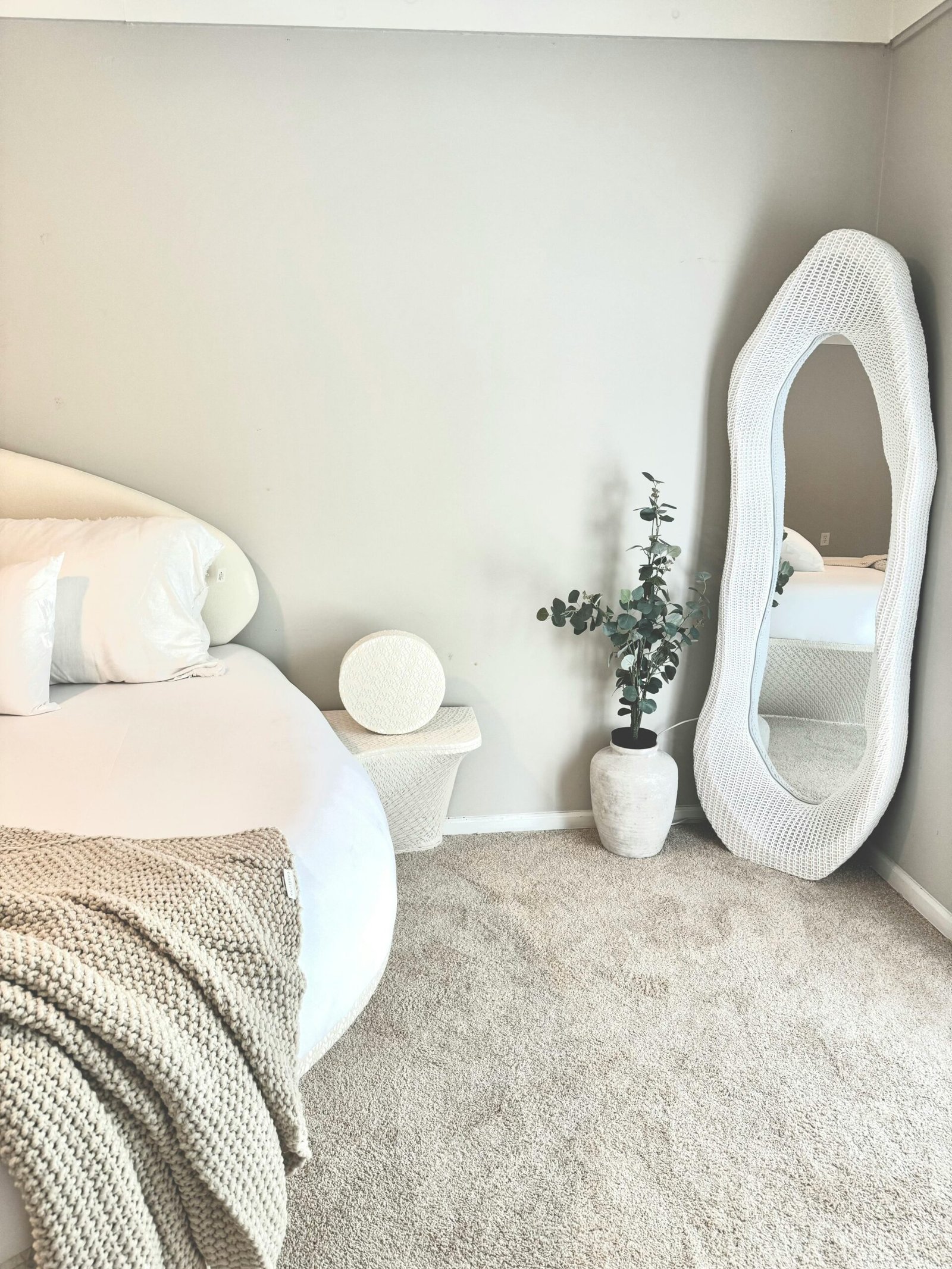
Your Bedroom Could Be Sabotaging Your Sleep (Here’s How to Fix It)
The quality of your sleep is deeply influenced by the space where you sleep — and transforming your bedroom into a genuine sanctuary can be one of the most powerful, science-backed changes you make for your mental and physical health in 2026. Whether you’re lying awake for hours, waking throughout the night, or simply never feeling truly rested, your environment may be playing a bigger role than you realize. This guide walks you through everything you need to know about how to create a bedroom environment that promotes sleep, with practical, evidence-based strategies you can start using tonight.
Sleep researchers have long understood that our surroundings send powerful signals to our nervous system. A 2024 study published in Sleep Medicine Reviews found that environmental sleep interventions — adjustments to light, temperature, noise, and bedroom organization — improved sleep quality scores by up to 42% in participants who had previously reported chronic sleep difficulties. That’s a remarkable improvement, and it doesn’t require a prescription or a renovation budget.
Think of your bedroom the way a thoughtful hotel designs its best suite: every detail is intentional, every element is chosen to help the body and mind transition into deep, restorative rest. You deserve that same intentionality in your own home.
This article is for informational purposes only and is not a substitute for professional medical advice.
The Science of Sleep Environments: Why Your Bedroom Design Matters
Before diving into specific changes, it helps to understand why your bedroom environment has such a profound effect on your sleep. The human brain contains a master biological clock — the suprachiasmatic nucleus — that regulates your circadian rhythm. This internal clock responds to environmental cues called zeitgebers (German for “time-givers”), including light, temperature, and even sound. When your bedroom environment sends the right cues at the right times, your body naturally prepares for deep sleep. When it sends mixed or disruptive signals, sleep quality suffers.
Your brain also forms strong associations between places and behaviors — a concept psychologists call stimulus control. If your bedroom is where you work, scroll social media, argue with a partner, or watch stressful news, your brain starts to associate that space with alertness rather than rest. Conversely, a bedroom consistently used only for sleep and intimacy becomes a powerful cue for sleepiness itself.
The American Academy of Sleep Medicine recommends that adults aim for seven or more hours of sleep per night, yet a 2025 Gallup survey found that 36% of adults in English-speaking Western nations report regularly getting less than six hours — a figure that has barely shifted despite growing public awareness of sleep’s importance. Environmental redesign offers a practical, accessible path forward for millions of people.
Mastering Light: The Single Most Powerful Sleep Trigger
Light is your circadian rhythm’s primary regulator. Getting light exposure right — both reducing it at night and welcoming it in the morning — is arguably the highest-leverage change you can make when learning how to create a bedroom environment that promotes sleep.
Blocking Out the Light That Disrupts Sleep
Our bodies evolved to sleep in genuine darkness. Even modest light exposure during sleep — from street lamps bleeding through curtains, electronic standby lights, or a partner’s phone screen — can suppress melatonin production and fragment sleep architecture. A 2023 study from Northwestern University found that sleeping in even moderately lit conditions (around 100 lux, equivalent to a dim nightlight) increased insulin resistance and elevated heart rate the following day, suggesting systemic physiological disruption beyond just drowsiness.
- Invest in blackout curtains or blinds: Look for curtains rated at 99–100% light blockage. This single investment consistently ranks as one of the most cost-effective sleep improvements.
- Cover or remove LED indicators: Use electrical tape or small blackout stickers to cover the tiny standby lights on TVs, chargers, routers, and other devices.
- Consider a sleep mask: If blackout window treatments aren’t feasible, a well-fitting, contoured sleep mask provides a practical alternative.
- Switch to warm-toned bulbs: In your bedroom and bathroom, replace cool-white LED bulbs (5000K+) with warm, amber-toned options (2700K or lower) to minimize blue light exposure in the hours before bed.
Morning Light for a Healthier Sleep Cycle
Paradoxically, getting bright natural light in the morning is just as important as avoiding it at night. Morning light exposure anchors your circadian rhythm, helping you feel alert during the day and genuinely sleepy at an appropriate bedtime. Open your curtains fully upon waking, or consider a dawn simulator alarm clock that gradually brightens your room before your wake time — particularly valuable during short winter days in higher-latitude locations like Canada, the UK, and New Zealand.
Temperature, Sound, and Air Quality: The Hidden Sleep Disruptors
Light often gets the most attention, but temperature, noise, and air quality are equally critical components of a sleep-promoting bedroom. Addressing all three together creates the complete sensory environment your nervous system needs to feel safe enough to truly let go into sleep.
Finding Your Optimal Sleep Temperature
Core body temperature naturally drops by 1–2°C as part of the sleep initiation process. A cooler bedroom supports and accelerates this drop. Sleep scientists generally recommend a bedroom temperature between 15.6°C and 19.4°C (60–67°F) for optimal sleep, with slight variation based on personal preference, age, and whether you share a bed.
- Use breathable, natural-fiber bedding (cotton, linen, or bamboo) to help regulate body temperature throughout the night.
- If you tend to sleep hot, a cooling mattress topper or moisture-wicking sleepwear can make a significant difference.
- If heating costs are a concern, a slightly warmer room combined with lighter bedding and good ventilation achieves a similar effect.
- A warm bath or shower 60–90 minutes before bed is a research-backed technique — it paradoxically lowers core body temperature through post-bath heat dissipation, helping signal the brain that it’s time for sleep.
Managing Noise for Deeper, Unbroken Sleep
Noise disrupts sleep even when it doesn’t fully wake you. Traffic, neighbors, partners’ snoring, and urban background noise all trigger micro-arousals — brief shifts to lighter sleep stages that leave you feeling unrested even after a full night in bed. Strategies to address noise include:
- White noise machines or apps: Steady broadband noise masks sudden acoustic spikes that trigger arousals. In 2026, several apps now offer personalized soundscapes calibrated to your sensitivity profile.
- Pink noise: Research from 2023 published in Frontiers in Human Neuroscience suggests pink noise (lower-frequency than white noise) may enhance slow-wave deep sleep and memory consolidation.
- Earplugs: High-quality foam or moldable silicone earplugs remain one of the simplest, most effective tools for light sleepers or those with noisy partners.
- Heavy curtains and rugs: Beyond their light-blocking function, heavy fabrics absorb and dampen sound within the room, reducing both external intrusion and echo.
Air Quality and Humidity
Breathing clean, well-humidified air throughout the night matters more than most people realize. Dry air irritates airways and can worsen snoring, while stuffy rooms with elevated CO2 from poor ventilation reduce sleep quality and morning alertness. Aim to keep bedroom humidity between 40–60%. A small HEPA air purifier with a carbon filter reduces allergens, dust mites, and volatile organic compounds — particularly useful for allergy sufferers. Cracking a window slightly (where safe and feasible) introduces fresh air and helps regulate both temperature and CO2 levels.
Designing Your Space: Layout, Clutter, and the Psychology of Rest
The physical arrangement and visual feel of your bedroom communicate directly with your nervous system. Learning how to create a bedroom environment that promotes sleep means thinking about design not as aesthetics for others, but as a functional tool for your own wellbeing.
Reducing Visual Clutter
Clutter creates cognitive load — your brain registers unfinished business and unresolved tasks even when you’re consciously trying to wind down. A 2015 study from St. Lawrence University found that people who slept in cluttered bedrooms were significantly more likely to have sleep problems and more negative associations with sleep than those in tidier spaces. While this research is a decade old, its findings align consistently with ongoing research into stress and environmental psychology.
You don’t need a minimalist showroom. You need a space where your eyes can rest without landing on reminders of work, obligations, or disorder. Start with:
- Removing or concealing work materials, laptops, and office paperwork from the bedroom entirely.
- Using storage solutions that keep surfaces clear — under-bed storage, a bedside table with drawers, or a wardrobe organizer.
- Keeping only items in the bedroom that are associated with sleep, rest, reading, or relaxation.
Color, Texture, and Sensory Comfort
Cooler, muted colors — soft blues, sage greens, warm neutrals — have been consistently associated with lower resting heart rate and subjective feelings of calm. While personal preference matters, avoiding highly saturated, energizing colors (bright reds, oranges, or stark white with cool undertones) on your walls and bedding is a low-effort adjustment worth considering. Layer soft textures — plush rugs, a weighted blanket, quality pillows — to create a sensory environment that feels genuinely inviting and comforting.
Bed Placement and Feng Shui Principles with a Modern Lens
You don’t need to follow traditional feng shui to benefit from its underlying logic. Placing your bed so you can see the door without being directly in line with it creates a subtle but real sense of psychological safety — your nervous system can relax when it doesn’t feel exposed or startled by movement. Keeping the area under the bed clear (or using sealed storage containers rather than chaotic piles) also removes a subtle source of visual and psychological disorder.
Technology and the Bedroom: Creating Healthy Boundaries
Smartphones, tablets, and televisions are among the most common — and most damaging — bedroom intrusions. Blue light from screens suppresses melatonin production, but the more significant issue may be psychological: social media, news, and even entertainment keep your brain in an activated, evaluative state that is neurologically incompatible with sleep onset.
A 2025 study from Oxford’s sleep research center found that individuals who kept their phones out of the bedroom fell asleep an average of 22 minutes faster and reported 19% better sleep quality than matched controls who kept devices at the bedside, even controlling for actual screen use time. The mere presence of the device — and the implicit availability it creates — appears to affect cognitive arousal.
Practical Technology Boundaries
- Charge devices outside the bedroom: Use a dedicated charging station in a hallway or living area. A traditional alarm clock replaces the phone’s alarm function cleanly.
- Implement a technology curfew: Aim to stop using all screens 60–90 minutes before your target sleep time. Replace screen time with reading physical books, light stretching, journaling, or a calming podcast through a smart speaker (audio-only).
- Use blue light blocking glasses: If screens in the evening are unavoidable, blue-light-filtering glasses from 2–3 hours before bed provide partial mitigation.
- Enable night mode settings thoughtfully: While device night modes reduce blue light somewhat, they should be considered a supplement to behavioral limits, not a substitute.
Scent, Routine, and the Final Sensory Touches
The last layer of a truly sleep-optimized bedroom involves engaging your sense of smell and embedding your environment within a consistent nightly routine. These elements may seem small, but they work through powerful neurological conditioning mechanisms.
Using Scent as a Sleep Cue
The olfactory system has a uniquely direct connection to the brain’s limbic system — the region governing emotions and memory. Lavender essential oil is the most widely studied sleep-promoting scent, with multiple trials demonstrating reductions in anxiety, improvements in sleep quality, and increased slow-wave sleep duration. A 2022 meta-analysis in the Journal of Alternative and Complementary Medicine confirmed lavender aromatherapy’s statistically significant positive effect on sleep quality across diverse populations. Use a diffuser, a linen spray, or a sachet near your pillow to introduce a consistent scent cue that your brain learns to associate with sleep.
Building a Pre-Sleep Ritual That Anchors the Space
Your bedroom environment is most powerful when embedded within a consistent pre-sleep routine. The routine itself becomes a behavioral cue — signaling to your brain that sleep is approaching. This might include dimming lights an hour before bed, performing a brief skincare or hygiene routine, five minutes of gentle stretching or breathing exercises, and reading in bed for 20–30 minutes. Consistency is key: doing this sequence at the same time each night accelerates your brain’s conditioned response and shortens sleep onset time over the course of weeks.
Understanding how to create a bedroom environment that promotes sleep is ultimately about working with your biology rather than against it — building a space and a rhythm that your nervous system genuinely recognizes as safe, calm, and ready for rest.
Frequently Asked Questions
What is the single most important change I can make to my bedroom for better sleep?
If you can only make one change, focus on darkness. Installing blackout curtains and covering electronic standby lights to create near-total darkness has the most consistent and significant impact on melatonin production and overall sleep quality. Light suppression at night is the foundation on which all other sleep environment improvements build.
What temperature should my bedroom be for the best sleep?
Sleep researchers recommend keeping your bedroom between 15.6°C and 19.4°C (60–67°F) for optimal sleep. Your body needs to drop its core temperature to initiate and maintain deep sleep, and a cool room supports that process. If you share a bed with someone who runs hotter or colder, breathable bedding layers allow individuals to regulate their own comfort without compromising the other person’s sleep.
Does it really matter if I keep my phone in the bedroom?
Yes — more than most people expect. Beyond blue light effects, the psychological availability of your phone keeps your brain in a lighter, more vigilant state. A 2025 Oxford study found people fell asleep 22 minutes faster and reported nearly 20% better sleep quality simply by moving their phone to another room for charging. This is one of the most cost-free, high-impact changes available.
Can a weighted blanket actually improve sleep?
For many people, yes. Weighted blankets (typically 5–12% of body weight) provide deep pressure stimulation that activates the parasympathetic nervous system, reducing cortisol and increasing serotonin. Multiple studies support their use for anxiety-related sleep difficulties and restlessness. They may not be appropriate for everyone, including young children, people with certain respiratory conditions, or those who feel uncomfortably restricted — personal comfort should always guide the choice.
How do I reduce noise if I can’t afford soundproofing or a white noise machine?
Several free or very low-cost options work well. Foam earplugs (available for under $5 at most pharmacies) are highly effective for many sleepers. Free white noise, rain, or pink noise streams are available on YouTube, Spotify, and sleep apps at no cost. Heavy curtains and a thick rug on the floor both absorb sound meaningfully. Even placing a rolled towel along the bottom of a bedroom door noticeably reduces hallway noise intrusion.
How long does it take to see improvements after changing my bedroom environment?
Many people notice improvements — particularly in sleep onset time and how rested they feel upon waking — within the first one to two weeks of making consistent environmental changes. Changes like blackout curtains and temperature adjustments can have an almost immediate effect. Building consistent pre-sleep routines takes longer, typically three to four weeks of repetition before the conditioned response becomes reliably strong. Be patient with yourself: sleep habits are deeply ingrained, and steady, consistent effort yields the best long-term results.
What should I do if I’ve optimized my bedroom but still can’t sleep well?
Environmental optimization is a powerful tool, but it isn’t a complete solution for everyone. If you’ve made the changes outlined here and continue to struggle significantly with sleep, please speak with your primary care physician or a sleep specialist. Conditions such as sleep apnea, restless legs syndrome, anxiety disorders, and depression all affect sleep profoundly and respond best to professional assessment and treatment. Cognitive Behavioral Therapy for Insomnia (CBT-I) is also considered the gold-standard first-line treatment for chronic insomnia and is now widely available through both in-person clinicians and digital platforms across the USA, UK, Canada, Australia, and New Zealand.
Your bedroom is more than four walls and a mattress — it’s the foundation of your nightly recovery, your mental resilience, and your capacity to show up fully in your waking life. Every thoughtful change you make to that space is an act of genuine self-care, and you deserve to experience the kind of deep, restorative sleep that makes everything else in life feel more manageable. Start with one change tonight — whether that’s drawing the blackout curtains, turning your phone face-down in another room, or simply lowering the thermostat a couple of degrees — and build from there. Rest well. You’ve earned it.
Leave a Reply