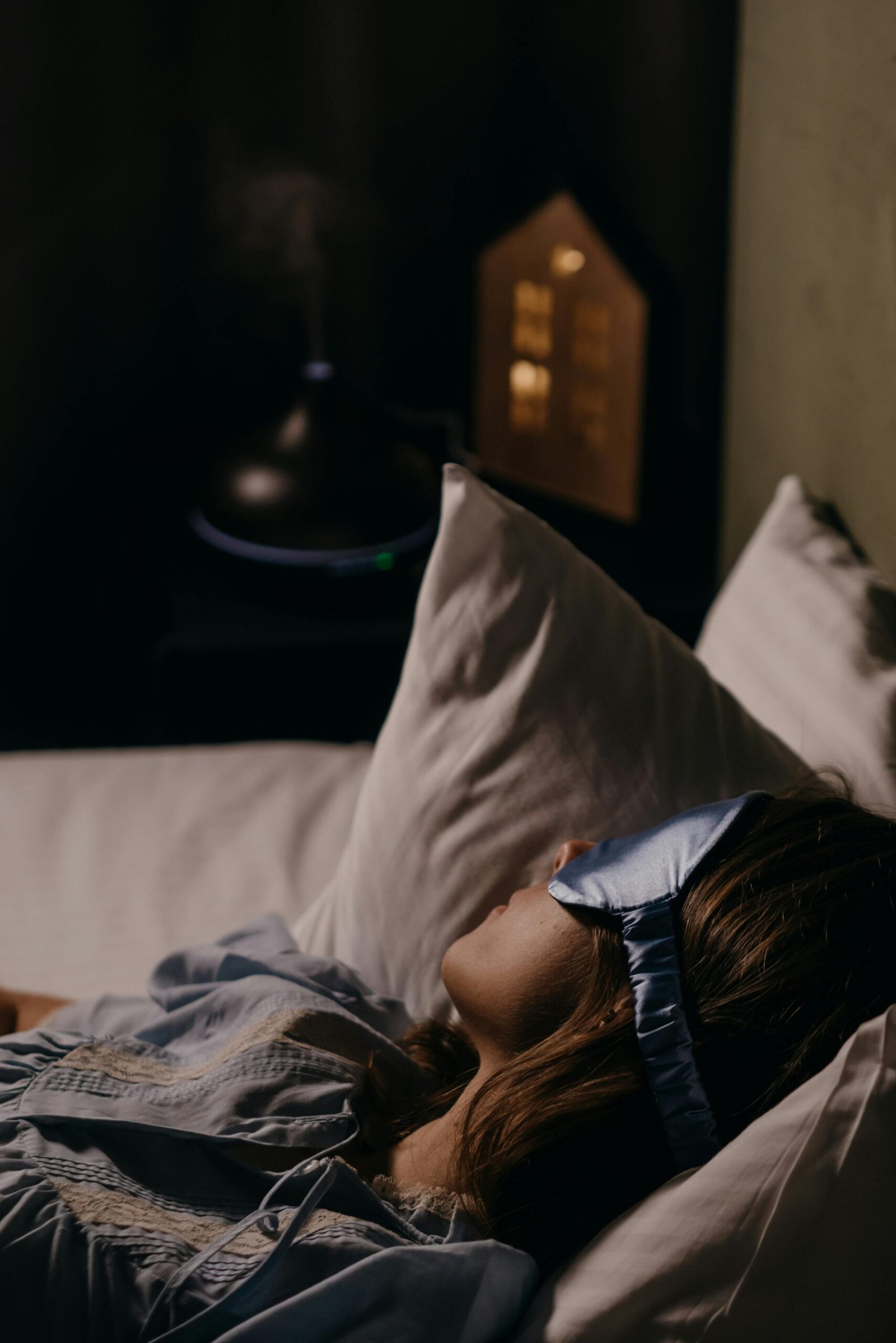
The Hidden Cost of That Late-Night Scroll
Screen time before bed is quietly undermining the sleep and mental health of millions — and most of us don’t realise it’s happening until the damage is done. Whether you’re catching up on social media, watching one more episode, or replying to work emails at 11pm, the devices we rely on all day are actively working against us at night. The science behind this is compelling, the mental health consequences are real, and — best of all — the solutions are simpler than you might think.
In 2026, the average adult in the US, UK, Canada, Australia, and New Zealand spends over 7 hours daily looking at screens. A significant portion of that happens in the two hours before sleep. We’ve built a world where constant connectivity feels like a virtue, but our brains are running ancient biological software that simply wasn’t designed for artificial light at midnight. Understanding what’s actually happening inside your body and mind when you scroll before sleep is the first step toward real, lasting change.
What Blue Light Actually Does to Your Sleeping Brain
You’ve probably heard the phrase “blue light is bad for sleep” — but the explanation is often left vague, which makes it easy to dismiss. Let’s be specific. Your brain contains a tiny structure called the suprachiasmatic nucleus (SCN), essentially your internal clock. This clock regulates the release of melatonin, the hormone that signals to your body that it’s time to sleep. The SCN takes its cues largely from light — specifically, the spectrum of light in the environment.
Blue light, which is emitted abundantly by smartphones, tablets, laptops, and televisions, mimics the wavelength of midday sunlight. When your eyes register this light in the evening, the SCN interprets it as daytime and suppresses melatonin production accordingly. A landmark study from Harvard Medical School found that exposure to blue light at night suppresses melatonin for about twice as long as green light — and shifts circadian rhythms by as much as three hours.
The Melatonin Delay and What It Costs You
When melatonin is delayed, you don’t just fall asleep later — you also spend less time in the restorative stages of sleep, particularly slow-wave deep sleep and REM sleep. These stages are when your brain consolidates memories, processes emotions, and carries out cellular repair. Chronically cutting these short has real consequences: impaired concentration, irritability, weakened immune response, and heightened emotional reactivity. A 2025 study published in the journal Sleep Medicine Reviews found that individuals who used screens for 90 minutes or more before bed spent on average 22% less time in REM sleep compared to those who avoided screens in the evening.
It’s Not Just the Light — It’s the Stimulation
Blue light is only part of the story. The content on our screens is specifically engineered to keep us engaged. Social media algorithms, autoplay features, push notifications, and infinite scroll are all designed by some of the world’s smartest engineers to hold your attention. When you’re consuming this content at night, your brain is being flooded with dopamine — a neurotransmitter associated with reward and alertness. This creates a state of neurological arousal that directly opposes the calm, quiet wind-down your brain needs to transition into sleep. Your body might be lying in bed, but your nervous system is wide awake.
The Mental Health Ripple Effect
Poor sleep and poor mental health have a deeply entwined, bidirectional relationship. Sleep deprivation caused by screen time before bed doesn’t just leave you tired — it fundamentally changes how your brain processes emotion, threat, and social interaction. And for many people, this creates a cycle that becomes increasingly difficult to break.
Anxiety, Depression, and the Evening Scroll
Research from the University of Pittsburgh found that young adults who used social media most frequently were 2.7 times more likely to experience depression and anxiety compared to those with lower usage. Night-time scrolling in particular tends to expose us to negative news, social comparison, and conflict — all at a time when our emotional regulation resources are lowest. The prefrontal cortex, the part of your brain responsible for rational thinking and emotional control, is already beginning to quiet down as evening progresses. Feeding it anxiety-inducing content right before sleep is, neurologically speaking, like throwing fuel on a fire.
The mental health impacts compound over time. Chronic sleep deprivation caused by late-night screen use has been linked to increased cortisol levels, reduced serotonin production, and a heightened amygdala response — meaning you become more reactive to stress, more susceptible to low mood, and less able to regulate difficult emotions. This isn’t weakness; it’s biology. But it is something we can address.
Screen Time Before Bed and Teen Mental Health
The picture is even more urgent for young people. Adolescents are particularly vulnerable because their circadian rhythms already run naturally later, meaning they’re more likely to be awake and on screens during the critical melatonin window. A comprehensive 2026 report from the Royal College of Psychiatrists found that teenagers who used social media for more than two hours after 9pm were 34% more likely to report symptoms of clinical anxiety and showed measurable reductions in both sleep quality and daytime emotional resilience. For parents, this isn’t about banning technology — it’s about creating informed, compassionate boundaries.
Practical Strategies That Actually Work
The goal here isn’t to shame you for your habits or pretend that putting down your phone is easy. Our devices are genuinely useful, genuinely comforting, and in many cases, genuinely necessary. What we’re aiming for is a smarter relationship with technology — one that preserves your rest and protects your mental wellbeing without making you feel like you’re living in 1987.
The 60-Minute Wind-Down Rule
The most consistently effective strategy recommended by sleep specialists is to create a technology-free window of at least 60 minutes before your intended bedtime. This gives your melatonin production time to ramp up naturally and allows your nervous system to begin the transition from alertness to rest. Start with 30 minutes if 60 feels impossible, and build from there. The key is consistency — doing this at roughly the same time each night trains your circadian rhythm to respond reliably.
Practical Screen Hygiene Tips
- Use Night Mode and Warm Lighting: Enable blue light filters on all your devices from sunset onward. While this doesn’t eliminate the stimulation problem, it meaningfully reduces the melatonin-suppressing effect of your screens.
- Charge Your Phone Outside the Bedroom: This single change removes both temptation and the low-level anxiety of knowing notifications are waiting. Use a traditional alarm clock instead.
- Set App Timers and Downtime Modes: Both iOS and Android offer built-in Screen Time and Digital Wellbeing tools that let you schedule when certain apps become unavailable. Use them — the mild friction of being locked out of Instagram at 9:30pm is often enough to break the habit loop.
- Create a Replacement Ritual: Nature abhors a vacuum, and so does the human habit loop. Replace screen time with something genuinely restorative: reading a physical book, light stretching, journaling, a warm shower, or a calming podcast through a speaker (audio without a screen is far less disruptive).
- Dim Your Overall Lighting: The environment matters as much as the device. Switching to warm, dim lighting throughout your home in the evening signals to your brain that the day is ending, supporting the natural melatonin rise.
- Set a ‘Last Check’ Alarm: Rather than attempting to resist checking your phone cold turkey, designate a final check time — say, 9pm — after which you deliberately put the phone face down and focus on your wind-down routine.
Addressing the Work Email Problem
Many adults, particularly those working across time zones or in high-pressure environments, feel they genuinely cannot disconnect from work communications in the evening. If this resonates, the most effective approach is to set a visible, communicated boundary: inform colleagues of your response window, use scheduled send features so you can draft emails without sending them at 11pm, and — where possible — speak with your manager about after-hours expectations. Protecting your sleep is protecting your performance. Most employers, when framed this way, are more receptive than you might expect.
Building a Bedroom Environment That Supports Sleep
The bedroom itself plays a crucial supporting role in your sleep quality. If screens have become central to your bedtime routine, your brain has likely formed a strong association between your bed and wakefulness. Breaking this association is part of what sleep specialists call “stimulus control” — and it’s a core component of Cognitive Behavioural Therapy for Insomnia (CBT-I), the gold-standard non-pharmaceutical treatment for sleep disorders.
Your Environment as a Sleep Signal
Consider your bedroom through the lens of sleep science. Ideal conditions include a cool temperature (around 65–68°F / 18–20°C), complete or near-complete darkness, minimal noise disruption, and — critically — an absence of screens. When your brain consistently associates your sleeping environment with calm and rest rather than stimulation, falling asleep becomes easier and more natural over time. This isn’t a luxury renovation project; even small changes like blackout curtains, a white noise machine, or simply removing the TV from the bedroom can produce measurable improvements in both sleep onset and sleep quality.
Mindfulness as a Digital Detox Tool
If your mind races when you put the phone down — a phenomenon researchers call “cognitive arousal” — mindfulness-based techniques can be genuinely helpful. Body scan meditation, progressive muscle relaxation, and slow diaphragmatic breathing all activate the parasympathetic nervous system, essentially pressing the biological brake pedal on your stress response. Apps like Calm or Headspace can be used earlier in the evening as part of your wind-down, giving you the benefit of guided audio content without the stimulating effects of late-night scrolling. Many people find that replacing 20 minutes of social media with 20 minutes of guided breathing produces a noticeable difference in how quickly they fall asleep within just a week of consistent practice.
When to Seek Professional Support
For most people, adjusting screen habits will produce meaningful improvements in sleep and mood within two to four weeks. But it’s important to recognise when sleep difficulties run deeper than screen time alone. If you’ve reduced your evening screen use and are still experiencing persistent difficulty falling or staying asleep, frequent waking, excessive daytime fatigue, or symptoms of depression and anxiety that are significantly affecting your daily life, please speak with a qualified healthcare professional.
Sleep disorders such as insomnia disorder, sleep apnoea, and circadian rhythm disorders are common, treatable, and often go unaddressed simply because people assume poor sleep is normal. It’s extremely common — but it isn’t something you simply have to accept. A GP, psychologist, or sleep specialist can provide a proper assessment and recommend evidence-based treatments, including CBT-I, which has been shown in multiple meta-analyses to be more effective than sleep medication for long-term insomnia management.
Similarly, if you’re noticing that your relationship with your devices feels compulsive — that you feel anxious or irritable when you can’t check your phone, or that you’ve repeatedly tried and failed to reduce your usage without success — this is worth exploring with a mental health professional. Problematic technology use is a recognised and treatable concern, not a personal failing.
This article is for informational purposes only and is not a substitute for professional medical advice. Always consult a qualified healthcare provider regarding any health concerns or before making changes to your health routine.
Frequently Asked Questions
How long before bed should I stop using screens?
Most sleep researchers recommend stopping screen use at least 60 minutes before your intended bedtime. This allows melatonin levels to begin rising naturally and gives your nervous system time to transition from alert to calm. If 60 minutes feels unrealistic right now, start with 20–30 minutes and gradually extend the window as the habit becomes more established.
Does using Night Mode or blue light glasses actually help?
Blue light filters and night mode settings do reduce the melatonin-suppressing effect of screens by shifting the colour spectrum toward warmer tones. However, they don’t eliminate the stimulation problem — the content you’re consuming still activates your brain’s reward circuitry and keeps your nervous system alert. Think of them as a partial solution, not a complete fix. They’re more helpful when combined with reducing overall screen time in the evening rather than used as a standalone strategy.
Is watching television before bed as bad as using a phone?
Television does emit blue light and stimulating content, but it tends to be somewhat less disruptive than smartphone use for two main reasons: the screen is typically further away (reducing light intensity to the eyes) and the passive nature of viewing is generally less cognitively activating than interactive scrolling or messaging. That said, binge-watching stimulating content late into the night still disrupts sleep significantly. Calm, familiar content watched on a screen across the room is meaningfully different from scrolling social media in bed.
Can screen time before bed cause anxiety?
Yes — both directly and indirectly. Directly, exposure to distressing news, social comparison, or work-related stressors on screens before bed activates the stress response at a neurologically vulnerable time. Indirectly, the sleep deprivation caused by regular late-night screen use elevates cortisol, reduces emotional regulation capacity, and increases baseline anxiety over time. Many people find that reducing evening screen use produces noticeable improvements in anxiety symptoms within just a few weeks.
What can I do instead of using my phone before bed?
Some of the most effective screen-free wind-down activities include reading a physical book, gentle yoga or stretching, journaling or gratitude writing, taking a warm bath or shower, listening to calm music or an audiobook through a speaker, practising breathing exercises or body scan meditation, and light conversation with someone in your household. The goal is to choose activities that feel genuinely relaxing to you — not things that feel like productive obligations. Your wind-down time is yours.
How quickly will my sleep improve if I stop using screens before bed?
Most people notice some improvement — typically falling asleep faster and feeling more refreshed in the morning — within one to two weeks of consistently reducing evening screen use. More significant improvements in sleep quality, mood, and daytime energy generally emerge over four to six weeks as your circadian rhythm recalibrates and your bedroom becomes more strongly associated with rest. Like any habit change, consistency matters far more than perfection. A few slips won’t undo your progress.
Is it ever okay to use screens before bed?
Context matters. Reading a calming e-book on a low-brightness, warm-toned e-reader is very different from watching high-intensity content or scrolling social media. Video calls with loved ones, though screen-based, can be emotionally restorative for some people. The key question is: does this content calm me or stimulate me? Does it bring me peace or activate my stress response? Using that as your personal filter is often more effective than rigid all-or-nothing rules — which tend to create guilt and backlash rather than lasting change.
Your Rest Is Worth Protecting
Here’s what we want you to take away from all of this: you are not failing at sleep because you lack willpower. You are navigating a world that has been deliberately designed to capture and hold your attention, 24 hours a day, using some of the most sophisticated psychology and technology ever developed. The fact that it’s affecting your sleep and mental health isn’t a character flaw — it’s an entirely predictable human response to an unprecedented environment. The good news is that your brain is remarkably adaptable. Small, consistent changes to your evening routine can produce genuine, measurable improvements in how you sleep, how you feel, and how you move through the world. Start with one thing tonight — maybe it’s charging your phone in another room, or reading for 20 minutes instead of scrolling. Be patient with yourself, celebrate the small wins, and remember that every night is a new opportunity to give your mind the rest it genuinely deserves. You’ve got this.
Leave a Reply