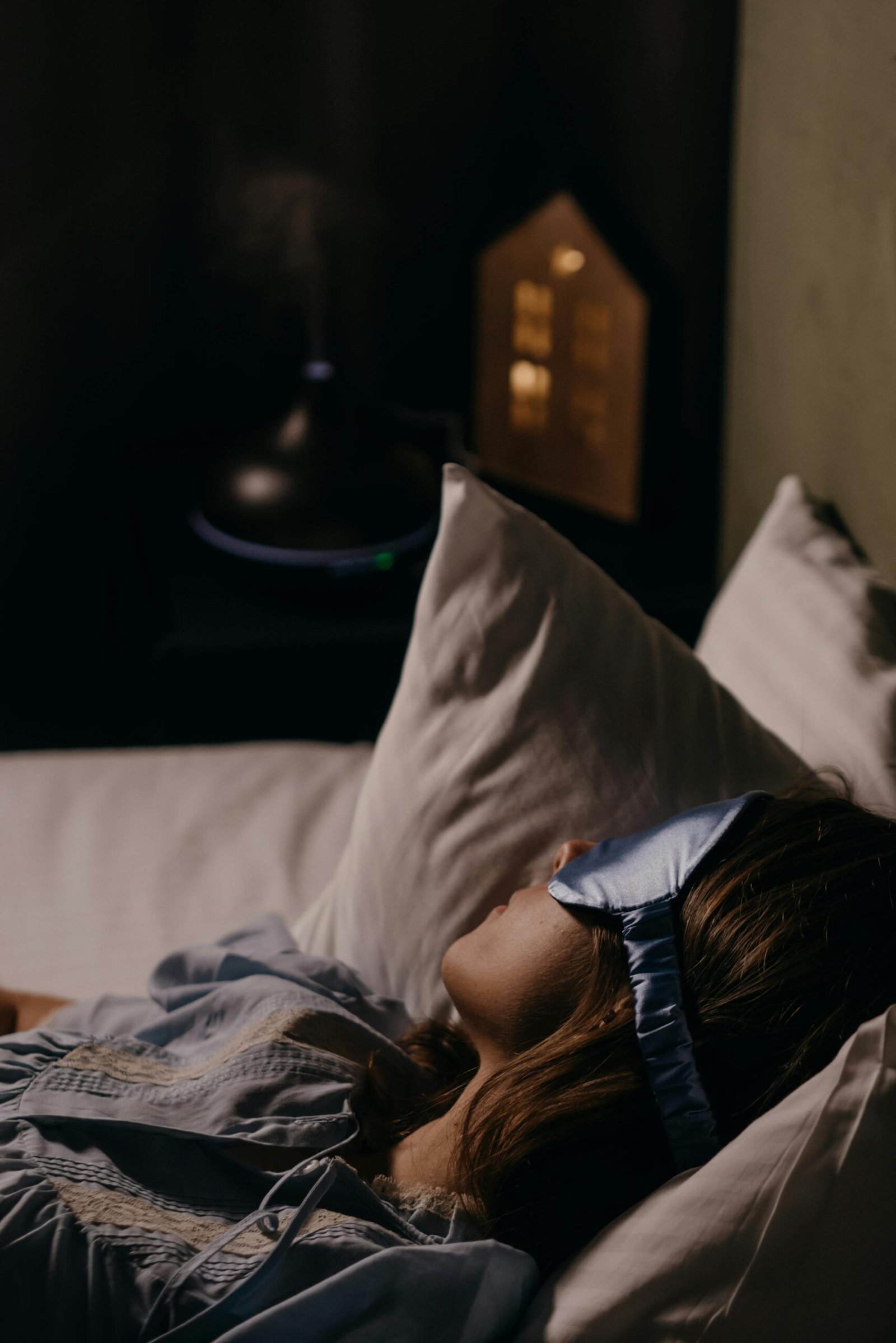
When Sleep Becomes a Struggle: What’s Really Going On
Millions of people lie awake each night staring at the ceiling, wondering why rest feels so impossibly out of reach — and understanding insomnia causes, types, and treatments is the first step toward reclaiming your nights. You’re not broken, and you’re far from alone. According to the American Academy of Sleep Medicine, approximately 30% of adults experience short-term insomnia symptoms, while around 10% meet the criteria for chronic insomnia disorder. In the UK, Australia, and Canada, figures are similarly striking, with recent 2026 data from the Global Sleep Health Consortium suggesting that sleep disorders have increased by 14% since 2020, largely driven by prolonged stress, digital overexposure, and post-pandemic anxiety patterns.
This article is your warm, evidence-based guide to understanding what insomnia actually is, why it happens, and what genuinely works to help. Whether you’ve been struggling for weeks or years, there is hope — and there are real, proven paths forward.
This article is for informational purposes only and is not a substitute for professional medical advice. If you are experiencing persistent sleep difficulties, please consult a qualified healthcare provider.
What Insomnia Actually Looks Like
Insomnia is more than just “not sleeping enough.” It’s a persistent difficulty falling asleep, staying asleep, or waking too early — even when you have adequate time and opportunity for sleep. Crucially, it also involves daytime impairment: fatigue, difficulty concentrating, irritability, or low mood. Without that daytime impact, it doesn’t technically qualify as insomnia disorder.
Many people assume insomnia simply means lying awake for hours. But the experience is far more varied than that.
The Main Types of Insomnia
- Acute (short-term) insomnia: Lasts days to a few weeks, usually triggered by a specific stressor like a job change, relationship difficulty, bereavement, or illness. Most people recover naturally once the stressor resolves.
- Chronic insomnia disorder: Occurs at least three nights per week for three months or more. This form often develops a life of its own — meaning even after the original trigger disappears, the sleep problem persists due to learned arousal and unhelpful sleep habits.
- Sleep onset insomnia: Difficulty falling asleep at the beginning of the night. Often linked to anxiety, racing thoughts, or an overactive nervous system.
- Sleep maintenance insomnia: Waking during the night and struggling to fall back asleep. Frequently associated with depression, pain conditions, hormonal changes, or alcohol use.
- Early morning awakening insomnia: Waking significantly earlier than desired and being unable to return to sleep. This pattern is commonly seen in people experiencing depression or older adults whose circadian rhythms have shifted.
Insomnia vs. Normal Sleep Variation
It’s worth noting that not every bad night is insomnia. Sleep naturally fluctuates based on stress, illness, travel, and life changes. What distinguishes insomnia is the pattern, the frequency, and the distress or impairment it creates. If poor sleep is occasional and resolves without intervention, that’s simply human variability. When it becomes a persistent companion that affects your waking life, that’s when attention and support are warranted.
The Root Causes: Why Your Brain Won’t Switch Off
Understanding insomnia causes helps remove the self-blame that so many sufferers carry. This is not a personal failing. Sleep is a complex biological process involving your nervous system, hormones, circadian rhythm, and emotional state — and any number of things can disrupt it.
Psychological and Emotional Triggers
Stress and anxiety are by far the most common drivers of insomnia. When your brain perceives a threat — whether that’s a looming deadline, relationship tension, or financial worry — it activates the sympathetic nervous system, flooding your body with cortisol and adrenaline. These are the exact hormones designed to keep you alert and reactive. Not ideal for sleeping.
Depression is also deeply intertwined with sleep disruption. The relationship is bidirectional: depression causes poor sleep, and poor sleep worsens depression. A 2025 meta-analysis published in the journal Sleep Medicine Reviews found that people with insomnia are two to three times more likely to develop depression than good sleepers — making early treatment of sleep difficulties a meaningful mental health intervention in its own right.
Physical and Medical Causes
- Chronic pain conditions such as arthritis, fibromyalgia, or back pain make it genuinely difficult to find a comfortable sleeping position and maintain sleep through the night.
- Sleep apnoea — a separate but frequently overlapping condition — causes repeated micro-arousals throughout the night that leave people exhausted despite time in bed.
- Hormonal changes including perimenopause, menopause, thyroid dysfunction, and even the menstrual cycle can significantly disrupt sleep architecture.
- Neurological conditions such as restless leg syndrome and circadian rhythm disorders interfere with the body’s natural sleep-wake signals.
- Medications including certain antidepressants, beta-blockers, corticosteroids, and decongestants list insomnia as a known side effect.
Lifestyle and Environmental Factors
Caffeine consumed after mid-afternoon, alcohol used as a sleep aid (which actually fragments sleep in the second half of the night), irregular sleep schedules, late-night screen exposure, and a bedroom environment that’s too warm, bright, or noisy all contribute to insomnia causes that are, encouragingly, within our power to change.
Shift work deserves special mention. Working nights or rotating shifts disrupts the circadian rhythm — your internal 24-hour clock — in ways that make restorative sleep genuinely difficult to achieve. The 2026 Global Sleep Health report noted that shift workers are 33% more likely to develop chronic insomnia compared to standard daytime workers.
The Perpetuating Cycle
Perhaps the most important thing to understand about chronic insomnia is what keeps it going long after the original trigger has passed. Psychologists call this the 3P model: predisposing factors (your underlying sensitivity), precipitating factors (the trigger), and perpetuating factors (the behaviours and beliefs that maintain the problem). These perpetuating factors — like spending extra time in bed to “catch up,” clock-watching, napping erratically, and developing anxiety about sleep itself — are what transform a temporary sleep problem into a chronic one. And they are exactly what effective treatment targets.
Treatments That Actually Work
The good news about insomnia is that it responds well to treatment — often better than people expect. The key is matching the right approach to the type and severity of your insomnia.
Cognitive Behavioural Therapy for Insomnia (CBT-I)
CBT-I is unanimously endorsed as the first-line treatment for chronic insomnia by sleep medicine bodies in the USA, UK, Australia, and Canada. It outperforms sleeping pills in long-term outcomes and has no side effects. A landmark 2024 systematic review in The Lancet Psychiatry confirmed that CBT-I produces meaningful improvements in sleep onset, sleep efficiency, and daytime functioning that are sustained at 12-month follow-up — something medication alone rarely achieves.
CBT-I works by addressing the perpetuating cycle described above. It typically includes:
- Sleep restriction therapy: Temporarily limiting time in bed to match your actual sleep capacity, building sleep pressure and consolidating sleep — counterintuitive but highly effective.
- Stimulus control: Retraining your brain to associate the bed with sleep and relaxation rather than wakefulness and worry.
- Cognitive restructuring: Identifying and challenging unhelpful beliefs about sleep (“I need eight hours or I can’t function”) that fuel anxiety and perpetuate the problem.
- Relaxation training: Including progressive muscle relaxation, diaphragmatic breathing, and guided imagery to reduce physiological arousal at bedtime.
- Sleep hygiene education: Practical guidance on habits and environment that support better sleep.
CBT-I can be delivered by a trained therapist, through group programmes, or via digital platforms — many of which are now available through national health services in the UK, Australia, and Canada at no cost.
Sleep Hygiene: The Foundation Layer
While sleep hygiene alone is rarely sufficient for chronic insomnia, it forms the essential foundation. Think of it as preparing the soil before you plant seeds.
- Keep a consistent wake time, even on weekends — this is the single most powerful circadian anchor you have.
- Reserve the bed for sleep and intimacy only, not scrolling, working, or watching television.
- Keep your bedroom cool (around 65-68°F / 18-20°C), dark, and quiet.
- Avoid caffeine after 2pm and alcohol within three hours of bed.
- Create a wind-down routine of 30-60 minutes before your target sleep time — dim lights, calm activities, gentle movement or stretching.
- If you can’t sleep after 20 minutes, leave the bedroom and do something quiet until you feel sleepy again.
Mindfulness and Relaxation Approaches
Mindfulness-Based Stress Reduction (MBSR) and mindfulness-based approaches to insomnia have a growing evidence base. Rather than trying to force sleep — which paradoxically increases arousal — mindfulness teaches the art of allowing. You learn to observe the restless mind without fighting it, reducing the secondary anxiety that so often turns wakefulness into a crisis. Apps like Calm and Headspace offer sleep-specific programmes that many people find genuinely helpful as a complement to other treatment.
Medication: A Considered Role
Prescription sleep medications — including Z-drugs like zolpidem and zopiclone, as well as newer dual orexin receptor antagonists like suvorexant — have a legitimate short-term role, particularly in acute insomnia or during particularly acute periods of chronic insomnia. They are most effective when used sparingly, in combination with CBT-I, and with clear guidance about duration.
Over-the-counter antihistamine-based sleep aids (like diphenhydramine) are widely used but not recommended for more than occasional use — tolerance develops rapidly and they can impair cognitive function, particularly in older adults.
Melatonin, while not a sedative, can be helpful for circadian rhythm-related insomnia and is particularly well-supported for jet lag, shift work adjustment, and delayed sleep phase disorder. Dosing matters: 0.5 to 1mg taken at the right circadian time is often more effective than higher doses.
Always discuss any sleep medication with your doctor, as interactions, underlying conditions, and individual circumstances vary significantly.
Emerging and Complementary Approaches
Research into digital CBT-I (dCBT-I) is expanding rapidly, with multiple NHS-approved and NHS-linked platforms now available in 2026. Acupuncture has modest supportive evidence for improving subjective sleep quality. Light therapy is an evidence-based intervention for circadian rhythm-related insomnia. Exercise — particularly moderate aerobic activity — is robustly associated with better sleep quality, provided it’s not intense exercise within two hours of bedtime.
Special Considerations for Different Groups
Insomnia in Older Adults
Sleep architecture changes naturally with age — deeper sleep stages decrease, early morning waking becomes more common, and circadian rhythms shift earlier. This is normal, but it increases vulnerability to insomnia. Crucially, sedative medications carry significantly higher risks in older adults, including falls, cognitive impairment, and paradoxical agitation. CBT-I adapted for older adults is particularly important in this group.
Insomnia in Children and Adolescents
Behavioural insomnia of childhood — often involving difficulty settling or night waking that requires parental presence — is common and responds well to structured behavioural approaches. In teenagers, delayed sleep phase syndrome (a biological shift toward later sleep and wake times) is frequently misidentified as insomnia or laziness. Understanding the circadian biology here is critical before implementing treatment.
Insomnia During Pregnancy and Perimenopause
Hormonal fluctuations, physical discomfort, and anxiety during pregnancy and perimenopause create a perfect storm for sleep disruption. Non-pharmacological approaches are strongly preferred during pregnancy. For perimenopausal insomnia, addressing both the sleep problem and the underlying hormonal changes — potentially including hormone replacement therapy where appropriate — often yields the best outcomes.
When to Seek Professional Help
If your sleep difficulties have persisted for more than three to four weeks, are significantly affecting your daytime functioning, mood, or quality of life, or if you’re concerned about an underlying mental or physical health condition contributing to your sleep problems — please reach out to a healthcare provider. This is not a sign of weakness. Sleep is a medical and psychological matter, and you deserve proper support.
Ask your GP or primary care doctor about a referral to a sleep specialist, a psychologist trained in CBT-I, or access to a digital CBT-I programme. In the UK, you can often access sleep support via NHS talking therapies (IAPT/NHS Talking Therapies). In Australia, Better Access mental health plans can cover CBT-I with a registered psychologist. In the USA and Canada, many insurance plans now cover sleep-focused psychological treatment.
Frequently Asked Questions About Insomnia
How do I know if I have insomnia or just a few bad nights?
A few disrupted nights — especially around stressful events — is entirely normal human experience. Insomnia is typically defined by difficulty sleeping at least three nights per week for at least three months, combined with noticeable daytime impairment such as fatigue, difficulty concentrating, or mood disturbance. If your sleep problems are frequent, distressing, and affecting your daily life, it’s worth speaking to a healthcare provider for a proper assessment.
Is it safe to take sleeping pills long-term?
Most prescription sleep medications are not recommended for long-term use due to risks of dependency, tolerance, rebound insomnia when stopping, and — particularly in older adults — increased fall and cognitive impairment risks. The current clinical consensus is that CBT-I should be the primary long-term treatment, with medication used short-term or as a bridge while beginning therapy. Always follow your doctor’s guidance on any medication use.
Can anxiety cause insomnia, and can insomnia cause anxiety?
Absolutely — and this bidirectional relationship is one of the most important things to understand about insomnia. Anxiety activates the stress response system, making it biologically harder to fall and stay asleep. Conversely, chronic poor sleep amplifies emotional reactivity, lowers our stress threshold, and increases anxiety sensitivity. Treating both together — which CBT-I and therapies like ACT (Acceptance and Commitment Therapy) are well-equipped to do — produces much better outcomes than treating either in isolation.
Does everyone need eight hours of sleep?
No — and this is one of the most persistent and unhelpful sleep myths. Sleep need is genuinely individual, ranging from around six to nine hours in adults, with the average falling around seven to eight hours. What matters more than a specific number is whether you wake feeling reasonably restored, can function well during the day without significant fatigue, and don’t need to rely on caffeine or naps to get through. Rigidly fixating on a magic number can actually worsen insomnia by increasing sleep anxiety.
What’s the best thing to do when I wake up in the middle of the night and can’t get back to sleep?
The evidence-based answer is: don’t lie in bed awake for extended periods. If you’ve been awake for around 20 minutes and don’t feel sleepy, get up and go to a dimly lit room. Do something quiet and non-stimulating — light reading, gentle stretching, listening to calm audio. Avoid bright screens and avoid checking the time repeatedly. Return to bed only when you feel genuinely sleepy. This stimulus control approach is one of the most powerful components of CBT-I and helps break the conditioned arousal that keeps insomnia going.
Are there natural remedies that genuinely help insomnia?
Some natural approaches do have evidence behind them. Melatonin is well-supported for circadian-based sleep issues. Magnesium glycinate has emerging supportive evidence for sleep quality, particularly in people with low dietary magnesium. Valerian root has modest evidence and is generally well-tolerated, though research quality varies. Lavender aromatherapy and chamomile tea have relaxation benefits that may support a wind-down routine. None of these are replacements for CBT-I in chronic insomnia, but as part of a broader sleep-supporting lifestyle, some people find them meaningfully helpful.
Can exercise really improve sleep, and how much do I need?
Yes — exercise is one of the most robustly evidence-supported lifestyle interventions for sleep quality. Regular moderate aerobic exercise (like brisk walking, cycling, or swimming) is associated with faster sleep onset, more time in deep sleep, and reduced insomnia symptoms. You don’t need to train intensely; 30 minutes of moderate activity most days produces meaningful benefits. Timing matters: avoid vigorous exercise within two hours of bedtime, as it temporarily raises cortisol and core body temperature, both of which work against sleep onset.
Your Better Sleep Journey Starts Tonight
Living with insomnia is exhausting — not just physically, but emotionally. The frustration of lying awake, the dread of bedtime, the fog of another tired day — it wears on you in ways that are hard to describe to someone who hasn’t experienced it. But here’s what we want you to hold onto: insomnia is one of the most treatable conditions in mental and physical health. With the right understanding of its causes, the right type of support, and a little patience with yourself and the process, restful nights are genuinely within reach.
Start small. Pick one thing from this article — a consistent wake time, a wind-down routine, a conversation with your doctor — and begin there. You don’t need to overhaul everything at once. Progress, not perfection, is what moves the needle. The calm harbour of a good night’s sleep is closer than it might feel right now, and you are absolutely worth the effort of finding your way back to it.
This article is for informational purposes only and is not a substitute for professional medical advice. Always consult a qualified healthcare professional regarding any health concerns or before making changes to your treatment plan.
Leave a Reply