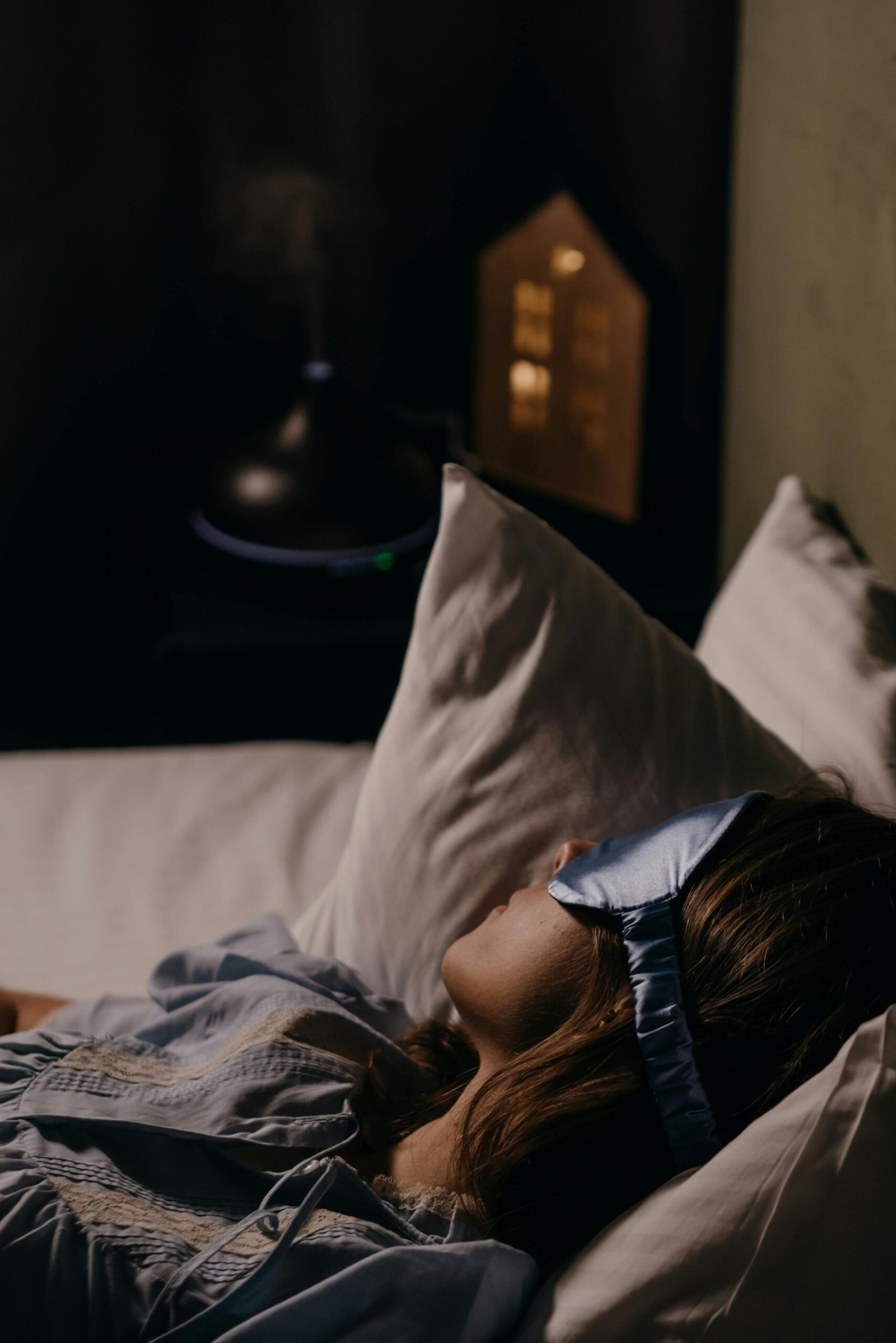
Poor sleep doesn’t just leave you tired — it quietly reshapes your brain, destabilizes your emotions, and increases your risk of serious mental health disorders. Most of us have experienced a rough night and chalked up the next-day grumpiness to being “a bit tired.” But when sleep deprivation becomes a pattern, the consequences run far deeper than fatigue. Research published in 2025 in Nature Mental Health found that adults sleeping fewer than six hours per night were 2.5 times more likely to experience clinically significant anxiety and depression symptoms compared to those getting seven to nine hours. If you’ve been wondering why your mood feels fragile, your thoughts scattered, or your resilience at an all-time low, your sleep habits may be the missing piece of the puzzle.
This isn’t about lecturing you to “just sleep more.” It’s about understanding the very real, science-backed ways that sleep deprivation affects your mental health — and giving you practical, compassionate tools to start making meaningful changes. Whether you’re a shift worker in Sydney, a new parent in Toronto, a student in Edinburgh, or someone lying awake at 3 a.m. in Chicago, this article is written for you.
This article is for informational purposes only and is not a substitute for professional medical advice. If you are experiencing serious mental health concerns, please reach out to a qualified healthcare provider.
What Happens Inside Your Brain When You Don’t Sleep Enough
Sleep isn’t passive downtime — your brain is extraordinarily busy while you rest. It consolidates memories, clears metabolic waste through the glymphatic system, regulates hormone production, and resets the emotional circuits you’ll need the next day. When you cut that process short, you don’t just feel foggy — you’re operating with a neurologically compromised brain.
The Amygdala Goes Into Overdrive
One of the most well-documented effects of sleep deprivation on mental health involves the amygdala — the brain’s threat-detection centre. Under normal, well-rested conditions, the prefrontal cortex acts as a rational check on the amygdala’s alarm signals. Sleep deprivation severs this communication. A landmark study from UC Berkeley found that sleep-deprived individuals showed up to 60% greater amygdala reactivity to negative stimuli compared to rested controls. In practical terms, this means small frustrations feel catastrophic, emotional regulation becomes exhausting, and you’re far more likely to react rather than respond.
Cortisol, Serotonin, and the Hormonal Domino Effect
Sleep loss triggers elevated cortisol — the primary stress hormone — which when chronically elevated contributes to anxiety, irritability, and depressive episodes. Simultaneously, the production of serotonin (which regulates mood and emotional stability) and dopamine (which governs motivation and reward) is disrupted. This hormonal imbalance creates a feedback loop: poor sleep worsens mood, low mood makes sleep harder, and the cycle deepens. Understanding this biochemical reality can help you approach sleep not as a luxury but as a genuine mental health intervention.
The Mental Health Conditions Most Linked to Sleep Loss
The relationship between sleep and mental health is bidirectional — mental illness can disrupt sleep, and sleep disruption can trigger or worsen mental illness. But the evidence increasingly points to sleep deprivation as a significant causal factor, not merely a symptom.
Anxiety Disorders
Sleep deprivation and anxiety share a vicious, reinforcing relationship. When you’re sleep-deprived, your brain’s threat-anticipation systems are hyperactivated — essentially, you’re primed to worry. A 2024 meta-analysis in Sleep Medicine Reviews covering over 170,000 participants across North America, Europe, and Australia confirmed that chronic short sleep was one of the strongest modifiable risk factors for generalised anxiety disorder. The good news embedded in that finding? Modifiable means changeable. Improving sleep quality is one of the most powerful levers you can pull to reduce anxiety symptoms.
Depression
The link between sleep deprivation and depression is so robust that insomnia is now recognised not just as a symptom of depression but as an independent risk factor for developing it. People with chronic insomnia are approximately three times more likely to develop depression than sound sleepers. Disrupted REM sleep — the stage most associated with emotional memory processing — is particularly damaging. During REM sleep, your brain essentially “strips the emotional charge” from difficult memories. Without sufficient REM, painful experiences remain raw and unprocessed, contributing to persistent low mood and hopelessness.
Psychosis and Severe Mental Health Episodes
Extended sleep deprivation — beyond 24 to 48 hours — can induce hallucinations and paranoid ideation even in otherwise healthy individuals. For people with underlying vulnerabilities to conditions like bipolar disorder or schizophrenia, disrupted sleep is frequently the trigger that precedes a major episode. A 2025 study published in JAMA Psychiatry found that tracking sleep patterns using wearable devices could predict mood episodes in bipolar patients up to seven days in advance — underscoring just how tightly sleep and severe mental health are intertwined.
How Sleep Deprivation Affects Daily Mental Functioning
You don’t need to be diagnosed with a mental health disorder to feel the psychological toll of poor sleep. Sleep deprivation affects your mental health in quieter, more insidious ways that erode your quality of life every single day.
Cognitive Fog and Decision Fatigue
Sleep-deprived brains struggle with working memory, sustained attention, and executive function — the very tools you need to navigate a complex day. You become more impulsive, more prone to cognitive distortions, and less able to problem-solve effectively. Research from the University of Washington (2025) found that even one week of sleeping six hours per night produced cognitive deficits equivalent to two full nights of total sleep deprivation — yet participants consistently underestimated how impaired they were. This “impairment blindness” is particularly dangerous because it means many people are functioning far below their psychological baseline without realising it.
Emotional Blunting and Relationship Strain
Chronic sleep deprivation doesn’t just amplify negative emotions — it also blunts positive ones. Joy, connection, and empathy all become harder to access. Partners and family members often notice increased irritability, withdrawal, and reduced emotional availability long before the sleep-deprived person acknowledges the problem themselves. Sleep scientist Dr. Matthew Walker has described sleep deprivation as one of the most “socially repellent” states — even strangers rate sleep-deprived individuals as less approachable and less trustworthy in behavioural studies. The relational cost of poor sleep is real, and it feeds back into mental wellbeing through loneliness and disconnection.
Resilience and Stress Tolerance
Think of your mental resilience as a battery. Good sleep recharges it. Sleep deprivation keeps it perpetually drained. The same stressor — a difficult conversation, a tight deadline, financial pressure — lands entirely differently depending on how much sleep you’ve had. This is why sleep deprivation affects your mental health not just through clinical pathways but through the slow erosion of your capacity to cope with ordinary life. When everything feels overwhelming, sleep is often the first place to investigate.
Groups That Face Heightened Risk
While sleep deprivation affects mental health across the entire population, certain groups carry a disproportionate burden — and understanding this can help you extend both compassion and practical support.
Adolescents and Young Adults
The teenage brain is undergoing profound neurological development, making it especially vulnerable to sleep loss. Adolescent sleep needs are genuinely higher — typically eight to ten hours — yet school start times, social pressures, and screen use conspire to keep average sleep well below that. In 2025, data from the UK’s NHS Mental Health Survey found that 16-to-24-year-olds who regularly slept fewer than seven hours were four times more likely to report moderate-to-severe depressive symptoms. Early intervention around sleep hygiene in this group could have significant long-term mental health outcomes.
Shift Workers and Healthcare Professionals
Approximately 15-20% of the working population in countries like the US, UK, Australia, and Canada work non-standard hours. Shift work disrupts circadian rhythms at a biological level, and the mental health consequences are significant: higher rates of depression, anxiety, and burnout are consistently documented in this group. If you work shifts, the standard sleep advice doesn’t always apply — your strategies need to account for circadian biology, not just sleep duration.
New Parents
New parents across the English-speaking world know this territory intimately. Fragmented sleep in the postpartum period is not just exhausting — it is a genuine risk factor for postpartum depression and anxiety. Research indicates that improving maternal sleep by even 90 minutes per night significantly reduces postpartum depression severity. Partners’ mental health is equally affected. Normalising help-seeking around sleep during this period is an important cultural shift that still needs to happen in many communities.
Practical Strategies to Protect Your Sleep and Mental Health
Understanding the problem is step one. Step two is acting on it — with strategies that are grounded in evidence and realistic for real lives.
Anchor Your Circadian Rhythm
Your circadian rhythm — the internal 24-hour clock regulating sleep-wake cycles — is the foundation of sleep health. The single most powerful way to anchor it is consistent wake time. Getting up at the same time every day (yes, weekends too) stabilises your sleep architecture faster than almost any other intervention. Pair this with morning light exposure within 30 minutes of waking — even on cloudy days, outdoor light sends a powerful signal to your brain to set the daily clock.
Create a Wind-Down Ritual
Your nervous system needs a transition zone between the demands of the day and sleep. A 30-to-60-minute wind-down routine — dimming lights, stepping away from screens, gentle stretching, reading, or a warm shower — signals to your brain that safety and rest are incoming. Cognitive shuffle techniques, where you deliberately conjure random, unconnected images as you lie down, have shown promising results in recent sleep research for interrupting the ruminative thought loops that keep anxious minds awake.
Address the Mental Health–Sleep Cycle Directly
If anxiety or low mood is driving your sleep problems, treating only the sleep symptoms without addressing the mental health component is like mopping up water without turning off the tap. Cognitive Behavioural Therapy for Insomnia (CBT-I) is the gold-standard, evidence-based treatment for chronic insomnia and has been shown to simultaneously reduce symptoms of anxiety and depression. It’s now available in digital formats through apps and telehealth platforms accessible across the US, UK, Australia, Canada, and New Zealand — making it far more accessible than traditional in-person therapy.
Review Lifestyle Factors Honestly
- Caffeine: Has a half-life of five to seven hours. A 3 p.m. coffee still has significant caffeine in your system at 9 p.m.
- Alcohol: A common sleep aid that actually fragments sleep architecture and suppresses REM sleep — worsening the very emotional dysregulation you may be trying to numb.
- Exercise: Consistently one of the most effective natural sleep aids, but vigorous exercise within two hours of bedtime can delay sleep onset for some people.
- Screen use: Blue light exposure suppresses melatonin, but the cognitive and emotional stimulation of social media and news is often the more significant culprit in delayed sleep onset.
- Temperature: Your body needs to drop its core temperature to initiate sleep. A cooler bedroom (around 65-68°F / 18-20°C) significantly improves sleep quality.
Know When to Seek Help
If you’ve been consistently struggling with sleep for more than three months, or if your mental health feels genuinely compromised, please don’t navigate this alone. Sleep disorders like obstructive sleep apnoea are frequently missed and have profound mental health consequences. A GP, psychiatrist, or sleep specialist can offer assessments and treatments that go beyond lifestyle changes. Reaching out is not a weakness — it’s one of the most rational things a sleep-deprived, mentally stretched person can do.
Frequently Asked Questions
How many hours of sleep do adults actually need for good mental health?
Most adults need between seven and nine hours of quality sleep per night for optimal mental and physical health. However, individual variation exists — some people genuinely function well on seven hours, while others need closer to nine. The key metric isn’t just duration but how rested, emotionally regulated, and cognitively sharp you feel during the day without relying on caffeine to function. Consistently sleeping fewer than six hours is associated with significantly elevated mental health risk across all research populations.
Can catching up on sleep over the weekend undo the mental health effects of a sleep-deprived week?
Partially, but not fully. While “recovery sleep” on weekends can restore some cognitive performance, a 2023 study from Penn State found that the emotional and psychological effects of chronic weekday sleep restriction were not fully reversed by weekend sleep extension. More troublingly, the irregular sleep schedule that comes with very different weekday and weekend sleep times — known as social jetlag — carries its own mental health risks. Consistency is far more restorative than compensation.
Is it normal to feel anxious specifically because of lack of sleep, even if I didn’t feel anxious before?
Absolutely, and this is more common than people realise. Sleep deprivation directly activates anxiety pathways in the brain — elevating cortisol, hyperactivating the amygdala, and reducing activity in the prefrontal cortex that keeps worries in proportion. People with no prior anxiety history can experience significant anxiety symptoms after just a few nights of poor sleep. The reassuring side of this is that improving your sleep often reduces anxiety symptoms substantially, even without other interventions.
Does sleep deprivation affect mental health differently in children and teenagers than in adults?
Yes, significantly. Developing brains are more vulnerable to the neurological effects of sleep loss. In children, sleep deprivation more commonly manifests as hyperactivity, impulsivity, and behavioural problems — symptoms that are frequently mistaken for ADHD. In teenagers, the effects more closely mirror adult presentations of depression and anxiety but are amplified by the fact that the prefrontal cortex (the brain’s emotional regulator) is still developing well into the mid-twenties. Adequate sleep in young people is genuinely a mental health protective factor with lifelong implications.
What’s the difference between insomnia and just being a “poor sleeper”?
Insomnia is a clinical condition characterised by persistent difficulty falling asleep, staying asleep, or waking too early — occurring at least three nights per week for at least three months — alongside significant daytime impairment in mood, functioning, or wellbeing. Being a “poor sleeper” often describes subclinical struggles that are real and worth addressing but may not meet the full diagnostic threshold. Both benefit from sleep hygiene improvements and CBT-I. If your sleep difficulties are causing genuine psychological distress or impairment, they deserve clinical attention regardless of whether they meet the textbook definition of insomnia.
Can medication help with sleep-related mental health problems?
In some cases, yes — but it’s rarely the first-line recommendation. For conditions like depression and anxiety where sleep disruption is a significant feature, treating the underlying condition with appropriate medication (under medical supervision) often improves sleep as well. Sleep medications themselves vary widely: some are appropriate for short-term use in specific circumstances, while others carry dependency risks. Importantly, CBT-I has been shown to outperform medication for long-term insomnia management with no side effects. Medication decisions should always involve a healthcare professional who understands your full clinical picture.
How do I know if a sleep disorder like sleep apnoea might be affecting my mental health?
Sleep apnoea — where breathing repeatedly stops during sleep — is significantly underdiagnosed, particularly in women, who often present with atypical symptoms. Key signs include waking unrefreshed despite what feels like adequate sleep time, morning headaches, low energy, brain fog, depression or anxiety that doesn’t respond well to treatment, and (in some cases) snoring or witnessed breathing pauses. If your mental health struggles have felt disproportionate to life circumstances and haven’t responded to typical interventions, a sleep study is worth discussing with your doctor. Treating sleep apnoea frequently produces dramatic improvements in mood and psychological wellbeing.
Your Sleep, Your Mental Health — One Night at a Time
The relationship between sleep deprivation and mental health isn’t a peripheral concern — it’s one of the most important connections in all of human wellbeing. The science is clear, but more importantly, the lived experience of millions of people confirms it: sleep changes everything. It changes how you see yourself, how you treat others, how you process pain, how you find joy, and how you cope when life gets hard.
You don’t have to overhaul everything at once. Start with one thing — a consistent wake time, a gentler wind-down, one honest conversation with a GP. Small, consistent steps compound into meaningful change. The version of you that sleeps well is more emotionally resilient, more connected, more creative, and more capable of living the life you want. That version isn’t out of reach. It may just be a few better nights away. Be patient with yourself, take the next small step, and remember — at thecalmharbour.com, we’re here to support your journey toward genuine mental wellness, one day (and one night) at a time.
Leave a Reply