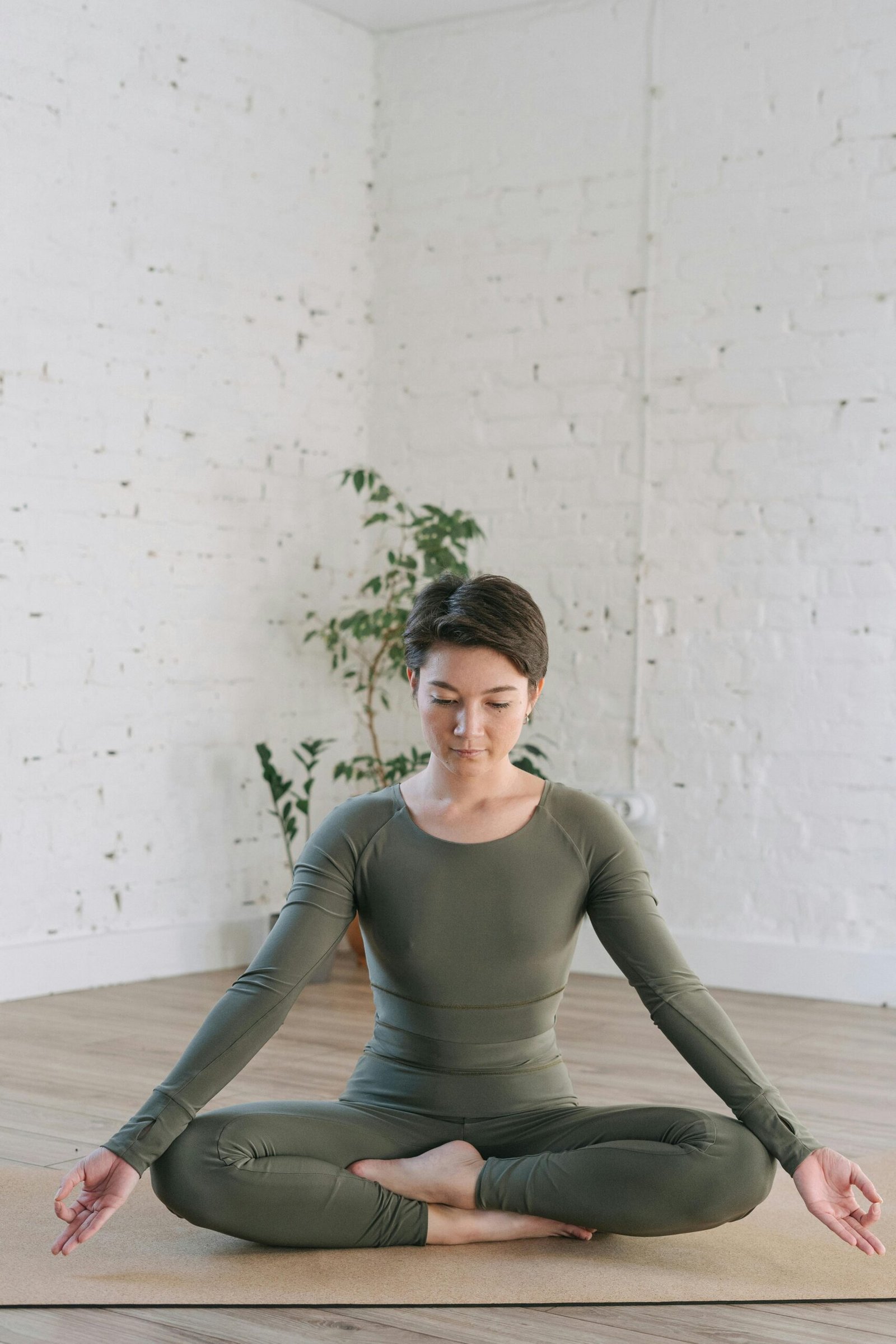
Yoga and mindfulness together create one of the most powerful combinations for mental and physical wellness — and science in 2026 continues to back this up with compelling research.
The Ancient Roots of a Modern Wellness Partnership
Long before wellness apps and guided meditation podcasts, ancient Indian philosophers understood something profound: the body and mind are not separate systems. Yoga, dating back over 5,000 years, was never just about physical postures. The word itself comes from the Sanskrit root yuj, meaning “to yoke” or “to unite.” Mindfulness, rooted in Buddhist traditions over 2,500 years old, teaches us to observe our thoughts and sensations without judgment. When these two practices meet, something remarkable happens — they amplify each other in ways that neither achieves alone.
In recent years, both practices have moved firmly into mainstream wellness culture across the USA, UK, Canada, Australia, and New Zealand. According to a 2026 Global Wellness Institute report, over 380 million people now practice some form of yoga worldwide, with mindfulness-based practices close behind at an estimated 350 million practitioners. What’s particularly exciting is how many of those practitioners report discovering that combining the two deepens their results significantly.
If you’ve ever wondered why your yoga class leaves you feeling mentally clearer — or why sitting quietly in meditation feels easier after a yoga session — you’re already experiencing this synergy. This article explores exactly how yoga and mindfulness work together, why the combination is so effective, and how you can weave both into your daily life, even if you’re a complete beginner.
What Happens in Your Brain and Body When You Combine Both Practices
To understand why yoga and mindfulness complement each other so powerfully, it helps to look at what each practice does on a physiological and neurological level — and where they overlap.
The Neuroscience Behind the Combination
Mindfulness meditation has been shown to increase grey matter density in the prefrontal cortex — the part of the brain responsible for decision-making, emotional regulation, and self-awareness. A landmark study from Harvard Medical School found that just eight weeks of mindfulness practice produced measurable structural changes in the brain. Similarly, yoga activates the parasympathetic nervous system, reducing cortisol levels and calming the body’s stress response.
When practiced together, the effect is synergistic. Yoga creates the physiological conditions — slower breathing, reduced muscular tension, lowered heart rate — that make mindful awareness easier to access. Meanwhile, bringing mindfulness into yoga transforms the physical practice from mere exercise into a moving meditation. A 2025 study published in the Journal of Psychiatric Research found that participants who practiced mindful yoga showed a 42% greater reduction in anxiety symptoms compared to those who practiced yoga or mindfulness independently. That number is striking, and it speaks to how powerfully these practices reinforce each other.
The Role of the Breath
Perhaps the most elegant bridge between yoga and mindfulness is the breath. In yoga, pranayama (breathwork) is considered one of the eight limbs of the practice — a tool for controlling life energy. In mindfulness, the breath is often the primary anchor for attention, the one constant sensation we can always return to when the mind wanders. Both traditions use the breath not just as a physical function but as a gateway to present-moment awareness.
When you sync conscious breathing with physical movement in yoga, you’re essentially practicing mindfulness in motion. Each inhale lifts you into a pose; each exhale deepens or releases it. Your attention is fully absorbed in the present moment — not tomorrow’s meeting or yesterday’s conversation. This is mindfulness in its most embodied, accessible form.
How Yoga Deepens Your Mindfulness Practice
Many people find seated meditation difficult — especially in the beginning. Restless legs, an overactive mind, physical discomfort, or simply not knowing what to “do” can make sitting still feel more stressful than calming. This is where yoga serves as an extraordinarily helpful on-ramp.
Yoga Prepares the Body to Be Still
One of the most practical gifts yoga gives to mindfulness practice is a body that’s ready to be quiet. When you move through a series of postures, you discharge physical restlessness and tension. Muscles that were tight loosen. The nervous system begins to shift from sympathetic (fight-or-flight) to parasympathetic (rest-and-digest) mode. By the time you arrive at Savasana — the final resting pose — or transition into seated meditation, your body is genuinely prepared to be still.
Think of it this way: trying to meditate without first moving the body is like trying to fall asleep after three cups of coffee. Yoga helps you metabolise the nervous energy that makes stillness so hard for so many modern people.
Yoga Teaches Body Awareness — The Foundation of Mindfulness
A core skill of mindfulness is interoception — the ability to notice and interpret internal bodily sensations. Yoga is essentially a masterclass in interoception. When you hold Warrior II and notice the burning sensation in your thighs, the stability in your core, the tendency to hold your breath — you’re training exactly the same attentional muscles used in mindfulness meditation.
This body-based awareness is particularly valuable for people who experience mindfulness primarily as a mental exercise and struggle to stay grounded. Yoga offers a somatic (body-centred) pathway into the same present-moment awareness, which many practitioners find significantly more accessible.
How Mindfulness Transforms Your Yoga Practice
The relationship works just as powerfully in reverse. Bringing mindfulness principles into your yoga practice changes it from a fitness routine into genuine inner work — and the benefits extend far beyond the mat.
Non-Judgment and Self-Compassion on the Mat
One of the foundational principles of mindfulness is non-judgmental awareness — observing your experience without labelling it as good or bad. When applied to yoga, this transforms how you relate to your body and its limitations. Instead of criticising yourself for not reaching your toes or comparing your flexibility to the person on the next mat, mindfulness encourages you to simply notice where you are, with curiosity and kindness.
This isn’t just pleasant philosophy. Research published in Mindfulness journal in 2024 found that practitioners who brought non-judgmental awareness to their yoga practice reported significantly higher levels of body satisfaction and lower rates of exercise-related anxiety — a finding with real implications for mental health, particularly for those recovering from body image issues or disordered eating patterns.
Staying Present Through Discomfort
Yoga, like life, regularly presents us with discomfort — a challenging pose, a shaky balance, a moment of genuine physical difficulty. Mindfulness teaches us to distinguish between sensations that signal genuine harm and those that are simply uncomfortable but safe to stay with. This skill — equanimity in the face of difficulty — is one of the most transferable lessons from the mat to everyday life.
When you learn to breathe through the discomfort of a long-held Yin yoga pose with calm awareness, you’re practising the same skill you’ll need to breathe through a difficult conversation, a moment of anxiety, or a stressful work situation. The mat becomes a training ground for life.
Practical Ways to Weave Yoga and Mindfulness Together
Understanding the theory is valuable, but the real magic happens in practice. Here are concrete, evidence-informed ways to bring yoga and mindfulness together in your daily life — regardless of your experience level.
For Beginners: Start With Mindful Movement
- Begin with three conscious breaths before any yoga practice. Simply sit or stand, close your eyes, and take three slow, deliberate breaths. This simple act signals to the nervous system that practice is beginning and orients your attention inward.
- Move slowly and intentionally. Rather than rushing through poses, try holding each one for five to eight breaths, noticing the physical sensations, the quality of your breath, and any thoughts that arise — without engaging them.
- Use body scans in Savasana. Rather than passively resting at the end of your practice, bring a systematic mindful body scan to Savasana. Move your attention slowly from the crown of your head to the tips of your toes, observing sensation without judgment.
- Try a 10-minute morning routine. Five minutes of gentle sun salutations followed by five minutes of seated breath awareness is a powerful, time-efficient combination that sets a mindful tone for the entire day.
For Intermediate Practitioners: Deepening the Integration
- Explore Yin yoga with mindfulness principles. Yin yoga, with its long-held passive poses targeting connective tissue, is a natural partner for mindfulness meditation. The extended holds — typically three to five minutes — create natural opportunities for deep present-moment observation.
- Practise yoga nidra (yogic sleep) as a bridge between active yoga and formal meditation. This guided body-awareness practice induces a deeply relaxed but alert state that neuroscientific research associates with theta brainwave activity — the same state reached in deep meditation.
- Journal after practice. Spend five minutes writing freely about what arose during your session — emotions, physical sensations, mental patterns. This reflective practice deepens self-awareness and reinforces the insights that emerge during mindful movement.
- Incorporate loving-kindness (metta) meditation at the close of your yoga practice, dedicating the goodwill generated through movement outward to others. This connects the personal wellness of yoga to a broader sense of compassion and interconnection.
Building a Sustainable Daily Practice
Consistency matters far more than duration. A 2025 survey of wellness practitioners across five English-speaking countries found that people who practised yoga and mindfulness together for as little as 15 to 20 minutes daily reported greater improvements in stress, sleep quality, and emotional regulation than those who attended longer weekly classes without daily practice. Short and regular beats long and occasional every time.
Consider anchoring your practice to an existing habit — immediately after waking, before your morning coffee, or in the transition from work to home life. These “habit stacks” dramatically improve consistency without requiring willpower or complex scheduling.
The Emotional and Mental Health Benefits of the Combined Practice
The wellness benefits of combining yoga and mindfulness extend well beyond stress relief. Emerging research in 2025 and 2026 continues to illuminate a wide range of mental health applications for this integrated approach.
Anxiety and Depression
Multiple meta-analyses now confirm that mindful yoga — yoga practiced with conscious, non-judgmental awareness — produces meaningful reductions in both anxiety and depressive symptoms. A 2026 Cochrane review examining 28 randomised controlled trials found that mindful yoga was as effective as cognitive behavioural therapy (CBT) for mild-to-moderate anxiety in adults, with the added benefits of improved physical fitness and body awareness. For individuals seeking non-pharmacological support, this is genuinely significant.
Trauma and the Nervous System
Trauma-sensitive yoga, which integrates mindfulness principles into physical practice, has become an increasingly respected modality for supporting trauma recovery. Pioneered by researchers at the Trauma Centre in Boston and now practiced in clinical settings across the UK, USA, Canada, and Australia, this approach helps individuals reconnect with bodily sensations in a safe, gradual way — rebuilding the mind-body connection that trauma so often severs.
Sleep and Stress Resilience
Chronic stress disrupts sleep; poor sleep amplifies stress. This vicious cycle is one of the most common complaints among adults across all five countries this site serves. Combined yoga and mindfulness practice interrupts this cycle at both ends: yoga reduces the physiological markers of stress (cortisol, muscle tension, shallow breathing), while mindfulness reduces the cognitive arousal — racing thoughts, worry — that keeps so many people awake at night. Regular practitioners consistently report improvements in sleep onset, sleep quality, and daytime resilience.
This article is for informational purposes only and is not a substitute for professional medical advice. If you are experiencing significant mental health challenges, please consult a qualified healthcare professional.
Frequently Asked Questions
Do I need to be flexible to practise yoga and mindfulness together?
Absolutely not — and this is one of the most persistent myths worth dismantling. Flexibility is a potential outcome of yoga practice, not a prerequisite for it. Mindfulness has nothing to do with physical flexibility at all. Both practices are fully accessible to complete beginners, older adults, people with physical limitations, and anyone who has never set foot on a yoga mat. Styles like chair yoga, restorative yoga, and gentle Hatha yoga are specifically designed to be inclusive of all body types and ability levels.
How is mindful yoga different from regular yoga?
The physical postures may look identical from the outside, but the internal experience is quite different. Regular yoga, particularly in fast-paced fitness-oriented classes, may focus primarily on physical performance — achieving a pose, building strength, or burning calories. Mindful yoga shifts the intention toward present-moment awareness, breath connection, and non-judgmental observation of both body and mind. The goal isn’t to do yoga perfectly; it’s to be fully present while doing it. Many teachers now integrate mindfulness principles into all styles of yoga, so look for instructors who emphasise breath awareness and internal attention.
How long does it take to notice benefits?
Many people report feeling calmer and more centred after a single combined session. More lasting neurological and psychological changes typically emerge over four to eight weeks of consistent practice — which aligns with what the research shows. The Harvard mindfulness study that detected structural brain changes used an eight-week programme. That said, even brief daily practice of 10 to 15 minutes creates meaningful cumulative benefits. The key is showing up regularly rather than waiting until you have a full hour to spare.
Can yoga and mindfulness help with anxiety specifically?
Yes — and the evidence base here is particularly strong. As noted in this article, the 2026 Cochrane review found mindful yoga as effective as CBT for mild-to-moderate anxiety. The combination works on anxiety through multiple pathways: activating the parasympathetic nervous system, reducing cortisol, training the attention to return to the present moment rather than catastrophising about the future, and building a sense of self-efficacy and embodiment. For those with more severe anxiety disorders, mindful yoga works best as a complement to — not a replacement for — professional treatment.
What’s the best time of day to practise?
The best time is genuinely the time you will consistently show up for. Morning practice has the advantage of setting a calm, intentional tone before the day’s demands begin, and there’s evidence that morning cortisol regulation from yoga can influence stress responsiveness throughout the day. Evening practice, on the other hand, supports the transition from an activated to a restful state and can significantly improve sleep quality. If you’re a beginner, experiment with both and notice which feels more sustainable — then protect that time in your schedule as you would any important commitment.
Do I need a teacher, or can I practise at home?
Both approaches have genuine value. Working with an experienced teacher — particularly one trained in both yoga and mindfulness — offers real-time guidance, alignment corrections, and a sense of community that many people find deeply supportive. Home practice offers flexibility, privacy, and the ability to tailor each session to exactly what you need. A hybrid approach works well for many people: attend a class once or twice a week to learn and refine your practice, and maintain shorter daily sessions at home. In 2026, high-quality online resources, apps, and streaming classes make home practice more accessible than ever.
Is there a particular style of yoga that best supports mindfulness?
Several yoga styles lend themselves particularly well to mindfulness integration. Yin yoga is exceptional for cultivating deep meditative awareness through long-held, passive postures. Hatha yoga, with its slower pace and emphasis on breath and alignment, creates natural space for mindful observation. Restorative yoga uses props to support the body in complete relaxation, making it ideal for those managing stress, anxiety, or burnout. Yoga Nidra, while technically a meditation practice, uses the language and structure of yoga to guide practitioners into profound states of conscious rest. That said, any style of yoga can become mindful practice when you bring conscious, non-judgmental awareness to the experience.
Whatever your starting point — whether you’re an experienced yogi exploring meditation, a mindfulness practitioner curious about movement, or someone entirely new to both — the combination of yoga and mindfulness offers a genuinely transformative path toward greater calm, self-awareness, and resilience. You don’t need perfect poses or a perfectly quiet mind. You just need a willingness to show up, breathe, and pay gentle attention to what’s happening right now. That willingness is the entire foundation of this practice — and it’s something you already have. Your mat is waiting, your breath is always with you, and every single moment is an opportunity to begin.
Leave a Reply