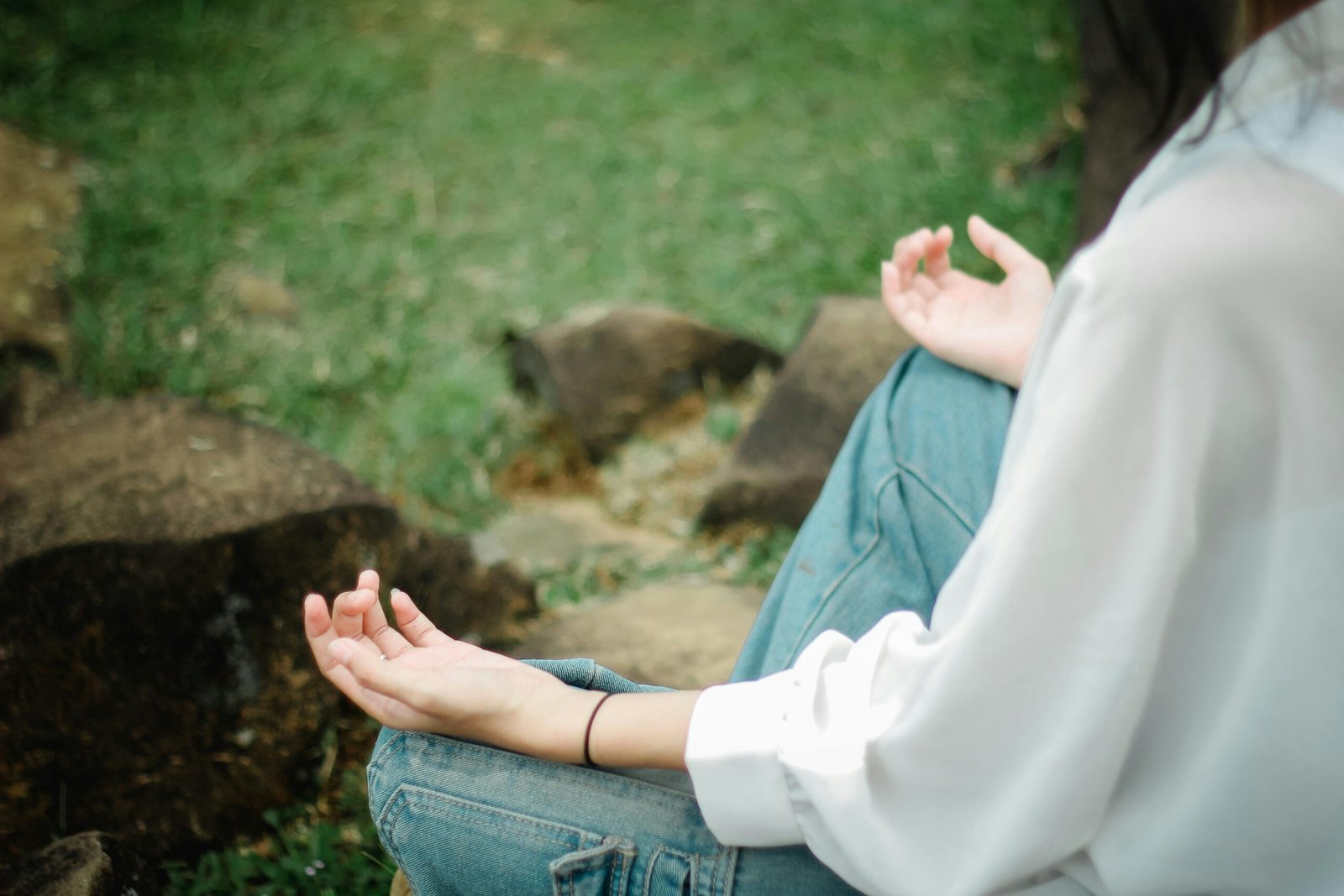
Two Paths, One Destination: Understanding Mindfulness and Meditation
Mindfulness and meditation are among the most searched wellness terms of 2026 — yet most people use them interchangeably, missing out on the unique power each one holds. If you’ve ever wondered whether you’re “doing it right” or felt confused about where one ends and the other begins, you’re in excellent company. These two practices are deeply connected but meaningfully different, and understanding that difference could transform the way you approach your mental wellbeing.
Think of it this way: meditation is something you do, while mindfulness is something you cultivate. One is a formal practice you carve time out for; the other is a quality of awareness you carry throughout your day. Both are evidence-backed tools for reducing stress, improving emotional regulation, and supporting long-term mental health — but they work in distinct ways and suit different moments in life.
Whether you’re a curious beginner, a seasoned practitioner, or someone who’s tried apps and guided sessions without quite knowing what you were practicing, this guide will give you the clarity you’ve been looking for.
What Mindfulness Actually Means (Beyond the Buzzword)
Mindfulness has become something of a cultural shorthand — slapped on everything from cereal packaging to corporate wellness programs. But at its core, mindfulness is a specific mental capacity: the ability to pay deliberate, non-judgmental attention to the present moment. It’s about noticing what’s happening right now — in your body, your thoughts, your surroundings — without immediately reacting to it.
The concept has ancient roots in Buddhist philosophy, but the modern, secular understanding of mindfulness owes much to Dr. Jon Kabat-Zinn, who developed Mindfulness-Based Stress Reduction (MBSR) at the University of Massachusetts in 1979. His definition remains the gold standard: “Mindfulness is awareness that arises through paying attention, on purpose, in the present moment, non-judgmentally.”
Mindfulness as a Way of Living
What makes mindfulness distinct is that it doesn’t require a cushion, a quiet room, or a dedicated time slot. You can practice mindfulness while washing dishes, commuting to work, having a conversation, or eating lunch. The practice is in the quality of attention you bring — noticing the sensation of warm water on your hands, the rhythm of your breathing, or the texture of your food rather than running on autopilot.
A 2024 meta-analysis published in JAMA Internal Medicine found that mindfulness-based interventions significantly reduced symptoms of anxiety, depression, and pain, with effects comparable to antidepressant medications in moderate cases. This isn’t a trivial finding — it underscores that cultivating present-moment awareness, even informally, carries real clinical weight.
Informal vs. Formal Mindfulness
Mindfulness can be practiced in two ways:
- Informal mindfulness: Bringing conscious awareness to everyday activities — eating, walking, listening, breathing — without changing what you’re doing, only how you’re doing it.
- Formal mindfulness: Deliberately setting aside time to practice mindfulness exercises, which often overlaps with meditation (more on that shortly).
This dual nature is one of mindfulness’s greatest strengths. It’s accessible to virtually everyone, regardless of schedule, ability, or experience level.
What Meditation Actually Is — And the Many Forms It Takes
If mindfulness is a quality of awareness, meditation is the gym where you train it. Meditation refers to a structured set of mental exercises — typically practiced for a defined period, often in a dedicated posture — designed to train attention, cultivate calm, or develop specific mental qualities like compassion or focus.
Meditation is thousands of years old, appearing across Hindu, Buddhist, Taoist, Jewish, Christian, and Islamic traditions in various forms. Today, scientific research has validated many of its benefits, and global participation has surged. According to a 2025 report by the Global Wellness Institute, over 500 million people worldwide engage in some form of regular meditation practice, a figure that has more than doubled since 2018.
The Main Types of Meditation
Understanding the different meditation styles helps clarify what you’re choosing when you sit down to practice:
- Focused Attention Meditation (Samatha): Concentrating on a single object — typically the breath, a mantra, or a candle flame. When the mind wanders, you gently return your attention. This is the most common beginner practice.
- Open Monitoring Meditation: Rather than focusing on one thing, you observe all thoughts, feelings, and sensations as they arise without attachment. This style is closely aligned with mindfulness meditation.
- Loving-Kindness Meditation (Metta): A practice of cultivating compassion and goodwill — first for yourself, then expanding outward to others. Research from the University of North Carolina found that just seven weeks of loving-kindness meditation significantly increased positive emotions and feelings of social connectedness.
- Body Scan Meditation: Systematically directing attention through different parts of the body to release tension and cultivate body awareness. Commonly used in MBSR programs and for sleep support.
- Transcendental Meditation (TM): A technique involving the silent repetition of a personally assigned mantra, practiced twice daily for 20 minutes. TM is one of the most researched meditation styles, with studies showing cardiovascular benefits including reduced blood pressure.
- Visualization Meditation: Using mental imagery — peaceful landscapes, light, or positive scenarios — to guide the mind toward calm or specific emotional states.
Does Meditation Always Involve Mindfulness?
Not always — and this is a key nuance. Mindfulness meditation (open monitoring) is one type of meditation, but not all meditation is mindfulness-based. TM, for instance, uses focused mantra repetition and doesn’t emphasize non-judgmental present-moment awareness in the same way. Visualization practices actively engage the imagination rather than simply observing what’s present. So while mindfulness and meditation frequently intersect, they aren’t the same thing.
The Difference Between Mindfulness and Meditation: Laid Out Clearly
Let’s put it plainly. The difference between mindfulness and meditation isn’t about which one is better — it’s about what each one is.
- Mindfulness is a mental quality — an attitude of open, present, non-judgmental awareness. It can exist with or without formal practice.
- Meditation is a practice — a deliberate mental exercise with a beginning and an end, typically done in a specific setting or posture.
Here’s a helpful analogy: fitness is a quality (being physically capable and healthy), while going to the gym is a practice. You can develop fitness through structured gym sessions, but you can also build it through walking everywhere, taking the stairs, and staying active throughout your day. Meditation is the gym; mindfulness is the fitness you’re building — and expressing — every waking hour.
How They Complement Each Other
This is where the magic happens. Regular meditation practice deepens your capacity for mindfulness — it literally rewires your brain. A landmark study from Harvard found that eight weeks of mindfulness-based meditation increased gray matter density in the hippocampus (associated with learning and memory) and reduced gray matter in the amygdala (the brain’s stress-response center). The formal practice creates neurological changes that make informal, everyday mindfulness more natural and accessible.
Conversely, bringing mindfulness into daily life keeps your practice alive between meditation sessions. You’re not just meditating for 20 minutes and then living the other 23 hours and 40 minutes on autopilot. The two reinforce each other in a beautiful cycle.
Which One Should You Start With?
If you’re brand new to both, mindfulness is often the gentler entry point. You don’t need any equipment, and you can begin immediately — right now, by taking three slow, conscious breaths and noticing how they feel. No app required. Once you’ve experienced moments of present-moment awareness, formal meditation gives you a structured container in which to deepen and expand that capacity.
That said, many people find that starting with a guided meditation app (Headspace, Calm, Insight Timer, and Smiling Mind are all popular in 2026) provides enough structure to make the abstract concept feel concrete and doable. Both pathways are valid.
Practical Ways to Weave Both Into Your Life
Knowing the difference between mindfulness and meditation is useful — but putting them both into practice is where real change happens. Here’s how to do both, realistically, in a modern life that’s already full.
Building a Meditation Habit
- Start small and be consistent. Even five minutes of daily meditation builds more benefit over time than a 45-minute session once a week. Research consistently shows that frequency matters more than duration, especially for beginners.
- Choose a regular time. Morning meditation (before the day’s demands flood in) and evening meditation (as a wind-down ritual) are both popular and effective. Attach it to an existing habit — right after your morning coffee, or just before brushing your teeth at night.
- Set your environment. Comfort matters. A quiet corner, a chair or cushion you associate with your practice, and minimal distractions help your brain transition into a meditative state more easily over time.
- Use guidance when you need it. There is absolutely no shame in using a guided meditation — even experienced meditators use them. They’re particularly helpful for trying new styles or maintaining focus on difficult days.
- Treat wandering thoughts as part of the practice, not failure. The moment you notice your mind has wandered and bring it back — that’s the rep. That’s where the neurological strengthening happens.
Practicing Mindfulness Throughout the Day
- The STOP technique: Stop what you’re doing. Take a breath. Observe your thoughts, feelings, and sensations. Proceed with awareness. This 30-second reset can be used anywhere, anytime.
- Mindful eating: Put your phone down at mealtimes. Eat slowly, notice flavours, textures, and hunger cues. This simple habit has been linked to improved digestion and reduced emotional eating.
- Single-tasking: Choose one task and give it your full attention. Our brains aren’t designed to multitask effectively — single-tasking is a direct act of mindfulness.
- Mindful listening: In your next conversation, resist the urge to plan your response while the other person is speaking. Just listen. Fully. This strengthens relationships and deepens presence simultaneously.
- Nature as practice: A short walk outside — without headphones, with attention directed toward what you can see, hear, and feel — is a powerful mindfulness exercise that also boosts mood via natural light and light movement.
Mental Health Benefits: What the Research Says in 2026
Both mindfulness and meditation have now accumulated decades of rigorous research behind them, and the findings continue to grow more compelling. Here’s a snapshot of where the evidence stands:
Stress reduction: MBSR programs consistently produce 30–40% reductions in perceived stress scores in clinical trials. A 2025 review in Psychological Medicine confirmed these effects hold across diverse populations including healthcare workers, students, and people managing chronic illness.
Anxiety and depression: Mindfulness-Based Cognitive Therapy (MBCT) is now recommended by the UK’s National Institute for Health and Care Excellence (NICE) as a first-line treatment for recurrent depression — a significant shift in mainstream clinical guidelines. In Australia and New Zealand, MBCT is increasingly integrated into publicly funded mental health services.
Sleep: A 2025 study in Sleep Medicine Reviews found that mindfulness-based interventions significantly improved sleep quality, reduced insomnia severity, and decreased nighttime rumination — one of the most common barriers to restorative sleep.
Physical health: Beyond mental wellbeing, regular meditation has been associated with reduced blood pressure, improved immune function, and lower levels of the stress hormone cortisol. The mind-body connection isn’t metaphorical — it’s measurable.
It’s worth noting that while these practices are powerful tools, they work best as part of a holistic approach to mental wellness. If you’re navigating significant mental health challenges, please speak with a qualified healthcare professional who can guide your care appropriately.
Frequently Asked Questions
Can you be mindful without meditating?
Absolutely, yes. Mindfulness is a quality of attention that you can bring to any moment — washing dishes, listening to a friend, or walking to the bus stop. Meditation is one of the most effective ways to train and deepen that quality, but it isn’t a prerequisite. Many people develop genuine present-moment awareness through practices like yoga, journaling, breathwork, or even time in nature, without ever sitting in formal meditation.
Is meditation religious?
Meditation has roots in many religious and spiritual traditions, including Buddhism, Hinduism, Christianity, and Islam. However, the evidence-based forms practiced widely today — particularly MBSR, MBCT, and mindfulness meditation — are entirely secular. They focus on mental training and wellbeing without any religious content. You can meditate meaningfully regardless of your faith, spiritual background, or lack thereof.
How long does it take to see benefits from meditation?
Some benefits, like reduced acute stress and improved mood, can be felt after a single session. More lasting structural changes — like the brain changes documented in Harvard’s research — typically emerge after six to eight weeks of consistent daily practice. The key word is consistent: short, regular sessions outperform long, sporadic ones when it comes to building durable benefits.
What’s the difference between mindfulness meditation and other types of meditation?
Mindfulness meditation specifically involves cultivating non-judgmental awareness of the present moment — observing thoughts, feelings, and sensations as they arise without trying to change them. Other forms of meditation, like Transcendental Meditation (which uses mantras) or visualization practices (which use mental imagery), have different mechanisms and goals. Mindfulness meditation is one of the most extensively researched styles and is the foundation of most clinical programs like MBSR and MBCT.
Can children practice mindfulness or meditation?
Yes, and the evidence supports it enthusiastically. A growing body of research shows that age-appropriate mindfulness practices improve attention, emotional regulation, and resilience in children from as young as four or five years old. Schools across the USA, UK, Australia, Canada, and New Zealand are increasingly incorporating mindfulness programs into curricula. For children, practices are typically shorter (even just two to three minutes), more playful, and often involve movement or sensory exploration.
Is it normal to feel more anxious when I start meditating?
For some people, yes — and it’s worth acknowledging. When you slow down and turn attention inward, you may become more aware of thoughts and feelings that were previously drowned out by busyness. This can feel uncomfortable, especially if you’re dealing with unprocessed stress or anxiety. This is usually temporary and tends to ease as practice becomes more familiar. However, if meditation consistently triggers distressing experiences, it’s worth speaking with a mental health professional who can help you find an approach that feels safe and supportive for your specific needs.
Do I need an app or special equipment to meditate?
No equipment is necessary. A comfortable seated position and a few minutes of quiet are genuinely sufficient to begin. That said, apps like Insight Timer (which has an extensive free library), Headspace, Calm, and Smiling Mind can be tremendously helpful for beginners who want structure and guidance. In 2026, AI-guided meditation tools have also become more sophisticated, offering personalized session recommendations based on mood and stress levels — but the simple, unaided breath remains just as powerful as it’s always been.
Understanding the difference between mindfulness and meditation isn’t just an intellectual exercise — it’s an invitation. An invitation to recognize that you already have the capacity for both within you, right now, in this moment. Meditation gives you a dedicated space to strengthen your mind, while mindfulness invites you to show up more fully to every moment of your life. Together, they form one of the most accessible, evidence-backed foundations for lasting mental wellbeing available to us. Start wherever you are. Even one mindful breath is a beginning — and beginnings, however small, have a remarkable way of changing everything.
Ready to explore your own practice? Whether you’re drawn to a five-minute guided meditation before bed or simply committing to three conscious breaths before each meal, The Calm Harbour is here to support your journey every step of the way. Browse our guided resources, explore our evidence-based wellness guides, and remember: there’s no perfect way to begin — only the brave, beautiful decision to start.
This article is for informational purposes only and is not a substitute for professional medical advice. If you are experiencing significant mental health challenges, please consult a qualified healthcare professional.
Leave a Reply