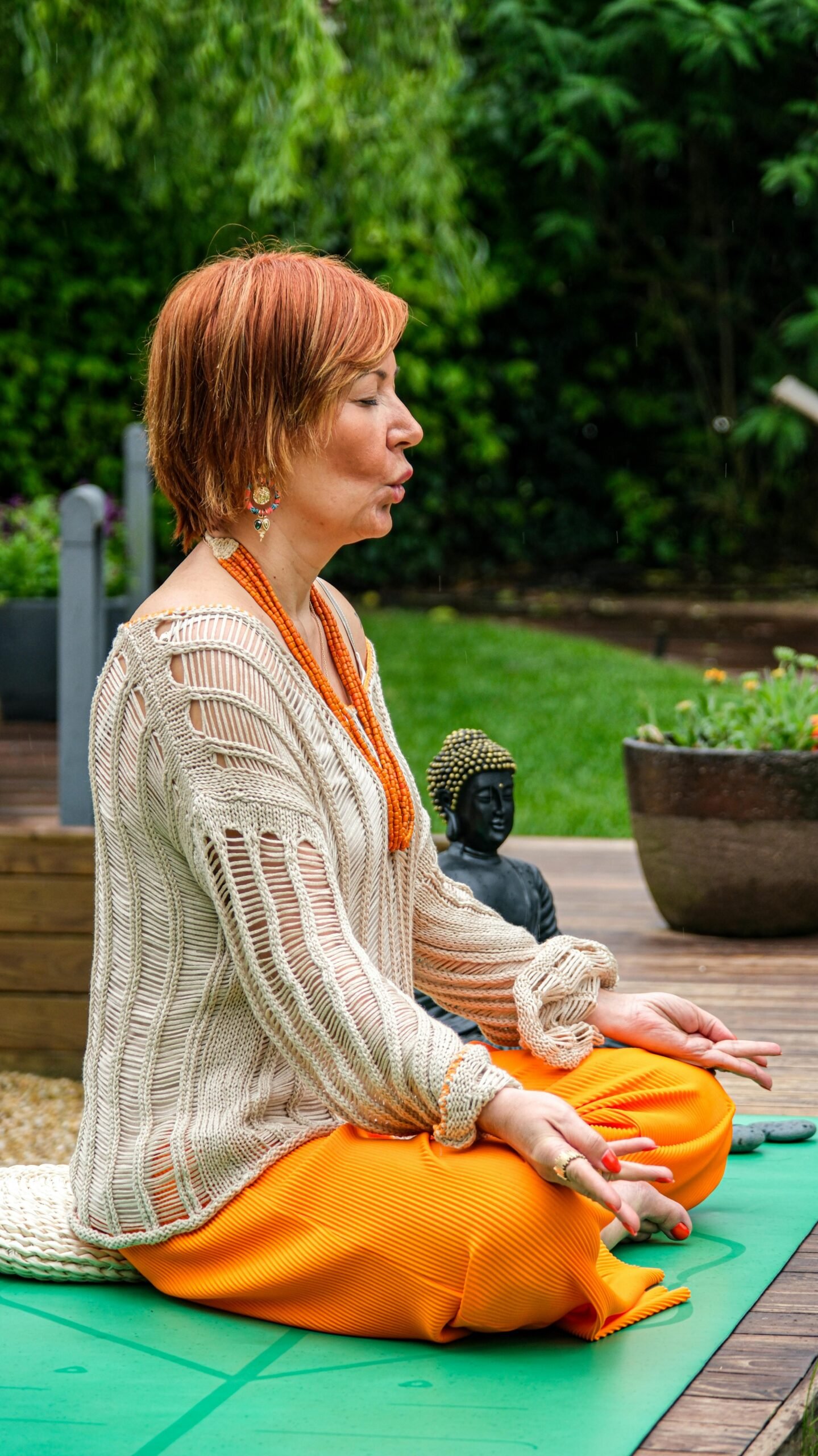
Why Your Breath Is the Fastest Gateway to Calm
When anxiety hits, your breath is the one tool you always have with you — and science confirms that specific breathing techniques to calm anxiety can shift your nervous system from panic to peace in under two minutes. Whether you’re dealing with a sudden wave of stress before a big meeting, lying awake at 3am with racing thoughts, or managing a diagnosed anxiety disorder, the way you breathe has a direct, measurable impact on your mental state. This isn’t wishful thinking — it’s physiology, and once you understand it, you’ll never feel powerless in an anxious moment again.
Anxiety affects roughly 284 million people worldwide, making it the most common mental health condition on the planet. In 2026, with the continued pressures of economic uncertainty, digital overload, and the lingering aftermath of global health disruptions, rates of anxiety in the USA, UK, Canada, Australia, and New Zealand remain at near-historic highs. Yet one of the most effective tools for managing it costs nothing, requires no prescription, and fits in your pocket. Your breath is always available — it just needs to be used intentionally.
This guide walks you through the most effective, evidence-backed breathing methods available today, explains exactly why they work, and gives you the practical steps to use them the moment anxiety strikes.
The Science Behind Breathing and Anxiety Relief
To understand why controlled breathing works so powerfully, you need to meet your vagus nerve. This remarkable nerve runs from your brainstem down through your chest and abdomen, acting as the superhighway of your parasympathetic nervous system — the system responsible for rest, digestion, and calm. When you’re anxious, your sympathetic nervous system takes over, flooding your body with cortisol and adrenaline, speeding up your heart rate, and tightening your chest. Slow, deliberate breathing activates the vagus nerve and essentially hits the brakes on this stress response.
A landmark 2023 study published in Cell Reports Medicine found that cyclic sighing — a specific form of controlled breathing — outperformed mindfulness meditation in reducing anxiety and improving mood when practiced for just five minutes daily. Participants reported significantly lower anxiety scores and better sleep quality within two weeks. This research was groundbreaking because it directly compared breathing exercises to established mindfulness practices and found breathwork to be faster-acting.
Additionally, research from Stanford University demonstrated that slow breathing at approximately five to six breaths per minute increases heart rate variability (HRV) — a key marker of nervous system flexibility and resilience. Higher HRV is consistently associated with lower anxiety, better emotional regulation, and improved cardiovascular health. When you slow your breath intentionally, you’re not just feeling calmer — you’re physically retraining your nervous system toward balance.
The Breath-Brain Connection
Your breathing is unique among bodily functions because it operates both automatically and voluntarily. This dual nature means it’s one of the few direct bridges between your conscious mind and your autonomic nervous system. When anxiety triggers rapid, shallow chest breathing, the body interprets this as a signal of ongoing danger, keeping the stress response active. By consciously switching to slow, deep, diaphragmatic breathing, you send a powerful counter-signal: the danger has passed, it is safe to relax. Your brain listens — and responds accordingly.
The Most Effective Breathing Techniques to Calm Anxiety
Not all breathing exercises work the same way or suit every person equally. Below are the most research-supported methods, with clear instructions so you can try each one right now.
1. Box Breathing (4-4-4-4)
Box breathing — also called square breathing — is a favourite among Navy SEALs, elite athletes, and therapists alike because it works fast and is easy to remember under pressure. The equal-interval structure gives your mind a simple task to focus on, breaking the cycle of anxious thought while simultaneously activating your parasympathetic nervous system.
- Breathe in slowly through your nose for 4 counts
- Hold your breath for 4 counts
- Exhale slowly through your mouth for 4 counts
- Hold at the bottom for 4 counts
- Repeat for 4 to 6 cycles
This technique is particularly effective before high-stakes situations — job interviews, difficult conversations, medical appointments — because it quickly sharpens focus while reducing physical tension. If four counts feels too short, extend to five or six counts per side as your capacity grows.
2. The 4-7-8 Breathing Technique
Developed and popularised by Dr. Andrew Weil, the 4-7-8 method is often described as a “natural tranquiliser for the nervous system.” The extended exhale is the key mechanism — longer exhalations activate the vagus nerve more strongly than inhalations, triggering a deeper parasympathetic response. Many people find this technique especially useful for nighttime anxiety and difficulty falling asleep.
- Place the tip of your tongue behind your upper front teeth
- Exhale completely through your mouth, making a whoosh sound
- Close your mouth and inhale through your nose for 4 counts
- Hold your breath for 7 counts
- Exhale completely through your mouth for 8 counts
- Repeat for 4 cycles initially, building to 8 over time
A word of caution: if you feel lightheaded during the hold phase, reduce the counts proportionally (e.g., 2-3.5-4) and build up gradually. Lightheadedness is common for beginners and passes as your body adapts.
3. Cyclic Sighing (Physiological Sigh)
This is the technique that outperformed meditation in the 2023 Cell Reports Medicine study — and once you understand the mechanics, it makes perfect sense. A physiological sigh involves two consecutive inhalations through the nose followed by a long, slow exhale. The double inhale fully inflates the tiny air sacs in your lungs (called alveoli) that may have partially collapsed during shallow anxious breathing, rapidly restoring oxygen-carbon dioxide balance in your bloodstream.
- Take a full inhale through your nose
- At the top of that inhale, take a second short sniff through the nose to fully expand your lungs
- Exhale slowly and completely through your mouth — make it as long as possible
- Repeat 5 to 10 times
This technique is remarkably effective because it mimics your body’s own spontaneous stress-relief mechanism — you’ve probably noticed you do this naturally after crying or intense concentration. Using it deliberately amplifies that built-in reset function.
4. Diaphragmatic (Belly) Breathing
Diaphragmatic breathing is the foundation upon which many other techniques are built. Most anxious people breathe primarily from the chest, which keeps the body in a subtle state of alert. Belly breathing shifts the work downward into the diaphragm, which directly stimulates the vagus nerve and produces a sustained calming effect. It’s ideal as a daily practice rather than just an acute anxiety tool.
- Sit comfortably or lie on your back
- Place one hand on your chest, one on your belly
- Inhale through your nose for 4 counts — your belly should rise, chest stays still
- Exhale through pursed lips for 6 counts — feel your belly fall
- Practice for 5 to 10 minutes daily
A 2024 review in Frontiers in Psychology confirmed that consistent diaphragmatic breathing practice over four weeks produced significant reductions in self-reported anxiety, cortisol levels, and blood pressure across multiple studies and populations.
5. Alternate Nostril Breathing (Nadi Shodhana)
Rooted in yogic tradition and increasingly validated by neuroscience, alternate nostril breathing balances activity between the left and right hemispheres of the brain, producing a calming yet alert state of mind. A 2021 study in the Indian Journal of Physiology and Pharmacology found it significantly reduced both anxiety scores and sympathetic nervous system activity in stressed participants.
- Sit comfortably with your spine tall
- Use your right hand: rest your index and middle fingers between your eyebrows, thumb over your right nostril, ring finger over your left
- Close your right nostril with your thumb, inhale through the left for 4 counts
- Close both nostrils briefly, then release the right nostril and exhale for 4 counts
- Inhale through the right nostril for 4 counts
- Close both, then exhale through the left
- This completes one cycle — repeat 5 to 10 times
Building a Breathing Practice That Actually Sticks
Knowing these techniques is one thing — actually using them when anxiety strikes is another. The gap between knowledge and action in moments of distress is real, and it’s why practice matters so much. The more you rehearse breathing techniques in calm moments, the more automatically they become available when you need them most.
Habit Stacking for Daily Practice
The most effective way to build a breathwork habit is to attach it to something you already do reliably every day. This approach, known as habit stacking, anchors new behaviours to existing ones, dramatically improving consistency. Consider pairing a five-minute breathing practice with your morning coffee, your lunchtime break, or the moment you get into your car. Over time, these touchpoints become natural moments of nervous system regulation rather than emergency interventions.
Creating Your Anxiety First-Aid Plan
It helps to decide in advance which technique you’ll reach for when anxiety strikes — rather than trying to remember your options in a moment of panic. Many people find box breathing or cyclic sighing most accessible under acute stress because they’re simple and fast. Write your chosen technique on a phone note, a sticky note in your workspace, or the back of your hand if needed. Preparation is a form of self-compassion.
Combining Breathwork with Other Grounding Tools
Breathing techniques to calm anxiety work even more powerfully when combined with simple grounding practices. The 5-4-3-2-1 sensory technique (naming five things you can see, four you can hear, etc.) pairs beautifully with a few rounds of box breathing. Progressive muscle relaxation — systematically tensing and releasing muscle groups — combined with diaphragmatic breathing can help release physical tension that breathing alone might not fully address. These combinations create a layered approach to anxiety relief that addresses both the mental and physical components simultaneously.
Common Mistakes That Reduce Effectiveness
Even well-intentioned breathing practice can miss the mark if some common errors go unaddressed. Being aware of these pitfalls will help you get the most from your practice from day one.
- Breathing too fast: Rushing through counts defeats the purpose. Slower is always better — aim for a breathing rate of 5 to 6 breaths per minute during practice.
- Chest breathing instead of belly breathing: If your shoulders rise when you inhale, you’re chest breathing. Consciously direct the breath lower, into your abdomen.
- Only practising during crisis: Using breathwork only when already overwhelmed is like only training for a marathon during the race. Daily practice in calm moments is what builds real resilience.
- Giving up too quickly: Some people feel more anxious briefly when they first start slow breathing — this is normal and passes. Persist for at least 10 full breaths before judging whether it’s working.
- Ignoring posture: Slouching compresses the diaphragm and limits breath depth. Sit tall or lie flat to allow full breathing capacity.
When to Seek Additional Support
Breathing exercises are a powerful self-help tool, but they work best as part of a broader approach to mental wellness. If you find that anxiety is significantly interfering with your daily life, relationships, or work — or if breathwork alone isn’t providing adequate relief — it’s a sign to reach out for professional support. Cognitive Behavioural Therapy (CBT) has a strong evidence base for anxiety disorders and pairs exceptionally well with breathwork as a complementary practice. Acceptance and Commitment Therapy (ACT) and mindfulness-based cognitive therapy (MBCT) are also highly effective options widely available across the USA, UK, Canada, Australia, and New Zealand.
In 2026, telehealth mental health services have made accessing qualified therapists and psychologists easier and more affordable than ever. Many platforms now offer same-week appointments, sliding scale fees, and text-based therapy for those who find voice or video sessions difficult. You don’t have to white-knuckle your way through anxiety alone — skilled, compassionate help is genuinely accessible.
This article is for informational purposes only and is not a substitute for professional medical advice. If you are experiencing severe anxiety, panic attacks, or any mental health crisis, please consult a qualified healthcare professional.
Frequently Asked Questions
How quickly do breathing techniques actually calm anxiety?
Many people notice a meaningful reduction in anxiety within 2 to 5 minutes of beginning a controlled breathing practice. Techniques like cyclic sighing and box breathing can begin shifting your nervous system response almost immediately, though the full calming effect often deepens over 5 to 10 minutes. The more regularly you practice, the faster and more pronounced the effect becomes — your nervous system becomes better trained to respond to the breath cue.
Can breathing exercises stop a full panic attack?
Yes, they can — though during a full panic attack it may take more effort to slow your breath because the body’s alarm system is in full activation. The cyclic sigh (physiological sigh) tends to be most accessible during a panic attack because it mimics what your body naturally wants to do. Starting with just one long exhale — even without a controlled inhale — can begin to bring the system down. If panic attacks are frequent or severe, working with a therapist to develop a comprehensive management plan is strongly recommended alongside breathwork.
Is there a best time of day to practise breathing exercises for anxiety?
There’s no single “best” time — the best time is whatever you’ll actually do consistently. That said, morning practice sets a calmer neurological tone for the entire day, while evening practice can reduce the cortisol spike that often interferes with sleep. If you experience anxiety most acutely at specific times (such as before work or in social situations), practising immediately before those windows gives you the most targeted benefit.
Are breathing techniques safe for everyone?
Most breathing techniques are safe for the vast majority of people. However, individuals with certain respiratory conditions (such as severe COPD or asthma), cardiovascular conditions, or those who are pregnant should consult a doctor before beginning any new breathwork practice, particularly techniques involving breath holds. If you feel faint, excessively dizzy, or experience chest pain during any breathing exercise, stop immediately and seek medical advice.
How is breathwork different from just taking a few deep breaths?
Taking a few casual deep breaths is a good instinct, but structured breathwork is considerably more powerful because of the precise ratios involved — particularly the extended exhale. Simply breathing “deeply” without attention to rate and rhythm can sometimes lead to hyperventilation if done too quickly. Structured techniques like 4-7-8 or box breathing use specific counts that keep your breath slow enough to activate the parasympathetic nervous system fully and maintain the correct oxygen-carbon dioxide balance in your blood.
Can children and teenagers use these breathing techniques?
Absolutely — and research strongly supports early breathwork education. Box breathing is widely used in school counselling programmes across the UK, USA, Australia, and Canada. For younger children, simplified versions work well: for example, “smell the flowers” (slow inhale) and “blow out the candles” (long exhale). Teenagers can follow adult instructions for most techniques. Teaching children these skills early builds lifelong emotional regulation capacity that research links to better mental health outcomes in adulthood.
Do I need to meditate to benefit from breathing exercises?
Not at all. Breathwork and meditation are complementary but entirely independent practices. The 2023 Cell Reports Medicine study specifically found that structured breathing exercises produced faster anxiety reduction than mindfulness meditation in many participants. While meditation offers its own valuable benefits, you can experience significant anxiety relief from breathing techniques alone — no sitting still, clearing your mind, or meditation experience required.
Your Next Breath Could Change Everything
Anxiety can make you feel like the situation is out of your control — but your breath is always within it. Every single one of the techniques in this guide is available to you right now, exactly as you are, wherever you happen to be reading this. You don’t need equipment, training, or perfect conditions. You just need to begin. Start with one technique today — perhaps a single round of cyclic sighing or two minutes of box breathing — and notice how your body responds. Small, consistent steps with your breath can create profound shifts in your anxiety levels over days and weeks. You are more capable of influencing your own nervous system than you may have ever been told, and that knowledge is genuinely powerful. Be patient with yourself, keep practising, and know that every calm breath is an act of self-care that ripples outward into every area of your life. You’ve got this.
Leave a Reply