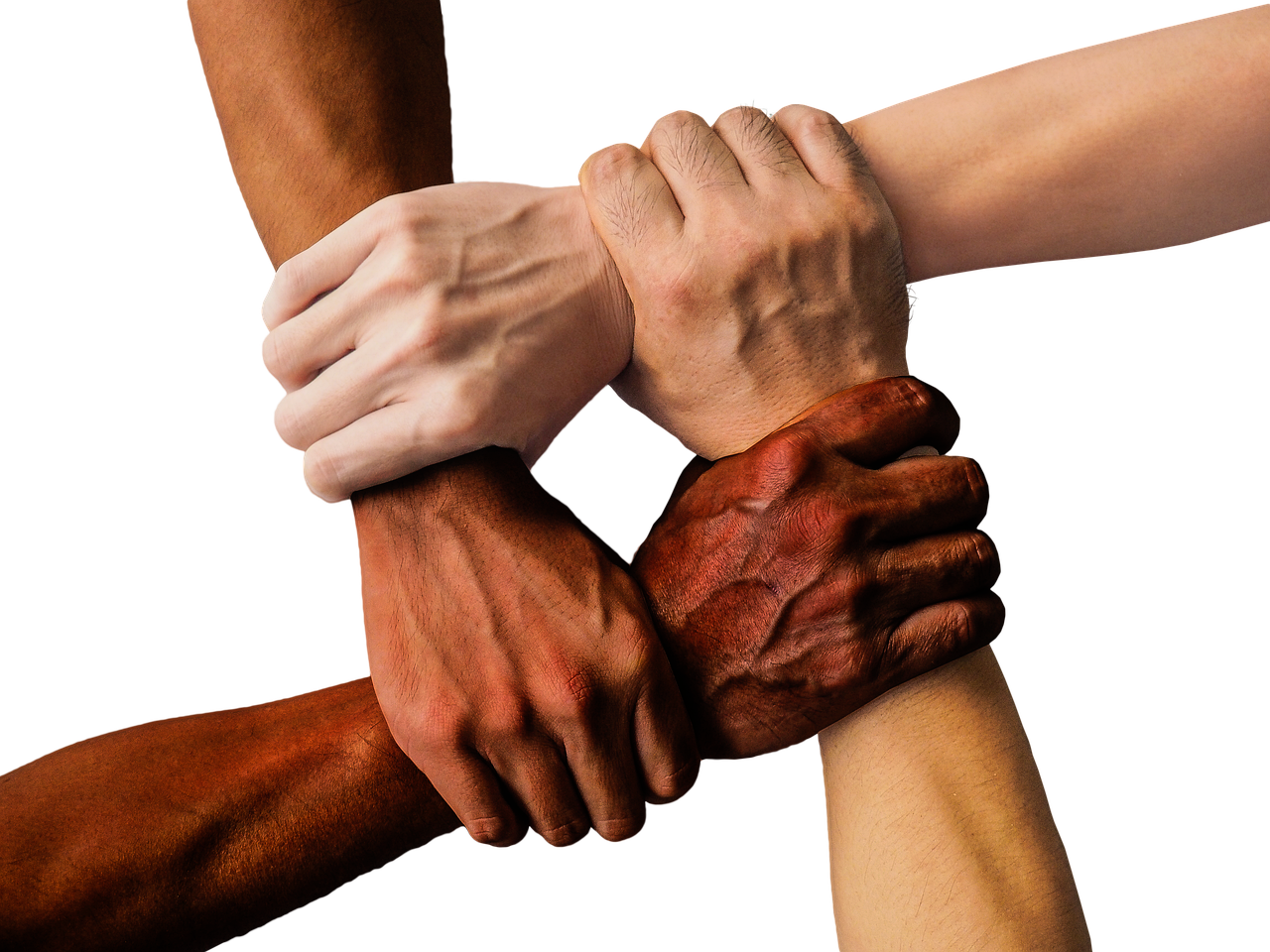
Why Human Connection Is the Heart of Healing
Trauma doesn’t heal in isolation — and the science of recovery confirms what many survivors already know instinctively: the people around us can be as powerful as any therapy or medication. The role of support networks in trauma recovery has emerged as one of the most researched and validated areas of mental health science, offering genuine hope to the millions navigating life after deeply painful experiences. Whether you’ve experienced a single devastating event or years of chronic stress, who stands beside you through recovery matters profoundly. This article explores exactly why that is, and how to build the connections that truly help.
Trauma is more common than most people realize. According to the 2026 Global Burden of Disease Mental Health Report, approximately 70% of adults worldwide have experienced at least one traumatic event in their lifetime, with post-traumatic stress disorder (PTSD) affecting an estimated 20% of those individuals. In English-speaking countries like the USA, UK, Canada, Australia, and New Zealand, rates of complex trauma — repeated or prolonged exposure to distressing events — are also rising, particularly among women, veterans, and marginalized communities. Understanding what supports healing isn’t just important; it’s urgent.
What the Science Says About Connection and Healing
The relationship between social connection and trauma recovery is not a feel-good theory — it is grounded in neuroscience, psychology, and decades of clinical research. When we experience trauma, the brain’s threat-detection system (the amygdala) goes into overdrive, often staying in a state of heightened alert long after the danger has passed. Meaningful human connection helps regulate this response. Trusted relationships activate the ventral vagal complex — part of the autonomic nervous system — which helps shift us from survival mode into a state of safety and openness.
The Polyvagal Perspective
Dr. Stephen Porges’ Polyvagal Theory, now widely applied in trauma-informed therapy, explains that the human nervous system is biologically wired to co-regulate with other people. In simple terms, being in the presence of calm, safe, attuned people literally helps our own nervous system settle. This is why a hug from someone you trust, a gentle voice, or even a shared moment of laughter can interrupt the cycle of hypervigilance that trauma creates. Support networks, then, aren’t just emotionally comforting — they are neurologically therapeutic.
Research-Backed Benefits
A landmark 2024 meta-analysis published in Psychological Medicine reviewed 87 studies involving over 48,000 trauma survivors and found that strong social support was associated with a 40% reduction in PTSD symptom severity compared to those with low social support. Additionally, research from the University of Auckland published in early 2026 found that trauma survivors with three or more close supportive relationships were significantly more likely to achieve what researchers called “post-traumatic growth” — not just recovering from trauma, but finding new meaning, strength, and purpose through the experience. These findings underscore something critical: support networks in trauma recovery aren’t a supplement to healing; they are often central to it.
The Different Layers of a Healing Support Network
Not all support looks the same, and a truly effective support network tends to operate on multiple levels. Understanding these layers helps you identify where you might already have strong connections, and where you might benefit from building new ones.
Inner Circle: Close Personal Relationships
Your inner circle typically includes a handful of people — perhaps a partner, close friend, sibling, or parent — with whom you share deep trust and emotional safety. These relationships are the bedrock of trauma recovery. They provide what psychologists call “secure attachment” — a felt sense that you are not alone, that someone will show up for you, and that your experiences are witnessed and validated. For many trauma survivors, especially those whose trauma occurred within relationships (such as abuse or betrayal), rebuilding this inner circle can itself be part of the healing journey.
Importantly, quality matters far more than quantity here. One or two genuinely safe, empathetic people in your corner can be more powerful than a dozen acquaintances offering surface-level sympathy.
Middle Circle: Community and Peer Support
Beyond your closest relationships lies a broader community — support groups, peer recovery programs, faith communities, neighborhood connections, or online communities centered on shared experience. This layer plays a unique role: it normalizes your experience. Hearing another survivor say “I felt exactly that way” can dissolve shame faster than almost anything else. Peer support has grown significantly in formal healthcare settings across Australia, Canada, the UK, and the USA, with trained peer support specialists now embedded in many mental health services.
Support groups — whether for PTSD, grief, addiction recovery, or domestic abuse — offer structured, consistent connection with people who truly understand. Research from 2025 conducted through the UK’s NHS Mental Health Improvement Initiative found that trauma survivors who participated in peer support groups reported a 33% improvement in feelings of belonging and a significant reduction in self-reported isolation within just eight weeks.
Outer Circle: Professional and Institutional Support
The outer circle of a support network includes mental health professionals, healthcare providers, community organizations, and crisis services. Therapists trained in trauma-specific modalities — such as EMDR (Eye Movement Desensitization and Reprocessing), trauma-focused CBT, or somatic therapies — provide structured, expert-guided pathways through traumatic material. This professional layer should be seen not as a replacement for personal connection, but as a vital complement to it.
In 2026, telehealth has dramatically expanded access to professional trauma support, particularly for those in rural or remote areas of Canada, Australia, and New Zealand. If geographic or financial barriers have previously kept you from professional help, it’s worth exploring what digital and community-funded options are now available in your region.
Practical Ways to Build and Strengthen Your Support Network
Understanding the importance of connection is one thing — actively building it is another, especially when trauma often makes reaching out feel impossible. Here are evidence-based, actionable steps to help you cultivate the network that will support your healing.
Start Small and Be Honest
You don’t need to share everything with everyone all at once. Begin by identifying one or two people in your life who have previously made you feel safe and reaching out in a low-pressure way. A simple text saying “I’ve been going through a hard time and I’d love to catch up” is enough. Being honest — even selectively — creates opportunities for real connection. Many people want to support their loved ones but simply don’t know help is needed.
Join a Structured Group
- Look for local or online support groups specific to your type of trauma. Organizations like NAMI (USA), Mind (UK), SANE (Australia), and the Canadian Mental Health Association all maintain directories of peer support programs.
- Consider group therapy, which combines the therapeutic expertise of a clinician with the normalizing power of shared experience.
- Explore community organizations — community centers, faith groups, volunteer programs, and cultural organizations can offer meaningful belonging without requiring disclosure of your trauma history.
Use Technology Thoughtfully
Digital communities can be genuine sources of support, particularly for those whose trauma involves stigmatized experiences or who live in areas with limited local resources. Forums, social media groups, and apps designed around mental wellness can reduce isolation. However, it’s worth being selective — seek communities that emphasize compassion, healthy boundaries, and professional guidance rather than those that may inadvertently reinforce rumination or distress.
Communicate Your Needs Clearly
One of the most practical skills in building effective support is learning to articulate what you actually need. Sometimes you need someone to listen without offering advice. Other times you need practical help — a meal, a ride, someone to sit with you. People in your life often want to help but guess incorrectly about what that looks like. A simple framing like “I don’t need you to fix anything, I just need you to hear me” can transform a conversation from frustrating to deeply healing.
Reciprocate When You’re Able
Healthy support networks are not one-directional. As you progress in your recovery, finding ways to be present for others — even in small ways — can deepen your sense of connection and purpose. Research consistently shows that acts of helping others, sometimes called “prosocial behavior,” are associated with improved psychological wellbeing and resilience in trauma survivors. This doesn’t mean overextending yourself; it simply means staying open to the mutual nature of genuine human connection.
When Support Feels Impossible: Navigating Barriers
For many trauma survivors, the idea of leaning on others feels terrifying rather than comforting. This is not weakness — it is often a direct consequence of the trauma itself, particularly when trust was broken by another person. Understanding common barriers can help you approach them with compassion rather than self-judgment.
Shame and the Fear of Burdening Others
Shame is one of trauma’s most persistent companions. It whispers that your experience is too much, too dark, or too complicated for others to handle — that reaching out will drive people away. Research from trauma therapist and author Dr. Janina Fisher consistently identifies shame as one of the primary obstacles to help-seeking among trauma survivors. Challenging this narrative, even gently, is part of the work. The people who love you generally want to know when you’re hurting.
When Past Relationships Were the Source of Trauma
For survivors of relational trauma — abuse, neglect, betrayal by caregivers or partners — trusting others again can feel both essential and impossible. This is precisely where professional therapeutic support becomes so important. A skilled trauma therapist creates a corrective relational experience: a relationship built on consistent safety, attunement, and respect, which can begin to repair what was broken and make it possible to slowly trust again.
Cultural and Identity-Based Barriers
In many cultural communities across the USA, UK, Canada, Australia, and New Zealand, there remain significant stigmas around discussing mental health or trauma. Gender norms, cultural expectations of strength or privacy, and historical distrust of healthcare systems (particularly among Indigenous communities and communities of color) can all make accessing support more complex. Seeking out culturally informed support — providers, groups, and communities that understand your specific cultural context — can make a profound difference.
Supporting Someone Else Through Trauma Recovery
If someone you love is navigating trauma, your role in their healing is both powerful and nuanced. Being an effective source of support doesn’t require having all the answers — it requires presence, patience, and a willingness to follow their lead.
- Listen more than you speak. Resist the urge to problem-solve or minimize. Phrases like “that sounds incredibly hard” or “I’m here with you” are more healing than reassurances like “it could have been worse.”
- Educate yourself. Understanding trauma responses — such as emotional numbness, irritability, withdrawal, or hypervigilance — helps you avoid taking them personally and respond with empathy rather than frustration.
- Respect their pace. Recovery is not linear. There will be setbacks, difficult days, and times when your loved one seems to be moving backward. Consistent, non-judgmental presence through these fluctuations is one of the most valuable gifts you can offer.
- Take care of yourself. Supporting a trauma survivor can be emotionally demanding. Ensure you have your own sources of support and, where needed, professional guidance. Secondary traumatic stress is real and deserves attention.
- Encourage professional help without pressure. You can share information about therapy or support groups, but ultimately the decision must be theirs. Gentle encouragement without ultimatums preserves trust and autonomy.
A 2026 study from the Black Dog Institute in Australia found that trauma survivors were 52% more likely to seek professional help when they felt their social support network was actively encouraging — rather than dismissive or avoidant — of that step. Your support, quite literally, can open the door to healing.
Frequently Asked Questions
What is the most important element of a support network in trauma recovery?
While every layer of a support network contributes, research consistently points to emotional safety as the foundational element. Having at least one relationship in which you feel genuinely safe, heard, and not judged creates the neurological and emotional conditions that make healing possible. Quality of connection matters far more than the number of people in your network.
Can online communities truly support trauma recovery?
Yes — with important caveats. Online communities can reduce isolation, normalize experiences, and provide accessible support, particularly for people in remote areas or those with stigmatized trauma histories. However, they work best as a complement to, rather than a replacement for, in-person connection and professional care. Look for moderated communities affiliated with reputable mental health organizations to ensure a safe and constructive environment.
How do I support a loved one with trauma without burning out?
Supporting someone through trauma is meaningful but can be emotionally taxing. Set clear, compassionate boundaries around what you can offer. Maintain your own social connections, hobbies, and if needed, seek your own counseling or join a caregiver support group. Remember that you cannot pour from an empty cup — protecting your own wellbeing makes you a more sustainable source of support for your loved one.
What if I don’t have anyone I trust enough to reach out to?
This is more common than you might think, and it is not a reflection of your worth. If your immediate social world doesn’t feel safe or sufficient, professional support is an excellent starting point — a therapist can provide consistent, boundaried connection while also helping you build the capacity for broader relationships. Crisis lines, peer support programs, and community mental health services in the USA, UK, Canada, Australia, and New Zealand are also accessible entry points. You don’t need to wait until you have a full network to begin healing.
Is it normal for trauma recovery to feel worse before it gets better?
Yes, and this is important to understand. Beginning to process trauma — especially with professional support or in a safe relationship — can temporarily surface emotions and memories that had been suppressed. This does not mean things are going wrong; it often signals that healing is beginning. With appropriate support, this phase passes, and most people find that working through difficult material ultimately brings significant relief. Always discuss this with your therapist if you’re concerned about the intensity of what you’re experiencing.
How long does trauma recovery typically take when you have strong social support?
Recovery timelines vary enormously depending on the nature of the trauma, individual factors, and the type of support and treatment involved. However, studies consistently show that trauma survivors with strong support networks reach meaningful symptom reduction significantly faster than those without. For some, significant improvement occurs within months; for others — particularly those with complex or repeated trauma — recovery is a longer journey. Progress, not speed, is the goal.
Can building a support network itself be part of trauma therapy?
Absolutely. Many evidence-based trauma therapies, including Interpersonal Therapy (IPT) and certain trauma-focused CBT approaches, explicitly incorporate relationship-building as a therapeutic goal. A skilled trauma therapist will often work with you on identifying safe relationships, communicating needs, setting boundaries, and gradually expanding your circle of trust — recognizing that the healing relationship begins in the therapy room but ultimately extends outward into your life.
Healing from trauma is one of the most courageous journeys a person can undertake — and you were never meant to walk it alone. The role of support networks in trauma recovery is not a minor detail; it is, in many ways, the whole story. Whether your network is one trusted friend, a therapist you’ve just begun to see, or a community of survivors who truly understand, every genuine connection you build is a step toward the life you deserve. You don’t need to have it all figured out. You don’t need to be ready in any particular way. You simply need to take one small step toward someone who is safe — and let the healing that human connection makes possible begin. We’re rooting for you.
This article is for informational purposes only and is not a substitute for professional medical advice, diagnosis, or treatment. If you are experiencing a mental health crisis, please contact a qualified healthcare provider or crisis service in your country.
Leave a Reply