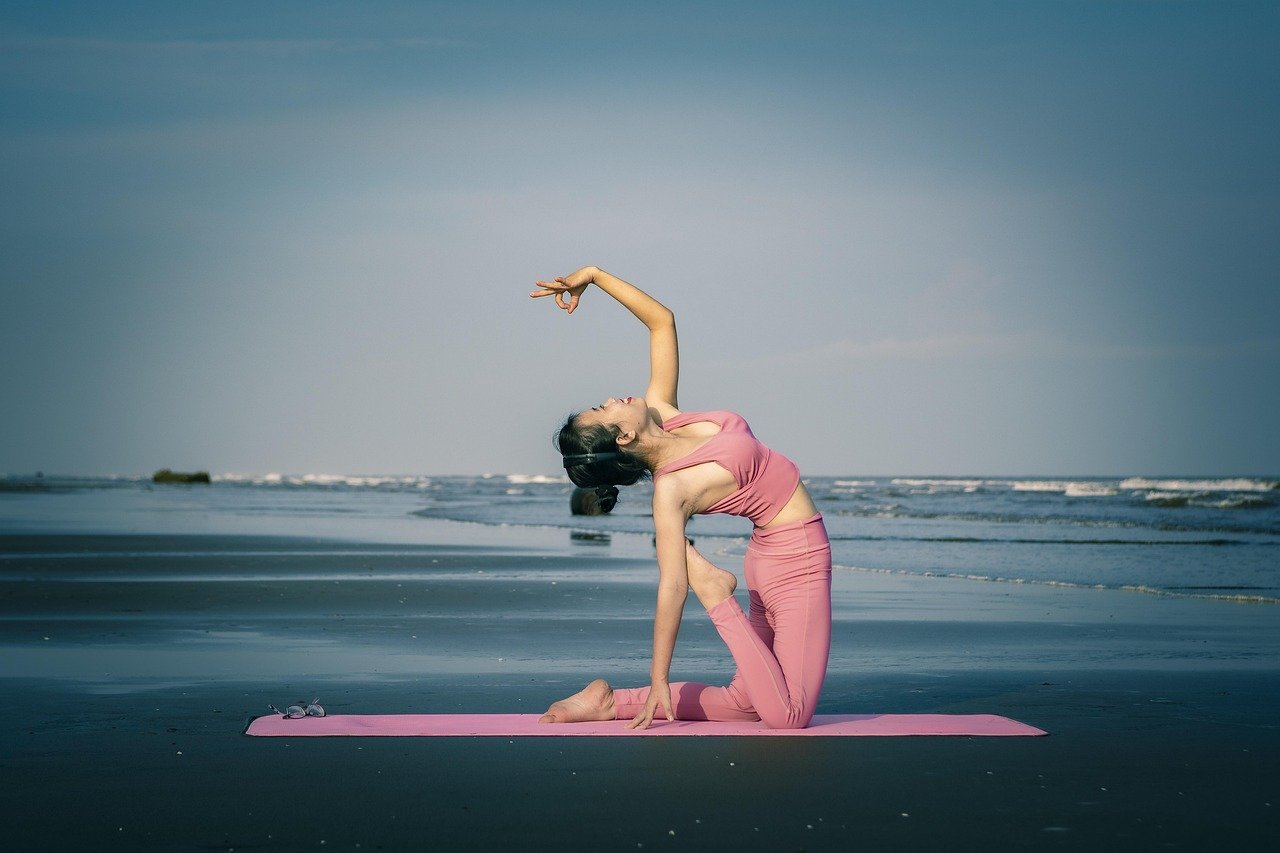
Moving your body and quieting your mind might seem like two separate goals — but science now confirms they’re most powerful when practised together, and the results can genuinely transform your mental health.
Why the Mind-Body Connection Is More Powerful Than You Think
For decades, exercise and mindfulness were treated as completely separate wellness tools. You’d hit the gym for your body and meditate for your mind. But a growing body of research from 2023 through 2026 is reshaping that understanding. When you combine exercise and mindfulness, you don’t just add the benefits together — you multiply them. The brain regions activated during focused physical movement overlap significantly with those engaged during mindfulness practice, creating a feedback loop that amplifies stress reduction, emotional regulation, and cognitive clarity.
A landmark 2025 study published in the Journal of Psychiatric Research found that participants who practised mindful movement — deliberately pairing physical activity with present-moment awareness — reported a 41% greater reduction in anxiety symptoms compared to those who exercised without mindful attention. That’s not a small difference. That’s a paradigm shift in how we approach mental wellness.
The key mechanism here is something neuroscientists call embodied cognition — the idea that your thoughts and emotions are deeply shaped by what your body is doing. When you exercise mindfully, you’re essentially training your nervous system to stay present even under physical stress, which directly translates to greater resilience in everyday life. Whether you’re dealing with anxiety in Sydney, seasonal depression in Edinburgh, or burnout in Toronto, this integrated approach offers something profoundly accessible and deeply effective.
The Science Behind Combining Movement and Awareness
Understanding what’s happening in your brain and body during mindful exercise can make the practice feel less abstract and far more motivating. Let’s break down the key science.
Neurochemical Benefits
Exercise alone triggers the release of endorphins, dopamine, serotonin, and brain-derived neurotrophic factor (BDNF) — sometimes called “fertiliser for the brain.” Mindfulness practice on its own reduces cortisol, the primary stress hormone, and strengthens the prefrontal cortex’s ability to regulate the amygdala’s fear responses. When you combine exercise and mindfulness, you’re essentially flooding your system with feel-good neurochemicals while simultaneously building the brain structures responsible for emotional regulation. Research from Stanford’s Center for Compassion and Altruism Research, updated in 2026, confirms that this dual activation produces longer-lasting mood improvements than either practice alone.
The Nervous System Reset
One of the most remarkable benefits of mindful movement is its effect on the autonomic nervous system. High-intensity exercise briefly activates the sympathetic nervous system — your fight-or-flight response. When paired with mindful breathing and body awareness, you train your parasympathetic nervous system (rest-and-digest) to recover more quickly. Over time, this builds what researchers call vagal tone — essentially, your body’s ability to shift from stress to calm efficiently. People with higher vagal tone consistently show lower rates of depression, anxiety, and inflammatory disease. A 2024 meta-analysis in Frontiers in Neuroscience found that mindful exercise interventions improved heart rate variability (a key marker of vagal tone) by an average of 23% over eight weeks.
Attention Training and Rumination Reduction
One of the most debilitating features of anxiety and depression is rumination — the repetitive cycling of negative thoughts. Both exercise and mindfulness independently interrupt rumination, but their combination is particularly effective. Focusing on the physical sensations of movement (your breath, your footfalls, the rhythm of your strokes in a pool) gives your mind a concrete anchor, making it much harder for unhelpful thought loops to take hold. This is why many therapists and psychologists across the USA, UK, Canada, Australia, and New Zealand are now recommending mindful movement as a frontline complementary tool for managing mood disorders.
Practical Ways to Combine Exercise and Mindfulness Daily
The beauty of this approach is that you don’t need special equipment, a gym membership, or hours of free time. Here’s how to weave mindful awareness into the physical activities you may already be doing.
Mindful Walking
Walking is one of the most underrated mental health tools available to anyone, anywhere. To make it mindful, leave your earphones behind at least a few days per week. As you walk, deliberately notice the sensation of your feet pressing into the ground, the rhythm of your breath, the temperature of the air, and the sounds around you. When your mind wanders — and it will — gently return your attention to the physical experience of walking without judgement. Even a 20-minute mindful walk has been shown to reduce cortisol levels measurably. For those in colder climates like Canada or the UK, mindful walking in nature, even in winter, can offer additional benefits through what Japanese researchers call shinrin-yoku (forest bathing), which has been linked to lower blood pressure and improved mood.
Yoga and Mindful Stretching
Yoga is perhaps the most well-known bridge between physical movement and mindfulness. But you don’t need to be flexible or spiritual to benefit from it. The key is to move with intentional breath awareness rather than simply achieving a shape. Whether you follow a gentle Hatha class, a more dynamic Vinyasa flow, or simply spend ten minutes doing mindful stretching before bed, the instruction is the same: breathe consciously, notice sensation without judgement, and stay present. Even basic stretching, done with full attention on what you feel rather than what you look like, activates the same mind-body pathways as formal meditation.
Mindful Running and Cycling
For those who prefer higher-intensity exercise, running and cycling can absolutely be practised mindfully. The key shift is from distraction-based exercise (blocking out the discomfort with podcasts or music) to awareness-based exercise (tuning into the experience with curiosity). Try this: for the first ten minutes of your run or ride, keep your attention on your breath and your body’s physical sensations. Notice when your mind drifts to your to-do list, and gently return. You may find that mindful running helps you regulate your pace more effectively, reduces injury by improving body awareness, and leaves you feeling more restored than exhausted after your session.
Swimming and Water-Based Movement
Swimming is particularly well-suited to mindful movement because the rhythmic nature of strokes and the physical sensation of water provide strong anchors for attention. Many practitioners describe swimming laps mindfully as a moving meditation. Focus on the rhythm of your breath with each stroke, the feeling of water against your skin, and the cadence of your movement. This is especially popular in coastal communities across Australia and New Zealand, where access to open water adds the additional sensory richness of ocean sounds and sunlight.
Strength Training with Mindful Attention
Resistance training is often overlooked in mindfulness conversations, but it’s an excellent context for mind-body integration. Instead of rushing through sets while mentally elsewhere, try slowing down each repetition, focusing on the specific muscles contracting and releasing, and synchronising your breath with each movement. This approach — sometimes called attentional focus training — not only deepens the mental benefits but has been shown to improve muscle activation and reduce injury risk. Think of each rep as a mini meditation: a moment of complete presence.
Building a Sustainable Mindful Movement Routine
Knowing the techniques is one thing — making them stick is another. Here’s how to build a practice that lasts beyond the first week of enthusiasm.
Start Small and Be Realistic
The most common mistake people make is trying to overhaul their entire lifestyle at once. If you’re new to both exercise and mindfulness, pick one activity and add five minutes of deliberate mindful awareness to it. A ten-minute mindful walk three times per week is infinitely more valuable than an ambitious routine you abandon after a fortnight. The goal is consistency, not intensity.
Use Habit Stacking
Habit stacking — attaching a new behaviour to an existing one — is one of the most evidence-supported behaviour change strategies available. If you already walk to the train station every morning, that walk becomes your mindfulness practice. If you already go to the gym on Tuesday evenings, the first five minutes of your warm-up become your mindful movement window. You’re not creating new time; you’re enriching time you already have.
Track Your Mood, Not Just Your Metrics
Most fitness apps in 2026 are still focused on steps, calories, and heart rate zones. While these metrics have their place, they don’t capture the mental benefit you’re cultivating. Consider keeping a brief mood journal — even three sentences after each session — noting how you feel before and after. This practice builds awareness of your own patterns and provides powerful motivational evidence that what you’re doing is working.
Give Yourself Permission to Be Imperfect
Mindfulness is not about achieving a perfectly blank mind during your workout. It’s about noticing where your attention goes and gently returning it, over and over. Some days your mind will be all over the place. Some sessions will feel frustrating rather than peaceful. That’s not failure — that’s the practice. Self-compassion, it turns out, is not just a nice idea. A 2025 study in Psychological Science found that individuals who practised self-compassion during setbacks were significantly more likely to maintain their wellness habits over a 12-month period than those who responded to lapses with self-criticism.
Special Considerations for Mental Health Conditions
If you’re living with depression, anxiety, PTSD, or another mental health condition, mindful movement can be a genuinely valuable part of your care — but it works best as a complement to, not a replacement for, professional treatment.
For those with depression, starting movement of any kind can feel overwhelming. On low-energy days, even a five-minute gentle walk done with full sensory attention counts. The mindfulness component can help by making exercise feel less like a chore and more like a form of self-care — a subtle but powerful reframe. Research from the Black Dog Institute in Australia (2025) found that depressed individuals who engaged in brief, mindful physical activity reported stronger feelings of self-efficacy and autonomy than those following structured exercise programmes without the mindful component.
For anxiety, the mindful component of exercise is particularly important because it trains you to tolerate uncomfortable physical sensations — elevated heart rate, muscle tension, breathlessness — without interpreting them as threats. This process, known as interoceptive exposure, is now a recognised component of evidence-based anxiety treatment. In effect, mindful exercise teaches your nervous system that discomfort is survivable, which generalises powerfully to anxiety triggers in daily life.
For those recovering from trauma, it’s worth noting that body-based practices can sometimes surface difficult emotions or memories. If this happens, slow down, reduce the intensity, and speak with a mental health professional. Trauma-sensitive yoga and walking therapy are both increasingly available across English-speaking countries and can provide professional guidance for this population.
This article is for informational purposes only and is not a substitute for professional medical advice. If you are experiencing significant mental health difficulties, please consult a qualified healthcare provider.
Frequently Asked Questions
How long does it take to notice mental health benefits from mindful exercise?
Many people notice a shift in mood and stress levels after just one or two sessions, particularly in terms of how they feel immediately after exercise. Longer-term benefits — improved sleep, reduced anxiety, better emotional regulation — typically become noticeable within four to eight weeks of consistent practice. A 2024 systematic review found that eight weeks of regular mindful movement produced clinically meaningful reductions in both anxiety and depression scores across diverse adult populations.
Do I need to meditate separately if I’m already doing mindful exercise?
Not necessarily. If your mindful movement practice is genuinely attentive — meaning you’re consistently bringing present-moment awareness to your body and breath rather than zoning out — it can deliver many of the same neurological benefits as seated meditation. That said, a combination of both tends to produce the most robust results. Even five to ten minutes of seated mindfulness practice on rest days can deepen the awareness skills you bring to your movement sessions.
What’s the best type of exercise to combine with mindfulness?
The best exercise is the one you’ll actually do consistently. Mindful awareness can be applied to virtually any physical activity — walking, running, swimming, yoga, strength training, cycling, dancing, or even gardening. If you’re specifically seeking deep mind-body integration, yoga and Tai Chi have the most established evidence base. But if you love running, mindful running will serve you far better than reluctantly attending a yoga class.
Can children and teenagers benefit from mindful movement?
Absolutely. Research from 2024 and 2025 consistently shows that mindful movement programmes in schools across the USA, UK, Canada, Australia, and New Zealand produce significant improvements in attention, emotional regulation, and wellbeing among children and adolescents. Approaches like mindful PE lessons, yoga breaks, and nature-based mindful walks have been adopted widely. For teenagers in particular, mindful exercise can be a powerful tool for managing exam stress, social anxiety, and the pressures of digital life.
Is mindful exercise safe during pregnancy?
Mindful movement is generally considered very safe and beneficial during pregnancy, and practices like prenatal yoga and mindful walking are widely recommended by midwives and obstetricians. The mindfulness component can be particularly valuable for managing pregnancy-related anxiety and preparing the nervous system for labour. However, always consult your healthcare provider before starting or modifying any exercise programme during pregnancy, as individual circumstances vary.
How do I stay mindful during exercise when my mind keeps wandering?
Mind wandering during mindful exercise is completely normal — in fact, it’s the whole point. Every time you notice your mind has drifted and you bring it back, you’ve completed one “rep” of the attentional training that makes mindfulness so powerful. To make it easier, start with a specific anchor: the feeling of your feet on the ground, the rhythm of your breath, or the sensation of your hands gripping a weight. Apps like Headspace and Calm offer guided mindful movement sessions if you prefer structured support, and these can be particularly helpful for beginners.
Can mindful exercise replace therapy or medication for mental health conditions?
No. Mindful exercise is a powerful complementary tool, but it is not a replacement for evidence-based clinical treatment. For conditions like major depression, generalised anxiety disorder, PTSD, or bipolar disorder, professional care — whether therapy, medication, or both — should remain the foundation of treatment. Mindful movement works best as part of a broader wellness plan, ideally developed in consultation with your healthcare team. Think of it as one of many tools in your mental health toolkit, not the entire toolkit itself.
The journey toward better mental health rarely follows a straight line, and it’s rarely built from a single grand gesture. More often, it’s built from small, consistent acts of self-care — a mindful walk on a Tuesday morning, a few attentive stretches before bed, a run where you actually notice the world around you. When you combine exercise and mindfulness, you give yourself something genuinely powerful: a practice that strengthens your body, calms your nervous system, and trains your mind to meet life with a little more steadiness and a little more grace. You don’t need to be perfect at it. You just need to begin — and then, gently, keep going. The calm you’re looking for is closer than you think.
Leave a Reply