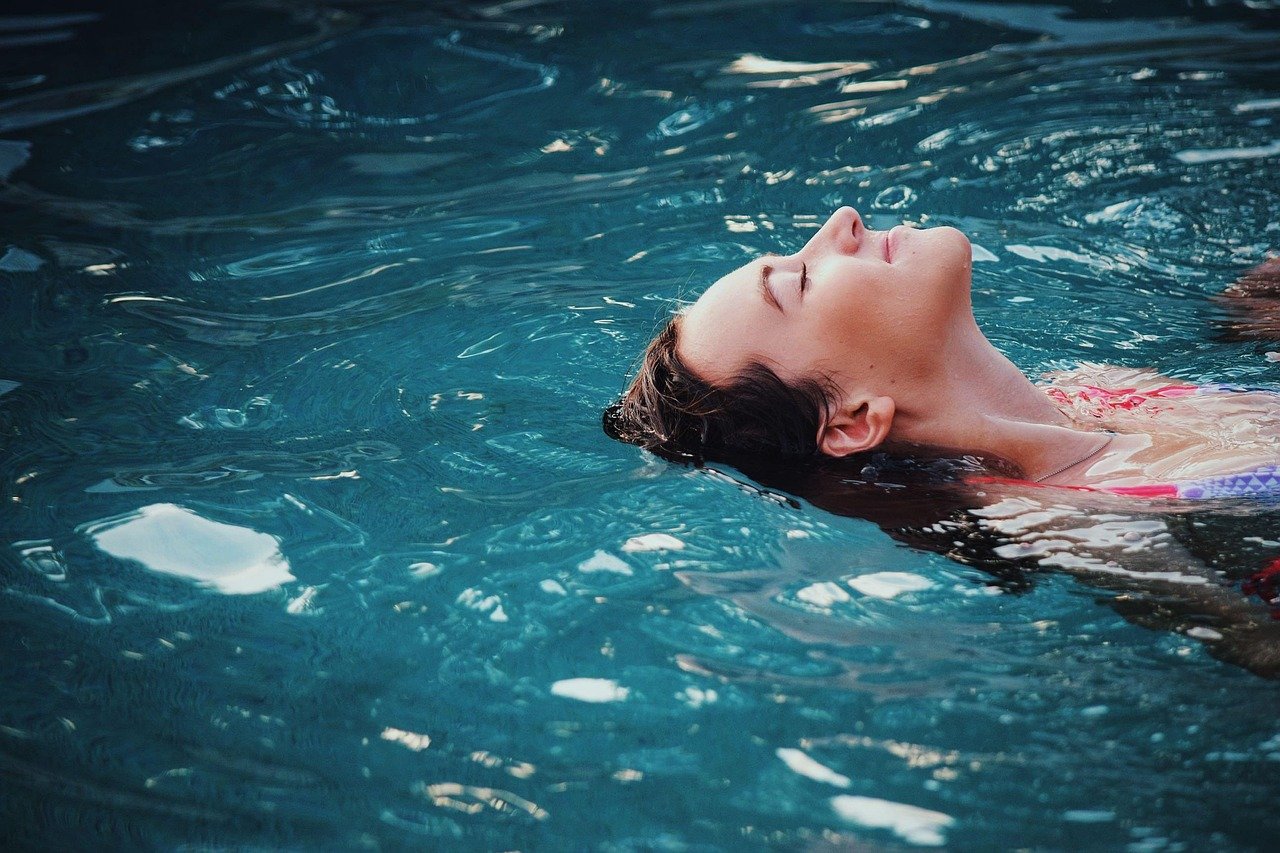
Swimming and mental health share a powerful connection — one that researchers, therapists, and everyday swimmers have been celebrating for years. Whether you’re gliding through a lap pool, floating in the ocean, or joining a local aqua fitness class, water workouts offer a unique combination of physical and psychological benefits that few other exercises can match. In 2026, with mental health challenges continuing to affect millions across the USA, UK, Canada, Australia, and New Zealand, more people are turning to the pool as a place not just to get fit, but to genuinely heal.
The Science Behind Water and Emotional Wellbeing
There’s a reason stepping into a pool feels different from stepping onto a treadmill. Water has an almost immediate calming effect on the nervous system, and science is beginning to explain why. The concept of “blue mind” — a term popularized by marine biologist Wallace J. Nichols — describes the mildly meditative, deeply calm state our brains enter when we’re near, in, or under water. This isn’t just poetic thinking. Neuroimaging research has shown that aquatic environments activate the parasympathetic nervous system, the branch responsible for rest, digestion, and emotional regulation.
When you swim, your body releases a cascade of mood-enhancing neurochemicals. Endorphins reduce pain and promote euphoria. Serotonin stabilizes mood and promotes feelings of wellbeing. Dopamine reinforces motivation and pleasure. A 2024 meta-analysis published in the International Journal of Environmental Research and Public Health found that regular aquatic exercise significantly reduced symptoms of depression and anxiety across diverse adult populations, with effects comparable to land-based aerobic exercise — but with markedly lower dropout rates. People simply enjoy swimming more, and that consistency matters enormously for long-term mental wellness.
How Rhythmic Movement Calms the Mind
Swimming is inherently rhythmic. The repetitive motion of your arms pulling through water, your legs kicking in steady succession, and the controlled breathing pattern required — particularly in freestyle and breaststroke — creates a bilateral, meditative movement pattern. Neuroscientists refer to this as bilateral stimulation, a mechanism also used in EMDR therapy (Eye Movement Desensitization and Reprocessing) to process trauma and reduce anxiety. When your brain is focused on coordinating breathing and movement simultaneously, there’s simply less bandwidth available for rumination, worry, or intrusive thoughts.
This explains why so many swimmers describe the pool as their “thinking space” — or more accurately, their not-thinking space. The focus demanded by swimming nudges the mind into a flow state, a psychological concept developed by researcher Mihaly Csikszentmihalyi, in which a person is fully immersed in an activity and experiences reduced self-consciousness, distorted sense of time, and heightened wellbeing.
The Role of Water Temperature
Cold water swimming, which has surged in popularity across the UK, Australia, and North America, carries its own neurological benefits. A landmark 2023 study from University College London found that cold water immersion triggers a significant release of noradrenaline — up to 300% more than baseline — a neurotransmitter closely linked to focus, mood elevation, and resilience to stress. Regular cold water swimmers also reported lower incidence of depressive episodes compared to non-swimmers. While cold water therapy should be approached carefully (especially by those with cardiovascular conditions), even moderately cool pool water appears to produce similar stimulating effects on the brain’s alertness and mood-regulation systems.
Swimming as a Tool for Managing Anxiety and Depression
For the estimated 284 million people worldwide living with anxiety disorders and the 280 million managing depression (WHO, 2025), finding sustainable, accessible coping tools is vital. Swimming and mental health outcomes are increasingly being studied together — and the results are compelling. A 2025 report from Beyond Blue (Australia’s leading mental health organization) highlighted that individuals who swam at least twice weekly reported a 34% reduction in self-reported anxiety symptoms over a 12-week period, regardless of swimming ability or intensity level.
What makes swimming particularly powerful for anxiety is the combination of controlled breathing and sensory immersion. Anxiety often lives in the chest — tightness, shallow breathing, hyperventilation. Swimming forces you to breathe deliberately: inhale during the recovery phase, exhale fully and slowly underwater. This naturally mimics diaphragmatic breathing techniques prescribed in cognitive-behavioral therapy, retraining the nervous system to regulate itself more efficiently.
The Sensory Grounding Effect
Water is one of the most effective sensory grounding environments available to us. The hydrostatic pressure of water against your skin provides constant, gentle tactile stimulation — similar in effect to weighted blankets, which are commonly used in anxiety and autism therapy. This full-body pressure helps reduce cortisol (the stress hormone) and promotes a sense of physical safety and containment. For people who experience panic attacks, dissociation, or chronic hypervigilance, this grounding quality can be genuinely therapeutic.
Swimming also reduces external sensory input in ways that benefit the overwhelmed nervous system. Underwater, sound is muffled, visual stimuli are limited, and the demands of digital life disappear entirely. In a world where the average adult checks their phone over 150 times a day (Deloitte Digital Wellbeing Report, 2025), that enforced disconnection is not just refreshing — it’s restorative.
Depression and the Movement-Mood Connection
Depression is often characterized by what clinicians call psychomotor retardation — a slowing of physical movement and cognitive processing. Exercise counteracts this directly, and swimming does so with a crucial advantage: buoyancy. In water, the body is supported, reducing the physical effort required to move. This makes swimming accessible even on low-energy, low-motivation days when a run or gym session might feel completely impossible. The low-impact nature removes a significant barrier, allowing people with depression to engage with exercise even when their body feels heavy and resistant.
Aquatic therapy — the structured use of water-based movement under the guidance of a physiotherapist or occupational therapist — is now integrated into mental health treatment plans at clinics across the UK’s NHS, Canada’s provincial health networks, and major hospital systems in Australia and New Zealand. The clinical recognition of swimming as a legitimate mental health intervention marks a significant shift in how we think about water workouts.
Social Swimming: Community, Connection, and Belonging
While solo swimming offers solitude and reflection, group swimming environments provide something equally essential for mental health: human connection. Loneliness is now classified as a public health crisis across multiple Western nations. In 2026, the UK’s Office for National Statistics reported that approximately 3.8 million adults feel lonely on most days — a figure that has remained stubbornly elevated since the pandemic years. Swimming clubs, masters swim programs, open water groups, and aqua aerobics classes offer a structured social environment that many people find easier to navigate than unstructured socializing.
There’s a particular warmth and informality to swimming communities. The shared vulnerability of being in swimwear, the collective achievement of completing a challenging set, the ritual of post-swim coffee or conversation — these create genuine bonds. Research from the University of Exeter (2024) found that people who swam in organized group settings reported significantly higher scores on measures of social connectedness, purpose, and life satisfaction than solo exercisers, even when the physical exertion was comparable.
Wild Swimming and Nature-Based Healing
Open water swimming — in lakes, rivers, and oceans — adds a powerful additional layer of mental wellness benefit by combining aquatic exercise with nature immersion. Ecotherapy research consistently shows that spending time in natural environments reduces cortisol, lowers blood pressure, and improves mood. When that natural environment is water, the effects appear to be amplified. A study published in Health and Place (2025) found that open water swimmers reported greater reductions in stress and negative affect compared to pool swimmers, with the visual and auditory richness of natural water environments playing a key role.
In the UK, the wild swimming movement has exploded in recent years, with communities forming around lakes in Scotland, rivers in the Cotswolds, and coastal waters across Cornwall and Wales. In Australia and New Zealand, ocean swimming is deeply woven into cultural identity. In Canada and the northern USA, cold lake swimming is finding new enthusiasts through wellness communities. Across all these contexts, the message is consistent: getting into natural water makes people feel better, and often profoundly so.
Practical Tips for Using Swimming to Support Your Mental Health
Understanding the benefits of swimming and mental health is one thing — actually building a sustainable practice is another. Here’s how to make water work for your wellbeing in a way that genuinely fits your life.
Start Where You Are
- You don’t need to be a strong swimmer. Even gentle water walking in a shallow pool activates the same calming nervous system responses as lap swimming. Most public pools offer beginner-friendly sessions or adult learn-to-swim programs.
- Frequency matters more than intensity. Two to three sessions per week of 20–30 minutes is sufficient to begin experiencing mood benefits, according to current exercise psychology guidelines. You don’t need to swim fast or far.
- Try morning swims for anxiety management. Morning exercise, particularly before checking emails or social media, sets a neurochemically stable tone for the entire day. The post-swim endorphin and serotonin boost can buffer against anxiety spikes that often peak in the late morning.
Create a Mindful Swimming Practice
- Use your breath as an anchor. Focus on your exhale — the long, slow release of air underwater — as a deliberate act of calming. Treat each length as a breath meditation in motion.
- Leave your phone in the locker. Resist the urge to check messages before or after your swim. Give yourself the full arrival and transition experience, which is often where the deepest calm occurs.
- Notice sensation over performance. Rather than counting laps or monitoring pace, spend at least part of each swim simply noticing the temperature of the water, the sound of bubbles, the sensation of gliding. This mindfulness approach amplifies the mental health benefit significantly.
- Consider joining a group. Even if you prefer solo swimming for the meditative quality, attending a group session once a week adds social nourishment to your practice.
For Those New to Open Water
- Always swim with a buddy or within sight of a lifeguard when starting out.
- Begin with supervised open water sessions offered by local swimming clubs.
- Acclimatize to cooler temperatures gradually — never enter very cold water alone or without prior experience.
- Check for blue-green algae advisories and water quality ratings before swimming in lakes or rivers.
Who Benefits Most — and How to Adapt Swimming for Your Needs
One of swimming’s greatest strengths is its inclusivity. Across the life span and across many physical and mental health conditions, water workouts can be adapted to serve widely varying needs.
Older adults benefit enormously from aquatic exercise, which protects joints while maintaining cardiovascular health and reducing the physical symptoms of depression that increase with age. In Canada and Australia, aquatic physiotherapy programs specifically designed for seniors have demonstrated reductions in both depression scores and fall-related anxiety.
People with PTSD may find the sensory immersion of water particularly helpful for grounding exercises, though it is important that trauma history is considered — for some individuals, water carries difficult associations and a trauma-informed therapist should be consulted before using aquatic therapy.
Children and teenagers facing anxiety, ADHD, or social difficulties often thrive in swim environments, where the structured, goal-oriented nature of learning strokes builds confidence and provides a sense of mastery. UK charity Swim England reported in 2025 that children who swam regularly demonstrated measurably improved emotional regulation and school wellbeing scores.
Pregnant women and new mothers dealing with perinatal anxiety or postnatal depression have found aquatic exercise to be one of the safest and most effective physical interventions available, with many maternity health services in New Zealand and Australia now formally recommending it.
People with physical disabilities can access specially adapted aquatic therapy programs available at many hospitals and community pools, where buoyancy removes physical barriers that land-based exercise cannot overcome.
Frequently Asked Questions
How often should I swim to see mental health benefits?
Research suggests that swimming two to three times per week for at least 20–30 minutes per session is sufficient to produce meaningful improvements in mood, anxiety levels, and stress resilience. That said, even a single swim can provide immediate relief from acute stress or anxious feelings, so there’s real value in going whenever you can, even if it’s irregular at first. Consistency over weeks and months is where the deepest and most lasting mental health benefits emerge.
Can swimming help with panic attacks?
Yes, for many people, swimming can be a highly effective tool for managing anxiety and reducing the frequency of panic attacks. The controlled breathing required in swimming closely mirrors therapeutic breathing techniques used in anxiety treatment. The hydrostatic pressure of water also has a calming, grounding effect on the nervous system. However, if you experience severe panic attacks, especially those with a fear of water or drowning, please speak to a mental health professional before beginning any aquatic program to ensure it’s approached safely and therapeutically.
Is cold water swimming safe for mental health?
Cold water swimming can offer significant mood-boosting and stress-reducing benefits for many people, largely through the release of noradrenaline and endorphins. However, it carries real physical risks including cold water shock, hypothermia, and cardiac stress — particularly for older adults, those with cardiovascular conditions, or anyone new to cold exposure. Always start gradually with supervised cold water experiences, never swim alone in cold water, and consult your doctor if you have any underlying health conditions. The mental health benefits of cold swimming are real, but safety must always come first.
What if I’m not a confident swimmer? Can I still get mental health benefits?
Absolutely. You don’t need to be a strong or experienced swimmer to benefit mentally from water exercise. Water walking, gentle floating, aqua aerobics, and even simply being in a pool environment can trigger the calming neurological effects associated with water. Most community pools offer adult beginner programs, and many councils across the UK, Australia, Canada, and New Zealand run low-cost or subsidized sessions specifically designed for nervous or non-swimmers. Starting small and building confidence gradually is itself a powerful act of self-care.
How does swimming compare to other exercises for mental health?
All aerobic exercise produces meaningful mental health benefits through endorphin release, cortisol reduction, and neuroplasticity. Swimming holds a distinctive advantage in several areas: its meditative rhythm supports mindfulness more naturally than many land-based exercises; its buoyancy makes it accessible on low-energy days when depression makes movement feel impossible; and the sensory environment of water provides unique grounding and calming effects not found in gym or outdoor running contexts. For many people, swimming is also simply more enjoyable — and enjoyment drives consistency, which is the single most important factor in long-term mental wellness through exercise.
Can aquatic therapy replace traditional mental health treatment?
No — aquatic therapy and recreational swimming are powerful complements to professional mental health treatment, but they are not replacements for therapy, medication, or medical care when these are needed. Think of swimming as a highly valuable part of your broader mental wellness toolkit, working alongside rather than instead of professional support. If you are experiencing significant depression, anxiety, trauma, or other mental health challenges, please reach out to a qualified mental health professional in addition to exploring movement-based practices like swimming.
Are there any mental health conditions where swimming might not be recommended?
For most people, swimming is a safe and beneficial activity. However, there are some situations requiring extra care. Individuals with a specific phobia of water or drowning should work through this with a therapist before entering aquatic environments. Those with certain trauma histories involving water should approach aquatic therapy only with trauma-informed professional guidance. People with active psychosis or severe dissociative disorders should consult their mental health team before beginning unsupervised aquatic exercise. For the vast majority of people, however, swimming is one of the most accessible and gentle forms of exercise available for mental wellness.
Water has been a source of healing, comfort, and renewal for humanity throughout history — and modern science is now giving us the language to understand exactly why. Whether you choose a heated indoor pool on a grey winter morning, a wild lake on a summer afternoon, or an ocean swim as the sun rises, the relationship between swimming and mental health is one worth nurturing. It asks very little of you — just your presence, your breath, and a willingness to let the water hold you for a while. And in return, it offers something remarkable: a quieter mind, a lifted mood, and a body that remembers what it feels like to move with ease and joy.
So wherever you are on your mental wellness journey — whether you’re managing a difficult season or simply looking for a sustainable way to feel better in your own skin — consider giving water a chance. Your local pool is closer than you think, the water is warmer than you fear, and the benefits waiting for you on the other side are very, very real.
This article is for informational purposes only and is not a substitute for professional medical advice. If you are experiencing mental health difficulties, please consult a qualified healthcare professional or mental health practitioner.
Leave a Reply