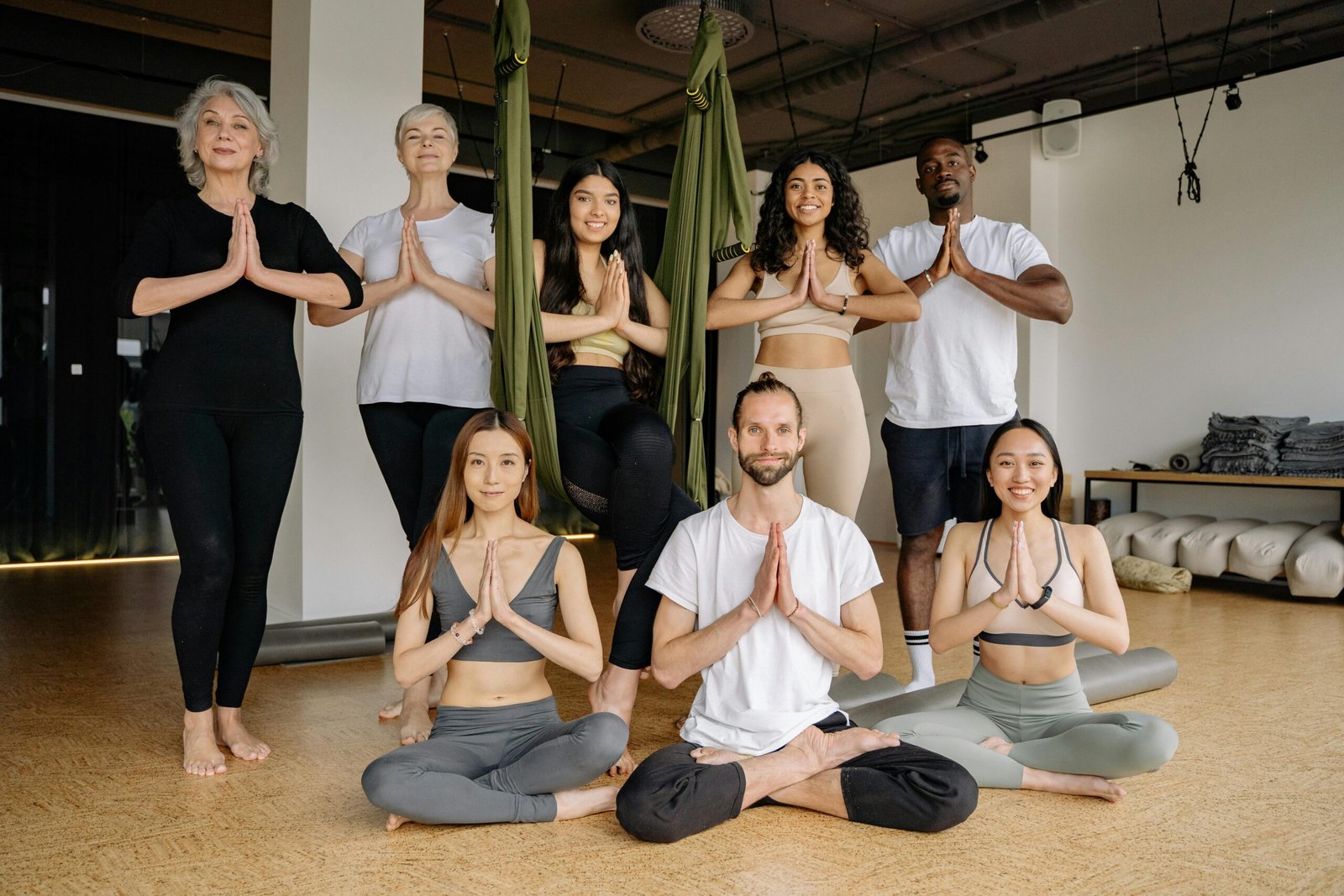
Why Where You Live Shapes How You Feel Inside
Your mental wellness is not just shaped by your personal history — it is profoundly influenced by the culture surrounding you every single day. Across English-speaking countries like the USA, UK, Canada, Australia, and New Zealand, people share a common language but navigate remarkably different emotional landscapes shaped by cultural norms, historical legacies, and social expectations. Understanding how culture influences mental wellness can be a quietly powerful act of self-compassion — because sometimes the weight you carry is not just yours alone, but something woven into the fabric of where you grew up.
In 2026, mental health awareness has never been higher, yet significant gaps remain in how different cultures recognize, discuss, and respond to psychological distress. A 2024 report from the World Health Organization found that cultural context remains one of the most underappreciated determinants of mental health outcomes globally. Meanwhile, research published in the journal Transcultural Psychiatry revealed that individuals who feel culturally misunderstood by their mental health providers are 40% less likely to continue treatment. These are not just statistics — they represent real people who deserved better support.
This article explores how the cultural DNA of five major English-speaking nations shapes mental wellness — and what you can do with that understanding to take better care of yourself and the people you love.
The Cultural Blueprint: How National Identity Gets Into Our Heads
Culture operates like an invisible operating system running beneath our conscious awareness. It determines what emotions we are allowed to express, when seeking help is considered strength versus weakness, how we talk about suffering, and whether we even have language for certain inner experiences. Mental wellness does not exist in a vacuum — it is constantly negotiated within cultural frameworks that tell us what “normal” looks like.
Individualism Versus Collectivism in English-Speaking Worlds
All five major English-speaking countries lean toward individualism — the belief that personal achievement, autonomy, and self-reliance are core values. But even within this shared tendency, important differences exist. The United States sits at the extreme individualist end of the spectrum, where self-sufficiency is deeply mythologized. This creates a cultural paradox: Americans are simultaneously some of the most vocal advocates for mental health awareness and yet deeply resistant to vulnerability when it conflicts with the “pull yourself up by your bootstraps” identity.
Canada and New Zealand, by contrast, blend individualist values with stronger collectivist undercurrents — particularly in their indigenous communities and multicultural urban centers. In New Zealand, the Māori concept of hauora — holistic wellbeing encompassing physical, mental, social, and spiritual dimensions — has genuinely influenced national mental health policy in ways that feel integrative rather than clinical. Canada’s multicultural framework similarly encourages a more contextual understanding of mental distress, though systemic inequalities still limit access for many communities.
The Stiff Upper Lip and Its Emotional Costs
In the United Kingdom, the culturally celebrated “stiff upper lip” — emotional restraint, stoicism, and carrying on regardless — has a complicated relationship with mental wellness. While this resilience has historical roots in wartime necessity, research from the Mental Health Foundation UK in 2025 found that 74% of British adults still feel uncomfortable discussing their mental health with friends or family. Men in particular reported feeling that emotional expression would be perceived as weakness. This cultural inheritance does not make British people less emotionally complex — it simply means that distress often goes underground, emerging instead as physical symptoms, workaholism, or alcohol use.
Australian Mateship and the Pressure to Be Fine
Australia has its own unique cultural script around mental wellness. The national identity of mateship — loyalty, humor, and egalitarianism — creates a wonderfully bonded social fabric but can also discourage authentic emotional disclosure. The classic Australian phrase “she’ll be right” captures a cultural optimism that, while genuinely adaptive in many contexts, can quietly shame those who are not fine at all. Beyond Blue’s 2025 national survey found that one in five Australians experienced a mental health condition in the previous year, yet stigma around seeking professional help remained highest among men in rural and regional areas — a demographic where cultural toughness is most deeply entrenched.
Race, Ethnicity, and the Compounding Weight of Cultural Identity
Within each of these five countries, the experience of how culture influences mental wellness becomes far more complex when race, ethnicity, and immigration history enter the picture. Mental wellness is not a culturally neutral concept — the very frameworks used to define and treat psychological distress were largely developed through a Western, white, middle-class lens.
The Minority Stress Model Across Nations
The minority stress model explains that people from marginalized racial, ethnic, or cultural groups experience unique stressors — discrimination, microaggressions, cultural invalidation, and the exhausting work of code-switching between cultural identities. These stressors compound on top of everyday life pressures and have measurable effects on mental health outcomes. A 2026 study from the American Psychological Association confirmed that Black, Indigenous, and People of Color (BIPOC) in the United States reported significantly higher rates of anxiety and depression linked directly to experiences of systemic racism, with comparable patterns identified in the UK and Australia.
For immigrant communities across all five countries, the experience of acculturation — adapting to a new cultural environment while maintaining ties to one’s heritage — presents its own mental wellness challenges. The stress of navigating between two cultural worlds, sometimes called “cultural bereavement,” can manifest as grief, identity confusion, and a profound sense of not fully belonging anywhere. Understanding this is not about pathologizing immigrant experience but about honoring its genuine complexity.
Indigenous Mental Wellness: Reclaiming What Was Broken
In Australia, Canada, New Zealand, and to a lesser extent the USA, the mental health of indigenous communities remains one of the most urgent cultural conversations of our time. Generations of forced assimilation, family separation, and cultural erasure — including residential and boarding school systems — created what researchers now call historical trauma: the cumulative psychological wound passed across generations when a community experiences sustained cultural violence. Healing in these communities is increasingly understood not through Western clinical models alone, but through cultural reconnection, land-based healing, language revitalization, and community ceremony. This understanding is slowly reshaping how mental health services are designed and delivered.
Masculinity, Silence, and the Mental Wellness Crisis Among Men
Across all five English-speaking countries, one of the most persistent and devastating cultural patterns is the way traditional masculine norms discourage men from seeking mental health support. Suicide rates remain dramatically higher among men than women in every country examined — in Australia, men account for approximately 75% of all suicide deaths; in the United States and UK the figure hovers around 70-75%. These are not random statistics. They reflect what happens when cultural scripts teach boys and men that emotional pain is weakness, that self-sufficiency is identity, and that reaching out is defeat.
Shifting the Script: What Is Actually Working
The good news is that cultural change, while slow, is genuinely happening. Programs like Movember, which originated in Australia and now operates globally, have successfully reframed men’s mental health conversations by meeting men in culturally familiar spaces — sport, humor, community challenge. New Zealand’s ongoing public campaign Are You OK? normalized peer-to-peer mental wellness check-ins. In Canada, programs embedding mental health support within workplace cultures have shown measurable improvements in help-seeking behavior among men. The lesson across all these initiatives is consistent: changing cultural norms around masculinity and mental wellness requires working with culture, not against it.
Practical Ways to Navigate Your Cultural Mental Wellness Landscape
Understanding how culture influences mental wellness is not merely an academic exercise — it is deeply practical. Here are evidence-informed strategies that acknowledge the cultural dimensions of your inner life.
- Name the cultural script: When you notice yourself resisting reaching out for help, ask honestly whether that resistance is genuinely yours or a cultural message you absorbed. Awareness creates distance — and choice.
- Seek culturally informed support: Therapists who understand your cultural background, including your community’s specific relationship with mental health stigma, tend to be significantly more effective. In 2026, online therapy platforms make culturally matched therapists more accessible than ever.
- Build your cultural permission structure: Actively seek out role models from your own cultural background who speak openly about mental health struggles. Representation matters — it rewrites the story of what people like you are allowed to feel and do.
- Honor your cultural strengths: Every culture carries genuine psychological wisdom. Australian mateship fosters deep social bonds. British dry humor is a legitimate coping mechanism. Indigenous holistic frameworks offer profound insight into wellbeing. You do not have to discard your cultural identity to heal — often it is a resource to draw on.
- Practice cross-cultural empathy: If someone in your life handles emotional distress very differently from you, consider whether that difference is cultural before assuming it is personal. This can reduce conflict and open new conversations.
- Advocate for culturally responsive services: Support healthcare systems, workplaces, and community organizations that invest in culturally adapted mental health resources. Your voice in these spaces matters beyond your own wellbeing.
The Role of Language, Storytelling, and Collective Healing
One of the most fascinating — and hopeful — aspects of how culture shapes mental wellness is the power of language and narrative. Different cultures have developed entirely different vocabularies for emotional experience. The Portuguese concept of saudade — a melancholic longing for something loved and lost — has no direct English equivalent, yet millions of English speakers have felt exactly that feeling without a word to hold it. When we lack language for an experience, it is harder to communicate it, seek help for it, or even fully recognize it within ourselves.
Across indigenous communities in all five countries, oral storytelling traditions have long served as a form of communal emotional processing — what we might clinically call narrative therapy has existed in cultural practice for thousands of years. In Australia, programs that incorporate Aboriginal storytelling and connection to Country into mental health care have shown promising outcomes. In New Zealand, whanaungatanga — the Māori practice of relationship-building through shared narrative — is increasingly embedded in culturally adapted mental health frameworks.
In mainstream English-speaking culture, the explosion of personal mental health narratives through podcasts, social media, memoirs, and open conversations is performing a similar function. When public figures from all five countries speak openly about depression, anxiety, trauma, or burnout, they are doing cultural work — rewriting the collective story of what it means to be human and struggling. This matters because cultural change always begins with story before it becomes policy.
The most effective mental wellness approaches in 2026 blend clinical evidence with cultural wisdom — honoring both the science of the mind and the stories of the communities within which minds exist. You deserve both.
Frequently Asked Questions
How does culture specifically affect mental health treatment outcomes?
Culture shapes whether people recognize mental distress as a health issue, whether they seek professional help, which symptoms they report, how they respond to different treatment approaches, and whether they continue with therapy. Research consistently shows that culturally adapted treatments — those modified to align with a client’s cultural values, language, and explanatory frameworks — produce significantly better outcomes than one-size-fits-all approaches. Cultural competence in mental health providers is not a nicety; it is a clinical necessity.
Is mental health stigma worse in some English-speaking countries than others?
Stigma exists across all five countries but manifests differently. The UK’s stoicism culture and Australia’s “she’ll be right” mentality create particular barriers in informal peer contexts, while the USA has higher rates of formal help-seeking but significant stigma tied to identity and self-reliance. New Zealand’s bicultural framework has made meaningful progress in normalizing mental wellness conversations at a national level. Canada’s multicultural policies create both opportunities and complexities. Stigma is always worse in rural and regional areas across all five nations, and consistently higher among men than women regardless of country.
What is historical trauma and how does it affect mental wellness today?
Historical trauma refers to the cumulative psychological and emotional wounds experienced by a community subjected to sustained cultural violence, persecution, or forced assimilation — and transmitted across generations through epigenetic, psychological, and social mechanisms. Indigenous communities in Australia, Canada, New Zealand, and the USA have been most extensively studied in this context, with research showing elevated rates of depression, anxiety, substance use, and suicide linked to unresolved intergenerational grief. Healing approaches that prioritize cultural reconnection and community-led solutions consistently show stronger outcomes than purely clinical interventions.
How can immigrants and multicultural individuals navigate mental wellness challenges?
The acculturation process — adapting to a new culture while maintaining heritage identity — is genuinely stressful and should be acknowledged as such. Practical strategies include seeking therapists who share your cultural background or have specific training in multicultural mental health, connecting with community organizations that serve your ethnic or cultural group, maintaining cultural practices and relationships that provide continuity and meaning, and being patient with yourself during the inherently disorienting process of building a bicultural identity. Many people ultimately find that navigating multiple cultures becomes a source of psychological flexibility and resilience, though reaching that point takes time and support.
Are there cultural practices from non-Western traditions that support mental wellness?
Absolutely, and the evidence base for many of them is growing. Mindfulness practices rooted in Buddhist traditions have extensive clinical research supporting their effectiveness for anxiety and depression — which is why they have been integrated into mainstream Western therapies like MBSR and DBT. Indigenous healing practices including ceremony, land connection, and community storytelling show strong outcomes in culturally appropriate contexts. Collectivist cultural values — prioritizing social bonds, family involvement in healing, and community accountability — offer genuine protective mental health benefits. The most effective approach is an integrative one that does not pit Western clinical models against traditional wisdom, but finds the places where they complement each other.
How can I find a culturally competent therapist in my country?
In 2026, access to culturally matched mental health support has improved significantly through online therapy platforms. In the USA, organizations like the National Alliance on Mental Illness (NAMI) and the Loveland Foundation offer directories of culturally competent therapists. In the UK, the BACP therapist directory allows filtering by cultural specialization. In Australia, the ATAPS program and Black Dog Institute maintain culturally informed provider networks. In Canada, the Canadian Counselling and Psychotherapy Association has resources for finding multicultural counselors. In New Zealand, Te Pou and Māori mental health services provide culturally grounded options. When interviewing a potential therapist, it is entirely appropriate to ask directly about their experience working with clients from your cultural background.
Can understanding cultural influences on mental wellness help in everyday relationships?
Yes — enormously. Many conflicts, misunderstandings, and feelings of not being seen within relationships — whether romantic, familial, or professional — have cultural dimensions that go unrecognized. When you understand that your partner’s reluctance to discuss emotions might be rooted in their cultural upbringing rather than indifference, it creates space for curiosity instead of resentment. When you recognize that a colleague’s communication style differs from yours for cultural reasons, collaboration becomes easier. Cultural literacy is a form of empathy — it widens the lens through which you interpret other people’s behavior and expands the compassion you can offer.
Understanding how culture influences mental wellness is one of the most quietly radical things you can do for yourself and your community. You did not choose the culture you were born into, but you can choose how consciously you engage with it — which messages to carry forward, which inherited silences to break, and which cultural wisdom to lean on when life becomes heavy. Your wellbeing is shaped by forces larger than yourself, and that means you have never been struggling alone. There is an entire human community across five nations — and far beyond — learning, alongside you, how to feel more whole. You belong in that conversation, exactly as you are.
Ready to explore your own mental wellness journey with the support of culturally aware guidance? Browse our resources at The Calm Harbour — a warm, evidence-informed space built for real people navigating real lives across the USA, UK, Canada, Australia, and New Zealand. You deserve support that truly sees you.
This article is for informational purposes only and is not a substitute for professional medical advice, diagnosis, or treatment. If you are experiencing a mental health crisis, please contact a qualified healthcare provider or your local emergency services immediately.
Leave a Reply