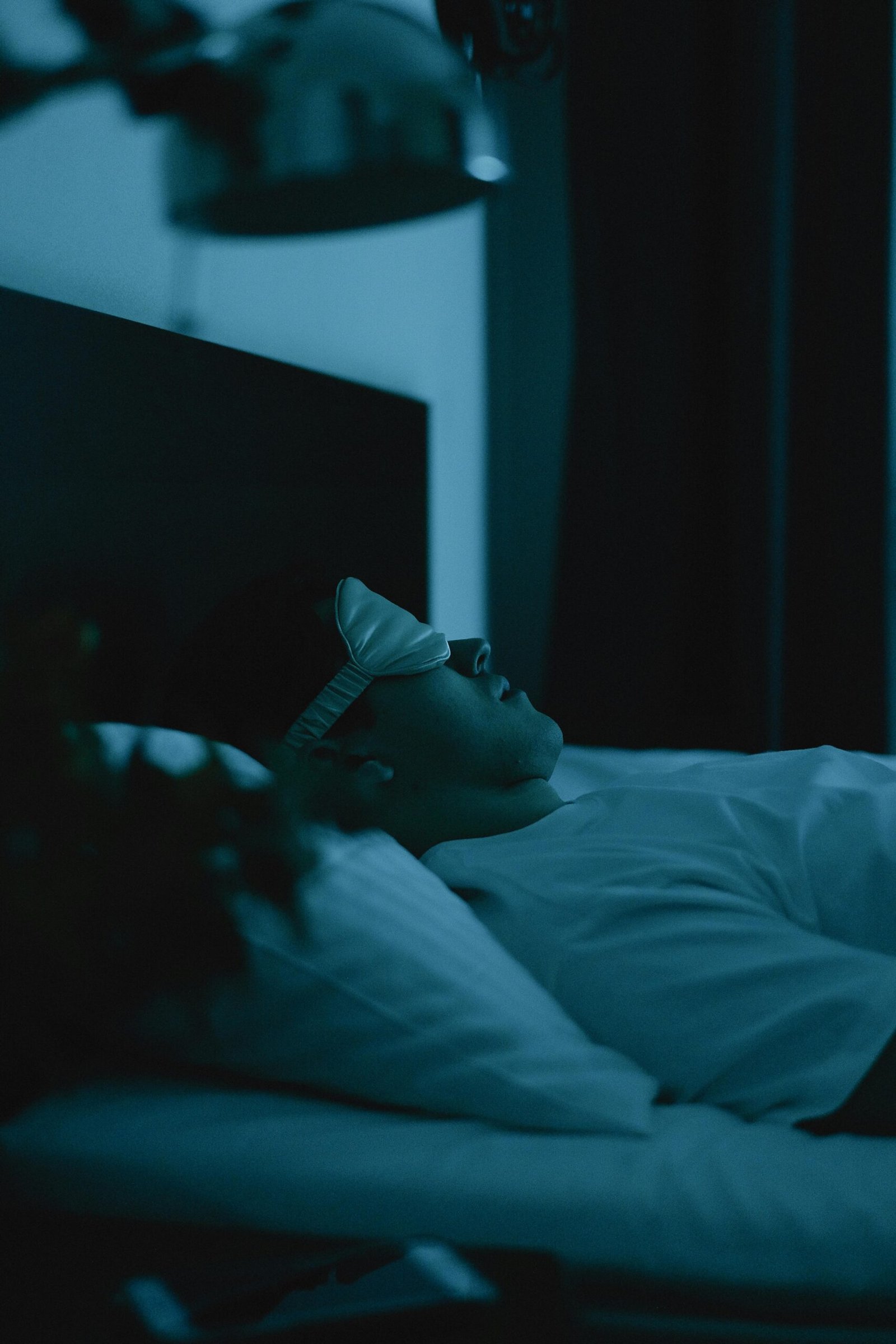
Your Body’s Sleep Hormone: What Science Says About Melatonin
Melatonin is one of the most talked-about supplements in wellness circles today, yet most people only scratch the surface of what this remarkable hormone actually does for sleep and mental health. If you’ve ever stared at the ceiling at 2 a.m., wondering whether that bottle of melatonin on your nightstand is actually helping — or whether you’re missing something bigger — this guide is for you. We’re going to walk through the science, the practical strategies, and the honest answers that help you make informed decisions about your sleep and your wellbeing.
This article is for informational purposes only and is not a substitute for professional medical advice. Always consult a qualified healthcare provider before starting any supplement regimen.
How Melatonin Works Inside Your Body
Melatonin is a hormone produced primarily by the pineal gland, a tiny structure nestled deep in the brain. Its job is elegantly simple: signal to every cell in your body that darkness has arrived and sleep should follow. But the mechanisms behind that signal are anything but simple.
Your body begins producing melatonin roughly two hours after sunset — a process triggered by the absence of light hitting the retina. Levels rise steadily through the night, typically peaking between 2 a.m. and 4 a.m., then dropping sharply as dawn approaches. This rhythm is part of your circadian clock, the internal 24-hour timing system that governs not just sleep but also mood, metabolism, immune function, and cognitive performance.
The Circadian Connection
Think of melatonin as the conductor of your body’s nightly orchestra. It doesn’t create sleep itself — rather, it lowers core body temperature, reduces alertness, and creates the biological conditions where quality sleep becomes possible. Research published in the Journal of Pineal Research in 2024 confirmed that melatonin coordinates multiple physiological systems simultaneously, acting as what researchers now call a “chronobiotic” — a substance that can literally shift the timing of your internal clock.
This is why melatonin is particularly effective for issues involving circadian misalignment, such as jet lag, shift work sleep disorder, and delayed sleep phase syndrome. It’s less a sleeping pill and more a biological clock-setter.
Natural Production and What Disrupts It
Several common habits quietly suppress your body’s natural melatonin production:
- Blue light exposure from phones, tablets, and LED screens — even 30 minutes before bed can delay melatonin onset by 90 minutes or more
- Irregular sleep schedules that confuse your circadian rhythm
- Caffeine consumed after midday, which blocks adenosine receptors and disrupts sleep pressure signals
- Alcohol, which fragments sleep architecture and suppresses REM sleep even as it initially causes drowsiness
- Age-related decline — melatonin production decreases significantly after age 40, contributing to the sleep difficulties many middle-aged and older adults experience
The Deep Link Between Melatonin and Mental Wellness
Here’s where the conversation gets genuinely fascinating — and where many mainstream discussions fall short. The role of melatonin in sleep is just one chapter of a much longer story. Emerging research is revealing powerful connections between melatonin, mood regulation, anxiety, and even depression.
Melatonin and Mood Disorders
A landmark 2025 meta-analysis published in Chronobiology International, examining data from over 18,000 participants across 42 studies, found that disrupted melatonin rhythms were consistently associated with higher rates of depression and anxiety disorders. Importantly, this wasn’t merely a correlation — the researchers found that restoring healthy melatonin patterns improved mood outcomes in a statistically significant portion of participants, independent of other interventions.
The mechanism appears to involve melatonin’s influence on serotonin metabolism. Melatonin is biosynthetically downstream from serotonin — your brain actually converts serotonin into melatonin. This means that poor sleep, disrupted melatonin production, and low serotonin can form a self-reinforcing cycle that makes both sleep and mood worse simultaneously. Breaking that cycle often requires addressing both ends at once.
Seasonal Affective Disorder and Light Sensitivity
Seasonal Affective Disorder (SAD) affects an estimated 5% of adults in the United States and up to 10% in northern regions of Canada, the UK, and Scandinavia, according to 2026 data from the American Psychiatric Association. In SAD, the body’s melatonin secretion patterns shift in response to reduced daylight hours, resulting in prolonged melatonin exposure during waking hours — essentially tricking the brain into a semi-hibernation state characterized by low energy, low mood, and increased sleep.
Light therapy works specifically because it suppresses this inappropriate daytime melatonin production, helping to realign the circadian clock. This is a powerful reminder that melatonin management isn’t always about supplementation — sometimes it’s about light exposure and timing.
Sleep Deprivation, Stress, and the Cortisol-Melatonin Balance
Cortisol and melatonin operate on opposite cycles — cortisol peaks in the morning to promote alertness and energy, while melatonin peaks at night to promote rest. When chronic stress keeps cortisol elevated in the evenings, it directly suppresses melatonin production, making it harder to fall asleep. This creates a vicious cycle: poor sleep elevates stress hormones the next day, which further suppresses melatonin the following night.
Managing this balance is one of the most underappreciated aspects of mental wellness work. Stress management practices — mindfulness, gentle movement, breathwork — aren’t just emotionally helpful. They actively support your melatonin system by lowering evening cortisol levels.
Melatonin Supplements: What Actually Works
Walk into any pharmacy in Sydney, London, Toronto, or Chicago and you’ll find an entire shelf of melatonin supplements. But navigating the options wisely requires understanding a few key principles that the marketing rarely mentions.
Dosage: Less Is Often More
This is perhaps the most important practical point in this entire article: most people take far too much melatonin. The standard doses sold in the United States — commonly 5mg to 10mg — are physiologically enormous compared to what your body naturally produces. Your pineal gland releases melatonin in amounts measured in micrograms, not milligrams.
A comprehensive 2026 review in Sleep Medicine Reviews found that doses between 0.3mg and 1mg were equally effective — and sometimes superior — to high doses for improving sleep onset, with significantly fewer next-day side effects like grogginess and daytime sedation. Starting low and adjusting is the evidence-based approach. In countries like the UK, Australia, and New Zealand, melatonin is classified as a prescription medication, partly because this kind of careful dosing oversight matters.
Timing Is Everything
Taking melatonin at the wrong time won’t just be ineffective — it can actually shift your circadian clock in an unintended direction. For most adults trying to fall asleep earlier or combat jet lag westward, taking 0.5mg to 1mg approximately 30 to 60 minutes before your desired bedtime is the recommended approach. For shift workers or eastward jet lag, the timing strategy differs significantly and is worth discussing with a healthcare provider.
Forms and Quality Considerations
Supplement quality varies enormously. A 2024 independent analysis found that melatonin content in some products deviated from label claims by as much as 478% — meaning some pills contained nearly five times the advertised dose. Choosing supplements that carry third-party verification (such as NSF Certified for Sport, USP Verified, or Informed Sport in the UK and Australia) significantly reduces this risk. Sublingual (under-the-tongue) formulations are absorbed more rapidly and may be preferable for sleep onset issues, while extended-release formulations may suit those who wake frequently during the night.
Natural Ways to Optimize Your Melatonin System
Supplements are one piece of the puzzle, but the most sustainable path to healthy melatonin levels — and better sleep and mental wellness — runs through your daily habits. The good news is that small, consistent changes can produce meaningful results within weeks.
Light Management: Morning and Evening
Your melatonin system is calibrated by light. Getting 10 to 20 minutes of natural daylight exposure within an hour of waking is one of the single most powerful things you can do to anchor your circadian rhythm. This morning light exposure tells your brain exactly what time it is, setting up a precise melatonin release that evening.
In the evening, dimming lights after sunset and using warm-toned (amber or red spectrum) lighting in the two hours before bed dramatically reduces melatonin suppression. Blue-light-blocking glasses or the night mode settings on your devices offer partial protection, though reducing screen time itself remains more effective.
Nutritional Support for Melatonin Production
Your body synthesizes melatonin from tryptophan, an amino acid found in foods including:
- Turkey, chicken, and eggs
- Pumpkin seeds and sunflower seeds
- Dairy products, particularly warm milk (the bedtime remedy your grandmother recommended has biochemical merit)
- Tart cherries — one of the few foods that contain melatonin directly, with several small studies showing improved sleep duration in adults who consumed tart cherry juice
- Oats and bananas, which also contain small amounts of melatonin
Magnesium, vitamin B6, and zinc all support the enzymatic pathways that convert tryptophan through serotonin into melatonin. A diet rich in whole foods, leafy greens, nuts, and seeds tends to support this system naturally.
Sleep Hygiene Practices That Amplify Melatonin
- Keep a consistent sleep-wake schedule — even on weekends. Irregular timing is one of the fastest ways to disrupt melatonin rhythms.
- Cool your bedroom to between 65°F and 68°F (18°C to 20°C) — core body temperature naturally drops as melatonin rises, and a cool environment supports this process.
- Create a wind-down ritual lasting 20 to 30 minutes — reading, gentle stretching, or meditation signals your nervous system to transition toward sleep.
- Avoid clock-watching — the anxiety of watching time pass activates the stress response and suppresses melatonin.
- Reserve your bed for sleep and intimacy only — this strengthens the mental association between your bed and sleep, reducing the cognitive arousal that delays melatonin’s effects.
Special Considerations: Who Should Be Cautious
Melatonin is generally well-tolerated for short-term use in most healthy adults, but certain groups deserve individualized guidance rather than a one-size-fits-all recommendation.
Children and Teenagers
Melatonin use in children has risen dramatically — a 2025 CDC report noted a 530% increase in pediatric melatonin supplement use in the US over the past decade. While melatonin can be helpful for specific conditions like autism spectrum disorder-related sleep difficulties or ADHD-related sleep issues under medical supervision, routine use in neurotypical children is not recommended without guidance from a pediatrician. Children’s pineal glands are still developing, and the long-term effects of exogenous melatonin on adolescent hormonal development are not yet fully understood.
Pregnancy and Breastfeeding
Melatonin crosses the placenta and is present in breast milk. While some animal studies suggest potential developmental roles, there is insufficient human clinical data to recommend melatonin supplementation during pregnancy or breastfeeding. Alternative sleep support strategies and consultation with an OB-GYN or midwife are strongly advised.
Medication Interactions
Melatonin can interact with several medication classes, including blood thinners (such as warfarin), immunosuppressants, diabetes medications, and certain antidepressants. If you take any regular medications, please discuss melatonin supplementation with your prescribing physician before starting.
Older Adults
Because melatonin production naturally declines with age, older adults may genuinely benefit from low-dose supplementation. However, older adults are also more sensitive to next-day sedation effects and may have more complex medication interactions. Starting at 0.3mg and using the lowest effective dose is especially important in this population.
Frequently Asked Questions
Can I take melatonin every night long-term?
Most sleep researchers and clinicians currently recommend melatonin for short-term use — typically a few weeks — for specific purposes like resetting after jet lag or during shift work transitions. Long-term nightly use hasn’t been proven harmful in adults, but it also hasn’t been extensively studied for multi-year periods. More importantly, if you need melatonin every night to sleep, that’s a signal worth exploring with a healthcare provider. Cognitive Behavioral Therapy for Insomnia (CBT-I) has far stronger long-term evidence for chronic insomnia than any supplement.
Why do I feel groggy the morning after taking melatonin?
Morning grogginess — often called “sleep inertia” — after melatonin is almost always a dosage issue. High doses (5mg to 10mg) stay active in your system far longer than your body’s natural melatonin pulse. Switching to 0.5mg or 1mg typically resolves next-day grogginess for most people. Taking it too late at night (within an hour of your natural wake time) can also cause lingering effects. Adjust your timing and dose, and give it a few nights to calibrate.
Is melatonin safe to take with anxiety medication?
This depends on the specific medication. Melatonin is generally considered low-risk alongside most anxiolytics, but it can have additive sedative effects with benzodiazepines and some SSRIs may alter melatonin metabolism. Always consult your prescribing doctor or pharmacist before combining melatonin with any prescription medication — this is a non-negotiable step for your safety.
Does melatonin help with anxiety, or just sleep?
While melatonin is not a direct anxiolytic (anti-anxiety agent), improving sleep quality has profound downstream effects on anxiety. Chronic sleep deprivation amplifies the amygdala’s threat response and reduces prefrontal cortex regulation — essentially making your brain more reactive and less able to reason calmly. By improving sleep, melatonin indirectly supports anxiety management. Some early research also suggests melatonin has its own mild anti-anxiety properties through its influence on GABA receptors, though this evidence is still developing.
Why is melatonin prescription-only in the UK, Australia, and New Zealand?
These countries classify melatonin as a prescription medication because regulatory bodies determined that its use should be medically supervised — particularly for dosage guidance and to rule out underlying sleep disorders that need different treatment. In Australia, a low-dose 2mg prolonged-release formulation is approved for adults over 55. In the UK, Circadin (2mg modified-release) is licensed for short-term insomnia treatment in older adults. This doesn’t mean melatonin is considered dangerous — it reflects a more cautious, supervised approach to hormone supplementation.
What’s the difference between melatonin and prescription sleep medications?
Prescription sleep medications like zopiclone, zolpidem, or benzodiazepines work primarily by enhancing GABA activity in the brain, producing sedation through a very different mechanism than melatonin. They’re generally faster-acting and more potent, but carry higher risks of dependence, tolerance, and rebound insomnia. Melatonin works with your body’s natural biology rather than overriding it — making it safer for most people but also less dramatically effective for severe insomnia. The right choice depends on the specific nature of your sleep problem, which is why professional assessment matters.
Can improving my melatonin levels actually improve my mood?
The evidence increasingly suggests yes — but it’s nuanced. Melatonin doesn’t act like an antidepressant directly, but restoring healthy sleep architecture profoundly improves emotional resilience, stress tolerance, and mood stability. Additionally, because melatonin is synthesized from serotonin, healthy melatonin production reflects and supports healthy serotonin function. For people with seasonal depression, properly timed melatonin alongside light therapy can meaningfully improve mood. Think of melatonin optimization as creating the biological foundation on which better mental health can be built — not as a standalone mood treatment.
Sleep is not a luxury — it’s the biological bedrock on which every aspect of your mental and physical health is built. Understanding the role of melatonin in sleep and mental wellness gives you real tools: not just a supplement to reach for, but a deeper understanding of your body’s rhythms and what they need to thrive. Whether that means dimming your lights an hour earlier, stepping outside for morning sunlight, adjusting a supplement dose, or finally talking to a doctor about that insomnia that’s been dragging on for months — every step forward matters. You deserve rest that’s genuinely restorative, and the science is clearly on your side. Be patient with yourself, make one change at a time, and trust that your body is designed to sleep well. Sometimes it just needs a little help finding its rhythm again.
Ready to take the next step in your sleep and wellness journey? Explore more evidence-based guides at thecalmharbour.com — your trusted companion for mental wellness, one restful night at a time.
Leave a Reply