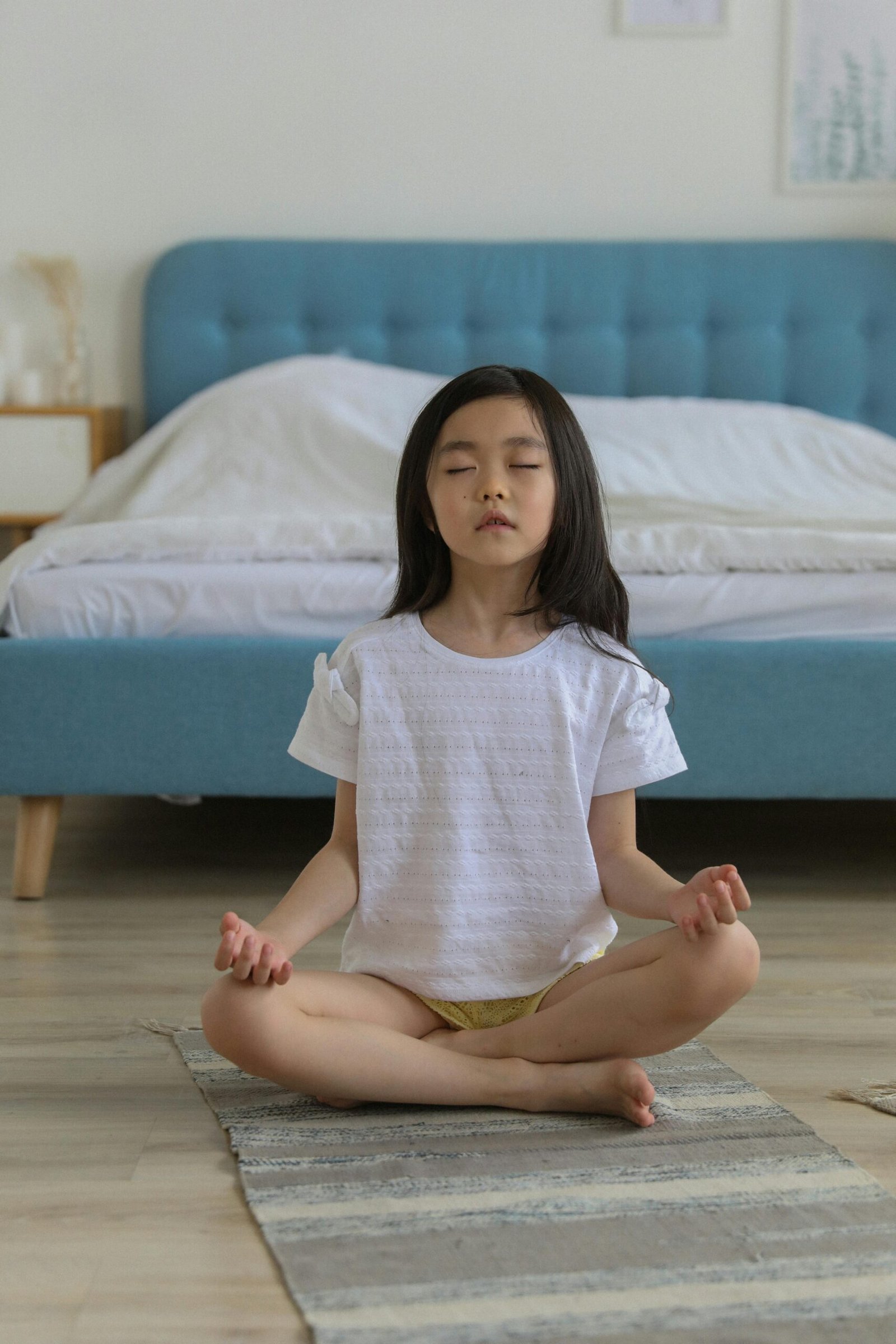
Why Mindfulness Matters More Than Ever for Young People
Teaching mindfulness for children and teens has become one of the most powerful tools parents, educators, and clinicians have to support young mental health in an increasingly overwhelming world. From classroom anxiety to social media pressure, today’s young people face stressors that previous generations simply didn’t encounter at the same scale — and the research backs up just how much mindfulness can help.
A 2025 report from the American Psychological Association found that 45% of teenagers in the United States described their stress levels as “extreme,” with similar figures reported across the UK, Canada, Australia, and New Zealand. Yet despite these numbers, most young people have never been taught even the most basic tools for managing their inner world. That’s where mindfulness comes in — not as a trendy buzzword, but as a genuinely evidence-based practice that meets kids where they are.
Whether you’re a parent trying to help a worried child fall asleep, a teacher looking for calming classroom strategies, or a teenager searching for something that actually works, this guide is for you. We’ll break down the science, the practical techniques, and the age-specific approaches that make mindfulness accessible — and effective — for young minds.
This article is for informational purposes only and is not a substitute for professional medical advice. If you are concerned about your child’s mental health, please consult a qualified healthcare professional.
The Science Behind Mindfulness and Young Brains
Understanding why mindfulness works for children and teenagers starts with the developing brain. The prefrontal cortex — responsible for emotional regulation, decision-making, and impulse control — isn’t fully developed until the mid-twenties. This means young people are biologically wired to feel emotions more intensely and struggle more with managing reactions. Mindfulness practice actively supports the development of this critical brain region.
What the Research Tells Us
A landmark 2024 meta-analysis published in the journal Child Development reviewed 87 school-based mindfulness programs across six countries and found that students who participated in structured mindfulness training showed a 23% reduction in anxiety symptoms and a 19% improvement in attention and focus compared to control groups. These results held across age groups from 7 to 18.
Neuroimaging studies from the University of California have also shown that even 8 weeks of mindfulness practice in adolescents produces measurable changes in the amygdala — the brain’s stress-response center — reducing reactivity and improving emotional resilience. In simple terms: mindfulness doesn’t just feel helpful, it physically changes the brain in beneficial ways.
Additionally, a 2026 study from the Mindfulness in Schools Project in the UK found that teens who practiced mindfulness for just 10 minutes a day over 6 weeks reported significantly improved sleep quality, reduced feelings of loneliness, and greater self-compassion scores compared to peers who did not participate. These outcomes are particularly meaningful given the youth mental health challenges currently facing communities across the English-speaking world.
Key Mental Health Benefits Backed by Evidence
- Reduced anxiety and worry: Mindfulness teaches children to observe anxious thoughts without being consumed by them
- Better emotional regulation: Kids learn to pause before reacting, a skill that benefits relationships and academic performance
- Improved attention span: Regular practice strengthens the brain’s ability to sustain focus — critical for learning
- Greater resilience: Mindful children bounce back from setbacks more effectively
- Enhanced self-awareness: Teens develop a healthier relationship with their own thoughts and feelings
- Reduced symptoms of depression: Mindfulness-based interventions show promise in reducing depressive episodes in adolescents
Age-Appropriate Mindfulness Techniques That Actually Work
One of the most common mistakes adults make when introducing mindfulness for children and teens is using the same approach for every age group. A five-year-old and a fifteen-year-old have completely different cognitive and emotional needs — and what engages one will bore or frustrate the other. Here’s how to tailor your approach.
Mindfulness for Young Children (Ages 4–8)
Young children are naturally present-focused, which is actually a wonderful starting point. The key is making mindfulness feel like play rather than practice. Abstract concepts like “observing your thoughts” won’t land here — but sensory-based activities absolutely will.
- Belly breathing with a stuffed animal: Have your child lie down and place a favourite toy on their stomach. Ask them to breathe slowly and watch the toy rise and fall. This simple exercise activates the parasympathetic nervous system and is remarkably effective for calming pre-sleep anxiety.
- The five senses scavenger hunt: Ask children to name 5 things they can see, 4 they can touch, 3 they can hear, 2 they can smell, and 1 they can taste. This grounding technique is a child-friendly version of a widely used clinical anxiety intervention.
- Mindful listening: Ring a bell or play a singing bowl and ask children to raise their hand when they can no longer hear the sound. This builds focused attention in a fun, non-pressured way.
- Weather inside: Ask, “What’s the weather like inside you right now — sunny, stormy, cloudy?” This gentle metaphor helps young children identify and name emotions without feeling judged.
Mindfulness for Tweens (Ages 9–12)
This age group is developing self-consciousness and starting to think more abstractly. They respond well to understanding the why behind things — so briefly explaining what mindfulness does to the brain can increase buy-in. Keep sessions short (5–10 minutes), and wherever possible, connect mindfulness to things they already care about like sport, creativity, or friendship.
- Body scan meditation: Guide children through noticing sensations in each part of their body from feet to head, without judgment. Apps like Headspace for Kids and Calm’s children’s content offer excellent guided versions of this.
- Mindful movement: Yoga, stretching, or even mindful walking — asking kids to notice each footstep — bridges the gap between mindfulness and physical activity that this age group craves.
- Thought labelling: Teach kids to mentally label thoughts as “worrying,” “planning,” or “remembering.” This simple cognitive defusion technique creates helpful distance from overwhelming thoughts.
- Gratitude journaling: Three things they’re grateful for each night — specific and personal, not generic. Research consistently links gratitude practice to improved mood and reduced anxiety in this age group.
Mindfulness for Teenagers (Ages 13–18)
Teenagers are perhaps the group that needs mindfulness most — and the group most likely to resist it if it’s introduced poorly. Autonomy is everything at this age. Present mindfulness as a personal tool, not a requirement, and let teens explore it on their own terms. Peer-led programs and digital platforms often work better than adult-directed sessions.
- Mindful social media use: Encourage teens to check in with how they feel before, during, and after using social media. This isn’t about restricting use — it’s about building awareness of emotional impact, which naturally motivates healthier habits.
- Box breathing (4-4-4-4): Inhale for 4 counts, hold for 4, exhale for 4, hold for 4. Used by military special forces and elite athletes, this technique appeals to teens who respond to performance-based framing.
- Mindful music listening: Choose one song and listen with complete attention — no multitasking. Notice the instruments, lyrics, emotions. This entry-level mindfulness practice feels natural and non-threatening.
- Values-based reflection: Journaling prompts like “What kind of person do I want to be?” connect mindfulness to identity formation, which is the central developmental task of adolescence.
Bringing Mindfulness Into Daily Life at Home and School
Formal meditation sessions are valuable, but the real power of mindfulness for children and teens comes from weaving it into everyday moments. Consistency and context matter far more than duration — a daily 5-minute practice beats an occasional 30-minute session every time.
For Parents and Caregivers
The single most impactful thing you can do as a parent is practice mindfulness yourself. Children are exquisitely sensitive to their caregivers’ emotional states, and a parent who models calm, present-moment awareness teaches far more than any structured exercise. Start with your own practice — even five minutes of morning breathing — before introducing it to your children.
Create natural mindfulness moments throughout the day: mindful mealtimes where screens are off and everyone notices flavours and textures; mindful bedtime routines that include a brief body scan or gratitude share; mindful car journeys where you play “listening games” and notice sounds outside the window. These micro-practices accumulate into a genuinely mindful household culture over time.
Avoid using mindfulness as a punishment or correction tool — “Go calm down and meditate” teaches children to associate mindfulness with shame. Instead, practice together during calm moments so it becomes a positive shared experience.
For Teachers and School Counsellors
Schools across Australia, New Zealand, Canada, the UK, and the US have been integrating mindfulness-based programs into curricula with measurable results. The .b (dot-be) curriculum developed by the Mindfulness in Schools Project and the MindUP program used widely in North America and Australasia both have strong evidence bases and are designed specifically for classroom implementation.
Practical classroom strategies include: opening lessons with a 2-minute breathing exercise; using a “mindful minute” before tests to reduce performance anxiety; incorporating mindful movement breaks between subjects; and creating a designated calm corner for primary-aged students. These approaches require minimal time but create a classroom climate that supports learning, emotional safety, and belonging.
Common Challenges and How to Overcome Them
Even the most well-intentioned mindfulness practice can hit obstacles — especially with young people. Here’s how to navigate the most common ones.
“I Can’t Stop Thinking” — The Biggest Misconception
Many children and teenagers try mindfulness once, find that their mind wanders, and conclude that they’re “doing it wrong” or that it “doesn’t work for them.” This is the number one barrier to sustained practice. The most important thing you can communicate is this: mindfulness is not about emptying your mind. It’s about noticing when your mind has wandered and gently bringing it back — and every time you do that, you’re building a mental muscle. The wandering is the practice.
Resistance and Eye-Rolls
Teenagers especially may resist mindfulness if it feels imposed, “cringey,” or associated with weakness. Strategies that help include: using secular, straightforward language rather than spiritual framing; referencing high-performing athletes and musicians who use mindfulness (LeBron James, Billie Eilish, and Novak Djokovic are all known practitioners); offering digital options through apps rather than in-person group sessions; and most importantly, never forcing participation.
Neurodivergent Children and Mindfulness
Children with ADHD, autism spectrum disorder, anxiety disorders, or sensory processing differences may find traditional seated meditation challenging or even distressing. For these children, movement-based mindfulness, shorter practice durations, and sensory-friendly activities tend to work far better. Always consult with the child’s healthcare team before introducing new practices, and prioritise the child’s comfort and consent at every stage.
Recommended Resources for Getting Started in 2026
The landscape of mindfulness resources for young people has expanded significantly in recent years. Here are some of the most reputable options currently available across English-speaking countries.
Apps and Digital Tools
- Headspace for Kids: Age-appropriate guided meditations with engaging visuals, available in the US, UK, Canada, Australia, and New Zealand
- Calm: Includes a robust children’s section with sleep stories, breathing exercises, and daily mindfulness programs
- Smiling Mind: A free, non-profit app developed in Australia with programs specifically designed for school and home use, evidence-informed and highly regarded across Australasia
- Stop, Breathe & Think Kids: Emotionally intelligent app that helps children check in with feelings before choosing a mindfulness activity
Books Worth Reading
- “Sitting Still Like a Frog” by Eline Snel: A beautifully written guide for parents with a companion audio CD — suitable for children aged 5–12
- “The Mindful Teen” by Dzung Vo: Written specifically for teenagers, combining mindfulness with acceptance and commitment therapy (ACT) principles
- “Mindfulness for Teen Anxiety” by Christopher Willard: A workbook-style resource for teens experiencing anxiety, with practical exercises throughout
Frequently Asked Questions
At what age can children start practising mindfulness?
Children as young as three or four can benefit from simple, play-based mindfulness activities such as belly breathing, sensory awareness games, and emotion identification exercises. Formal seated meditation is generally more suitable from around age seven or eight, once children have the cognitive capacity to follow instructions and sustain brief periods of focused attention. The key at all ages is to keep it short, positive, and pressure-free.
How long should mindfulness sessions be for children and teenagers?
A general guideline is one minute of practice per year of age — so a 6-year-old might manage a 5–6 minute session comfortably, while a teenager might sustain 10–15 minutes. That said, quality matters far more than quantity. A consistent 5-minute daily practice will produce more benefit than an occasional 30-minute session. Start shorter than you think necessary and build gradually based on the child’s engagement and interest.
Does mindfulness help children with ADHD?
There is growing evidence that mindfulness-based interventions can support children with ADHD by improving sustained attention, reducing impulsivity, and supporting emotional regulation. A 2024 review in the Journal of Child Psychology and Psychiatry found moderate positive effects for attention and behaviour in children with ADHD who participated in adapted mindfulness programs. However, traditional seated meditation may not suit all children with ADHD — movement-based practices and shorter durations often work better. Always discuss with your child’s healthcare provider before starting any new intervention.
Can mindfulness replace therapy or medication for young people?
No — mindfulness is a valuable complementary practice, not a replacement for professional mental health care. For children and teenagers experiencing significant anxiety, depression, trauma, or other mental health conditions, professional assessment and treatment should always be the first step. Mindfulness can work beautifully alongside therapy and, in some cases, medication — supporting skills learned in treatment and promoting overall wellbeing — but it is not a clinical intervention in itself.
What if my teenager completely refuses to try mindfulness?
Respect their autonomy and don’t force it — this almost always backfires and creates negative associations. Instead, try modelling your own practice visibly, sharing interesting facts about how mindfulness affects the brain or athletic performance, leaving a good book or app available without pressure, or finding a naturally mindful activity they already enjoy such as art, music, sport, or being in nature. Often teenagers come to mindfulness in their own time, especially when they see a trusted adult genuinely benefiting from it.
Are there any risks to mindfulness practice for young people?
For most children and teenagers, mindfulness is safe and beneficial. However, some young people — particularly those who have experienced trauma — may find focused attention on body sensations or emotions distressing. If a child becomes visibly upset, disengaged, or distressed during mindfulness practice, stop gently and without judgment. Trauma-informed adaptations of mindfulness (such as allowing eyes open, focusing on external rather than internal sensations, and emphasising choice and control) are recommended for children with trauma histories. Consult a mental health professional if you have concerns.
How can I tell if mindfulness is working for my child?
Look for gradual, subtle shifts rather than dramatic overnight changes. Signs that mindfulness for children and teens is making a difference include: improved ability to articulate emotions, reduced frequency or intensity of emotional outbursts, better sleep quality, a greater capacity to pause before reacting in frustrating situations, and the child voluntarily using mindfulness tools they’ve learned during stressful moments. These changes typically emerge over weeks to months of consistent practice, not days.
Every child deserves the gift of knowing how to find calm within themselves — and the wonderful truth is that it’s never too early, or too late, to start. Whether you take the first step with a simple breathing exercise tonight at bedtime, download a free app tomorrow morning, or share one technique from this guide with a young person in your life, you are already doing something profoundly meaningful. Mindfulness for children and teens isn’t about perfection — it’s about planting seeds of self-awareness that can grow into a lifetime of resilience, compassion, and inner peace. You’ve got this, and so do they.
Leave a Reply