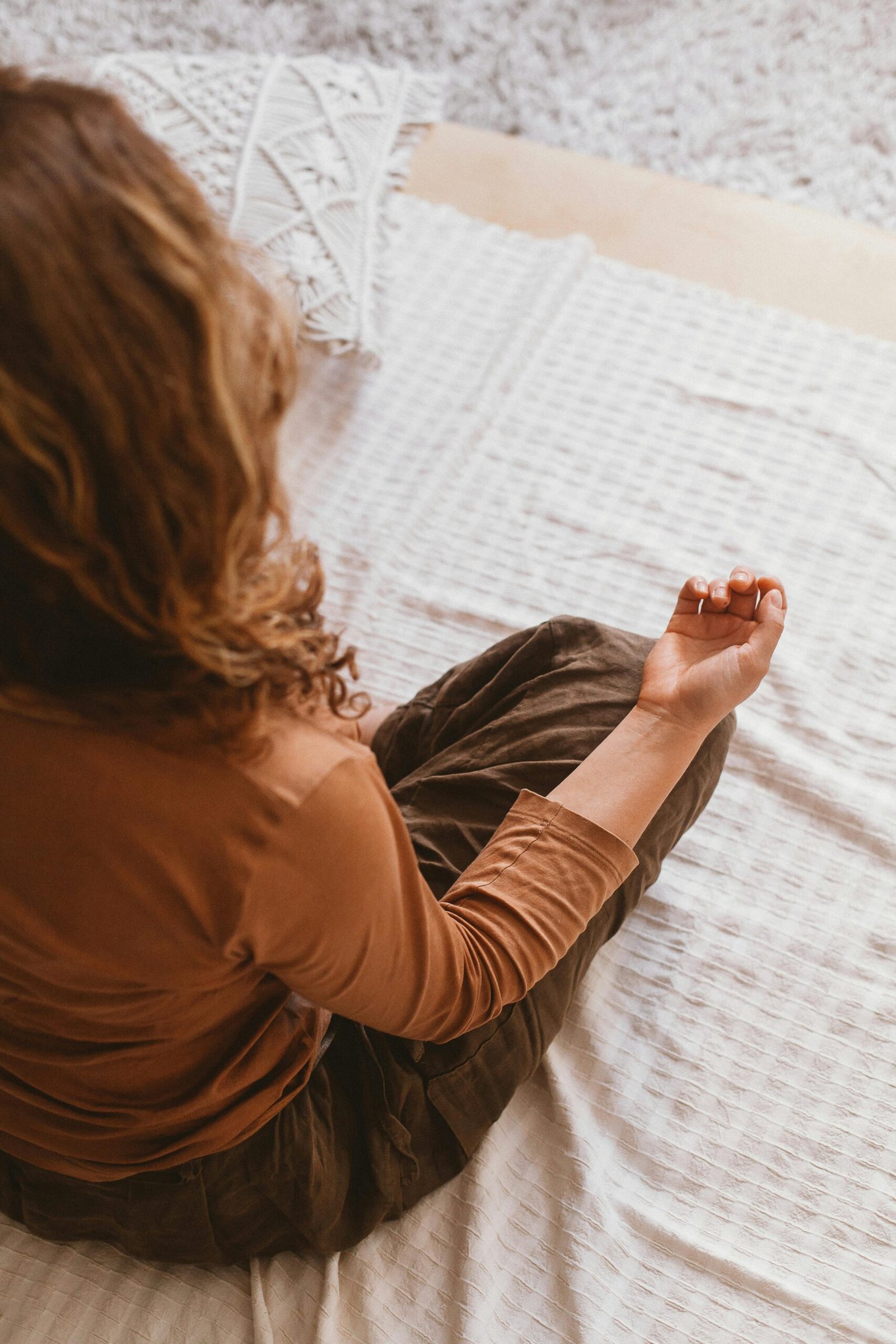
Finding Your Path: Understanding the Two Main Approaches to Meditation
Choosing between guided vs unguided meditation can feel surprisingly personal — and getting it right could be the difference between a practice that transforms your mental wellness and one that quietly fades away. Whether you’re brand new to meditation or looking to deepen an existing practice, understanding what each approach offers helps you invest your time and energy wisely.
In 2026, meditation is no longer a niche wellness habit. A survey by the Global Wellness Institute found that over 500 million people worldwide now meditate regularly, with app-based and audio-guided sessions accounting for nearly 62% of all reported practice. Yet despite this boom, many practitioners — beginners and experienced meditators alike — feel uncertain about whether they’re using the right approach for their goals. The short answer? Both are valid. The longer answer is what this article is here to explore.
Think of this as a conversation with a knowledgeable friend who has no agenda other than helping you figure out what actually works for you. We’ll walk through the real differences, the science, the practical pros and cons, and offer a clear framework so you can make a confident, informed decision today.
This article is for informational purposes only and is not a substitute for professional medical advice.
What Guided and Unguided Meditation Actually Mean
Before diving into comparisons, it helps to get clear on definitions — because these terms are sometimes used loosely, and the nuance matters.
Guided Meditation: A Voice to Follow
Guided meditation involves following the instructions of a teacher, narrator, or recorded voice. That guide might walk you through a body scan, lead you through a visualisation exercise, offer breathwork cues, or provide gentle prompts to anchor your attention throughout the session. Formats range from apps like Calm and Headspace to YouTube recordings, live online classes, podcasts, and in-person sessions with a teacher.
The defining feature is external support. You don’t have to generate the structure yourself — the guide does that for you. This is enormously helpful for people whose minds race the moment they close their eyes, and it’s one reason guided meditation has become so dominant in the digital wellness space.
Unguided Meditation: Sitting with Yourself
Unguided meditation — sometimes called silent or self-directed meditation — is practice without any external instruction during the session. You choose a technique (mindfulness, loving-kindness, breath awareness, mantra, open awareness), set your own intention, and sit with whatever arises. There is no voice telling you where to direct your attention. The structure, the timing, and the navigation are entirely internal.
Traditions like Vipassana, Transcendental Meditation (TM), and Zen sitting practice are classic examples. But you don’t need a formal tradition to sit quietly and simply observe your breath for ten minutes — that counts too.
The Science Behind Both Approaches
Both guided and unguided meditation activate overlapping brain networks, but research suggests they may do so in meaningfully different ways — and produce different outcomes depending on experience level and the specific technique used.
What Research Tells Us About Guided Meditation
A landmark 2024 meta-analysis published in JAMA Internal Medicine, reviewing 47 randomised controlled trials involving over 3,500 participants, found that guided mindfulness programs significantly reduced symptoms of anxiety, depression, and stress. The structured nature of guided practice appears to lower the cognitive barrier to entry, meaning participants are more likely to complete sessions consistently — and consistency is where the real neurological benefits live.
Guided meditation is particularly effective for activating the parasympathetic nervous system quickly. When you hear a calm, reassuring voice instructing you to soften your shoulders or follow your breath, your nervous system responds not just to the technique but to the social-emotional cue of a trusted voice — a phenomenon researchers sometimes call co-regulation.
What Research Tells Us About Unguided Meditation
A 2023 study published in Psychological Science found that experienced meditators who practised without guidance showed greater activation in the default mode network (DMN) — the brain region associated with self-referential thought and insight — compared to those using guided formats. This suggests that silent practice may offer deeper self-awareness benefits over time, particularly for those with an established foundation.
Additional research from the Max Planck Institute found that different meditation techniques — even within unguided practice — train distinct mental capacities. Focused attention practices strengthen concentration and working memory, while open monitoring (a form of unguided awareness practice) enhances cognitive flexibility and emotional regulation. Choosing your technique intentionally, not just your format, therefore matters enormously.
The Role of Experience Level
The evidence points consistently to one moderating factor: experience. Beginners tend to benefit more from guided formats, while intermediate and advanced practitioners often thrive with less or no guidance. A 2025 study from the University of Oxford’s Mindfulness Centre found that meditators with fewer than 50 hours of total practice who switched to unguided sessions too soon reported higher rates of frustration, distraction, and discontinuation. The takeaway is not that one is superior — it’s that timing matters.
Guided Meditation: Who It Suits and When to Use It
Guided meditation is genuinely wonderful for a wide range of people and situations. Here’s a closer look at when it tends to shine.
Ideal Candidates for Guided Practice
- Beginners who need structure and reassurance to establish a habit
- People managing anxiety or racing thoughts who find silence amplifies mental noise rather than quieting it
- Those working through specific challenges such as sleep difficulties, grief, chronic pain, or stress — where targeted guided sessions exist
- People who prefer variety and enjoy exploring different themes, teachers, and styles
- Anyone short on time who wants to drop into a focused state quickly without having to plan the session themselves
Practical Tips for Getting the Most from Guided Meditation
- Experiment with different teachers and styles. The voice, pacing, and tone of a guide matters more than most people expect. If one teacher’s style feels grating or too slow, try another before concluding guided meditation isn’t for you.
- Use guided sessions for specific goals. Sleep meditations before bed, anxiety relief sessions during stressful periods, and body scans for physical tension are all examples where guided content is highly targeted and effective.
- Don’t skip the post-session pause. When the recording ends, sit in silence for at least one to two minutes. This transition period helps integrate the practice and begins building the capacity for unguided awareness over time.
- Keep a brief journal. After each session, note one word or phrase that captures your experience. This simple habit builds self-awareness and makes it easier to eventually transition to self-directed practice if you choose to.
Unguided Meditation: Who It Suits and When to Use It
Silent, self-directed meditation has a depth and intimacy that many practitioners describe as irreplaceable once they’ve found their footing. But it does require a degree of readiness and a particular kind of inner resourcefulness.
Ideal Candidates for Unguided Practice
- Intermediate or experienced meditators who have a solid understanding of at least one technique
- People seeking deeper self-knowledge and who are comfortable sitting with uncertainty, discomfort, or quietude
- Those who find voices distracting or who feel that guidance interrupts their natural internal rhythm
- Practitioners of tradition-based methods such as Vipassana, TM, or Zen, where silence is inherent to the practice
- Anyone craving simplicity — no app, no device, no earphones required
Practical Tips for Building an Unguided Practice
- Choose one technique and stick with it. Jumping between methods in a single session is a common beginner mistake in unguided practice. Pick one — breath awareness, loving-kindness, body scan, mantra — and commit to it for the session.
- Use a gentle timer. Apps like Insight Timer offer simple bells at the start and end of sessions without any instruction in between. This removes the distraction of clock-watching without adding guidance.
- Start short and build gradually. Begin with five to ten minutes. The absence of a guiding voice can make time feel elastic, and sitting for twenty minutes prematurely often leads to restlessness and discouragement.
- Expect and accept the wandering mind. Without a voice to periodically anchor you, your mind will wander more visibly at first. This is not failure — it is the practice. Noticing the wandering and gently returning is the fundamental mechanism of meditation.
- Consider periodic check-ins with a teacher. Even in unguided practice, occasional feedback from a qualified meditation teacher can accelerate progress significantly and prevent subtle but persistent misunderstandings about technique.
How to Choose: A Practical Framework for 2026
Rather than making a permanent declaration about which type of meditation you are, think of this as a living decision that evolves with your practice. Here’s a simple framework to guide your choice right now.
Ask Yourself These Four Questions
- How much experience do I have? If you have fewer than 30–40 hours of total meditation practice, guided formats are likely to serve you better and keep you consistent.
- What am I hoping to achieve? Specific outcomes like sleep improvement, anxiety relief, or stress management are well-served by targeted guided content. Deeper self-inquiry, concentration training, and spiritual development often point toward unguided practice.
- How does silence feel to me? Be honest. If sitting in quiet without direction feels peaceful, you may be ready for unguided practice. If it feels chaotic or like you’re doing something wrong, guided sessions will provide a more supportive foundation.
- What does my schedule look like? Guided meditation is easier to integrate into unpredictable schedules because the session structure is provided externally. Unguided practice often flourishes best with a consistent routine and dedicated space.
The Hybrid Approach: The Best of Both Worlds
Many experienced practitioners settle into a hybrid model — and it’s one of the most practical approaches available today. You might use a guided session on mornings when you’re tired, anxious, or short on time, and reserve a longer unguided sit for quieter mornings when you have more inner resources available. This flexibility removes the all-or-nothing pressure and keeps practice sustainable through life’s inevitable fluctuations.
In fact, some meditation traditions actively encourage this. The Insight Meditation Society and other prominent centres now recommend that students alternate between guided instruction and independent silent sitting — not as a temporary step, but as an ongoing, enriching rhythm.
A Word on Digital Tools in 2026
The meditation app landscape has expanded significantly. AI-personalised guidance, voice-adaptive pacing, and biofeedback-integrated sessions (using wearables to adjust session length and focus in real time) are now common features on premium platforms. These tools blur the line between guided and unguided — offering minimal prompts rather than continuous narration. For many users, these adaptive formats represent a genuinely useful middle ground. Explore them without attachment; the best tool is the one you’ll actually use consistently.
Frequently Asked Questions
Is guided or unguided meditation better for beginners?
For most beginners, guided meditation offers a more supportive and sustainable starting point. The external structure reduces the cognitive load of having to generate technique, timing, and focus simultaneously — freeing you to simply follow along and observe your experience. That said, some beginners with prior experience in contemplative practices (yoga, prayer, journalling) may feel comfortable jumping into short unguided sessions relatively quickly. Let your honest experience guide you, not what you think you “should” be doing.
Can I switch between guided and unguided meditation?
Absolutely — and for many people, this is the most practical long-term approach. Moving fluidly between both formats depending on your mood, energy, and schedule is not inconsistency; it’s adaptability. The key is maintaining regularity in your overall practice rather than rigidity about the format. Even five minutes of quiet, unguided breath awareness on a busy day is more valuable than skipping practice entirely while waiting for the perfect guided session.
Does unguided meditation take longer to produce benefits?
For beginners, yes — unguided meditation may take longer to produce noticeable benefits simply because there is a steeper learning curve. Without a guide holding your attention, early sessions can feel frustrating or unproductive. However, research suggests that once a meditator has built a foundational skill set, unguided practice can accelerate certain benefits — particularly those related to self-awareness, emotional regulation, and insight — more effectively than guided formats.
What if my mind wanders constantly during unguided meditation?
This is completely normal — for everyone, at every level of experience. The wandering mind is not a sign that you’re doing it wrong or that meditation doesn’t work for you. The practice of unguided meditation is, in large part, the repeated act of noticing that your mind has wandered and gently bringing attention back — without judgment. If wandering feels overwhelming or distressing, return to guided practice temporarily. There is no shame in using support; building a sustainable practice matters more than proving you can sit in silence.
Are guided meditations on apps as effective as working with a live teacher?
App-based guided meditations are genuinely effective for stress reduction, sleep improvement, and general mindfulness — and the research supporting them is robust. However, a live teacher offers something apps cannot: real-time responsiveness, personalised instruction, and the capacity to recognise and address common technique errors. If your goals include deep practice, working through emotional difficulties, or following a specific tradition, occasional sessions with a qualified teacher are worth exploring, even if apps remain your primary daily tool.
How long should a guided or unguided meditation session be?
There is no universal correct length. Research consistently shows that even five to ten minutes of daily meditation produces meaningful benefits when practised consistently over time. For guided sessions, many practitioners find ten to twenty minutes a comfortable and effective range. For unguided practice, starting with five to ten minutes and gradually extending as your capacity grows is a sensible approach. Longer sessions of thirty to forty-five minutes are typically reserved for experienced practitioners or dedicated retreat-style practice.
Can guided meditation become a crutch that prevents deeper practice?
This is a fair and thoughtful question. In some cases, remaining exclusively with guided formats for years can limit the development of the inner resources — equanimity, self-direction, and resting awareness — that unguided practice cultivates. However, if guided meditation keeps you practising consistently and benefiting meaningfully, it is doing its job. The concern about dependency is most relevant for practitioners who feel ready to grow but are avoiding the discomfort of silence out of habit. If guided meditation still serves you, there is no urgency to move beyond it.
Your Next Step Starts with One Session
Whether you feel drawn to the supportive warmth of a guided voice or the quiet intimacy of sitting with yourself in silence, what matters most is that you begin — or continue — showing up. Meditation is not a performance. It is not something to get right or perfect or compare. It is simply a regular, gentle return to the present moment, in whatever form feels most honest and sustainable for you today.
The question of guided vs unguided meditation is ultimately not about finding the superior approach — it’s about finding your approach, in this season of your life, with the resources and readiness you currently have. Give yourself permission to experiment. Start where you are. Return when you drift. And trust that every session — guided, silent, five minutes or forty-five — is quietly building something worthwhile inside you.
You’re not behind. You’re exactly where you need to be. And the next breath is always a good place to start.
Leave a Reply